Meltblow Processing of Poly (Ethylene Furanoate)–Bio-Based Polyester Nonwovens
Tim Hiller, Hagen J. Altmann, Iris Elser, Mehdi Azimian, Michael R. Buchmeiser

TL;DR
This paper explores using bio-based PEF polymer in meltblow nonwoven fabrics, showing it can replace PET with good filtration and stability.
Contribution
The first demonstration of meltblow processing of PEF nonwovens and their performance evaluation.
Findings
PEF nonwovens achieved 2.04 µm fiber diameters and over 90% filtration efficiency after electrostatic charging.
Infrared heating reduced heat shrinkage, but PEF still showed 20-40% shrinkage at 10°C.
PEF is a viable bio-based alternative to PET for high-temperature nonwoven applications.
Abstract
Poly(ethylene furanoate) (PEF) has been identified as a bio-based alternative or supplement to poly(ethylene terephthalate) (PET) for various applications such as food packaging and bottles as well as technical- and high-performance fibers and yarns. In this study, the processing of PEF nonwovens in the meltblow process is successfully demonstrated and reported for the first time, according to our best knowledge The resulting fabrics achieved median fiber diameters of 2.04 µm, comparable to PET. The filtration efficiency of 25 g m−2 fabrics exceeded 50% comparable to PET and PBT of the same grammage and was raised to over 90% with post-process electrostatic charging, maintaining stability. As for other aromatic polymers, applying infrared heating modules into the process indicated the potential to minimize heat shrinkage. However, the suppressed ring rotation and slower crystallization…
Genes, proteins, chemicals, diseases, species, mutations and cell lines named across the full text — each resolved to its canonical identifier and authoritative record.
Click any figure to enlarge with its caption.
 Figure 1
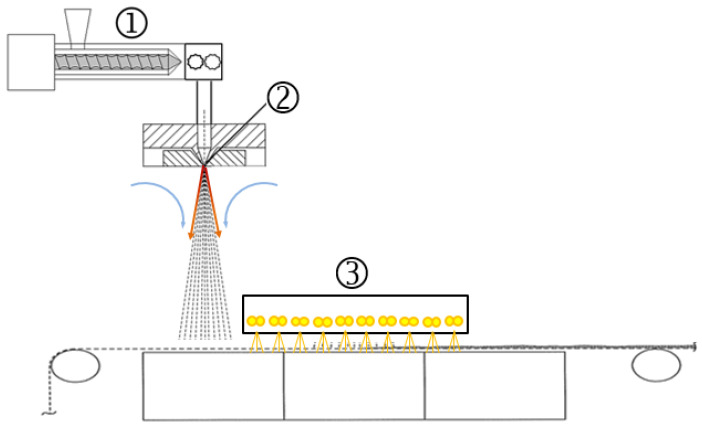 Figure 2
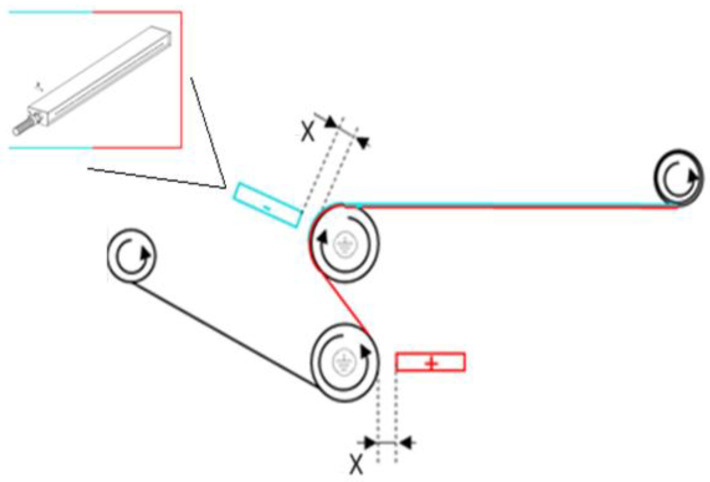 Figure 3
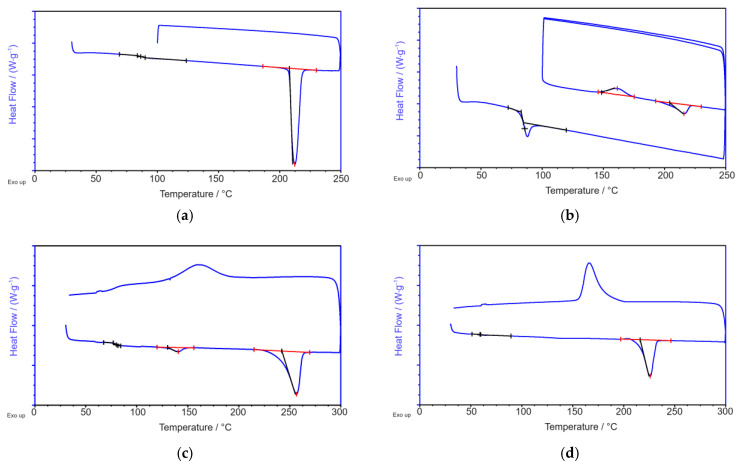 Figure 4
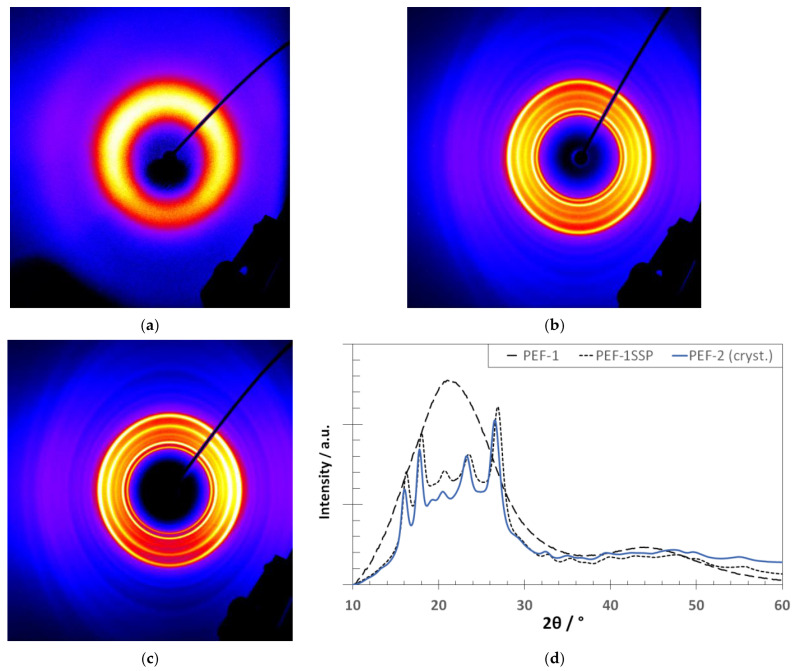 Figure 5
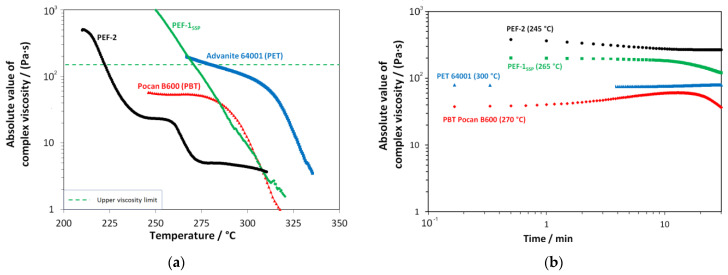 Figure 6
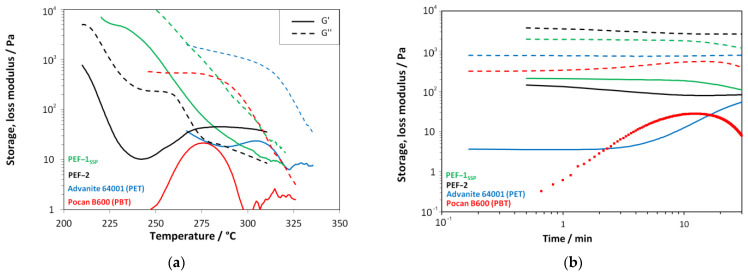 Figure 7
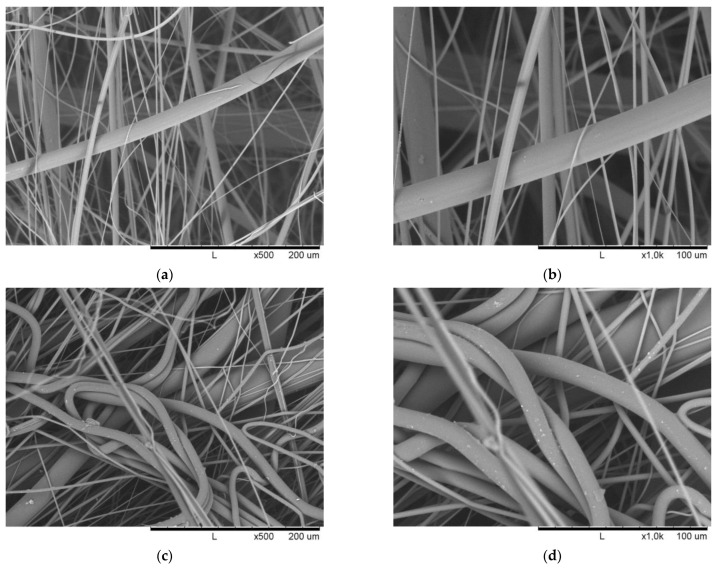 Figure 8
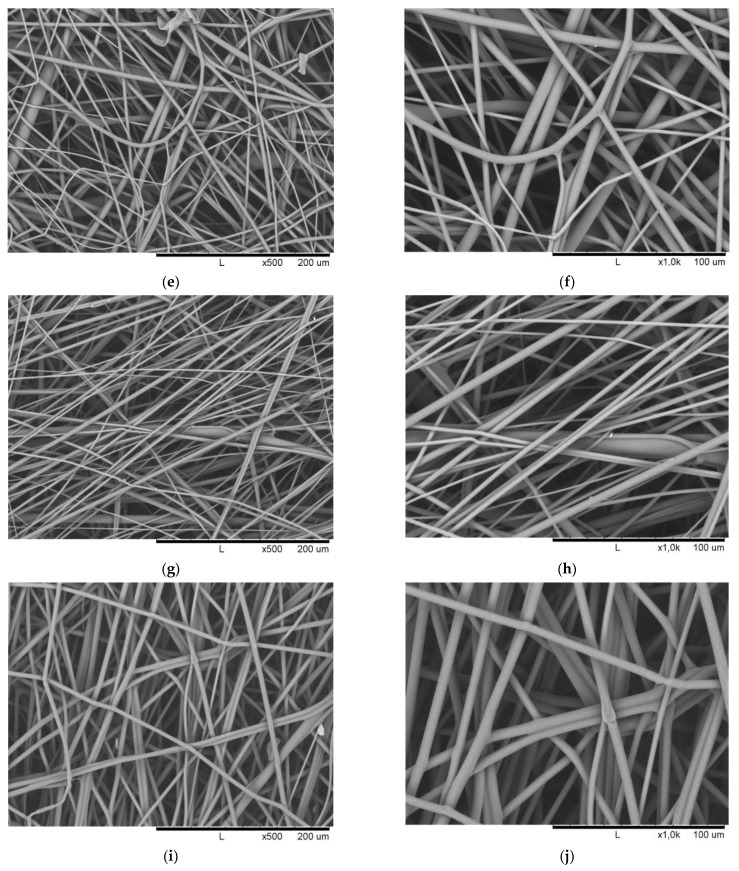 Figure 9
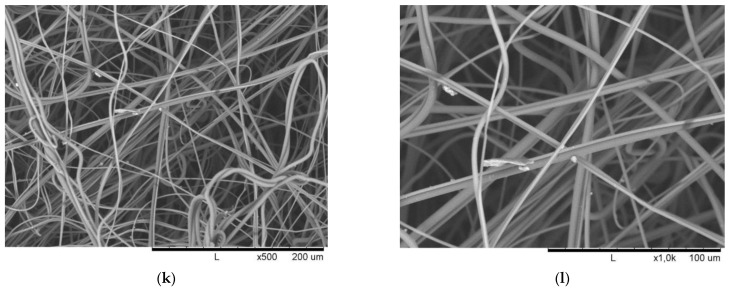 Figure 10
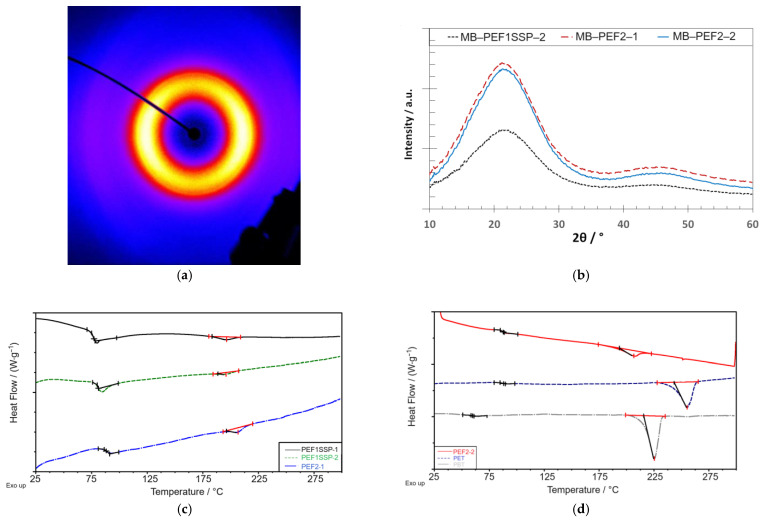 Figure 11
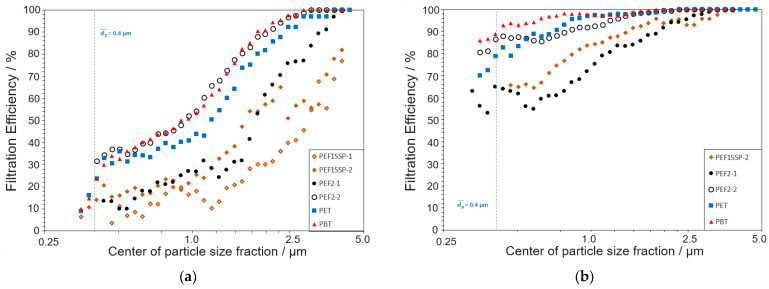 Figure 12
Peer Reviews
No public reviews on file for this paper yet. If you reviewed it on a platform where reviews are public (OpenReview, ICLR, NeurIPS, ICML), you can paste yours below so the community can read it here.
Videos
No videos yet. Explain this paper in a talk, walkthrough, or lecture? Add one.
Taxonomy
Topicsbiodegradable polymer synthesis and properties · Additive Manufacturing and 3D Printing Technologies · Microplastics and Plastic Pollution