Novel Gait Training with a Hybrid Assistive Limb Improved Delayed Progressive Spastic Paraplegia After a Lightning Strike
Yuichiro Soma, Shigeki Kubota, Hideki Kadone, Yukiyo Shimizu, Kousei Miura, Yasushi Hada, Yoshiyuki Sankai, Masashi Yamazaki

TL;DR
A 68-year-old man with long-term walking issues from a lightning strike showed improved gait after using a hybrid assistive limb for training.
Contribution
Demonstrates the potential of HAL gait training to improve mobility in chronic spastic paraplegia caused by lightning injuries.
Findings
HAL gait training reduced abnormal muscle activation in the patient's lower limbs.
Repeated HAL training improved the patient's gait pattern over time.
Longer training periods may enhance adaptation to HAL-assisted rehabilitation.
Abstract
Background/Objectives: A 68-year-old man presented with progressive walking difficulty that developed into spastic paraplegia. This condition was a long-term consequence of a lightning strike injury sustained at the age of 22 years. His symptoms progressively deteriorated, eventually requiring double crutches for ambulation at approximately 40 years of age. A physical evaluation prior to hybrid assistive limb (HAL) training revealed a T10 level neurological injury and an American Spinal Cord Injury Association impairment scale grade D. Here, we aimed to evaluate the therapeutic effects of novel gait training with an HAL in this patient with chronic and progressive neural damage caused by a lightning strike. Methods: The HAL training program is composed of two sections. In the first section, one month of gait training with HAL was conducted across 10 sessions, with 2–3 sessions weekly.…
Genes, proteins, chemicals, diseases, species, mutations and cell lines named across the full text — each resolved to its canonical identifier and authoritative record.
Click any figure to enlarge with its caption.
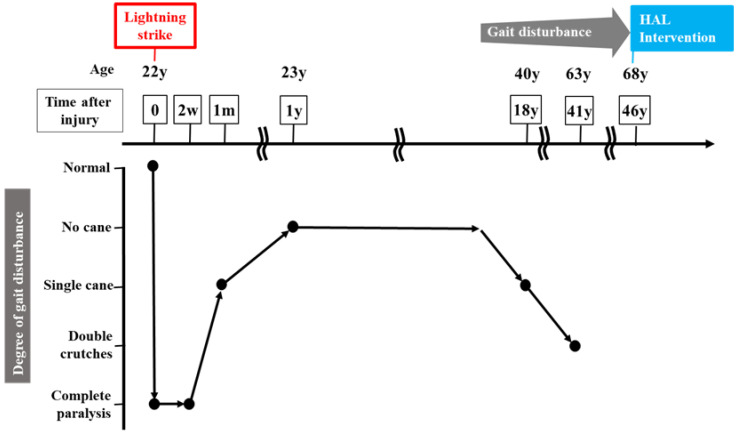 Figure 1
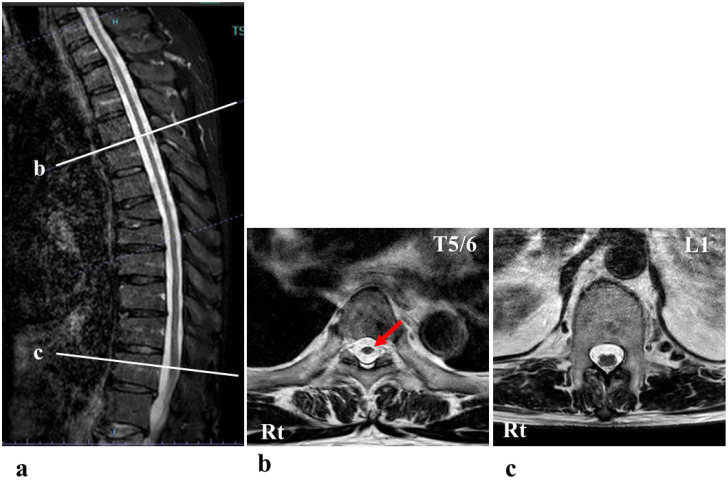 Figure 2
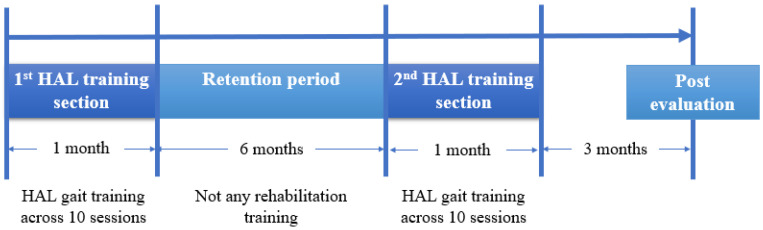 Figure 3
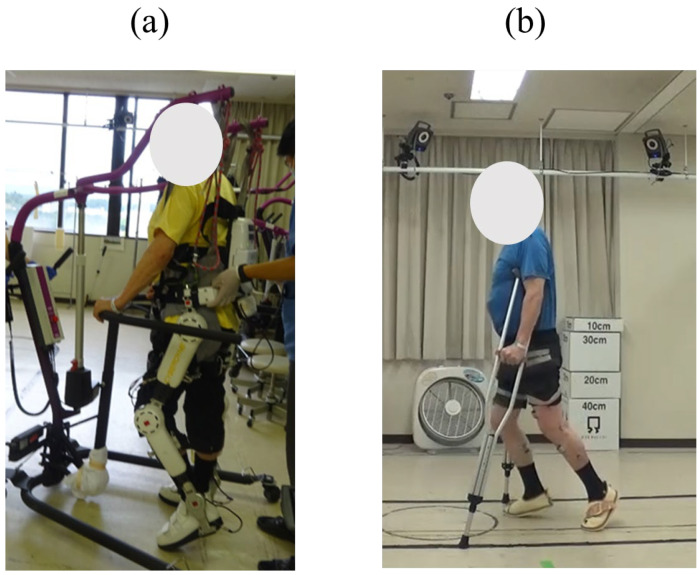 Figure 4
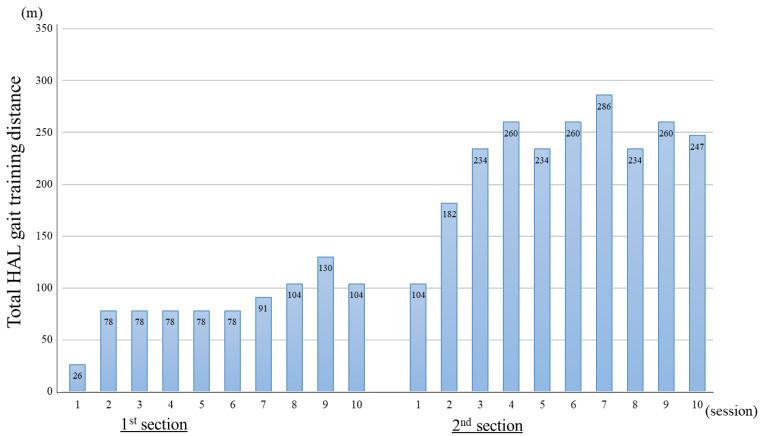 Figure 5
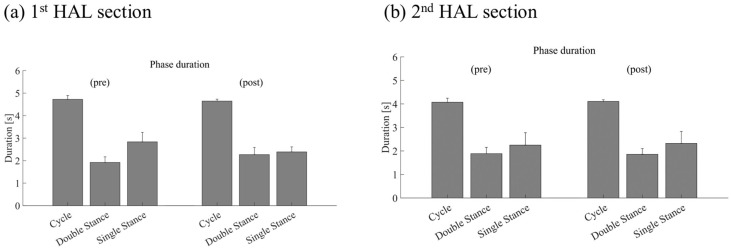 Figure 6
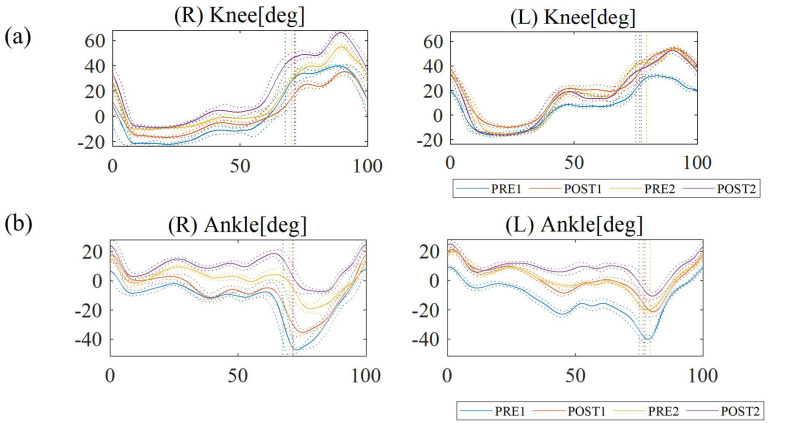 Figure 7
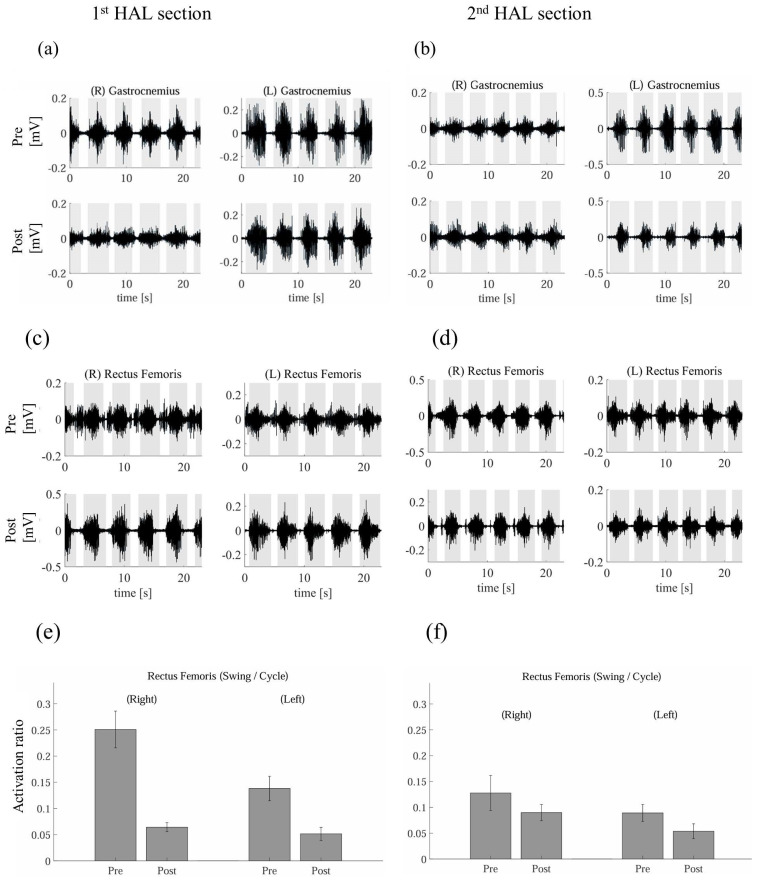 Figure 8
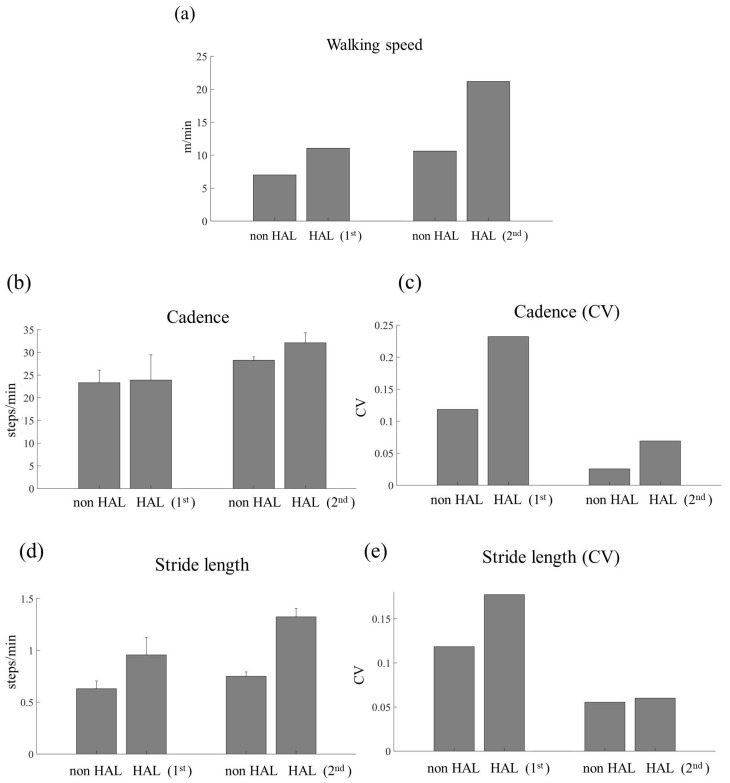 Figure 9
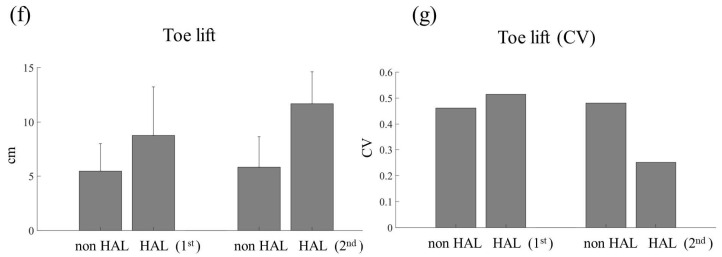 Figure 10
Peer Reviews
No public reviews on file for this paper yet. If you reviewed it on a platform where reviews are public (OpenReview, ICLR, NeurIPS, ICML), you can paste yours below so the community can read it here.
Videos
No videos yet. Explain this paper in a talk, walkthrough, or lecture? Add one.
Taxonomy
TopicsCerebral Palsy and Movement Disorders · Botulinum Toxin and Related Neurological Disorders · Stroke Rehabilitation and Recovery