Predicting Antibody Affinity Changes upon Mutation Based on Unbound Protein Structures
Zhengshan Chen, Song He, Xiangyang Chi, Xiaochen Bo

TL;DR
This paper introduces a method to predict how mutations affect antibody affinity using only unbound protein structures, which could speed up antibody drug development.
Contribution
The novel approach uses graph representations and a pre-trained encoder to predict affinity changes without needing antigen–antibody complex structures.
Findings
The method achieves superior or comparable accuracy on benchmark datasets compared to existing methods.
It successfully predicts mutation effects for antibodies against SARS-CoV-2, influenza, and human cytomegalovirus without complex structures.
The encoder can identify paratope residues and capture residue-level microenvironments effectively.
Abstract
Antibodies are key proteins in the immune system that can reversibly and non-covalently bind specifically to their corresponding antigens, forming antigen–antibody complexes. They play a crucial role in recognizing foreign or self-antigens during the adaptive immune response. Monoclonal antibodies have emerged as a promising class of biological macromolecule therapeutics with broad market prospects. In the process of antibody drug development, a key engineering challenge is to improve the affinity of candidate antibodies, without experimentally resolved structures of the antigen–antibody complexes as input for computer-aided predictive methods. In this work, we present an approach for predicting the effect of residue mutations on antibody affinity without the structures of the antigen–antibody complexes. The method involves the graph representation of proteins and utilizes a pre-trained…
Genes, proteins, chemicals, diseases, species, mutations and cell lines named across the full text — each resolved to its canonical identifier and authoritative record.
Click any figure to enlarge with its caption.
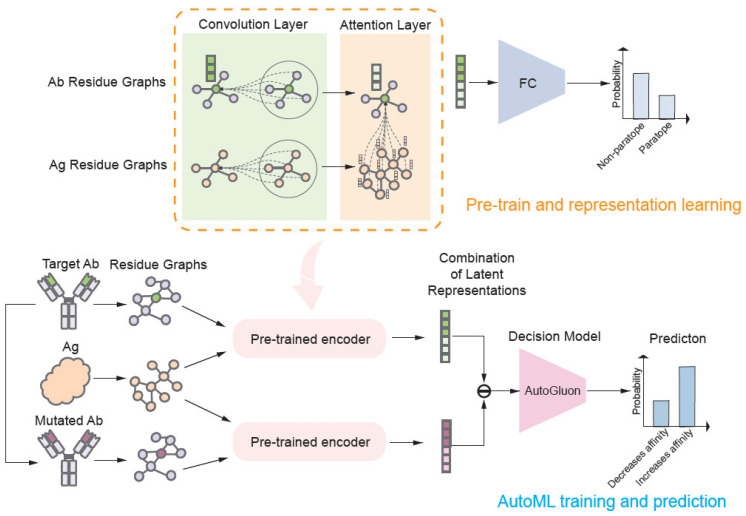 Figure 1
 Figure 2
 Figure 3
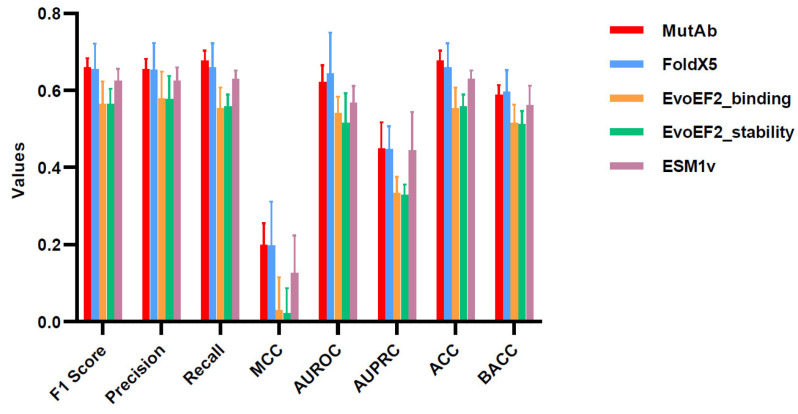 Figure 4
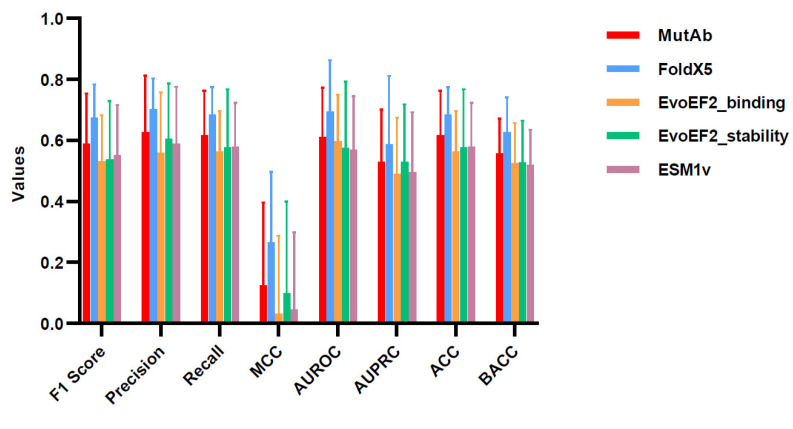 Figure 5
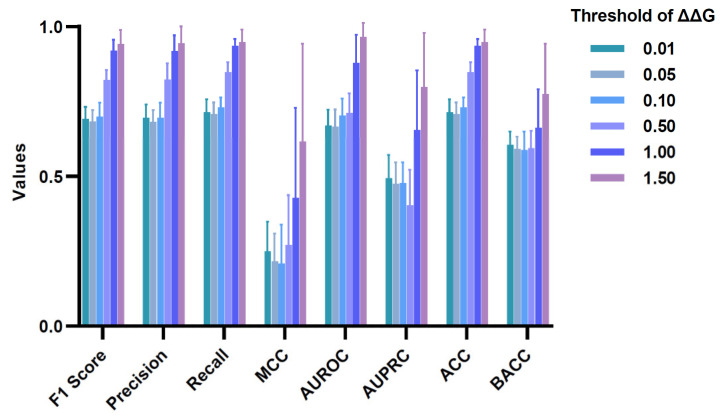 Figure 6
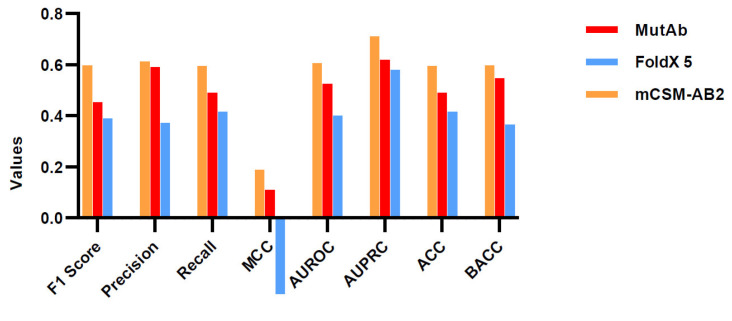 Figure 7
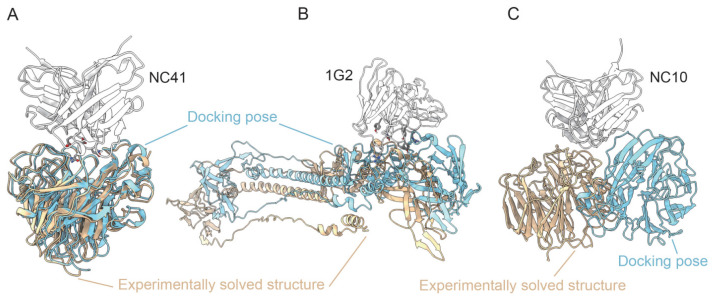 Figure 8
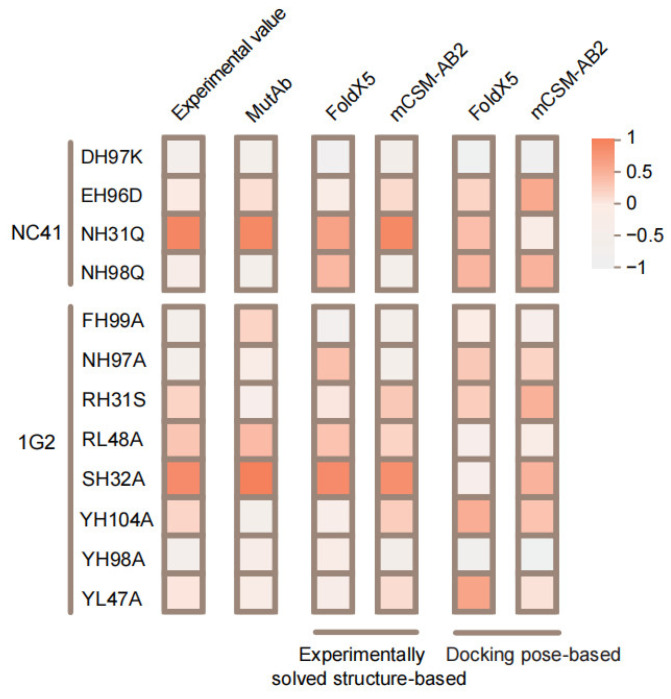 Figure 9
Peer Reviews
No public reviews on file for this paper yet. If you reviewed it on a platform where reviews are public (OpenReview, ICLR, NeurIPS, ICML), you can paste yours below so the community can read it here.
Videos
No videos yet. Explain this paper in a talk, walkthrough, or lecture? Add one.
Taxonomy
TopicsMonoclonal and Polyclonal Antibodies Research · RNA and protein synthesis mechanisms · Glycosylation and Glycoproteins Research