The Flavonoid Agathisflavone Attenuates Glia Activation After Mechanical Injury of Cortical Tissue and Negatively Regulates Both NRLP3 and IL-1β Expression
Verônica Moreira de Sousa, Áurea Maria Alves Nunes Almeida, Rafael Short Ferreira, Balbino Lino dos Santos, Victor Diogenes Amara da Silva, Jorge Mauricio David, Cleonice Creusa dos Santos, Silvia Lima Costa

TL;DR
Agathisflavone, a flavonoid from Poincianella pyramidalis, reduces glial scar formation and inflammation after brain injury in an ex vivo model.
Contribution
Agathisflavone is shown to negatively regulate NLRP3 and IL-1β expression and modulate glial activation after mechanical injury.
Findings
Agathisflavone reduced astrocyte reactivity and glial scar formation by modulating GFAP expression.
The flavonoid decreased microglial proportion and inhibited NLRP3 and IL-1β mRNA expression in injured cortical tissue.
These effects suggest agathisflavone has potential neuroprotective and anti-inflammatory properties for TBI treatment.
Abstract
Traumatic brain injury (TBI) has a complex and multifactorial pathology and is a major cause of death and disability for humans. Immediately after TBI, astrocytes and microglia react with complex morphological and functional changes known as reactive gliosis to form a glial scar in the area immediately adjacent to the lesion, which is the major barrier to neuronal regeneration. The flavonoid agathisflavone (bis-apigenin), present in Poincianella pyramidalis leaves, has been shown to have neuroprotective, neurogenic, and anti-inflammatory effects, demonstrated in vitro models of glutamate-induced toxicity, neuroinflammation, and demyelination. In this study, we evaluated the effect and mechanisms of agathisflavone in neuronal integrity and in the modulation of gliosis in an ex vivo model of TBI. For this, microdissections from the encephalon of Wistar rats (P6-8) were prepared and…
Genes, proteins, chemicals, diseases, species, mutations and cell lines named across the full text — each resolved to its canonical identifier and authoritative record.
Click any figure to enlarge with its caption.
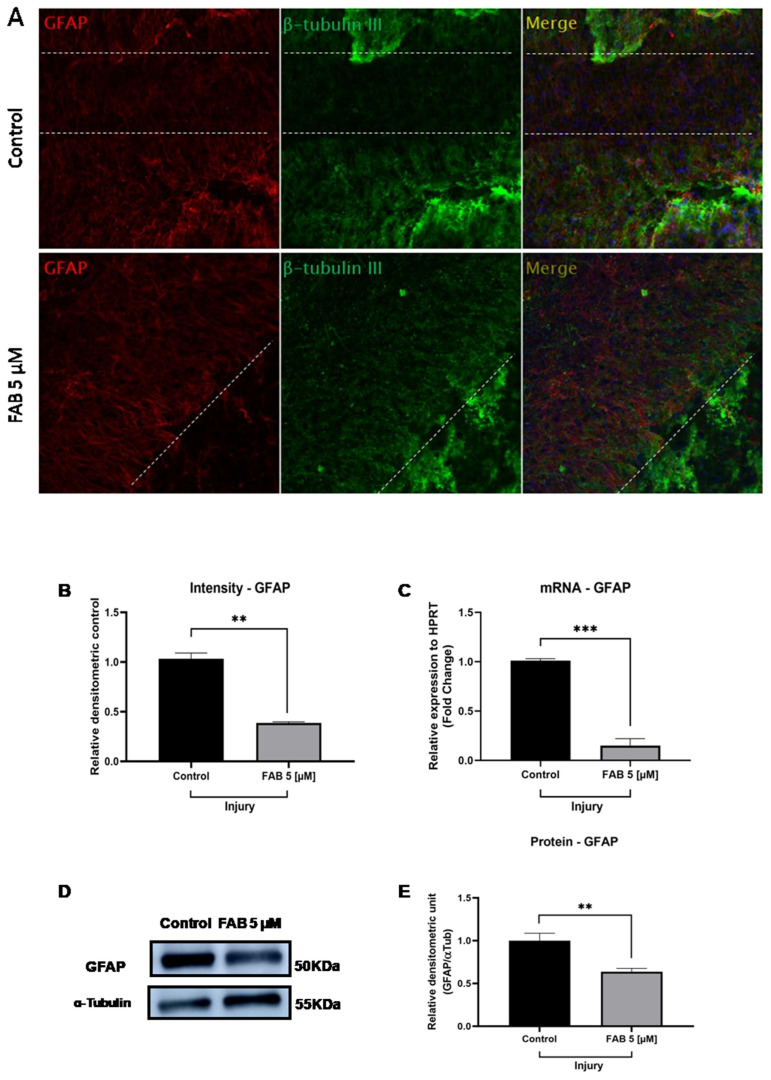 Figure 1
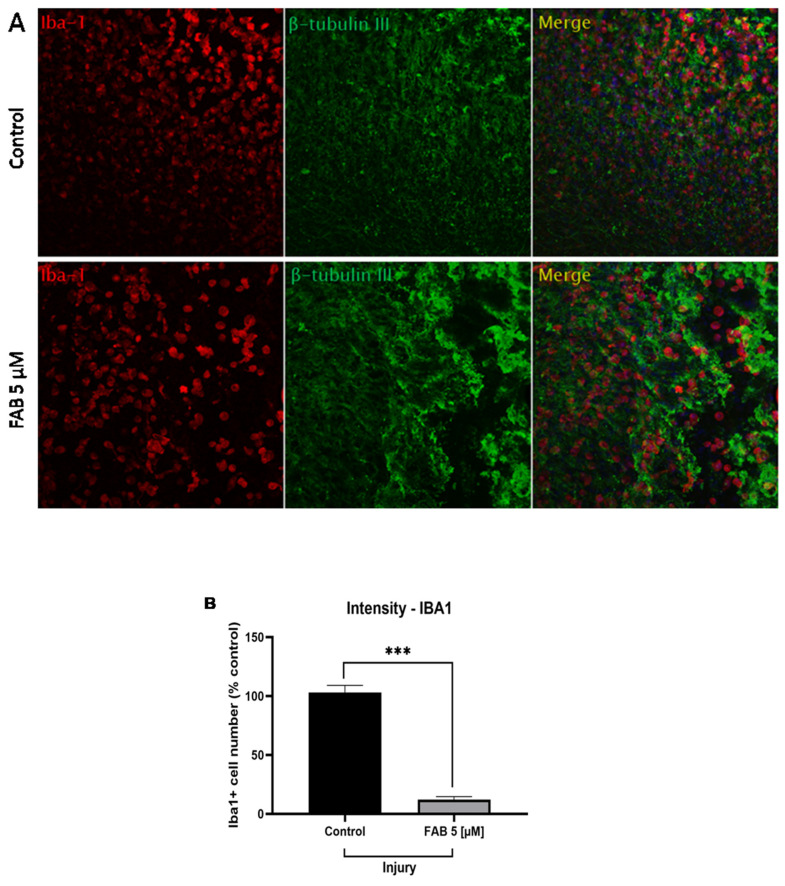 Figure 2
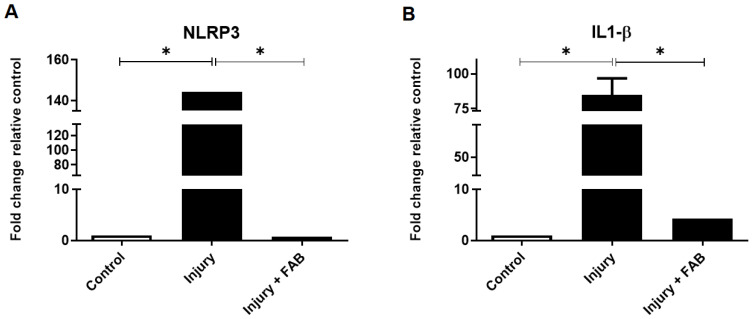 Figure 3
Peer Reviews
No public reviews on file for this paper yet. If you reviewed it on a platform where reviews are public (OpenReview, ICLR, NeurIPS, ICML), you can paste yours below so the community can read it here.
Videos
No videos yet. Explain this paper in a talk, walkthrough, or lecture? Add one.
Taxonomy
TopicsNeuroinflammation and Neurodegeneration Mechanisms · Natural product bioactivities and synthesis · Phytochemistry and Biological Activities