Cost-Effective, Ester-Based Molecular Doping in Silicon
Anup Shrivastava, Jost Adam, Rosaria A. Puglisi

TL;DR
This paper introduces a cost-effective and environmentally friendly method for doping silicon using ester-based molecules, showing its potential for solar cell fabrication.
Contribution
The study demonstrates a new ester-based molecular doping technique for silicon with a protective layer's effect on solar cell performance.
Findings
The ester-based molecular doping method is simple, cost-effective, and avoids structural damage.
The technique successfully creates junctions and is feasible for solar cell prototypes.
The protective layer's presence significantly affects the electrical properties of the solar cells.
Abstract
When fabricating Si-based devices, many process steps require the use of expensive, high-power consumption, environmentally unfriendly, operator-unsafe machines, and processes. Among the many involved process steps, the ones needed to fabricate the metallurgical junction make use of conventional doping methods, which do not always represent optimal solutions. The high costs of the processing equipment and the use of hazardous materials, not to count the structural damage produced, intrinsically limit future developments towards nm-scaled and low cost approaches. Recently a chemistry-based method has been proposed to form the junction on Si, the so-called molecular doping. In this approach, the samples to be doped are subjected to a silylation process, during which a layer of dopant-containing molecules is deposited in a liquid bath kept at boiling temperature. After the coating, the…
Click any figure to enlarge with its caption.
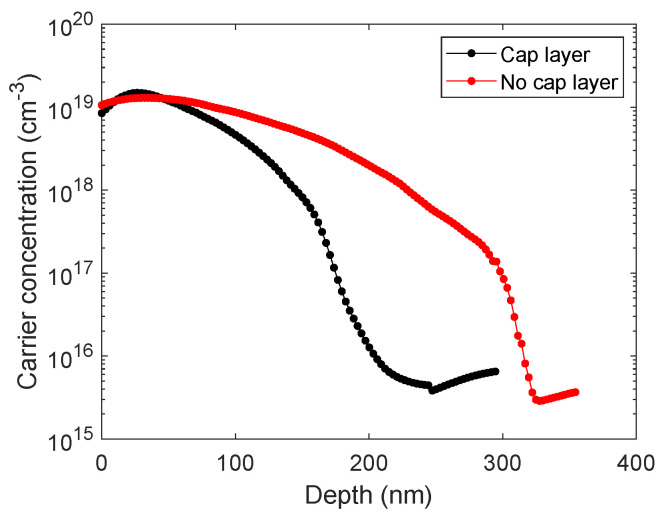 Figure 1
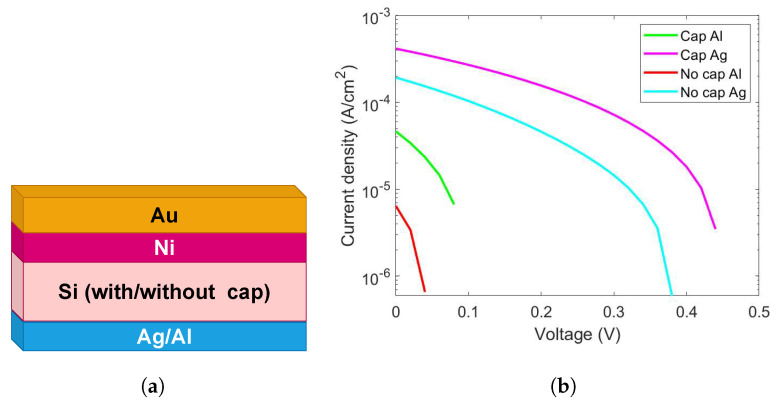 Figure 2
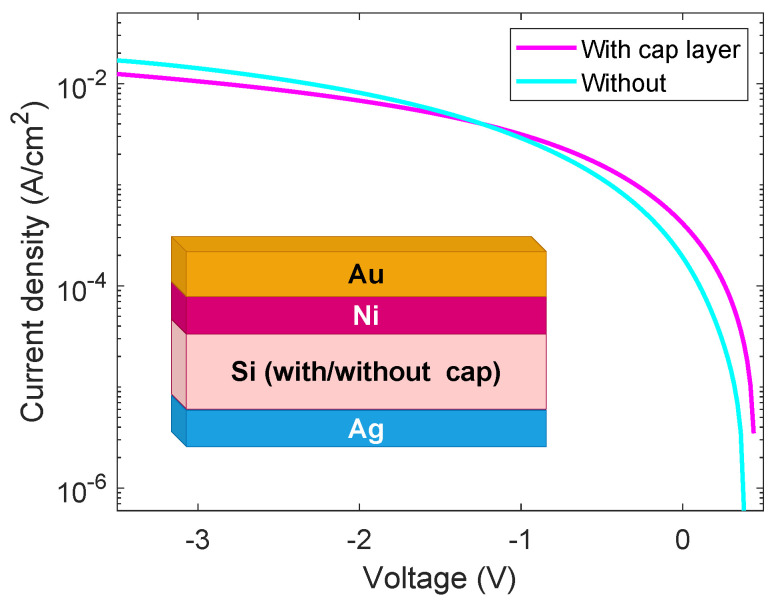 Figure 3
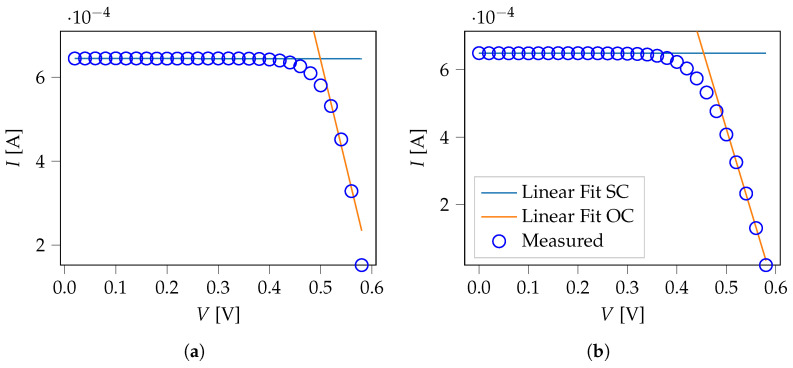 Figure 4
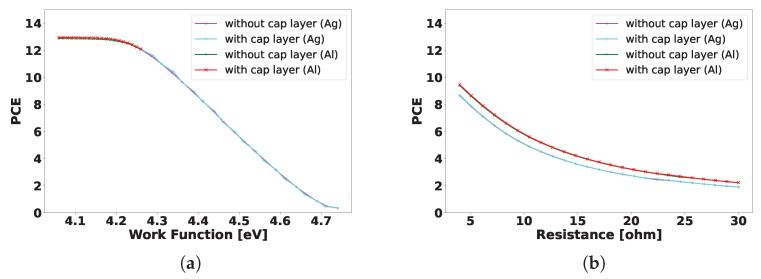 Figure 5
Peer Reviews
No public reviews on file for this paper yet. If you reviewed it on a platform where reviews are public (OpenReview, ICLR, NeurIPS, ICML), you can paste yours below so the community can read it here.
Videos
No videos yet. Explain this paper in a talk, walkthrough, or lecture? Add one.
Taxonomy
TopicsSilicon and Solar Cell Technologies · Nanowire Synthesis and Applications · Thin-Film Transistor Technologies