Analysis of Protein Inhibitors of Trypsin in Quinoa, Amaranth and Lupine Seeds. Selection and Deep Structure–Function Characterization of the Amaranthus caudatus Species
Martha Hernández de la Torre, Giovanni Covaleda-Cortés, Laura Montesinos, Daniela Covaleda, Juan C. Ortiz, Jaume Piñol, José M. Bautista, J. Patricio Castillo, David Reverter, Francesc Xavier Avilés

TL;DR
This study identifies a potent trypsin inhibitor in amaranth seeds, characterizes its structure, and explores its potential for agricultural and biotechnological applications.
Contribution
The study presents a novel trypsin inhibitor from amaranth with a resolved 3D structure and evaluates its functional role.
Findings
Amaranth seeds contain a highly active trypsin inhibitor with a molecular weight of 7889.1 Da and a Ki of 1.2 nM.
The inhibitor's 3D structure reveals a substrate-like interaction and a key disulfide bond constraining its binding loop.
The inhibitor does not affect microbial pathogens but may serve as an agricultural insect deterrent.
Abstract
Protease inhibitors are biomolecules with growing biotechnological and biomedical relevance, including those derived from plants. This study investigated strong trypsin inhibitors in quinoa, amaranth, and lupine seeds, plant grains traditionally used in Andean South America. Amaranth seeds displayed the highest trypsin inhibitory activity, despite having the lowest content of aqueous soluble and thermostable protein material. This activity, directly identified by enzymatic assay, HPLC, intensity-fading mass spectrometry (IF-MS), and MS/MS, was attributed to a single protein of 7889.1 Da, identified as identical in Amaranthus caudatus and A. hybridus, with a Ki of 1.2 nM for the canonical bovine trypsin. This form of the inhibitor, which is highly homogeneous and scalable, was selected, purified, and structurally–functionally characterized due to the high nutritional quality of amaranth…
Genes, proteins, chemicals, diseases, species, mutations and cell lines named across the full text — each resolved to its canonical identifier and authoritative record.
Click any figure to enlarge with its caption.
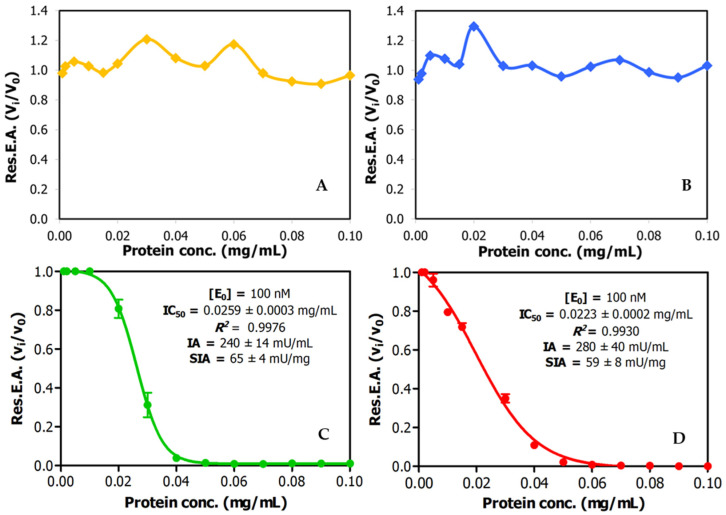 Figure 1
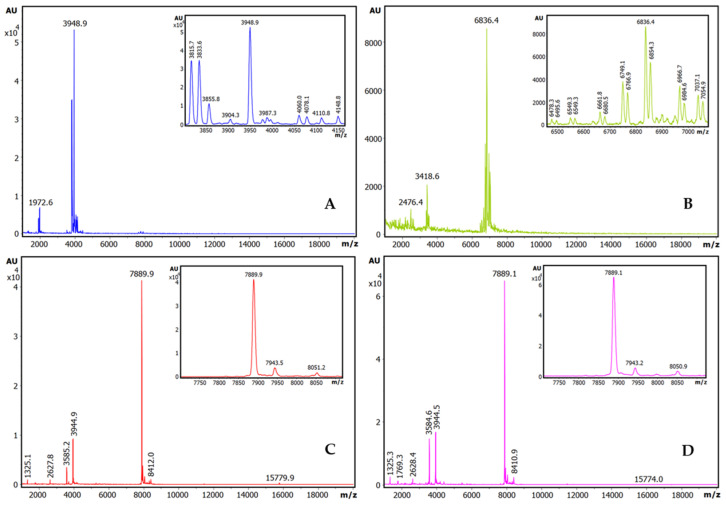 Figure 2
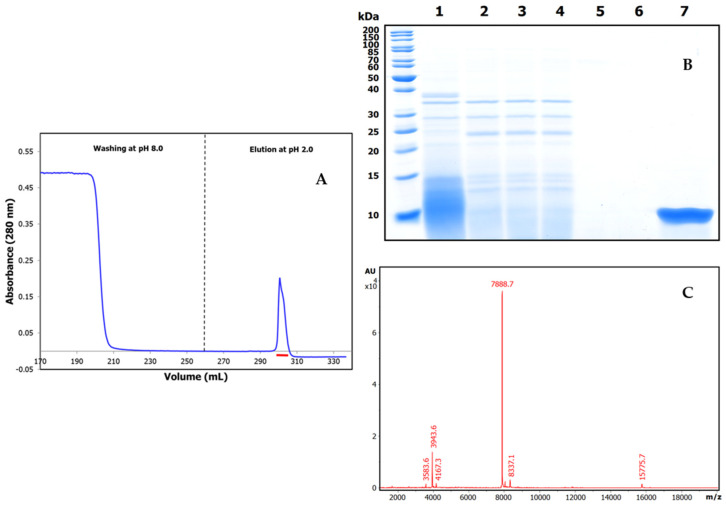 Figure 3
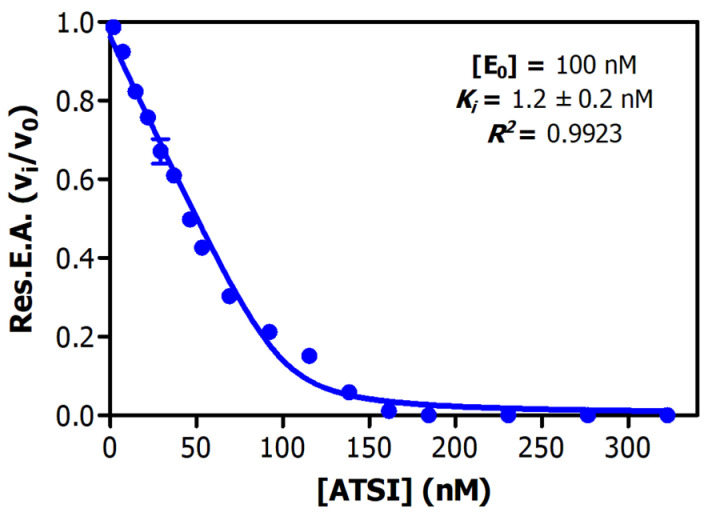 Figure 4
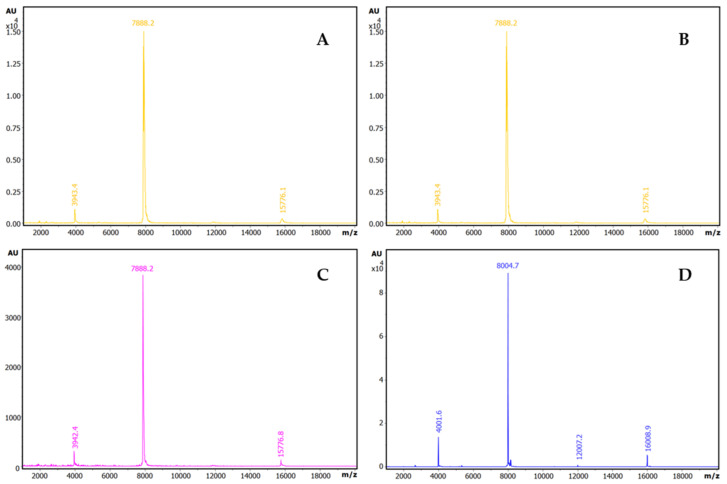 Figure 5
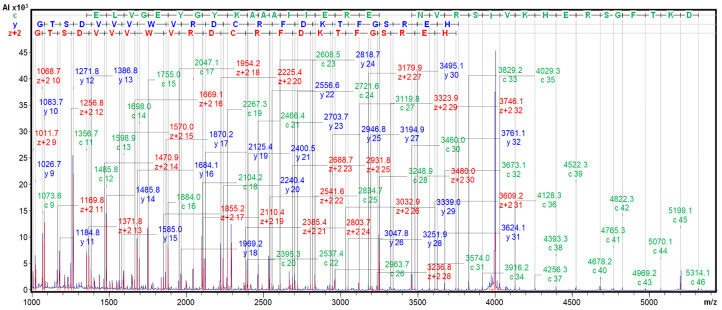 Figure 6
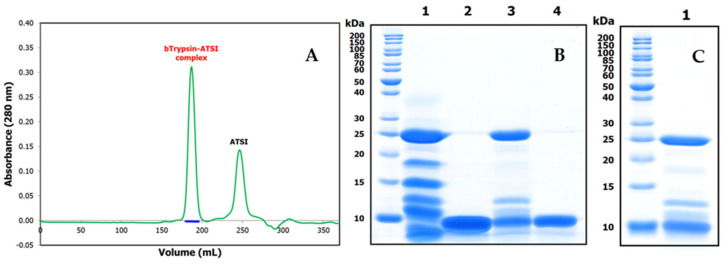 Figure 7
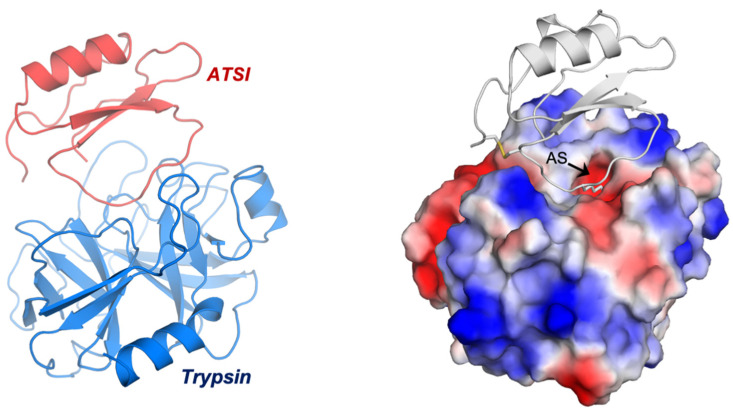 Figure 8
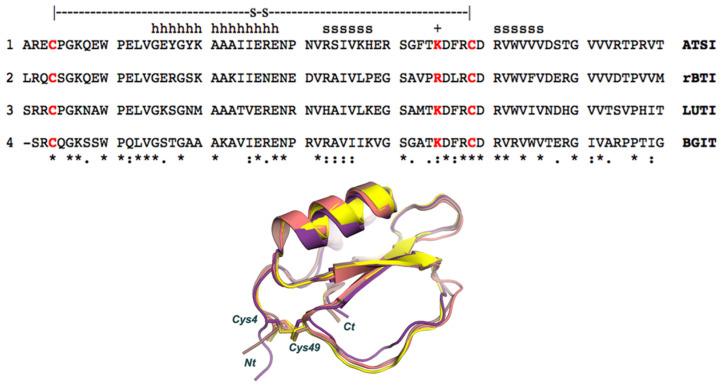 Figure 9
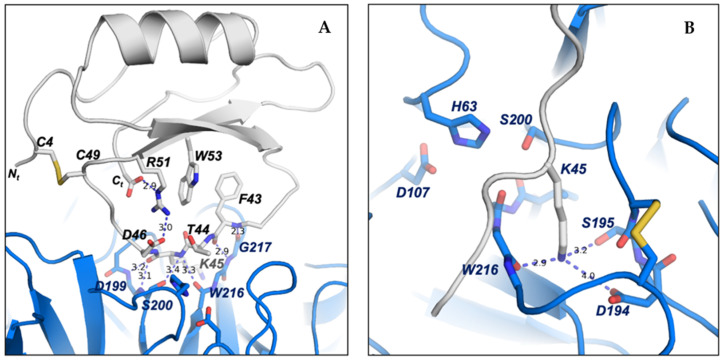 Figure 10
Peer Reviews
No public reviews on file for this paper yet. If you reviewed it on a platform where reviews are public (OpenReview, ICLR, NeurIPS, ICML), you can paste yours below so the community can read it here.
Videos
No videos yet. Explain this paper in a talk, walkthrough, or lecture? Add one.
Taxonomy
TopicsInsect Resistance and Genetics · Insect and Pesticide Research · Insect Pest Control Strategies