Molecular Characterization of Anion Exchanger 2 in Litopenaeus vannamei and Its Role in Nitrite Stress
Xuenan Li, Xilin Dai

TL;DR
This study explores the AE2 gene in shrimp and its role in handling nitrite stress, revealing its importance in maintaining pH balance and reducing nitrite toxicity.
Contribution
The study identifies AE2's role in nitrite regulation and its interaction with NKCC1 in shrimp, offering new insights into mitigating nitrite toxicity.
Findings
AE2 gene in shrimp encodes 1293 amino acids with Band3 and HCO3− domains.
AE2 silencing increased shrimp survival and reduced hemolymph nitrite levels.
AE2 and NKCC1 jointly regulate nitrite entry through gill tissue.
Abstract
Anion exchanger 2 (AE2) mediates the Cl−/HCO3− transmembrane exchange process and regulates intracellular pH homeostasis. In this study, the AE2 gene (GenBank: PQ073349) was cloned and characterized from Litopenaeus vannamei using the rapid amplification of cDNA ends (RACE) technique. Employing bioinformatics, real-time fluorescence quantitative PCR, and RNA interference, we explored the gene’s sequence characteristics, tissue distribution, and the effects of nitrite on shrimp survival, physiology, and tissue damage following gene silencing. The results showed that AE2 cDNA was 5134 bp in length, encoding 1293 amino acids, which includes both the Band3 and HCO3− structural domains. AE2 was expressed in all tissues, with the highest expression in muscle. After silencing AE2, shrimp survival increased and hemolymph nitrite levels decreased. Notably, the oxidative stress enzyme system was…
Genes, proteins, chemicals, diseases, species, mutations and cell lines named across the full text — each resolved to its canonical identifier and authoritative record.
Click any figure to enlarge with its caption.
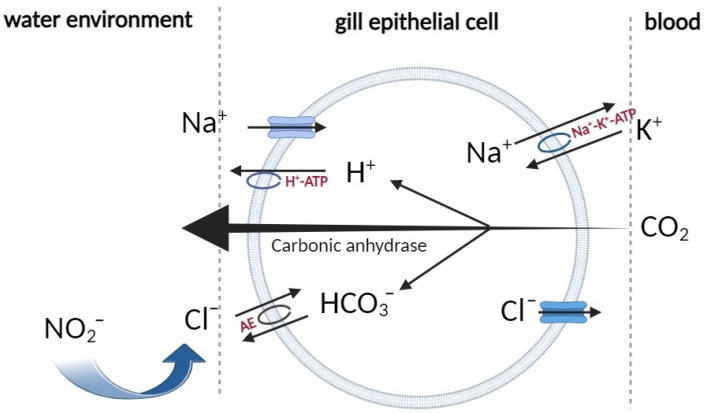 Figure 1
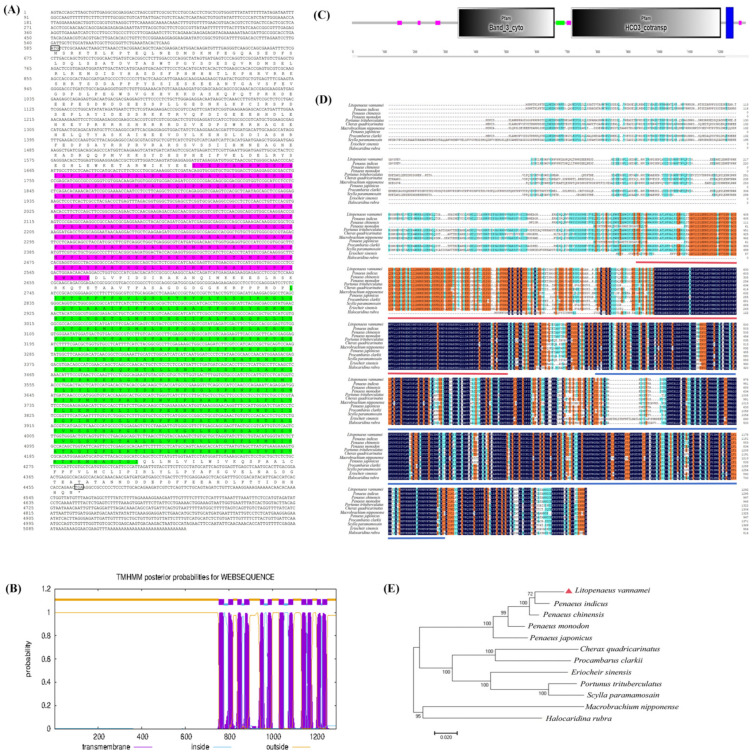 Figure 2
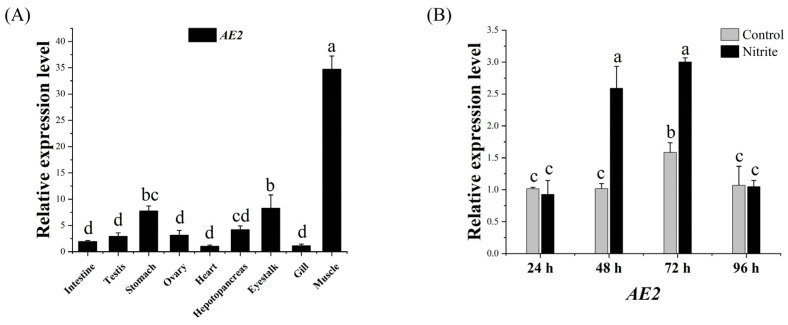 Figure 3
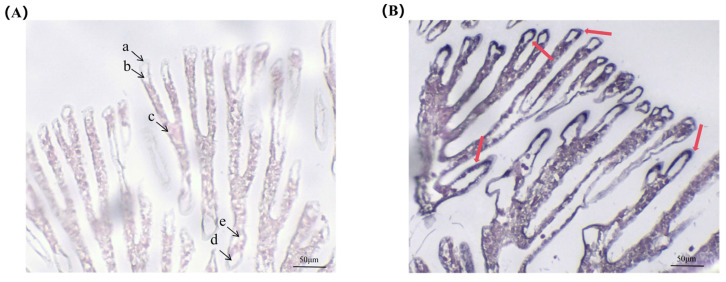 Figure 4
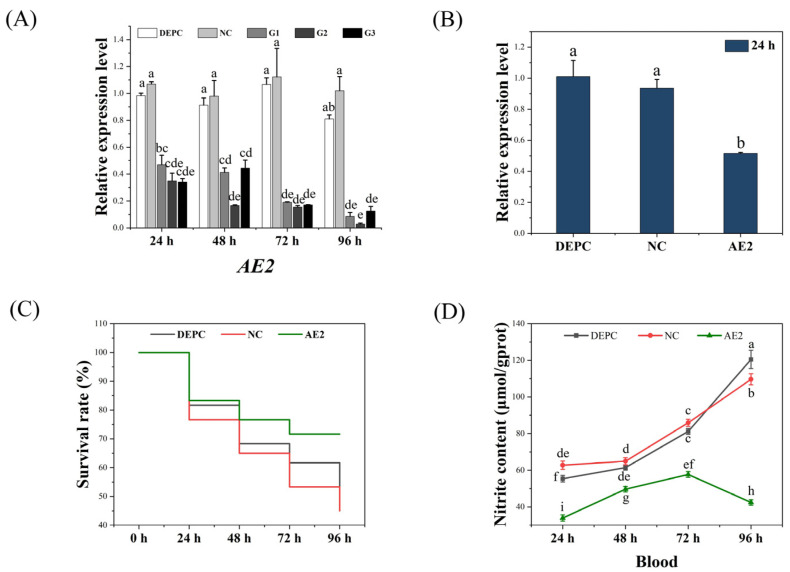 Figure 5
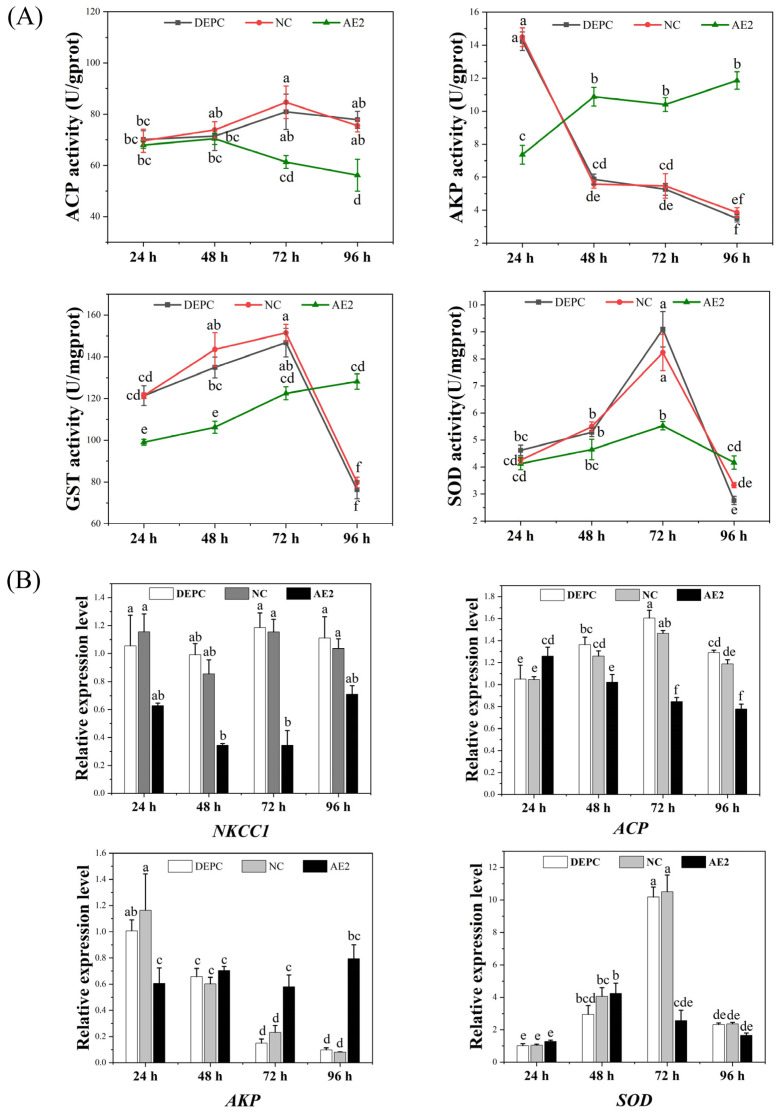 Figure 6
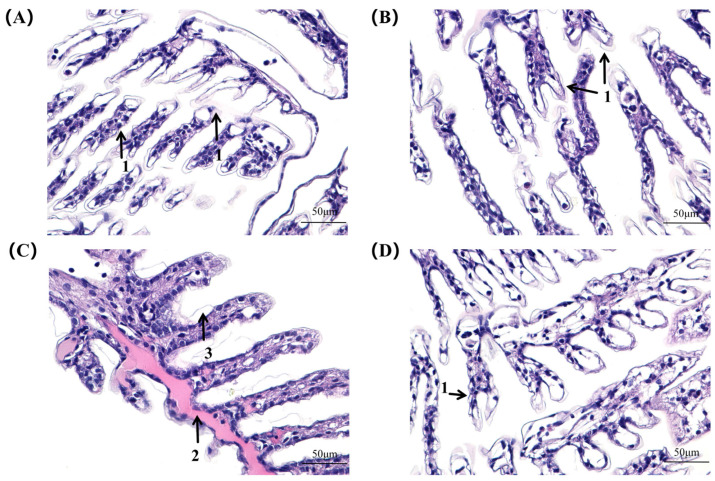 Figure 7
Peer Reviews
No public reviews on file for this paper yet. If you reviewed it on a platform where reviews are public (OpenReview, ICLR, NeurIPS, ICML), you can paste yours below so the community can read it here.
Videos
No videos yet. Explain this paper in a talk, walkthrough, or lecture? Add one.
Taxonomy
TopicsPhysiological and biochemical adaptations · Aquaculture Nutrition and Growth · Aquaculture disease management and microbiota