Management of Choledocholithiasis After a Gastric Bypass Surgery: A Case Report
Mohamed A Ahmed, Rasha Saeed, Nathaniel Wolf, Stylianos Tsintzilonis, Danya Auda

TL;DR
This case report discusses managing gallstones in a patient who had gastric bypass surgery using a minimally invasive technique.
Contribution
The report presents a successful case of choledocholithiasis management using percutaneous transhepatic stone advancement after gastric bypass.
Findings
Percutaneous transhepatic stone advancement was successfully used to treat choledocholithiasis after gastric bypass.
The case highlights the feasibility of a minimally invasive approach for this complex condition.
Treatment options should follow a progression from least to most invasive.
Abstract
Alteration of the anatomy following Roux-en-Y gastric bypass (RYGB) poses a significant challenge in choledocholithiasis management in patients who have undergone this operation. Many options exist, including endoscopic, surgical, percutaneous, or hybrid means with variable success rates. Treatment should progress from least to most invasive options. We present a case of choledocholithiasis two years following gastric bypass managed with percutaneous transhepatic stone advancement to the duodenum. The aim is to highlight different options for dealing with this pathology.
Genes, proteins, chemicals, diseases, species, mutations and cell lines named across the full text — each resolved to its canonical identifier and authoritative record.
Click any figure to enlarge with its caption.
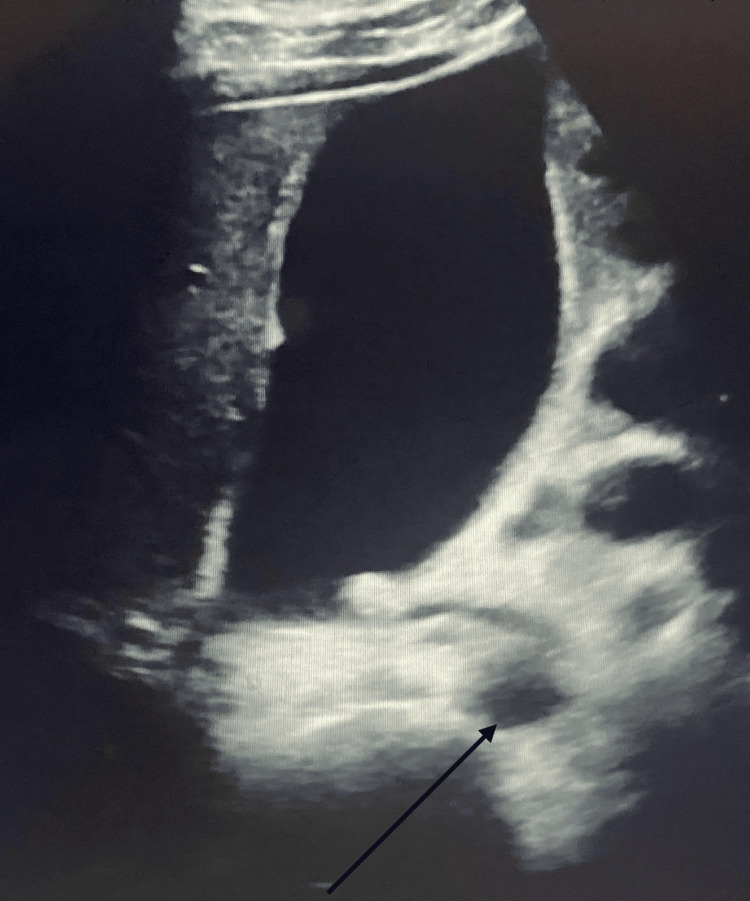 Figure 1
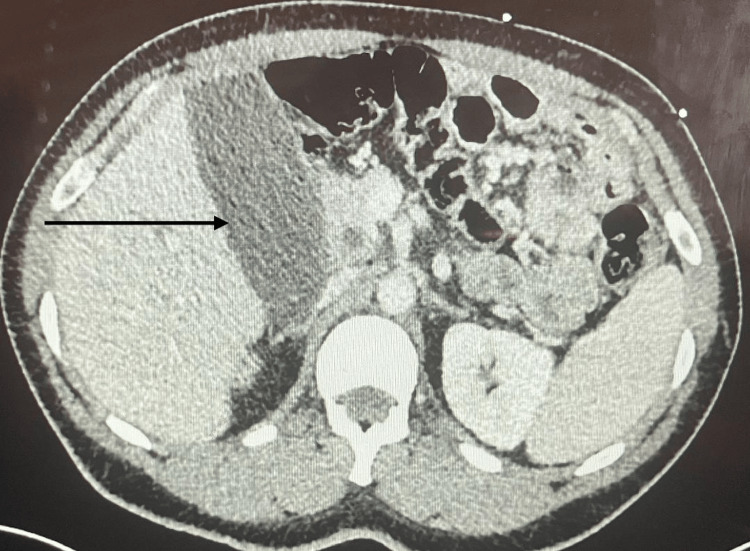 Figure 2
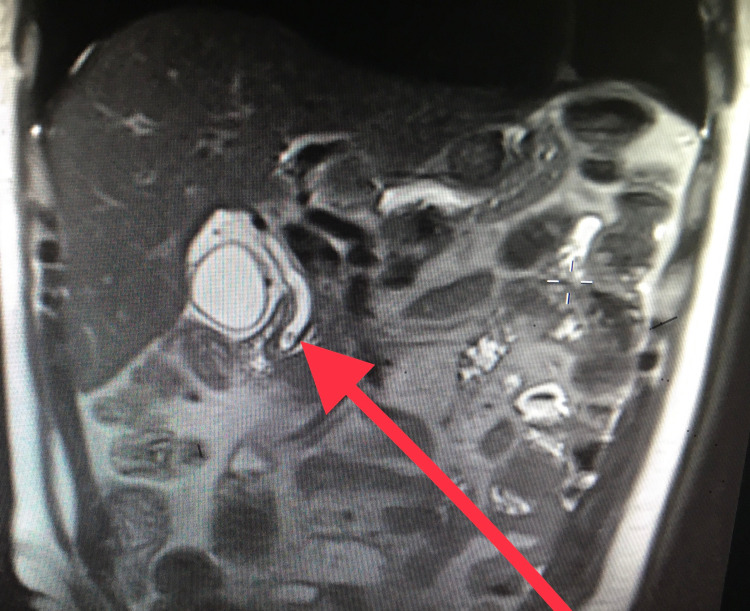 Figure 3
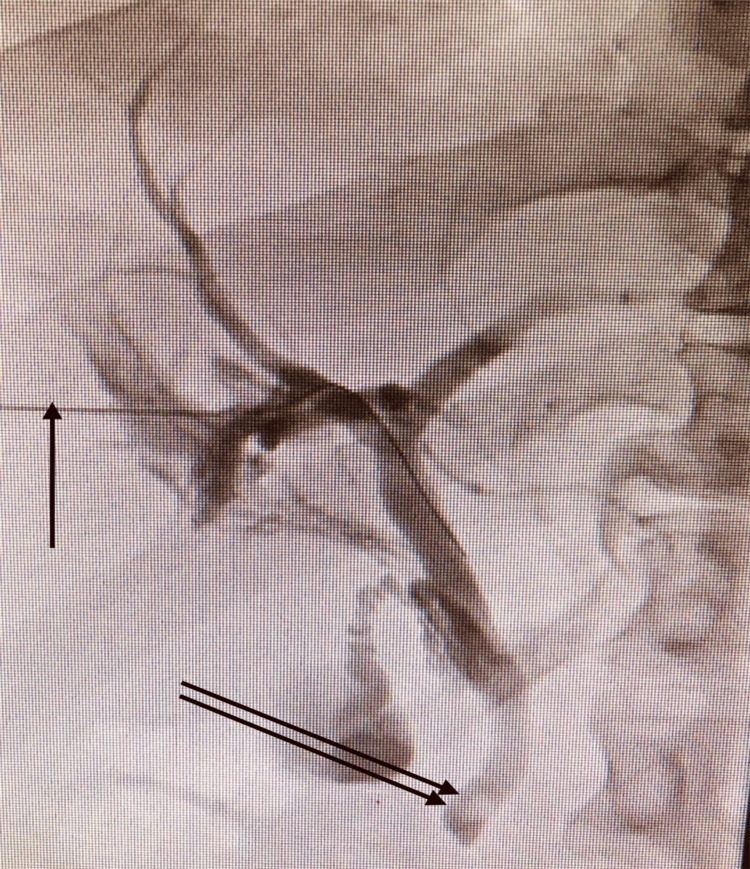 Figure 4
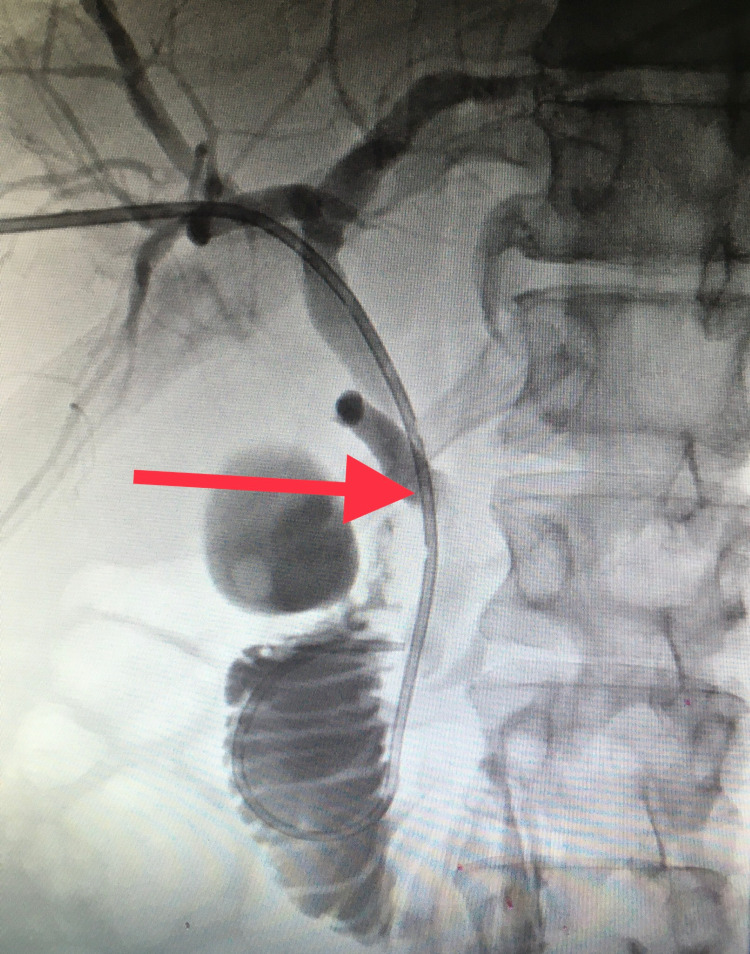 Figure 5
Peer Reviews
No public reviews on file for this paper yet. If you reviewed it on a platform where reviews are public (OpenReview, ICLR, NeurIPS, ICML), you can paste yours below so the community can read it here.
Videos
No videos yet. Explain this paper in a talk, walkthrough, or lecture? Add one.
Taxonomy
TopicsGallbladder and Bile Duct Disorders · Esophageal and GI Pathology · Biliary and Gastrointestinal Fistulas