The intestinal microbial community and function of Riptortus pedestris at different developmental stages and its effects on development
Yanbin Wang, Rong Li, Chunjing Wang, Ting Sun, Hongjuan Zhang, Fang Zhao, Jiehui Liu, Yuqiong Hao, Xiansheng Xie

TL;DR
This study explores how the gut microbiota of a harmful insect pest changes during its development and how it affects the insect's growth and survival.
Contribution
The study is the first to systematically analyze gut microbiota across developmental stages of Riptortus pedestris and identify key bacteria affecting development.
Findings
Enterococcus and Caballerronia are predominant bacteria during Riptortus pedestris development.
Burkholderia bacteria are crucial for nymph development, as their elimination shortened lifespan and disrupted molting.
Microbial diversity and metabolic pathways, including carbohydrate metabolism and antibiotic resistance, vary significantly across developmental stages.
Abstract
Riptortus pedestris is a destructive pest that threatens multiple leguminous crops in China. The intestinal microbiota plays a crucial role in the growth and reproduction of host insects. However, the composition and function of the gut microbiota at different developmental stages remain unclear. Here, metagenomic sequencing was performed to clarify the gut microbial diversity and function in 2nd-, 3rd-, 4th-, and 5th- instar nymphs (2 N–5 N) and female adults (FAs) of R. pedestris and the effects of vital gut bacteria on development was detected. The gut bacteria have the stage specificity, indicating their function in the development of R. pedestris. Enterococcus and Caballerronia were the predominant bacteria present during the development of the 2 N–FAs. In addition, the microbial abundances in the 3 N and 4 N guts were significantly greater than those in the others guts.…
Genes, proteins, chemicals, diseases, species, mutations and cell lines named across the full text — each resolved to its canonical identifier and authoritative record.
Click any figure to enlarge with its caption.
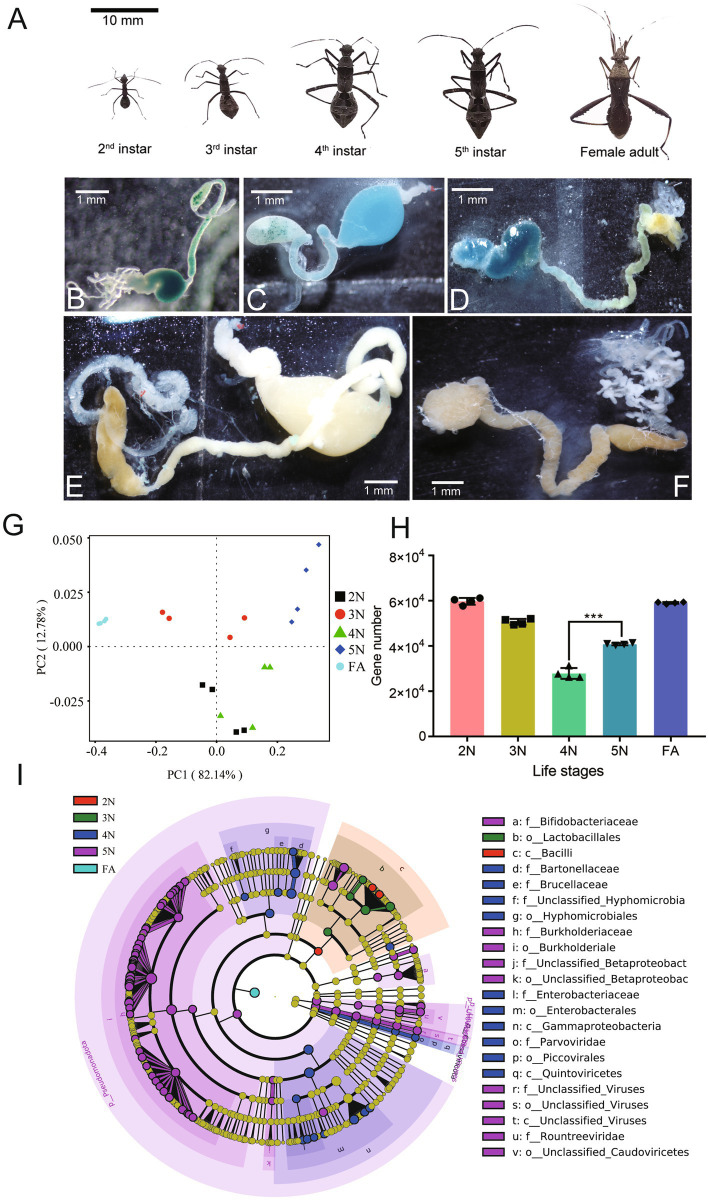 Figure 1
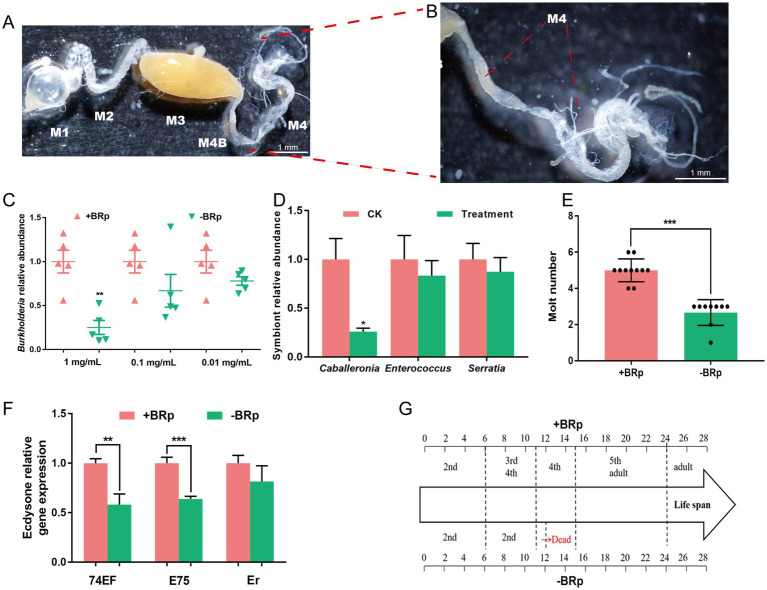 Figure 2
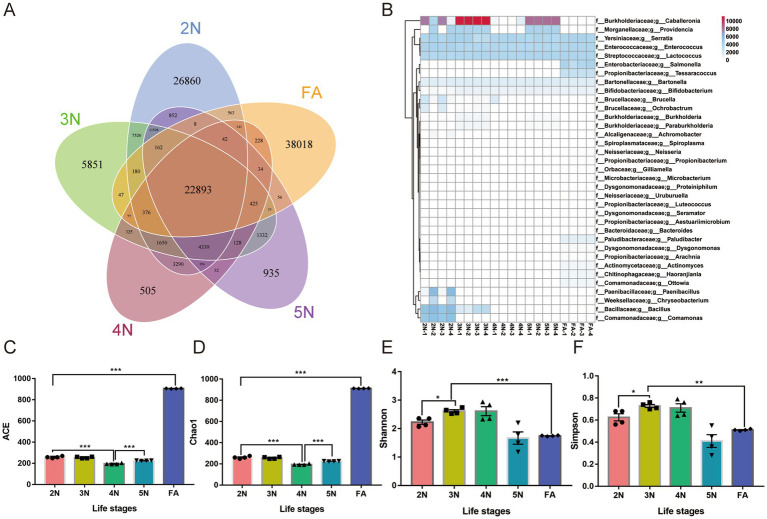 Figure 3
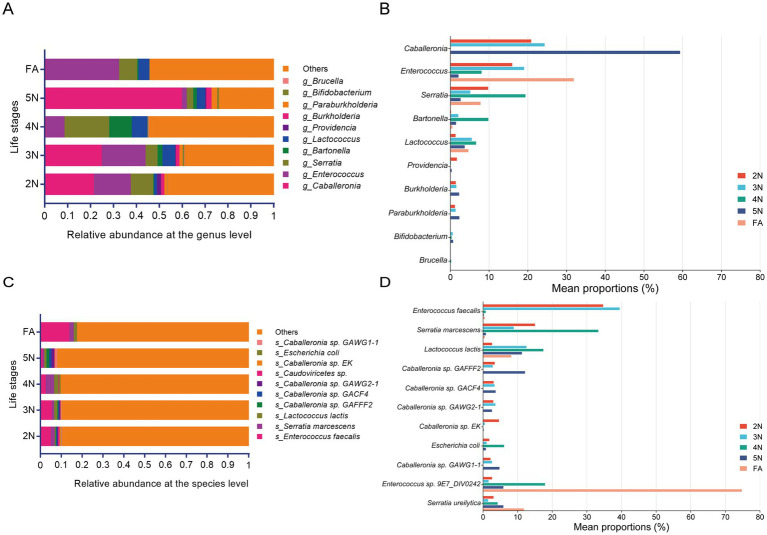 Figure 4
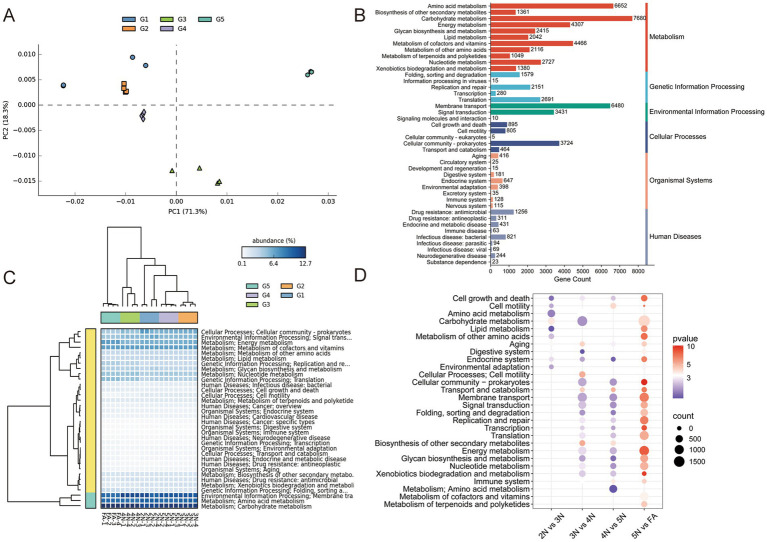 Figure 5
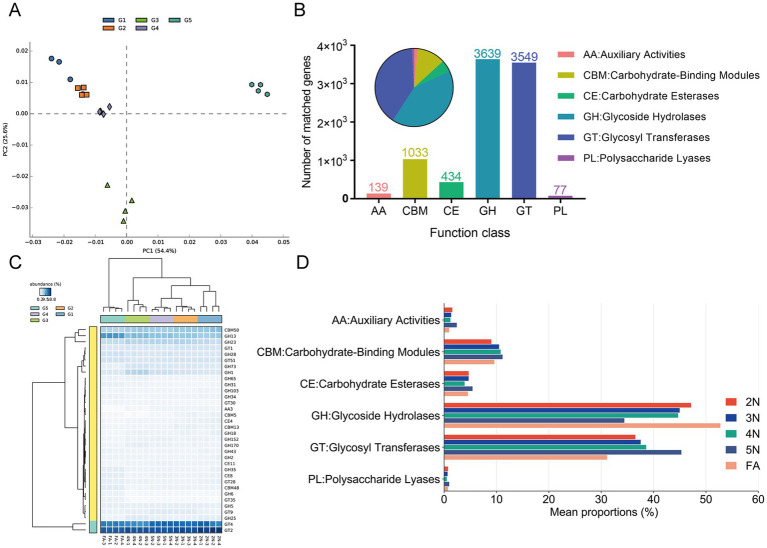 Figure 6
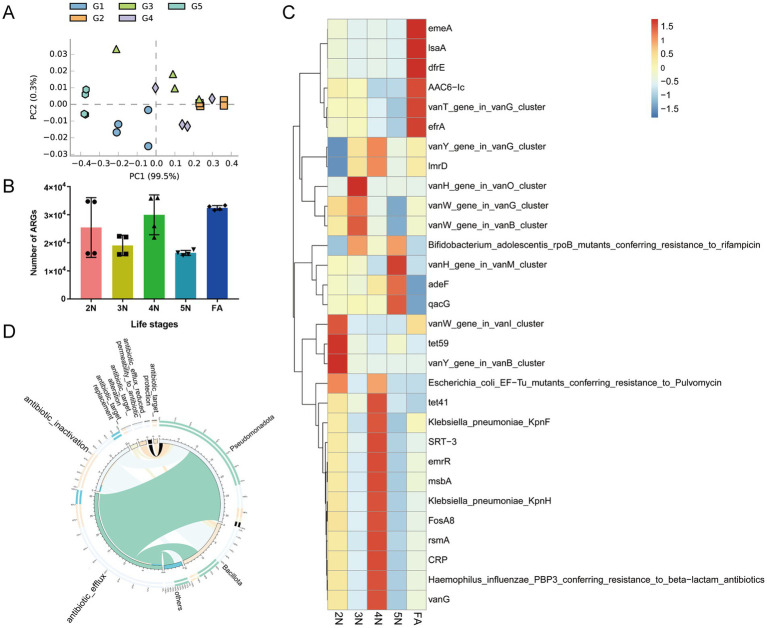 Figure 7
Peer Reviews
No public reviews on file for this paper yet. If you reviewed it on a platform where reviews are public (OpenReview, ICLR, NeurIPS, ICML), you can paste yours below so the community can read it here.
Videos
No videos yet. Explain this paper in a talk, walkthrough, or lecture? Add one.
Taxonomy
TopicsInsect symbiosis and bacterial influences · Insect Utilization and Effects · Entomopathogenic Microorganisms in Pest Control