Transcriptomic and biochemical insights into key gene networks driving bulbil development of Pinellia ternata (Thunb.) Breit
Xiwei Jia, Xijia Jiu, Yuan Liu, Chao Guo, Dong Liu, Xin Zhao, Honggang Chen, Tao Du, Arun Kumar Shanker, Arun Kumar Shanker, Arun Kumar Shanker, Arun Kumar Shanker

TL;DR
This study investigates the gene networks and biochemical processes involved in the development of bulbils in Pinellia ternata, identifying key stages and molecules.
Contribution
The study provides new insights into the molecular mechanisms and gene networks driving bulbil development in a non-model plant species.
Findings
ZY_2 and ZY_4 stages are critical for sucrose and starch accumulation in bulbils.
JA plays a significant role throughout bulbil development, potentially enhancing environmental adaptability.
Four core transcripts were identified as key regulators in bulbil development using WGCNA.
Abstract
In this study, we explored the developmental characteristics of Pinellia ternate bulbils as well as the key gene networks driving the development of bulbils. Based on physiological and biochemical reactions as well as transcriptome technology, this study determined the content of endogenous metabolites and related enzyme activities during the five growth stages of the bulbils, obtained the transcriptome information of all samples. The results showed that the contents of sucrose and starch increased significantly in the ZY_2 and ZY_4 stages, and the changes in the activities of SPS, SuSy, and SS were basically consistent with the changing characteristics of sucrose and starch content. The contents of ABA and JA generally showed an increasing trend from ZY_1 to ZY_4, while the content of IAA was significantly higher only in ZY_1 and ZY_4 stages compared to other stages. In order to get…
Genes, proteins, chemicals, diseases, species, mutations and cell lines named across the full text — each resolved to its canonical identifier and authoritative record.
Click any figure to enlarge with its caption.
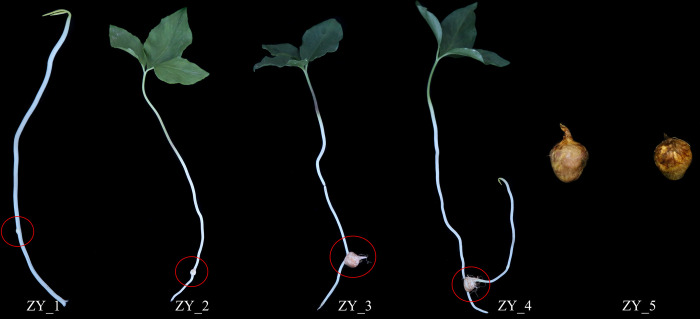 Figure 1
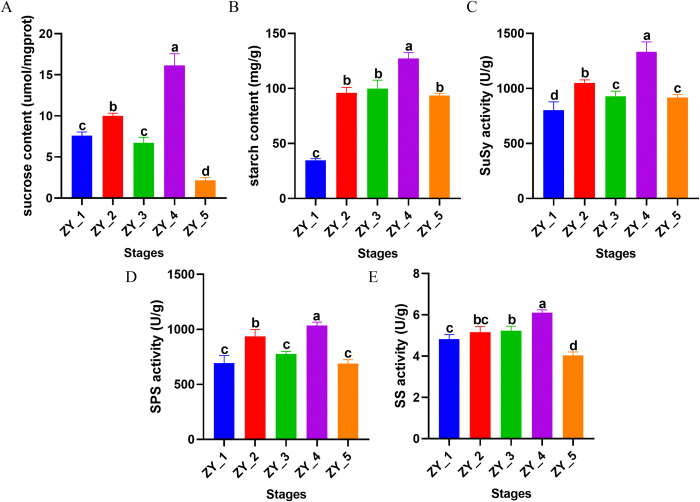 Figure 2
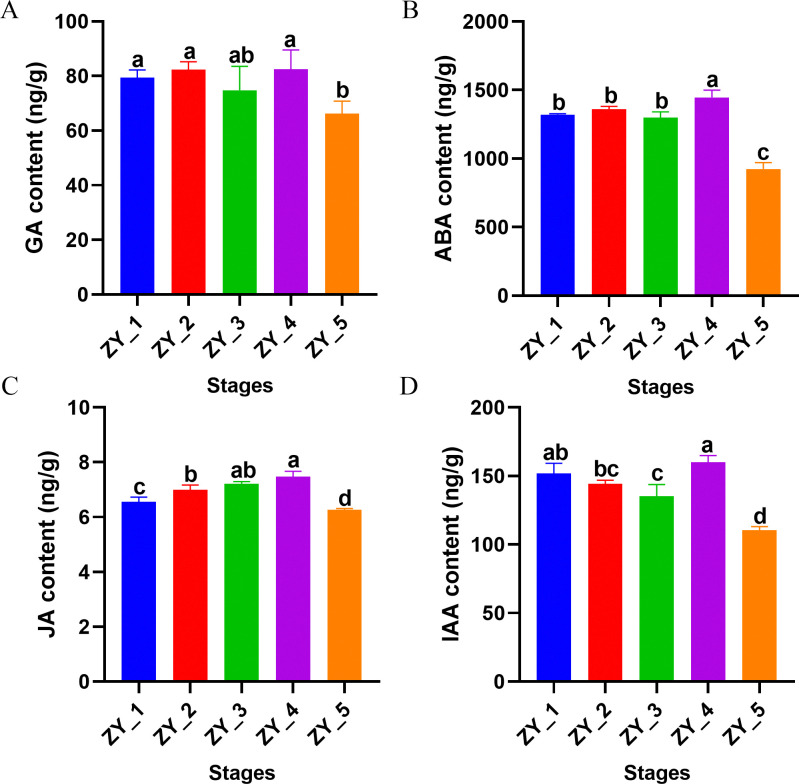 Figure 3
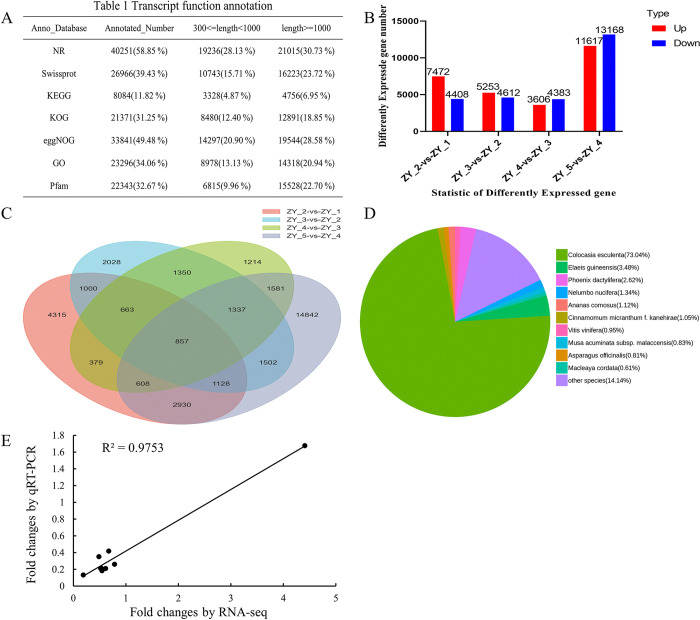 Figure 4
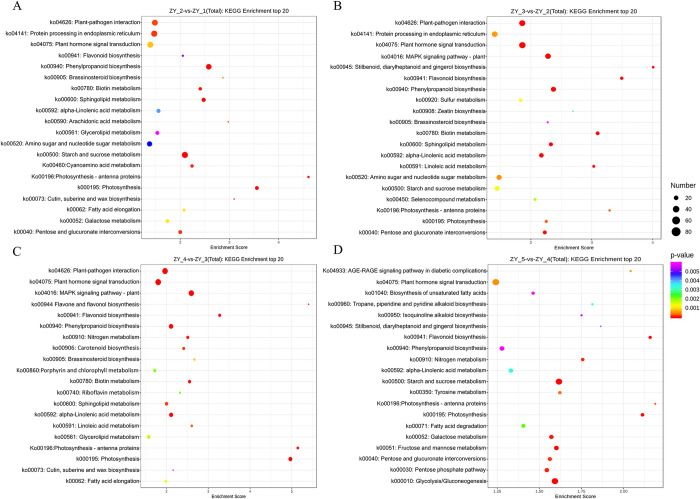 Figure 5
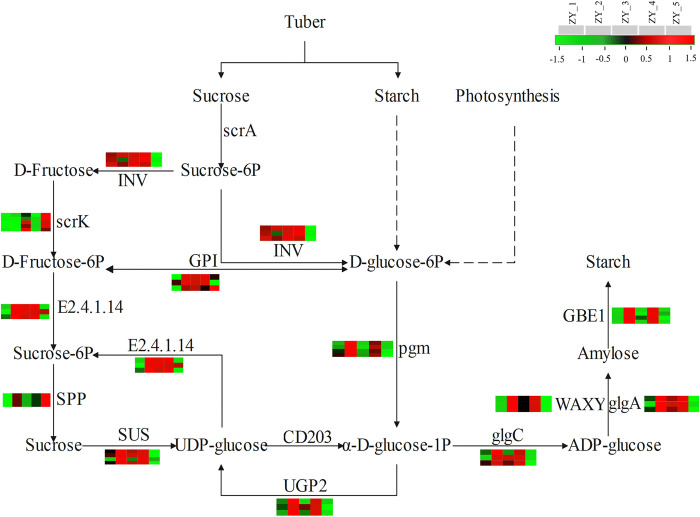 Figure 6
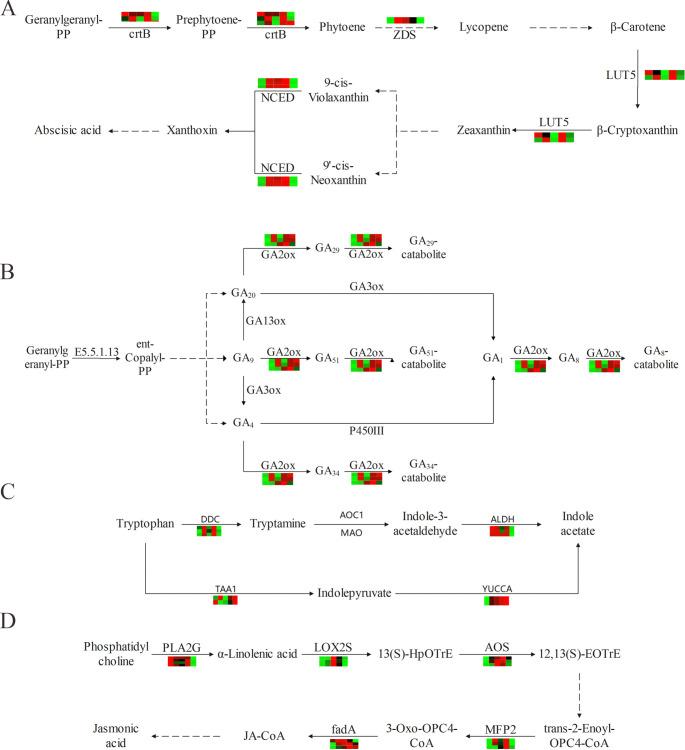 Figure 7
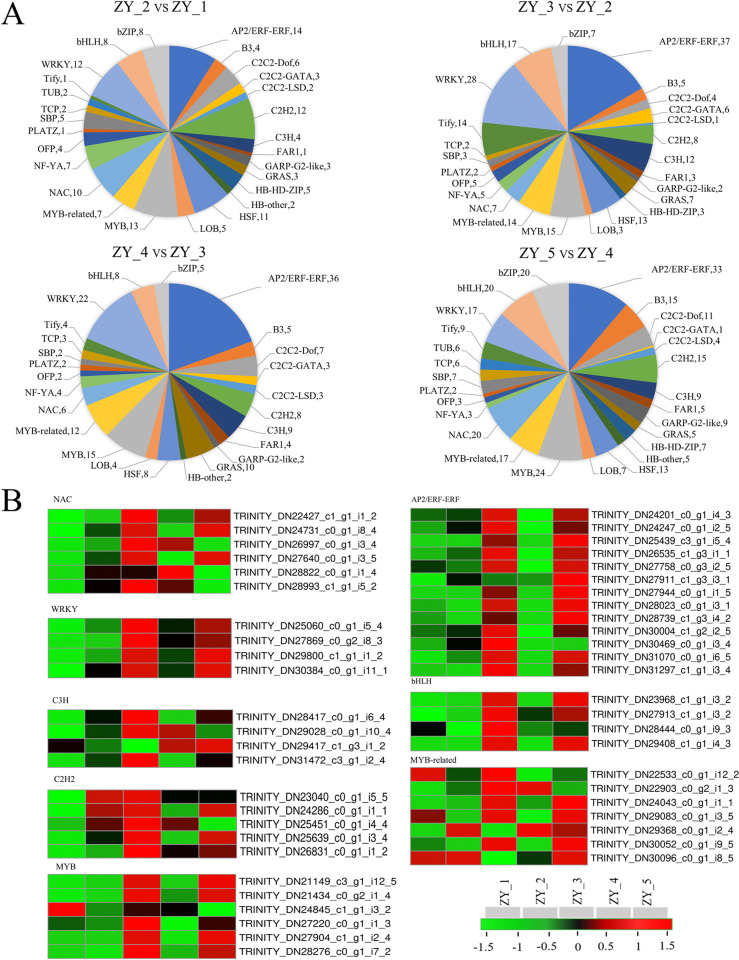 Figure 8
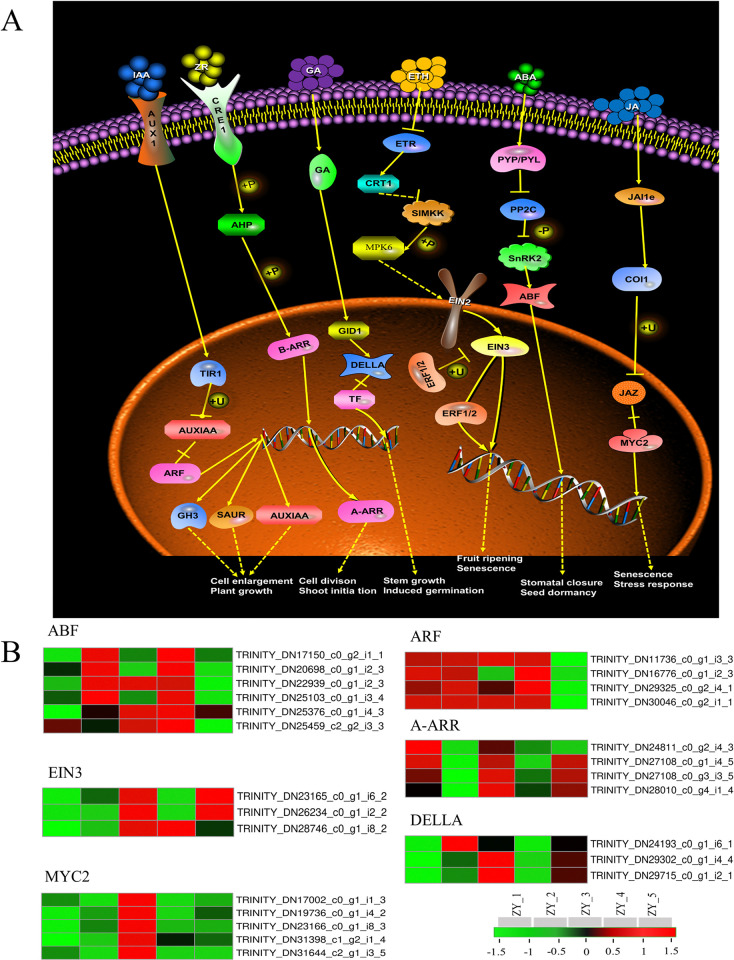 Figure 9
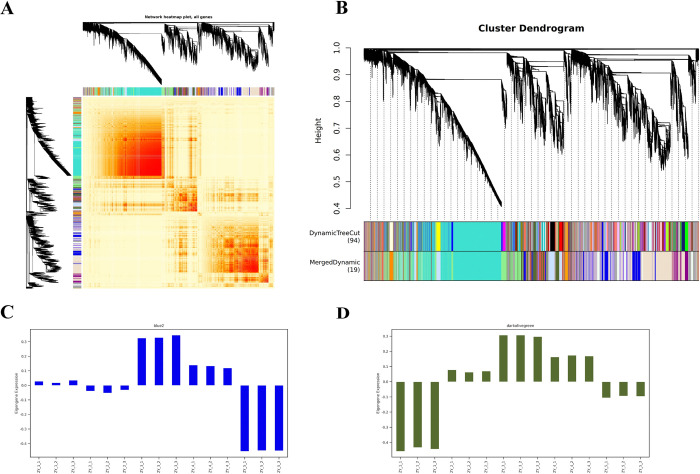 Figure 10
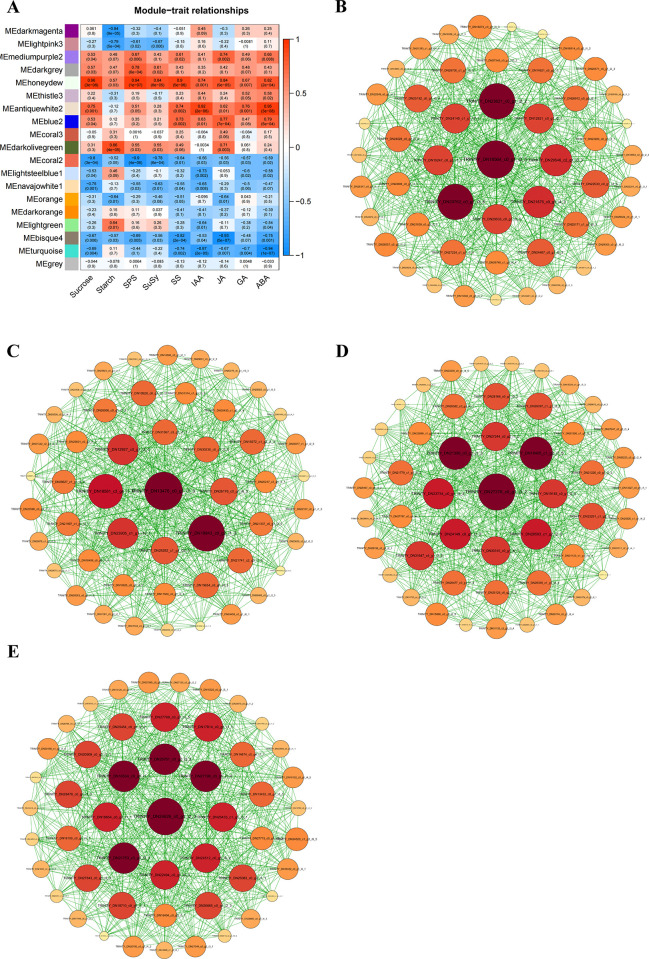 Figure 11
Peer Reviews
No public reviews on file for this paper yet. If you reviewed it on a platform where reviews are public (OpenReview, ICLR, NeurIPS, ICML), you can paste yours below so the community can read it here.
Videos
No videos yet. Explain this paper in a talk, walkthrough, or lecture? Add one.
Taxonomy
TopicsPlant Gene Expression Analysis · Plant responses to water stress · Plant tissue culture and regeneration