Genetic assessment of apolipoprotein E polymorphism and PRNP genotypes in rapidly progressive dementias in Pakistan
Urwah Rasheed, Minahil Khalid, Aneeqa Noor, Umar Saeed, Rizwan Uppal, Saima Zafar

TL;DR
This study examines the genetic risk factors for rapidly progressive dementias in Pakistan, focusing on APOE and PRNP genotypes.
Contribution
The study provides the first genetic assessment of APOE and PRNP polymorphisms in the Pakistani population in relation to rapidly progressive dementias.
Findings
The ε3/ε3 genotype was most common in APOE, with ε2 allele absent, suggesting increased risk for rpAD.
The M129-Ε200 genotype was most prevalent in PRNP, with no E200K mutation detected.
High frequency of MM homozygous genotype in PRNP was observed, linked to increased disease pathology.
Abstract
Rapidly progressive dementias (RPDs) are a type of fatal dementias that cause rapid progression of neuronal dysfunction. This study aimed to assess the prevalence of APOE genotypes (ε2, ε3, ε4) and PRNP mutations (E200K, M129V) in the general population of Pakistan because of their association with RPDs, including Rapidly Progressive Alzheimer’s Disease (rpAD) and Creutzfeldt-Jakob Disease (CJD). Blood samples (n = 100) were collected from healthy Pakistani population and the stated mutations were assessed using polymerase chain reaction. In the analysis of the APOE genotype, ε3/ε3 genotype was the most common (95%), followed by ε3/ε4 (5%) and ε2 allele was completely absent. A low frequency of ε4 allele and the absence of a protective ε2 allele is associated with an increased risk of rpAD. In the case of PRNP mutations, the most common genotype was M129-Ε200 (71%) and V129-Ε200 (29%).…
Genes, proteins, chemicals, diseases, species, mutations and cell lines named across the full text — each resolved to its canonical identifier and authoritative record.
Click any figure to enlarge with its caption.
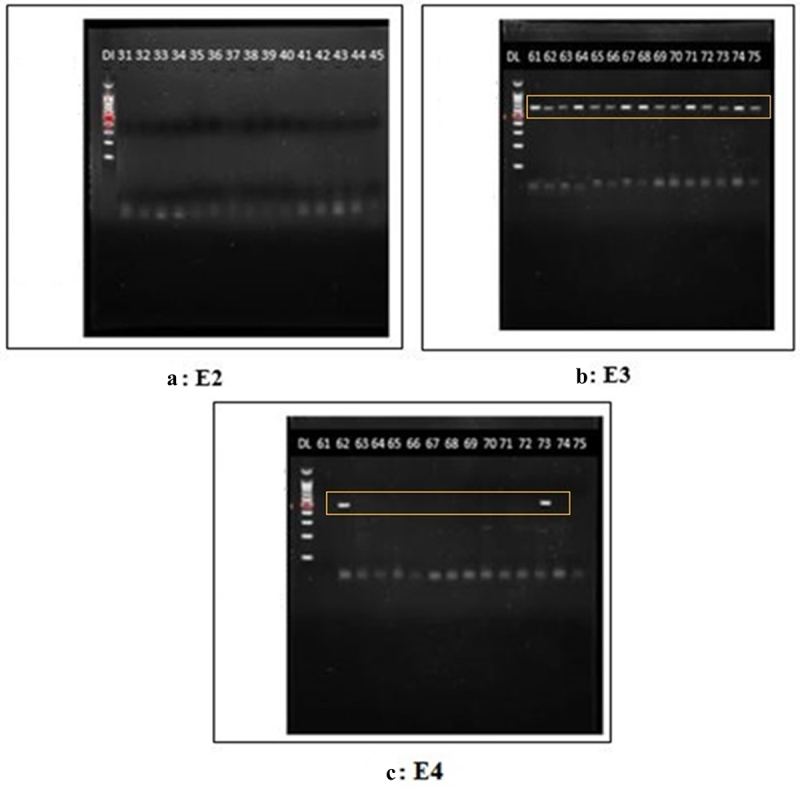 Figure 1
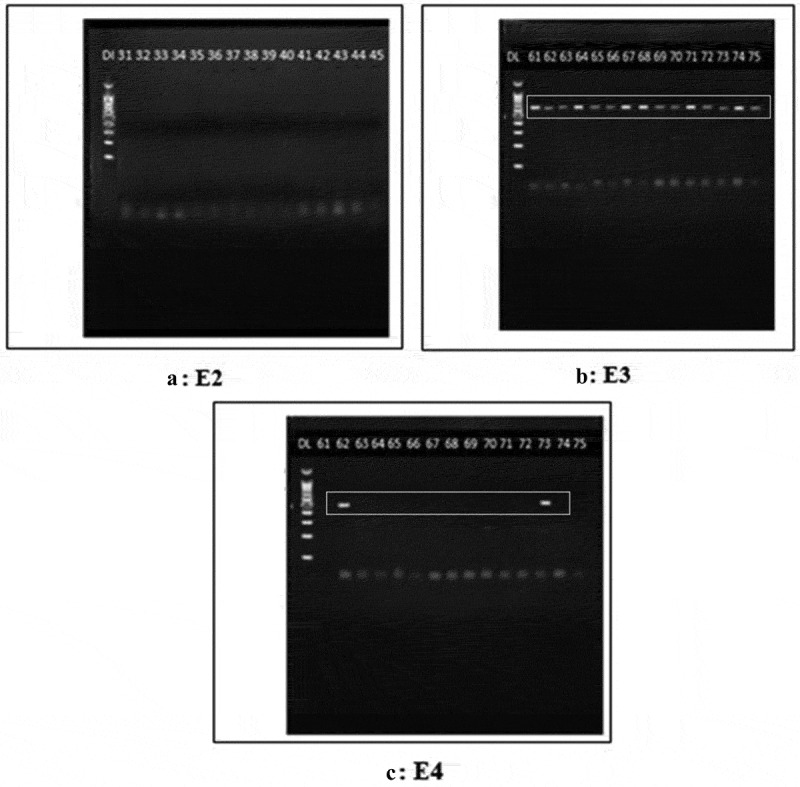 Figure 2
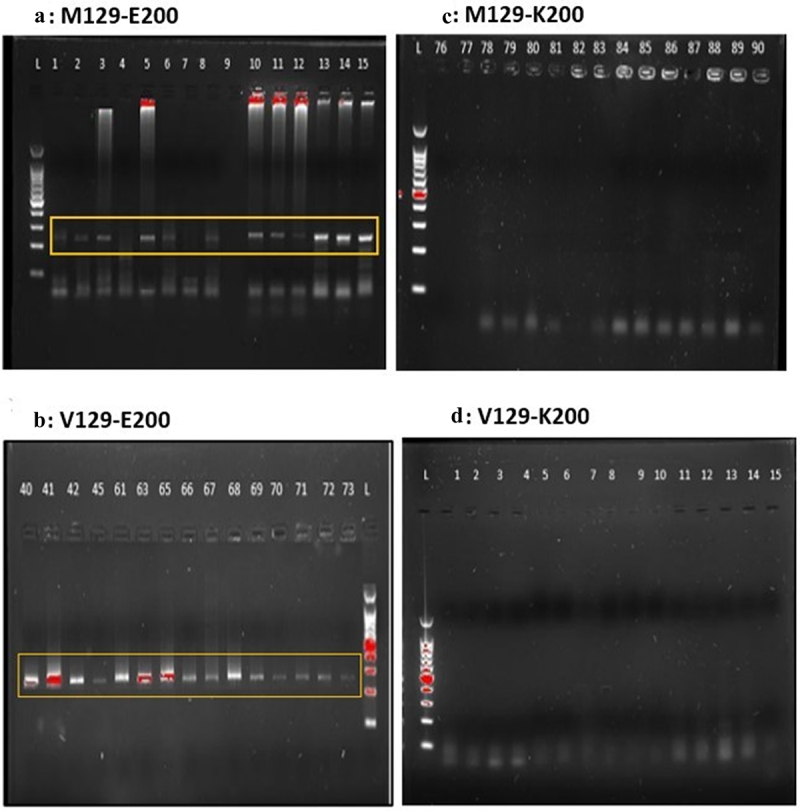 Figure 3
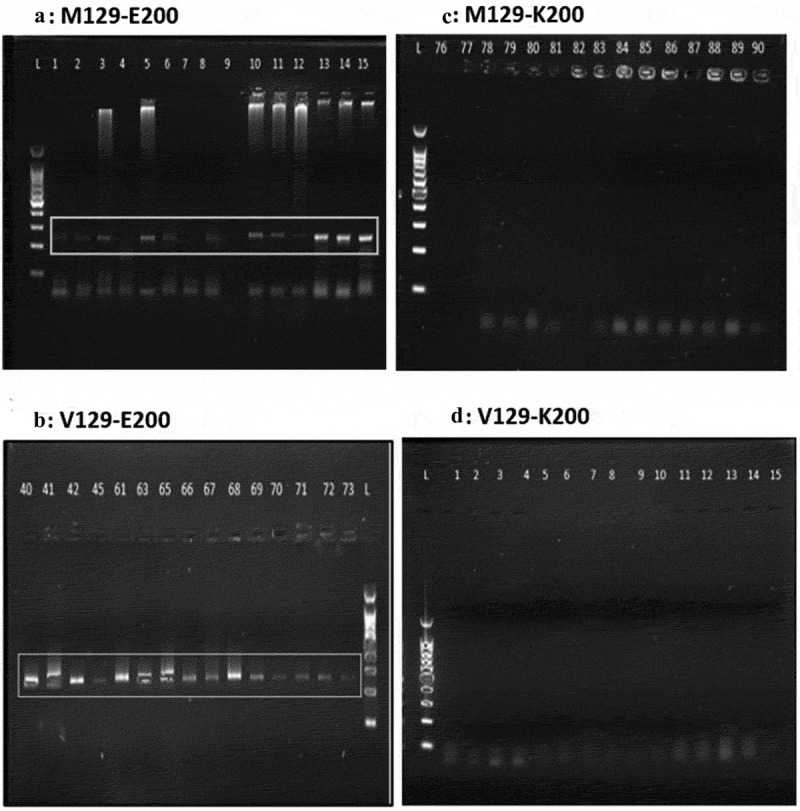 Figure 4
Peer Reviews
No public reviews on file for this paper yet. If you reviewed it on a platform where reviews are public (OpenReview, ICLR, NeurIPS, ICML), you can paste yours below so the community can read it here.
Videos
No videos yet. Explain this paper in a talk, walkthrough, or lecture? Add one.
Taxonomy
TopicsAlzheimer's disease research and treatments · Prion Diseases and Protein Misfolding · Folate and B Vitamins Research