Oxidative Scission of Bicyclo[2.2.2]octenones: Untying the α-Dimethoxycarbonyl
Ting-Zhi Yao, Yi-Cheng Tseng, Jia-Luo Li, Deng-Lian Hou, Gary Jing Chuang

TL;DR
This paper introduces a new method to break down complex organic molecules to create useful cyclohexene structures for organic and pharmaceutical chemistry.
Contribution
A novel oxidative scission method for bicyclo[2.2.2]octenones to generate functionalized cyclohexene frameworks.
Findings
Selective oxidative cleavage of α-dimethoxy carbonyl groups in bicyclo[2.2.2]octenones was achieved.
Fragmentation of ketoximes and Schmidt-type reactions produced functionalized cyclohexene frameworks.
The method expands the synthetic utility of bicyclo[2.2.2]octenones in complex organic synthesis.
Abstract
This study explores the selective oxidative scission of bicyclo[2.2.2]octenones derived from masked o-benzoquinones (MOBs). By employing the fragmentation of ketoximes and Schmidt-type reactions, we achieved the cleavage of α-dimethoxy carbonyl groups to yield highly functionalized cyclohexene frameworks, showcasing the expanding synthetic utility of bicyclo[2.2.2]octenones in complex organic synthesis. The methodologies developed are anticipated to contribute to advancements in organic and pharmaceutical chemistry.
Genes, proteins, chemicals, diseases, species, mutations and cell lines named across the full text — each resolved to its canonical identifier and authoritative record.
Click any figure to enlarge with its caption.
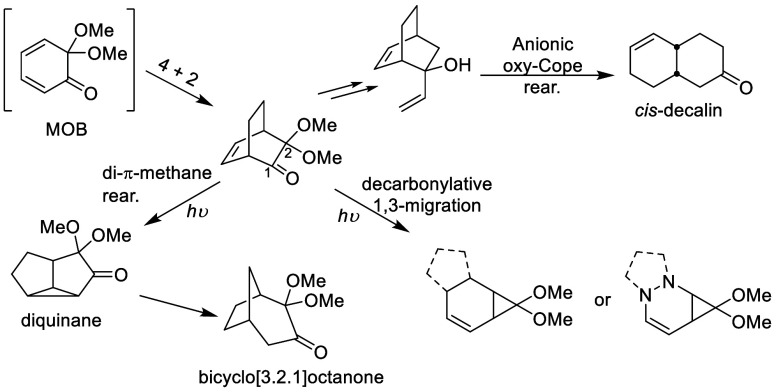 Figure 1
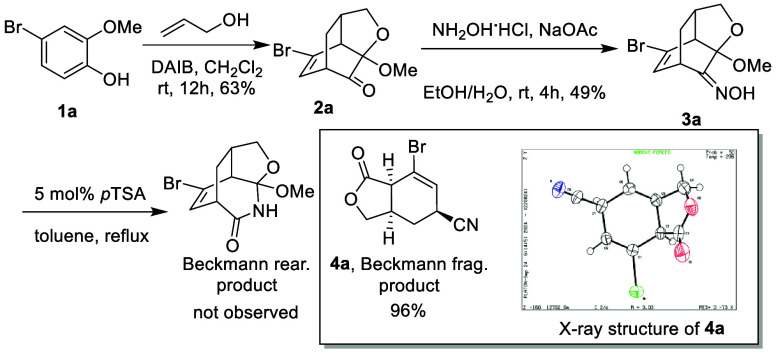 Figure 2
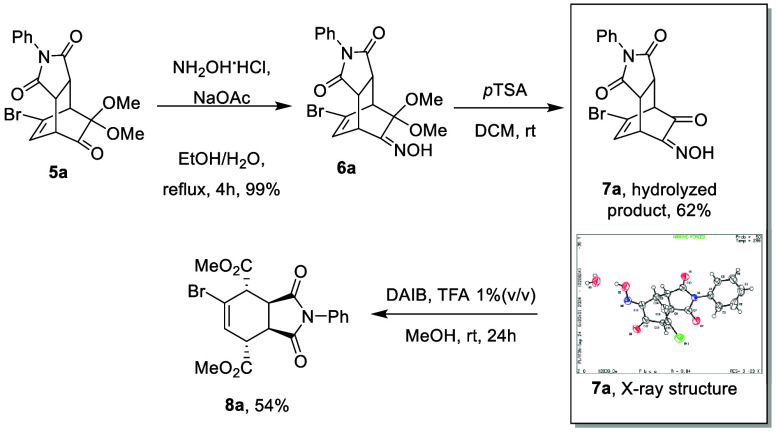 Figure 3
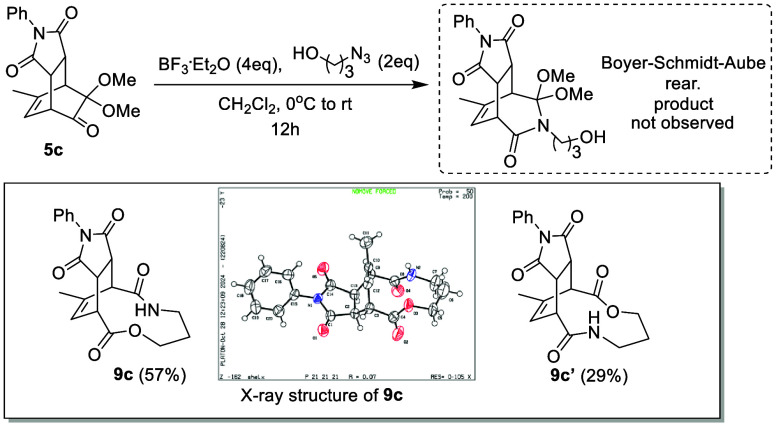 Figure 4
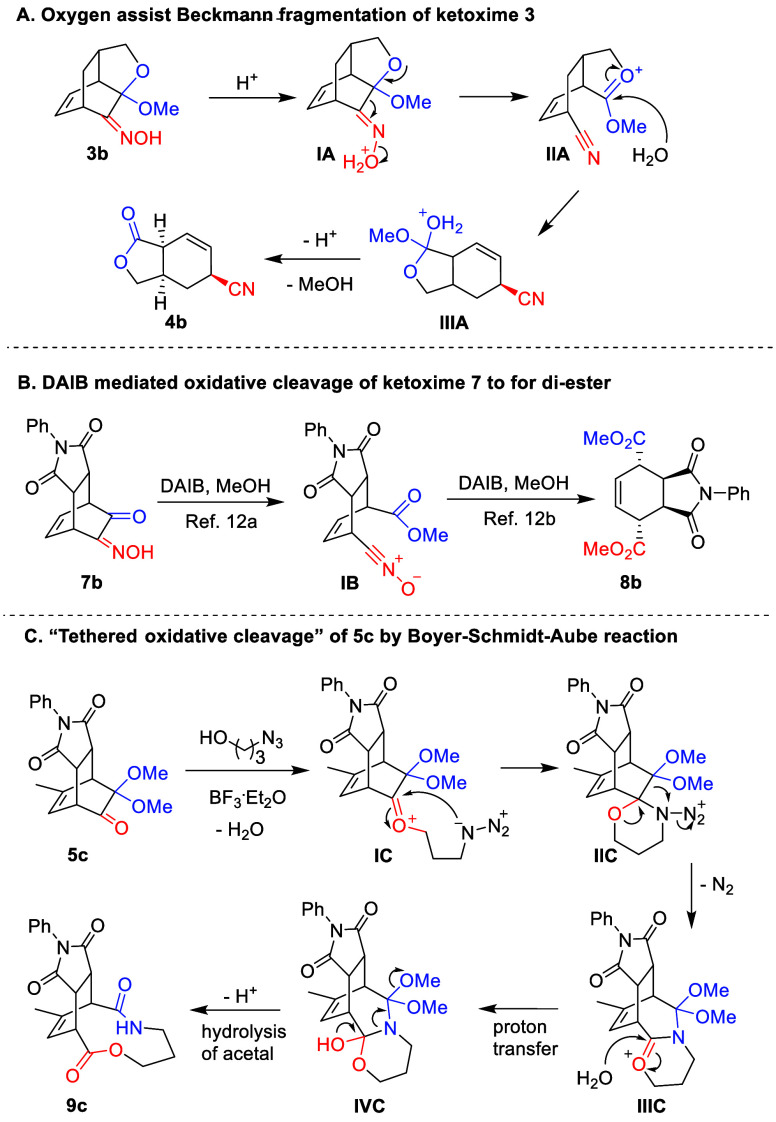 Figure 5
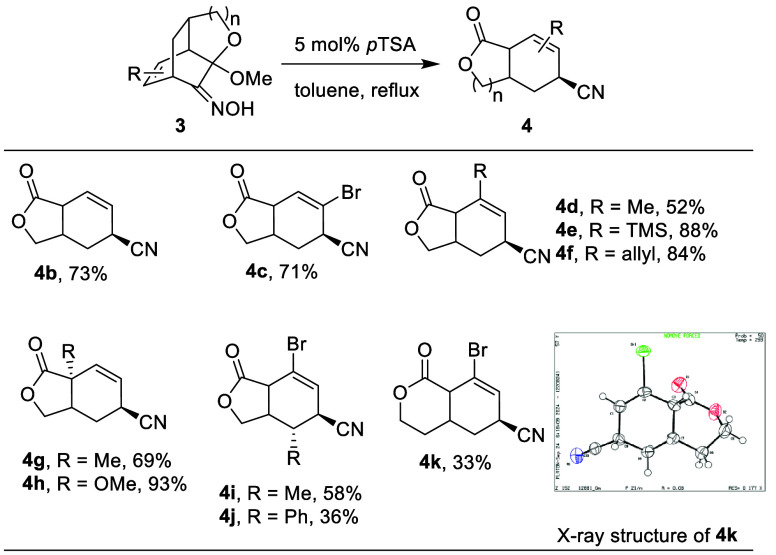 Figure 6
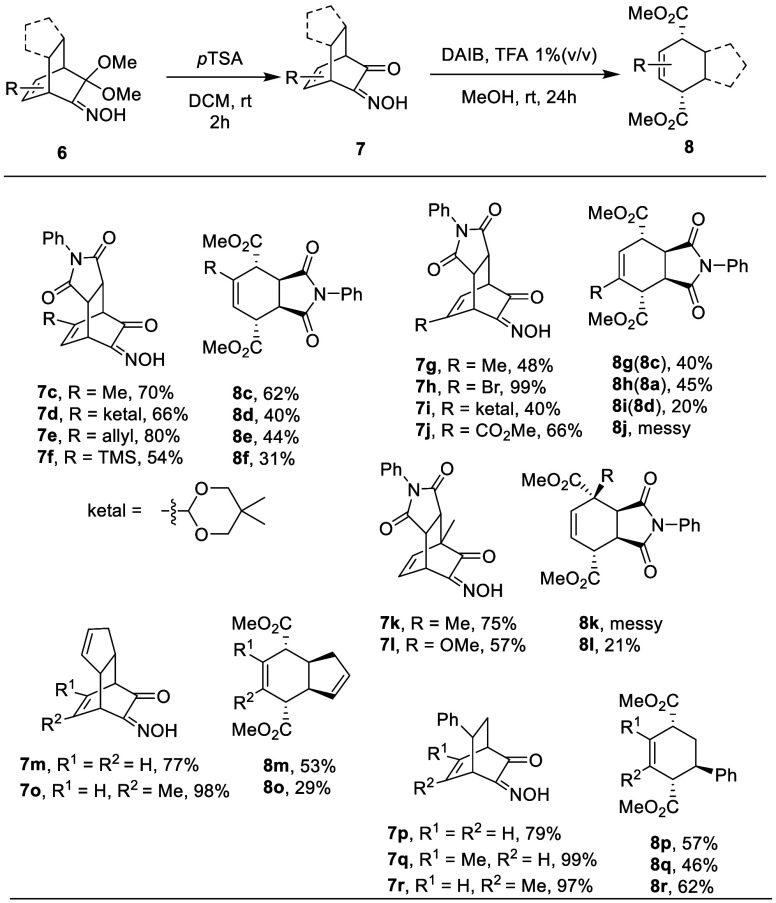 Figure 7
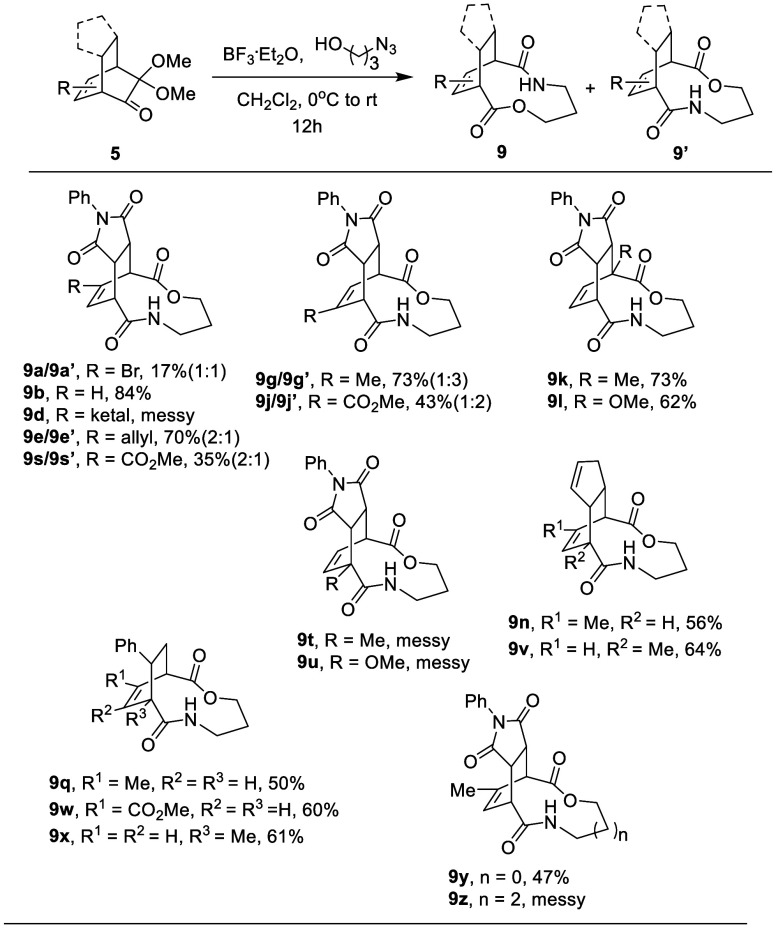 Figure 8
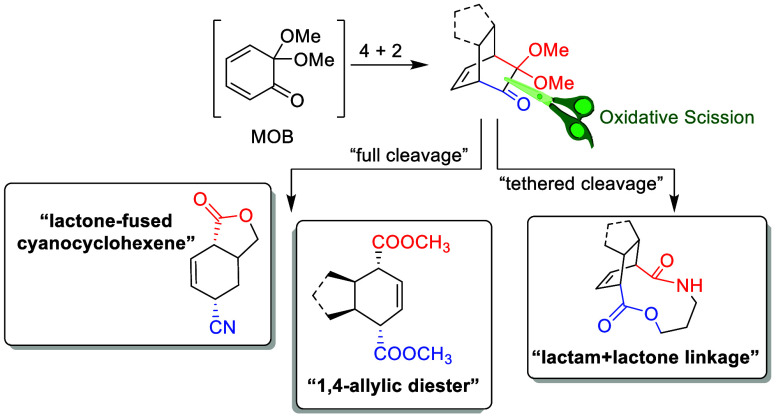 Figure 9
Peer Reviews
No public reviews on file for this paper yet. If you reviewed it on a platform where reviews are public (OpenReview, ICLR, NeurIPS, ICML), you can paste yours below so the community can read it here.
Videos
No videos yet. Explain this paper in a talk, walkthrough, or lecture? Add one.
Taxonomy
TopicsOxidative Organic Chemistry Reactions · Mesoporous Materials and Catalysis · Cancer Treatment and Pharmacology