Proteomic Analysis Is Needed to Understand the Vulnerability of Bunodosoma cavernatum Sea Anemones to Climate Change
Mayra P. Becerra-Amezcua, Fernando M. Matadamas-Guzmán, Lorena Hernández-Orihuela, Isabel Guerrero-Legarreta, Xochitl Guzmán-García

TL;DR
This study explores how sea anemones respond to thermal stress by analyzing their proteome and enzyme activity, revealing vulnerabilities to climate change.
Contribution
The novelty lies in linking proteomic changes and enzyme activity in sea anemones to their vulnerability under thermal stress and climate change.
Findings
Sea anemones reduce mass and synthesize stress-related proteins under thermal stress.
Peroxidase activity decreases while superoxide dismutase activity increases in constant temperature groups.
Thermal stress leads to reduced toxin production in tentacles and increased susceptibility to pathogens.
Abstract
Sea anemones play a crucial role in marine ecosystems. Recent studies have highlighted their physiological and ecological responses to thermal stress. Therefore, our objective was to perform a proteomic analysis of Bunodosoma cavernatum sea anemones in the Gulf of Mexico, subjected to thermal stress, to understand whether these organisms activate specific processes to resist increased temperature. We submitted one group of sea anemones to variable temperatures (26 to 32 °C) and another group to a constant temperature (28 °C) for 1.5 months. Then we subjected them to thermal stress (32 °C) for 2 weeks. We evaluated the enzymatic activity and proteome in the columns and tentacles. The main effect of the temperature regime change is a reduction in mass. Also, sea anemones synthesized proteins related to the activation of the immune system and protection against temperature. We observed…
Genes, proteins, chemicals, diseases, species, mutations and cell lines named across the full text — each resolved to its canonical identifier and authoritative record.
Click any figure to enlarge with its caption.
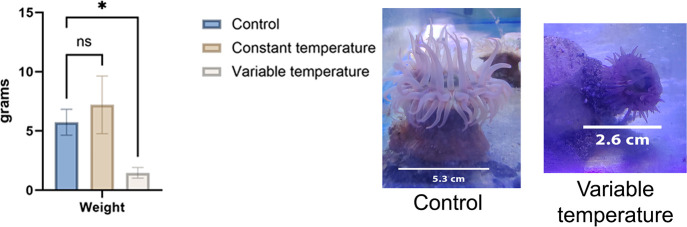 Figure 1
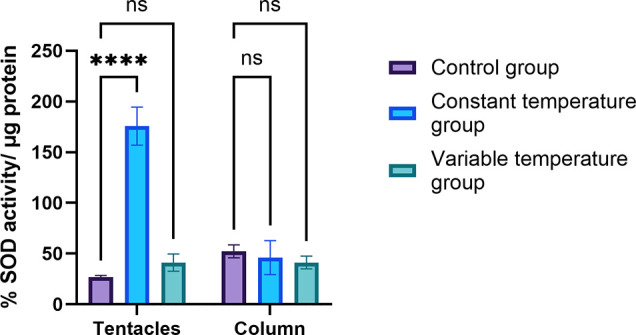 Figure 2
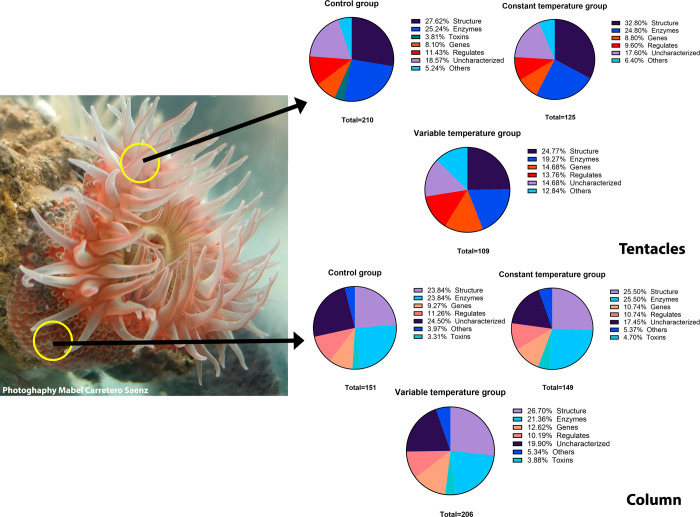 Figure 3
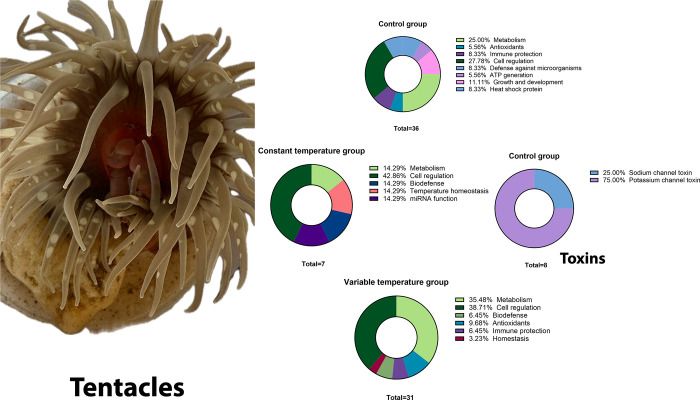 Figure 4
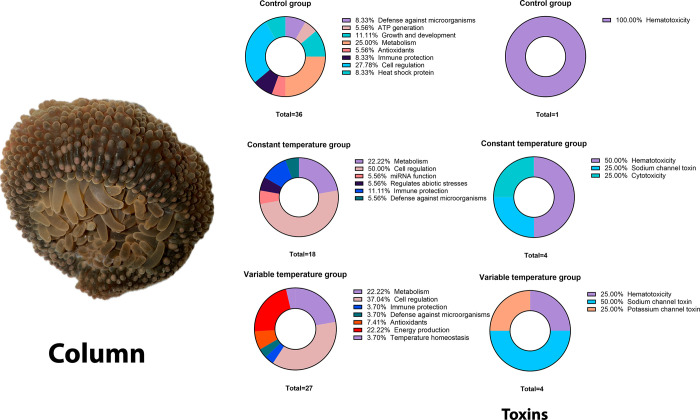 Figure 5
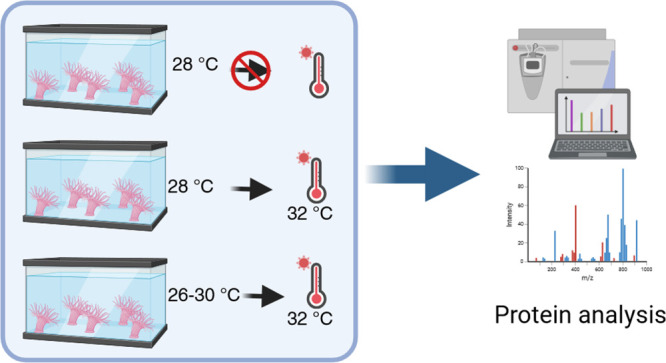 Figure 6
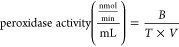 Figure 7
 Figure 8
Peer Reviews
No public reviews on file for this paper yet. If you reviewed it on a platform where reviews are public (OpenReview, ICLR, NeurIPS, ICML), you can paste yours below so the community can read it here.
Videos
No videos yet. Explain this paper in a talk, walkthrough, or lecture? Add one.
Taxonomy
TopicsParasite Biology and Host Interactions · Marine Ecology and Invasive Species · Marine Invertebrate Physiology and Ecology