L-Boronphenylalanine Biodistribution Dynamics in the Organs of Mice with Subcutaneous Tumor Xenograft is a Model to Assess Neuron Sources Efficiency in Boron Neutron Capture Therapy
I.N. Druzkova, A.A. Pakhomova, N.I. Ignatova, A.R. Suleymanova, A.V. Maslennikova

TL;DR
This study examines how a boron compound distributes in mice with tumors to evaluate its potential for a promising cancer therapy called BNCT.
Contribution
The study introduces a mouse tumor model to assess new neutron sources for BNCT using L-boronphenylalanine biodistribution.
Findings
L-BPA reaches maximum tumor concentration 1.5 hours after administration and remains above therapeutic levels for 5.4 hours.
The highest L-BPA accumulation in normal organs occurs in the kidneys, likely due to their function.
No toxic effects were observed, supporting the safety of L-BPA for BNCT in this model.
Abstract
Boron neutron capture therapy (BNCT), due to its high biological efficiency, is one of the most promising methods of radiation therapy for malignant tumors. Currently, research in this area has received momentum due to the emergence of fundamentally new compact neutron sources suitable for clinical use. The aim of the investigation was to study L-boronphenylalanine (L-BPA) biodistribution in the organs of experimental animals with subcutaneous tumor xenografts, and evaluate the application of the experimental model to assess the effectiveness of new neutron sources. The experiments were carried out on BALB/c mice with subcutaneous xenograft of mouse adenocarcinoma CT26. L-boronphenylalanine in a molar excess of fructose was administered intravenously at a dose of 350 mg/kg, the organs under study were taken 1.5, 3, 6, and 24 h after drug administration. The content of the 10B isotope…
Genes, proteins, chemicals, diseases, species, mutations and cell lines named across the full text — each resolved to its canonical identifier and authoritative record.
Click any figure to enlarge with its caption.
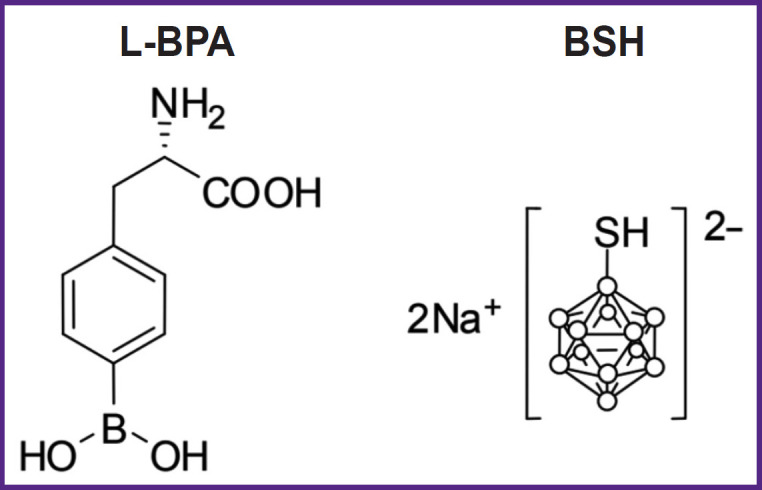 Figure 1
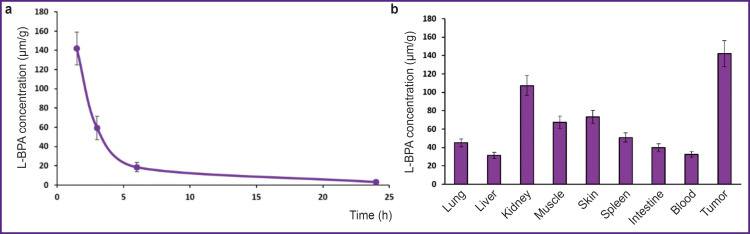 Figure 2
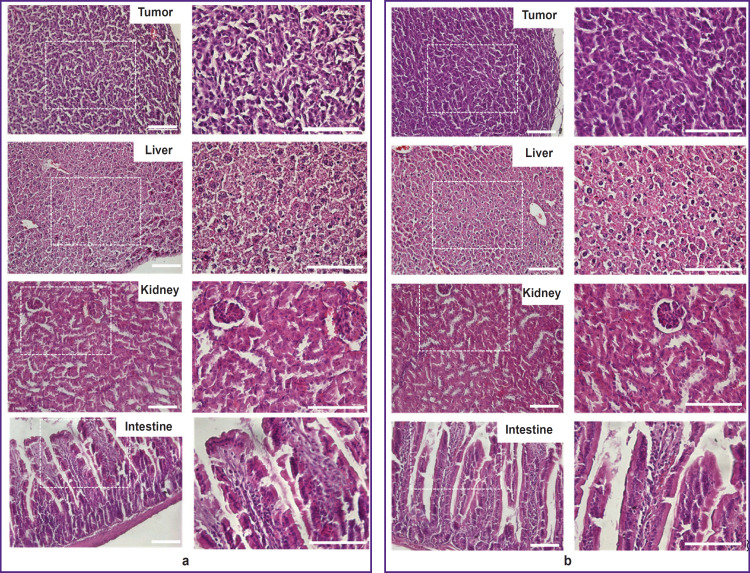 Figure 3
Peer Reviews
No public reviews on file for this paper yet. If you reviewed it on a platform where reviews are public (OpenReview, ICLR, NeurIPS, ICML), you can paste yours below so the community can read it here.
Videos
No videos yet. Explain this paper in a talk, walkthrough, or lecture? Add one.
Taxonomy
TopicsBoron Compounds in Chemistry · Radiopharmaceutical Chemistry and Applications · Medical Imaging Techniques and Applications