Pressure-Flow Study and Urethrolysis in Treating Female Bladder Outlet Obstruction
Nattaporn Wanvimolkul, Patkawat Ramart

TL;DR
This study examines how well pressure-flow studies predict successful outcomes after a procedure called transvaginal urethrolysis for treating female bladder outlet obstruction.
Contribution
The study is the first to evaluate the predictive value of pressure-flow parameters for transvaginal urethrolysis success in female bladder outlet obstruction.
Findings
Pressure-flow study parameters did not significantly predict success after transvaginal urethrolysis.
Success rates were 64.3% for clinically suspected fBOO and 50.0% for recurrent cystitis.
Postoperative urinary incontinence occurred in 52.6% of cases but did not require surgical correction.
Abstract
Introduction Female bladder outlet obstruction (fBOO) is a challenging condition to diagnose. Pressure-flow studies are a key diagnostic tool, but the cutoff remains undefined. This study aims to evaluate the association between pressure-flow parameters and successful outcomes after transvaginal urethrolysis in patients with fluoroscopically confirmed bladder outlet obstruction. Material and methods This single-center retrospective cohort study included 30 women who were clinically suspected of having bladder outlet obstruction, with fluoroscopically confirmed bladder outlet abnormalities, and underwent transvaginal urethrolysis. All patients were assessed with a follow-up period of at least six months postoperatively. Success was defined as an improvement in lower urinary tract symptoms and/or the absence of clinical symptoms of cystitis, as reported by patients, along with no…
Genes, proteins, chemicals, diseases, species, mutations and cell lines named across the full text — each resolved to its canonical identifier and authoritative record.
Click any figure to enlarge with its caption.
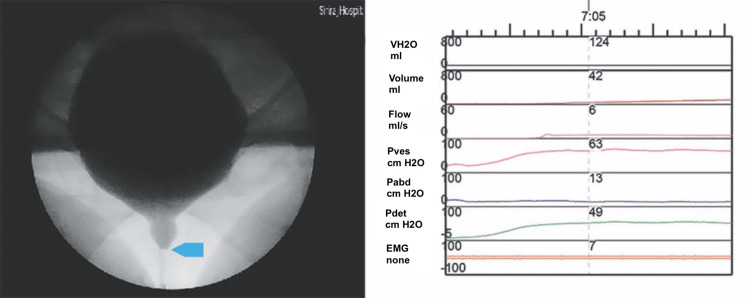 Figure 1
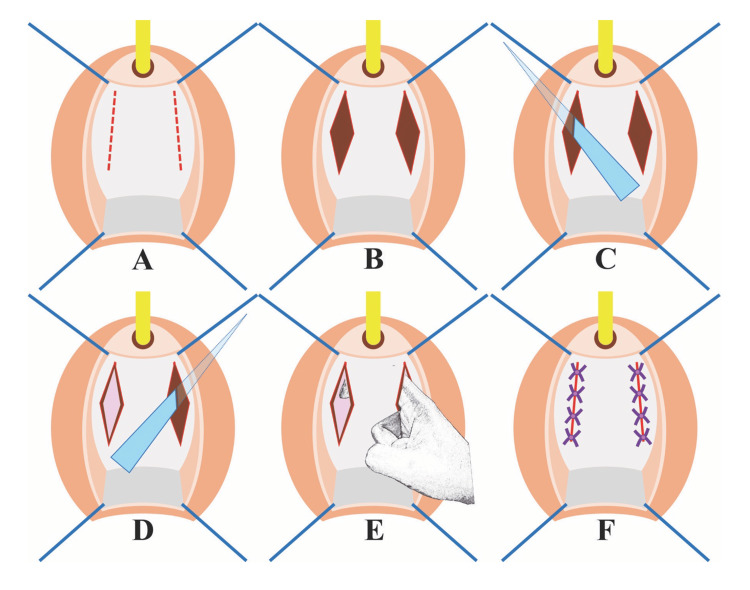 Figure 2
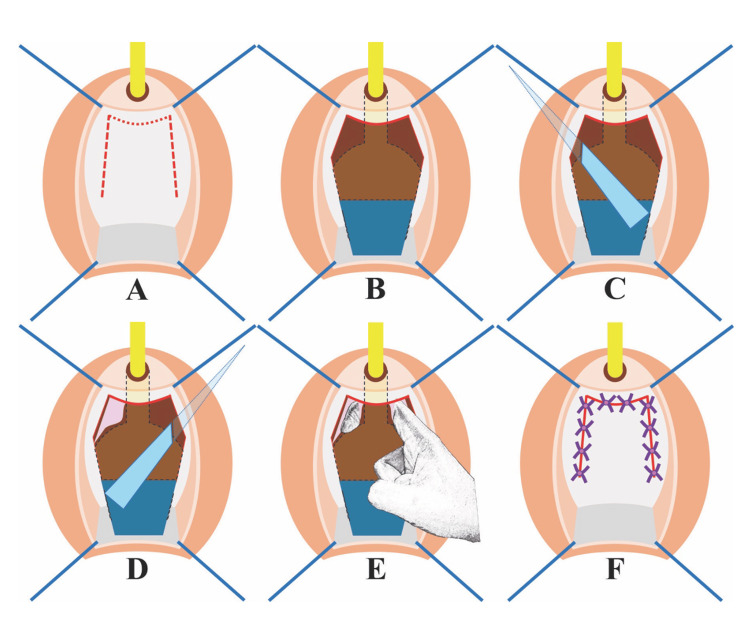 Figure 3
Peer Reviews
No public reviews on file for this paper yet. If you reviewed it on a platform where reviews are public (OpenReview, ICLR, NeurIPS, ICML), you can paste yours below so the community can read it here.
Videos
No videos yet. Explain this paper in a talk, walkthrough, or lecture? Add one.
Taxonomy
TopicsUrinary Bladder and Prostate Research · Urological Disorders and Treatments · Pelvic floor disorders treatments