Enhancing the Cumulene Character of One‐Dimensional Acetylene‐Based Systems by Stimuli‐Induced Planarization of Their Two Pro‐diradicaloid Cyclopenta[h,i]aceanthrylene Units
Álvaro Corrochano Fernández, Samara Medina Rivero, Sumit Chaurasia, Tomás Torres, Juan Casado, Giovanni Bottari

TL;DR
This paper introduces a method to enhance the cumulene character in acetylene-based systems by connecting pro-diradicaloid units, which could lead to stimuli-responsive one-dimensional materials.
Contribution
A novel approach to reversibly alter the electronic character of acetylene-based conjugates through planarization of pro-diradicaloid units.
Findings
Connecting cyclopenta[h,i]aceanthrylene units via an acetylene bridge increases cumulene character in 1D conjugates.
Planarization of the dimers at low temperatures enhances π-electronic delocalization and cumulenic character.
Aggregation-induced planarization in methylcyclohexane further boosts the cumulenic character of the acetylenic bridge.
Abstract
Acetylene/polyynes −(C≡C−) n and cumulenes =(C=) n are connectors widely used for the realization of one‐dimensional (1D) π‐conjugates. Although both π‐moieties are constituted by sp carbon atoms, their different bond connectivity confers distinct physicochemical properties to the resulting systems. In this context, while many acetylene/polyyne‐ and cumulene‐based derivatives have been prepared and studied, no reports have tackled the possibility to reversibly alter the acetylene/polyyne‐cumulene electronic character of these derivatives using mild conditions. Herein, we present a novel approach to enhance the cumulene character of 1D acetylene‐based conjugates consisting in the preparation of derivatives featuring an acetylene moiety connecting two pro‐diradicaloid species, namely cyclopenta[h,i]aceanthrylene (CPA), at their pro‐radical positions. A thoughtful spectroscopic study of…
Genes, proteins, chemicals, diseases, species, mutations and cell lines named across the full text — each resolved to its canonical identifier and authoritative record.
Click any figure to enlarge with its caption.
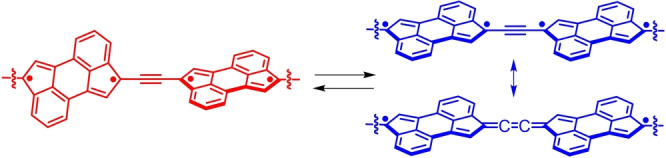 Figure 1
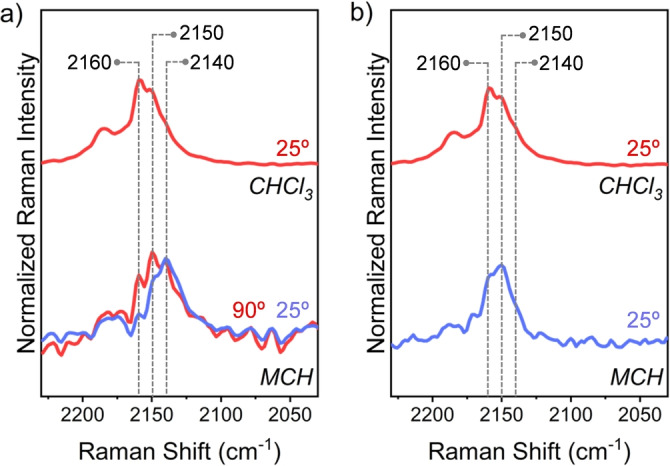 Figure 2
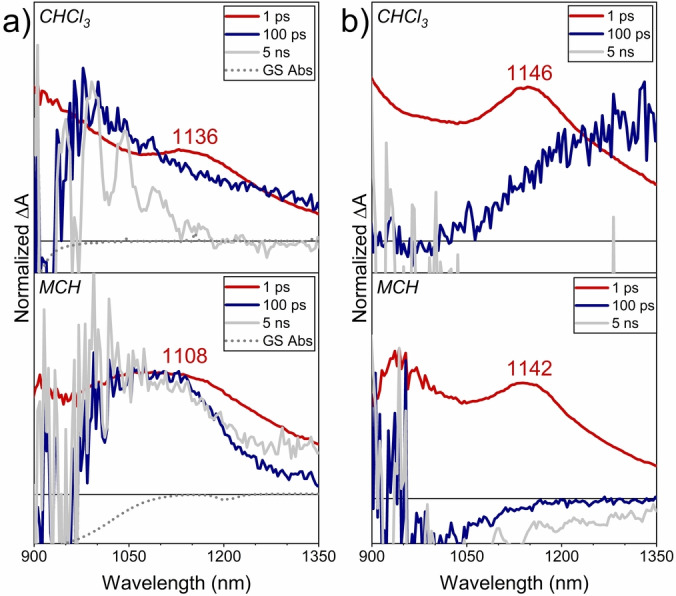 Figure 3
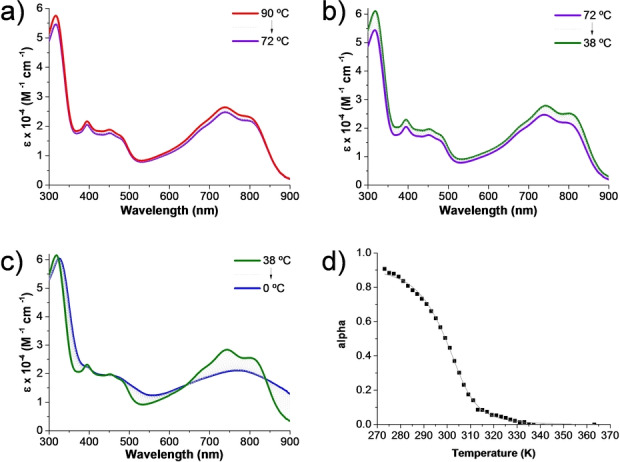 Figure 4
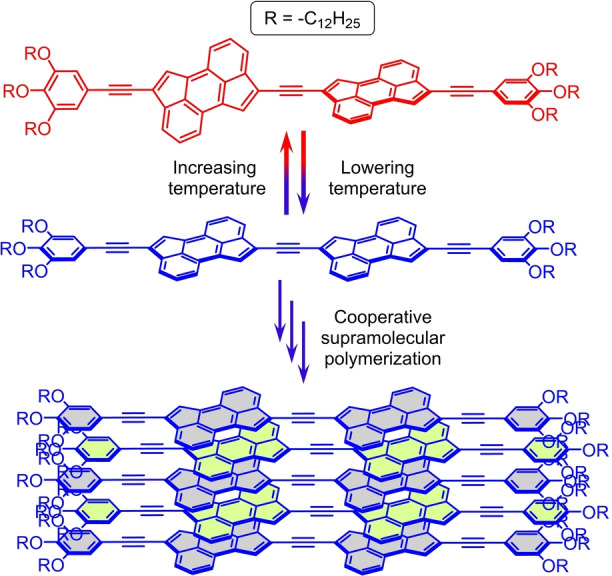 Figure 5
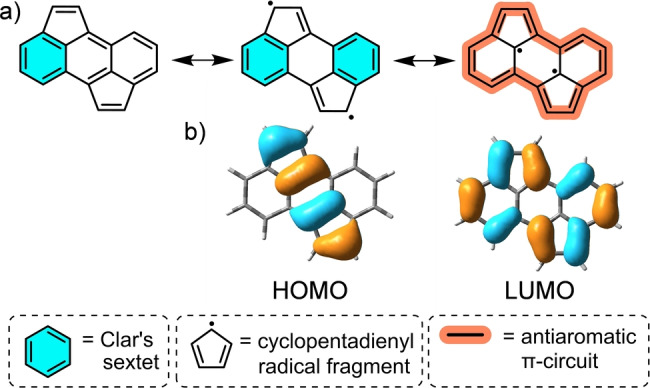 Figure 6
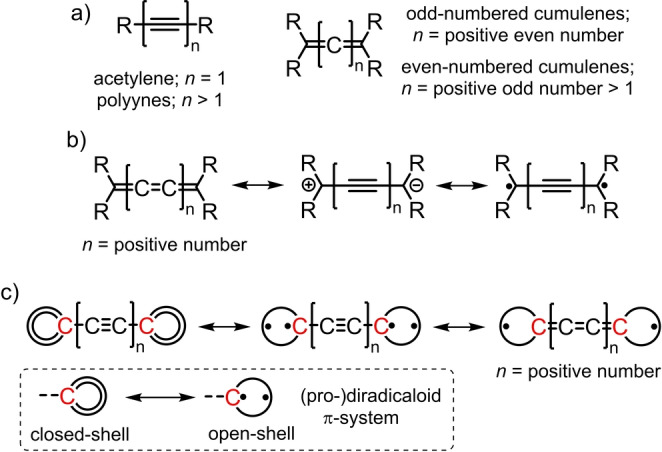 Figure 7
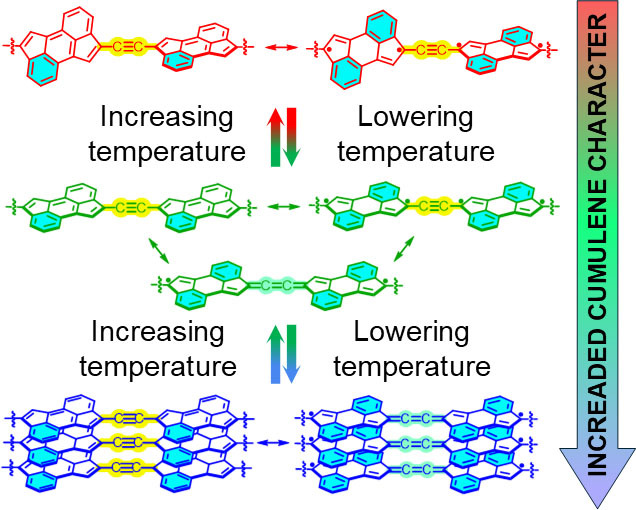 Figure 8
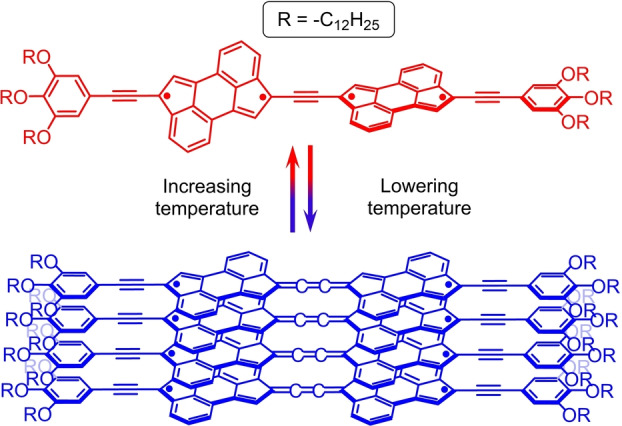 Figure 9
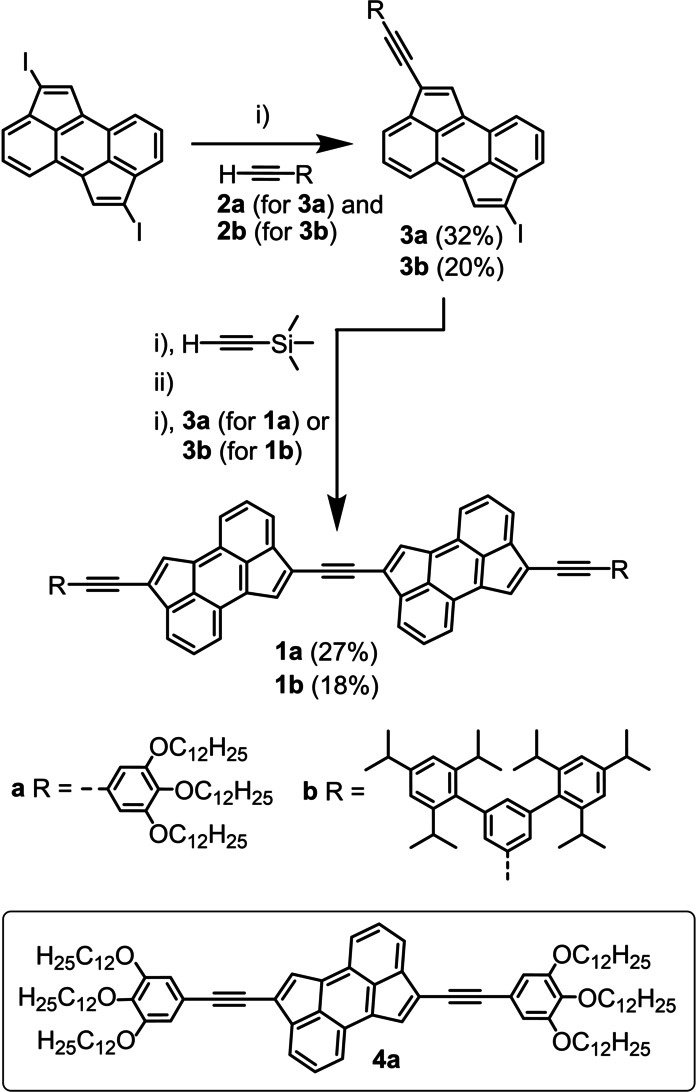 Figure 10
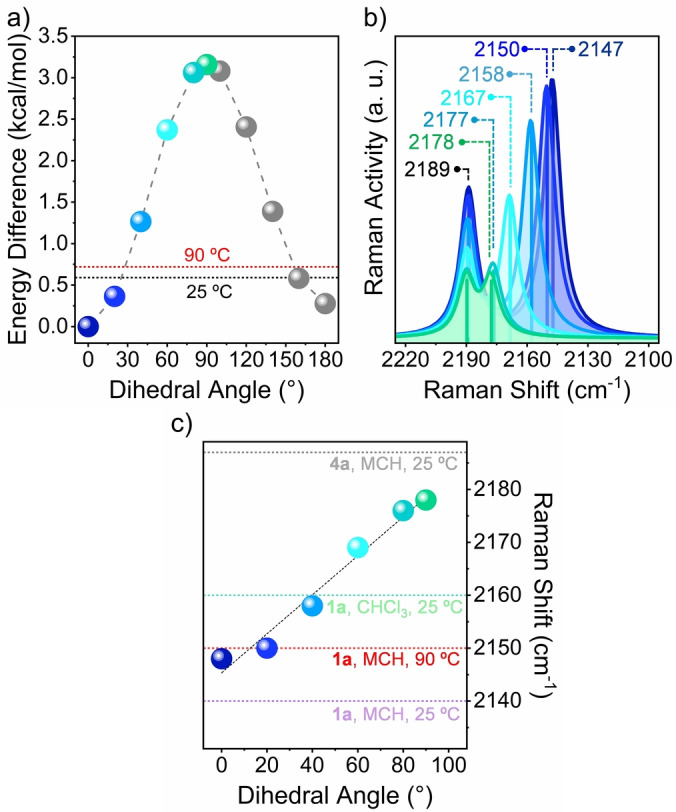 Figure 11
Peer Reviews
No public reviews on file for this paper yet. If you reviewed it on a platform where reviews are public (OpenReview, ICLR, NeurIPS, ICML), you can paste yours below so the community can read it here.
Videos
No videos yet. Explain this paper in a talk, walkthrough, or lecture? Add one.
Taxonomy
TopicsSynthesis and Properties of Aromatic Compounds · Organic Electronics and Photovoltaics · Conducting polymers and applications