Delirium in Neurocritical Care: Uncovering Undisclosed Psychotropic Substance and Medication Use and Stress Exposure by Hair Analysis
Stefan Yu Bögli, Crescenzo Capone, Markus R. Baumgartner, Boris B. Quednow, Thomas Kraemer, Emanuela Keller, Tina Maria Binz

TL;DR
This study uses hair analysis to uncover hidden psychotropic drug use and stress levels in neurocritical care patients, linking them to delirium risk.
Contribution
The study introduces hair analysis as a novel method to objectively assess undisclosed psychotropic substance use and chronic stress in delirium patients.
Findings
Delirium patients had higher rates of antidepressants and antipsychotics in their hair compared to non-delirium patients.
Delirium patients showed higher anandamide but lower oleoylethanolamide and palmitoylethanolamide concentrations.
Antidepressants and the AEA/PEA ratio were identified as independent predictors of delirium.
Abstract
In intensive care, delirium is frequent, prolongs the stay, increases health care costs, and worsens patient outcome. Several substances and medications as well as stress can impact the risk of delirium; however, assessment of previous exposure to psychotropic agents and stress by self-reports or third-party information is not always reliable. Hair analysis can be used to objectively assess medication and substance use (including chronic alcohol consumption), and allows for the determination of stress-related long-term changes in steroid hormones and endocannabinoids. Consecutive adult patients with acute brain injury admitted to the neurocritical care unit were included. Delirium was diagnosed using the Confusion Assessment Method for the Intensive Care Unit. Liquid chromatography coupled with tandem mass spectrometry was used to investigate psychoactive substances and medications,…
Genes, proteins, chemicals, diseases, species, mutations and cell lines named across the full text — each resolved to its canonical identifier and authoritative record.
Click any figure to enlarge with its caption.
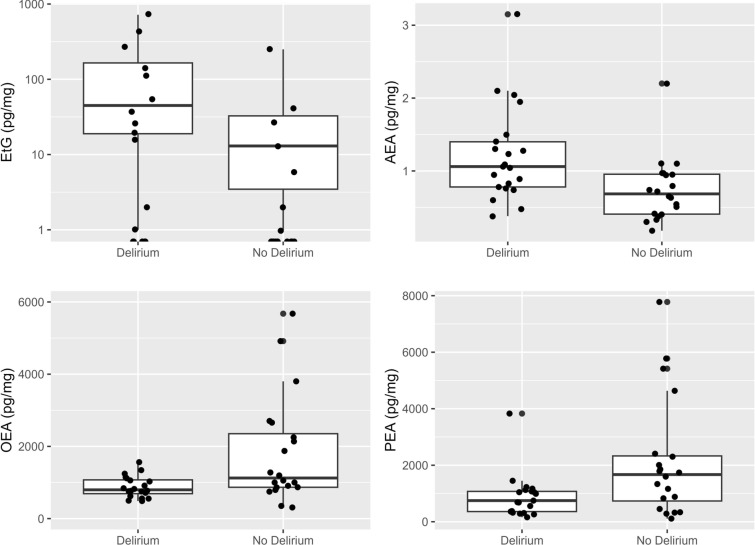 Figure 1
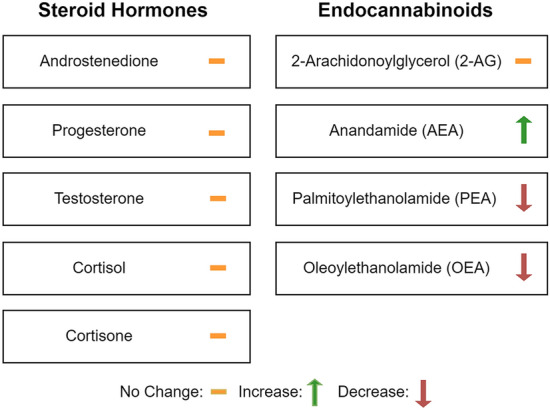 Figure 2
 Figure 3
Peer Reviews
No public reviews on file for this paper yet. If you reviewed it on a platform where reviews are public (OpenReview, ICLR, NeurIPS, ICML), you can paste yours below so the community can read it here.
Videos
No videos yet. Explain this paper in a talk, walkthrough, or lecture? Add one.
Taxonomy
TopicsIntensive Care Unit Cognitive Disorders · Anesthesia and Neurotoxicity Research · Alcoholism and Thiamine Deficiency