A79 EAT, SLEEP, WORK, REPEAT! WEARABLES AND APPS TO TRACK IBD PATIENTS’ SYMPTOMS, DIET, SLEEP, AND PHYSICAL ACTIVITY
P M Miranda, I Fernando, D Armstrong

TL;DR
This study shows that wearables and apps can effectively track IBD patients' symptoms, diet, and sleep over time, helping identify lifestyle factors that may trigger symptoms.
Contribution
The study demonstrates the feasibility of using combined wearable and app-based tools for real-time tracking of IBD symptoms and lifestyle factors.
Findings
High adherence to using wearables and apps for 3 months among IBD patients.
Symptoms were most frequently reported in the late-night and afternoon, often within 5 hours of a meal.
Wearable data showed worse sleep quality and higher heart rates on symptomatic days.
Abstract
Lifestyle factors like diet, physical activity, and sleep patterns are known to influence symptoms and progression in Inflammatory Bowel Disease (IBD). However, accurately determining temporal relationships between these factors and symptoms has been hampered by a lack of reliable data collection methods. New technologies, such as wearables and smartphone apps, offer real-time, remote monitoring and allow for better understanding of their relationship with IBD symptoms. To assess the feasibility of using remote monitoring tools (wearables and mobile apps) to explore the temporal relationships between symptoms, diet, and sleep in IBD patients. Adult IBD patients participated in a 3-month pilot study (Track-IBD), during which they wore a fitness monitor (Oura Ring) and tracked their diet and symptoms in real-time using Keenoa (diet tracking) and Zamplo (symptom tracking) smartphone…
Genes, proteins, chemicals, diseases, species, mutations and cell lines named across the full text — each resolved to its canonical identifier and authoritative record.
Click any figure to enlarge with its caption.
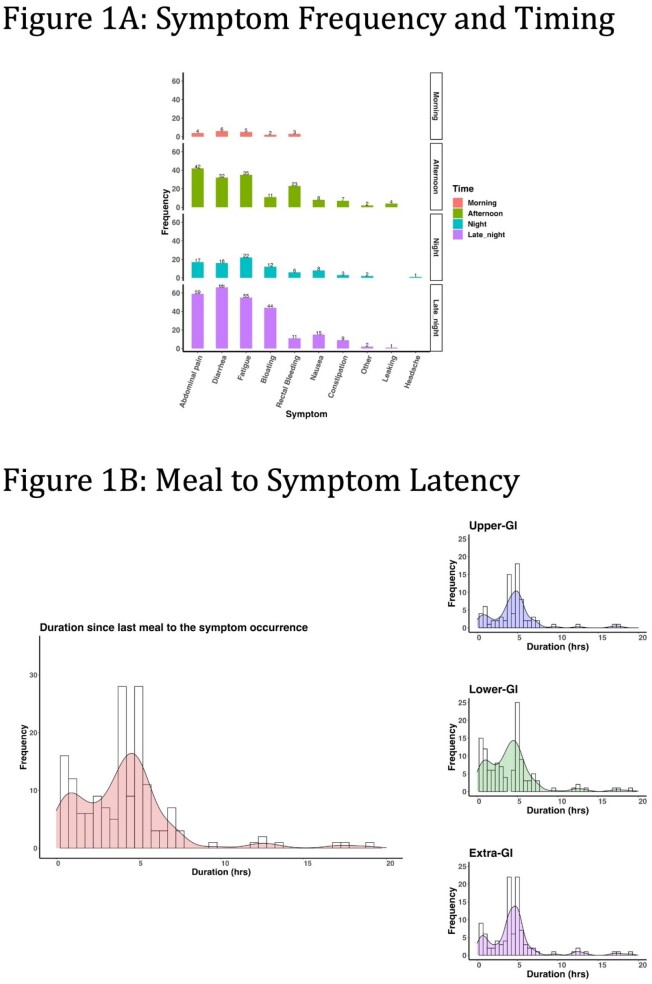 Figure 1
Peer Reviews
No public reviews on file for this paper yet. If you reviewed it on a platform where reviews are public (OpenReview, ICLR, NeurIPS, ICML), you can paste yours below so the community can read it here.
Videos
No videos yet. Explain this paper in a talk, walkthrough, or lecture? Add one.
Taxonomy
TopicsEating Disorders and Behaviors