IVF cycle safety when a positive passive air sampling occurs under laminar flow hood in absence of a detectable contamination in the embryo culture
Claudia Omes, Roberto Bassani, Patrizia Cambieri, Fausto Baldanti, Rossella Elena Nappi

TL;DR
This study shows that IVF cycles are safe even when air samples show microbes, as long as the embryo culture remains uncontaminated.
Contribution
The study demonstrates that positive air sampling in a clean lab environment does not compromise IVF outcomes.
Findings
13 out of 570 air samplings showed microorganisms, but no culture contamination was detected.
No significant differences in pregnancy or live birth rates were found between contaminated and negative groups.
Group P had a higher clinical pregnancy rate, possibly due to younger patient age.
Abstract
Microbiological contamination in the embryo culture media might affect embryo early development and clinical outcomes during IVF procedures. Infections in the genital tract represent the most common causes of culture contamination, but also environmental air quality might have a detrimental effect on reproductive outcomes of infertile couples undergoing IVF procedures. Monitoring microbiological contamination in an embryology laboratory is mandatory and daily tests are performed under laminar vertical flow hood. In this study, we investigated the IVF outcome of procedures carried out during 5 years of laboratory activity when a positive passive air sampling occurs under laminar flow hood in the absence of clear contamination in the embryo culture. We performed 570 air samplings, and we isolated at least 1 CFU of microorganisms in the TSA settle plate in 13 cases (2.28%). No infections…
Genes, proteins, chemicals, diseases, species, mutations and cell lines named across the full text — each resolved to its canonical identifier and authoritative record.
Click any figure to enlarge with its caption.
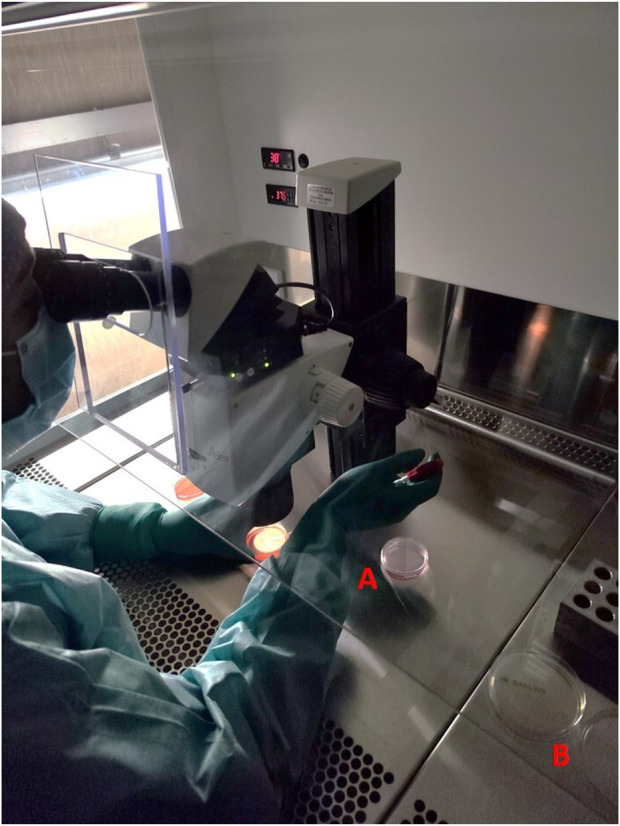 Figure 1
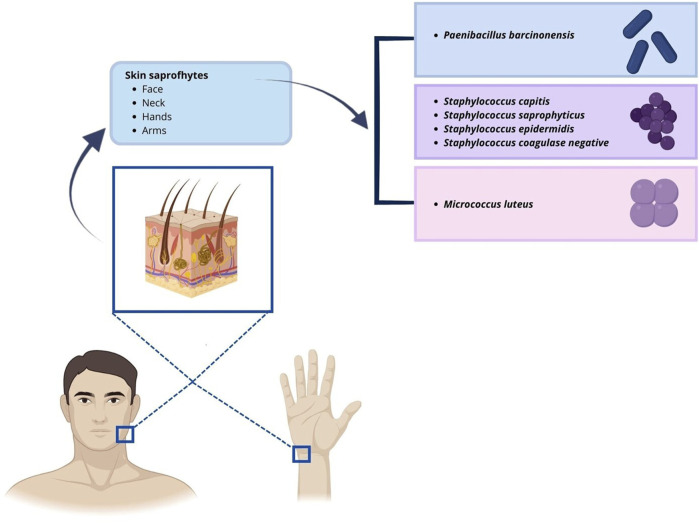 Figure 2
Peer Reviews
No public reviews on file for this paper yet. If you reviewed it on a platform where reviews are public (OpenReview, ICLR, NeurIPS, ICML), you can paste yours below so the community can read it here.
Videos
No videos yet. Explain this paper in a talk, walkthrough, or lecture? Add one.
Taxonomy
TopicsReproductive Biology and Fertility