A Proposal for the RNAome at the Dawn of the Last Universal Common Ancestor
Miryam Palacios-Pérez, Marco V. José

TL;DR
This paper proposes how ancient RNA molecules evolved into modern ones through two genetic code pathways, shaping essential RNA structures.
Contribution
The paper introduces a novel evolutionary model for RNAome development using two extended genetic code pathways.
Findings
RNA molecules contain regions encoded by both Extended Genetic Code 1 and 2.
Essential RNA features like the Peptidyl Transferase Centre are better explained by Extended Code 2.
Bacterial and archaeal RNA sequences show higher stability compared to controls.
Abstract
From the most ancient RNAs, which followed an RNY pattern and folded into small hairpins, modern RNA molecules evolved by two different pathways, dubbed Extended Genetic Code 1 and 2, finally conforming to the current standard genetic code. Herein, we describe the evolutionary path of the RNAome based on these evolutionary routes. In general, all the RNA molecules analysed contain portions encoded by both genetic codes, but crucial features seem to be better recovered by Extended 2 triplets. In particular, the whole Peptidyl Transferase Centre, anti-Shine–Dalgarno motif, and a characteristic quadruplet of the RNA moiety of RNAse-P are clearly unveiled. Differences between bacteria and archaea are also detected; in most cases, the biological sequences are more stable than their controls. We then describe an evolutionary trajectory of the RNAome formation, based on two complementary…
Genes, proteins, chemicals, diseases, species, mutations and cell lines named across the full text — each resolved to its canonical identifier and authoritative record.
Click any figure to enlarge with its caption.
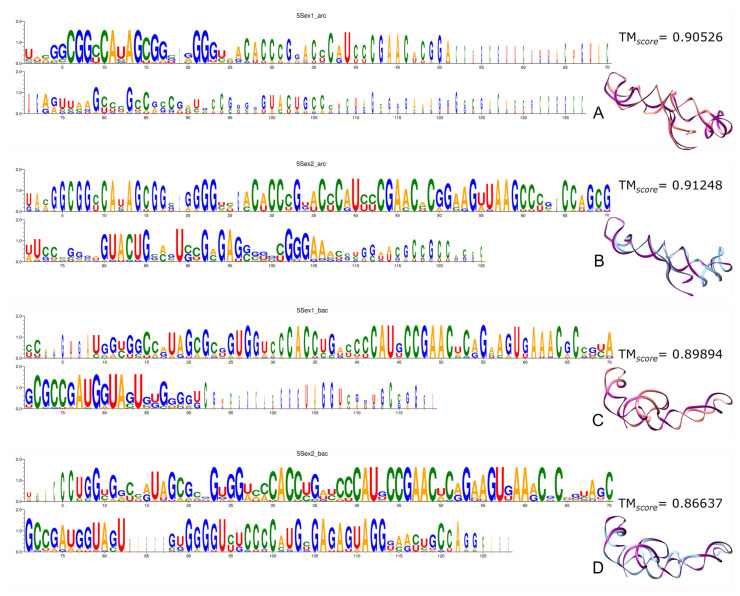 Figure 1
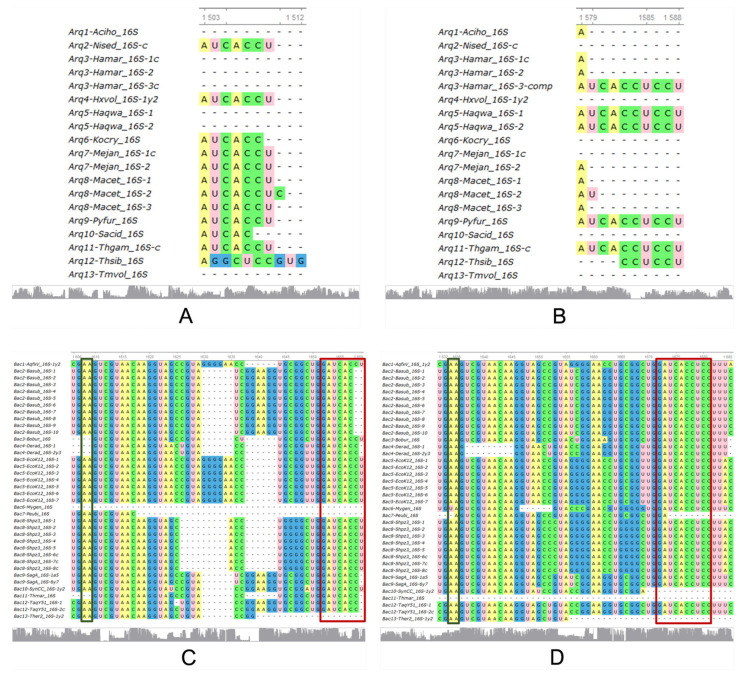 Figure 2
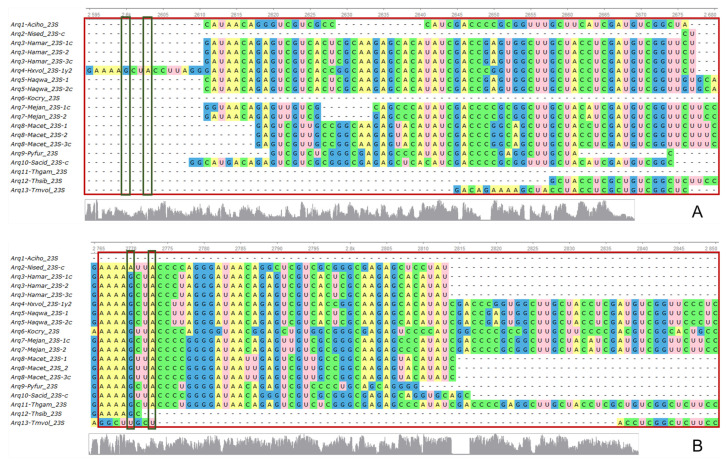 Figure 3
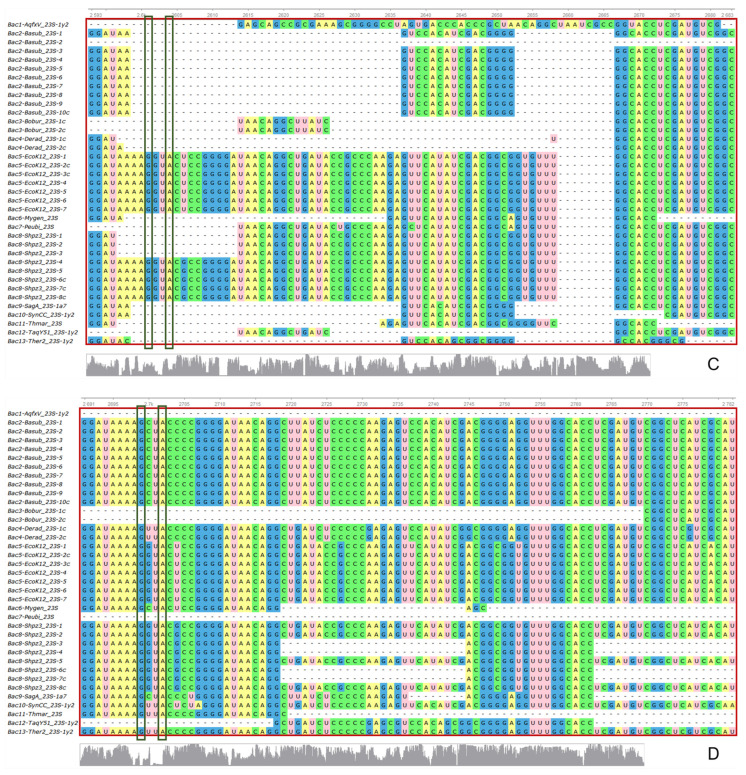 Figure 4
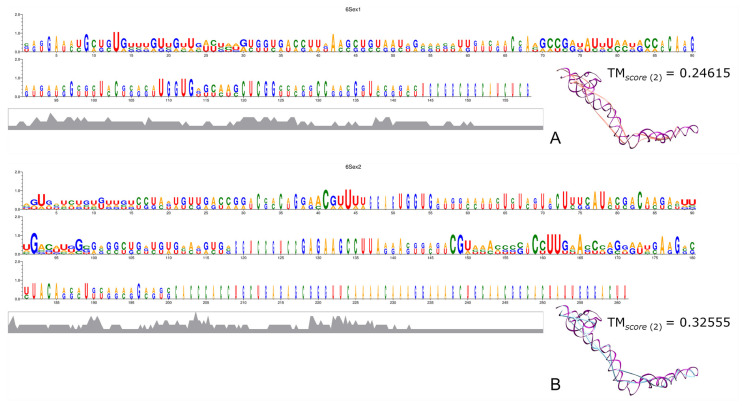 Figure 5
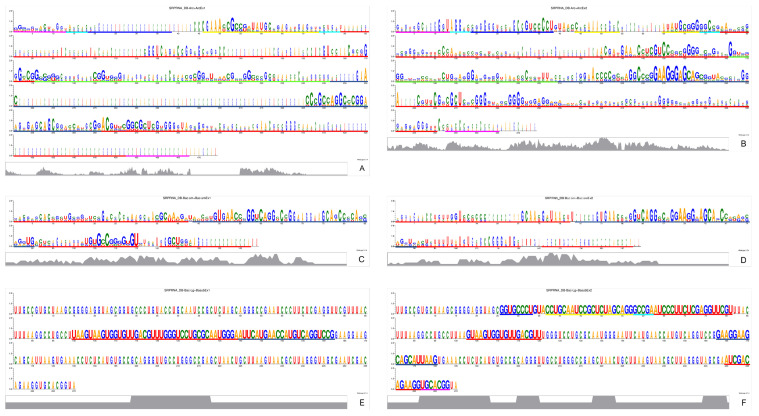 Figure 6
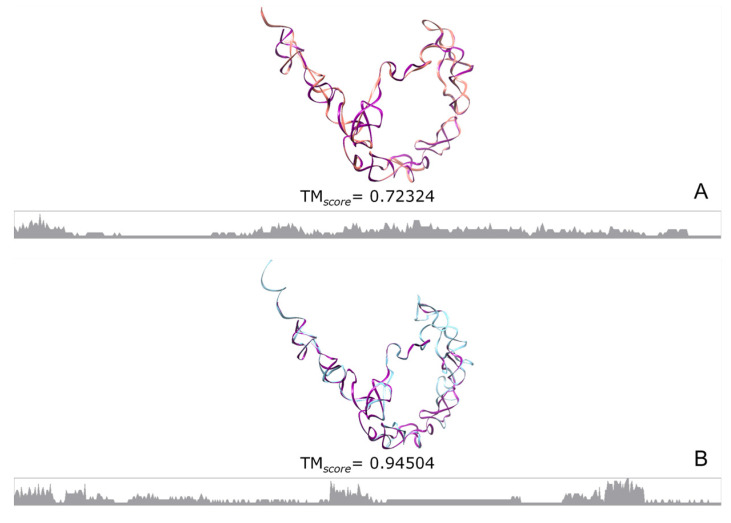 Figure 7
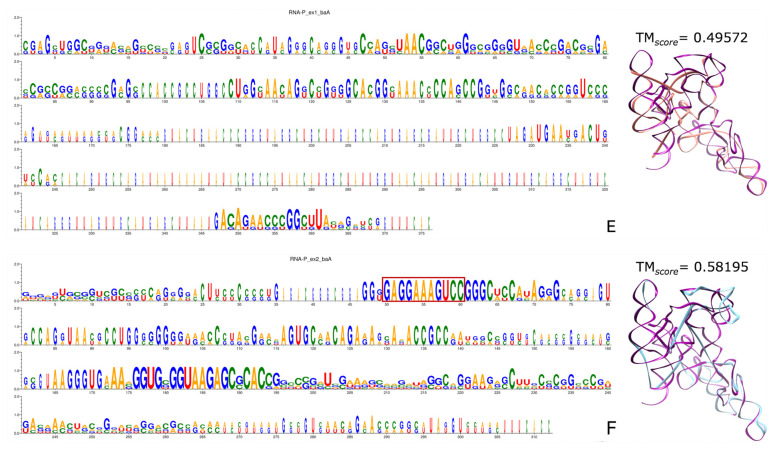 Figure 8
 Figure 9
 Figure 10
 Figure 11
 Figure 12
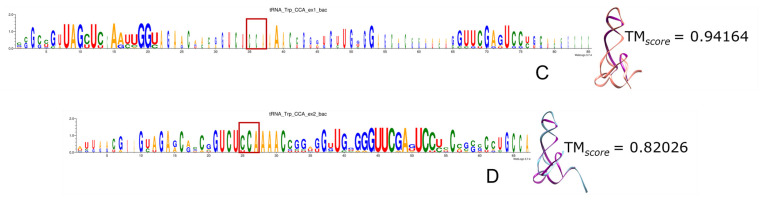 Figure 13
 Figure 14
 Figure 15
Peer Reviews
No public reviews on file for this paper yet. If you reviewed it on a platform where reviews are public (OpenReview, ICLR, NeurIPS, ICML), you can paste yours below so the community can read it here.
Videos
No videos yet. Explain this paper in a talk, walkthrough, or lecture? Add one.
Taxonomy
TopicsRNA and protein synthesis mechanisms · CRISPR and Genetic Engineering · Genomics and Phylogenetic Studies