Limb Perfusion Delivery of a rAAV1 Alpha-1 Antitrypsin Vector in Non-Human Primates Is Safe but Insufficient for Therapy
Debora Pires-Ferreira, Darcy Reil, Qiushi Tang, Meghan Blackwood, Thomas Gallagher, Allison M. Keeler, Jessica A. Chichester, Kristin K. Vyhnal, Jane A. Lindborg, Janet Benson, Dongtao Fu, Terence R. Flotte, Alisha M. Gruntman

TL;DR
A gene therapy approach using limb perfusion to deliver AAT in primates is safe but does not achieve sufficient therapeutic levels.
Contribution
The study evaluates limb perfusion as a muscle-targeting delivery method for rAAV1-hAAT gene therapy in non-human primates.
Findings
Limb perfusion delivery of rAAV1-hAAT was safe and showed a biodistribution pattern similar to prior studies.
High-dose limb perfusion achieved only about 50% of the target serum AAT levels.
Higher doses (3.5 × 10^13–1 × 10^14 vg/kg) may be needed for effective AAT gene therapy.
Abstract
Background/Objectives: α-1 antitrypsin (AAT) deficiency is an inherited, genetic condition characterized by reduced serum levels of AAT and increased risk of developing emphysema and liver disease. AAT is normally synthesized primarily in the liver, but muscle-targeting with a recombinant adeno-associated virus (rAAV) vector for α-1 antitrypsin (AAT) gene therapy has been used to minimize liver exposure to the virus and hepatotoxicity. Clinical trials of direct intramuscular (IM) administration of rAAV1-hAAT have demonstrated its overall safety and transgene expression for 5 years. However, the failure to reach the therapeutic target level after 100 large-volume (1.5 mL) IM injections of maximally concentrated vector led us to pursue a muscle-targeting approach using isolated limb perfusion. This targets the rAAV to a greater muscle mass and allows for a higher total volume (and thereby…
Genes, proteins, chemicals, diseases, species, mutations and cell lines named across the full text — each resolved to its canonical identifier and authoritative record.
Click any figure to enlarge with its caption.
 Figure 1
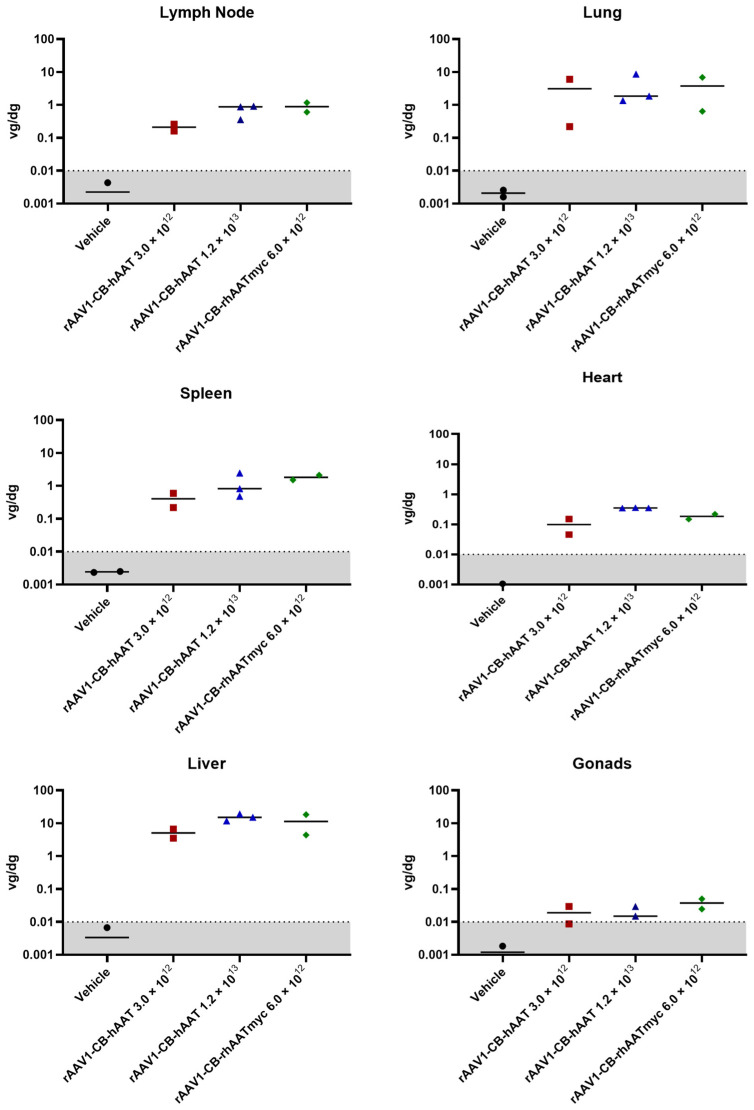 Figure 2
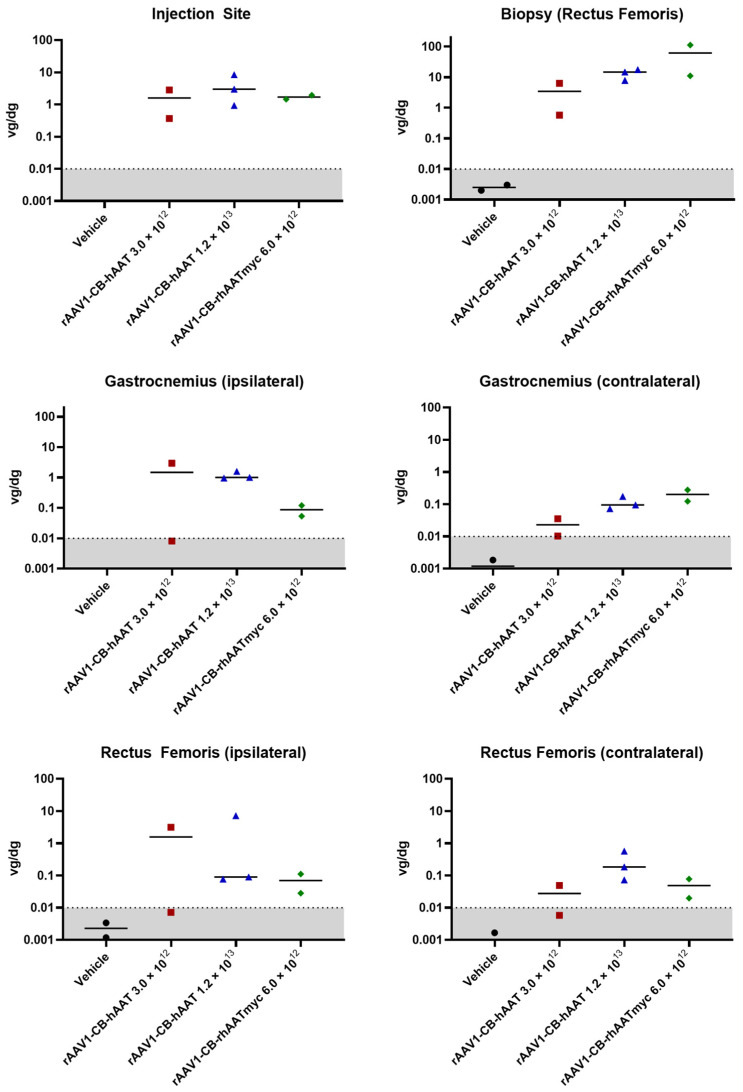 Figure 3
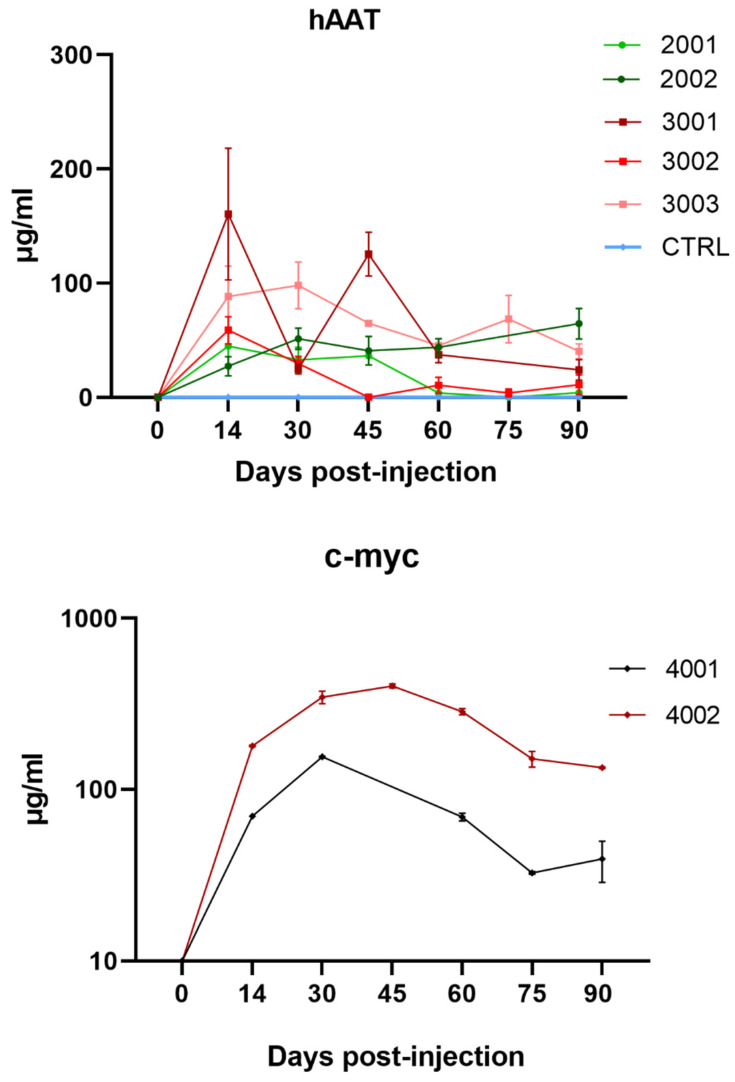 Figure 4
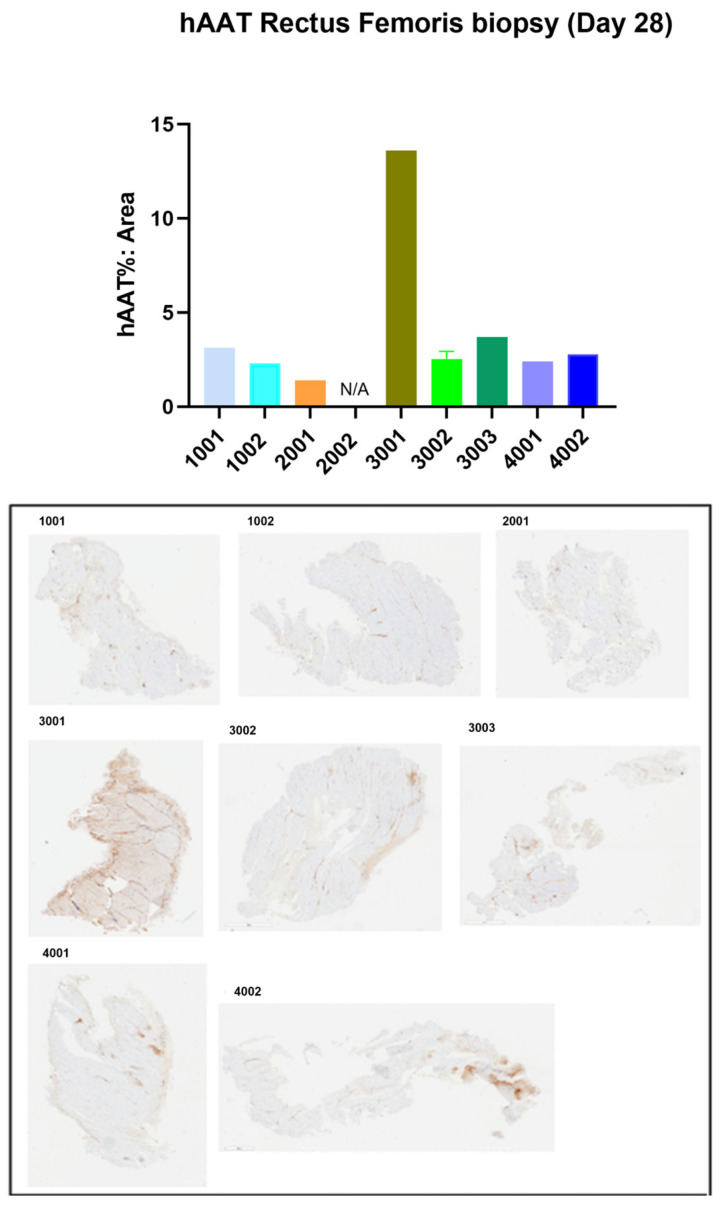 Figure 5
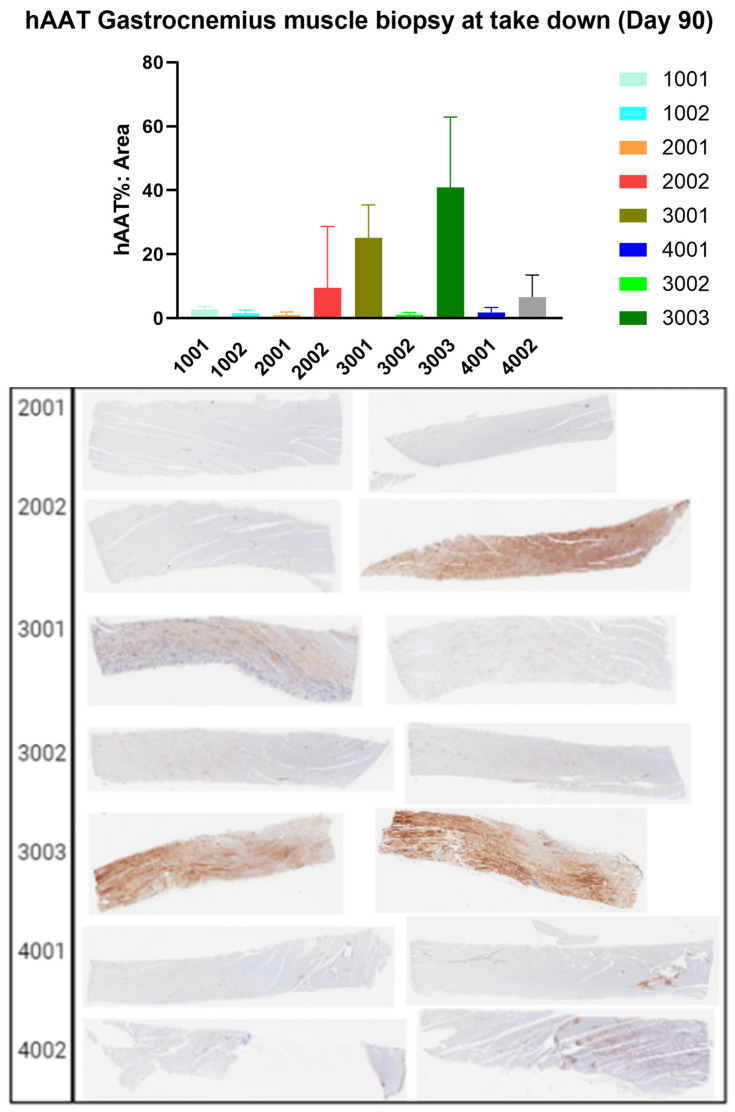 Figure 6
Peer Reviews
No public reviews on file for this paper yet. If you reviewed it on a platform where reviews are public (OpenReview, ICLR, NeurIPS, ICML), you can paste yours below so the community can read it here.
Videos
No videos yet. Explain this paper in a talk, walkthrough, or lecture? Add one.
Taxonomy
TopicsVirus-based gene therapy research · Viral gastroenteritis research and epidemiology · RNA Interference and Gene Delivery