Information-Theoretic Modeling of Categorical Spatiotemporal GIS Data
David Percy, Martin Zwick

TL;DR
This paper uses an information-theoretic approach to model land use changes over time, focusing on predicting shifts in evergreen forest coverage.
Contribution
The study introduces Reconstructability Analysis as a novel method for modeling categorical spatiotemporal GIS data.
Findings
RA predicts the presence or absence of Evergreen Forest with approximately 80% accuracy using a sparse set of neighboring cells.
Cells with Shrubs and Grasses are strongly associated with future Evergreen Forest states, while cells with Evergreen Forest are associated with non-Evergreen Forest states.
The findings suggest cyclical forest clear-cut patterns explain the dynamic nature of the Evergreen Forest class.
Abstract
An information-theoretic data mining method is employed to analyze categorical spatiotemporal Geographic Information System land use data. Reconstructability Analysis (RA) is a maximum-entropy-based data modeling methodology that works exclusively with discrete data such as those in the National Land Cover Database (NLCD). The NLCD is organized into a spatial (raster) grid and data are available in a consistent format for every five years from 2001 to 2021. An NLCD tool reports how much change occurred for each category of land use; for the study area examined, the most dynamic class is Evergreen Forest (EFO), so the presence or absence of EFO in 2021 was chosen as the dependent variable that our data modeling attempts to predict. RA predicts the outcome with approximately 80% accuracy using a sparse set of cells from a spacetime data cube consisting of neighboring lagged-time cells.…
Genes, proteins, chemicals, diseases, species, mutations and cell lines named across the full text — each resolved to its canonical identifier and authoritative record.
Click any figure to enlarge with its caption.
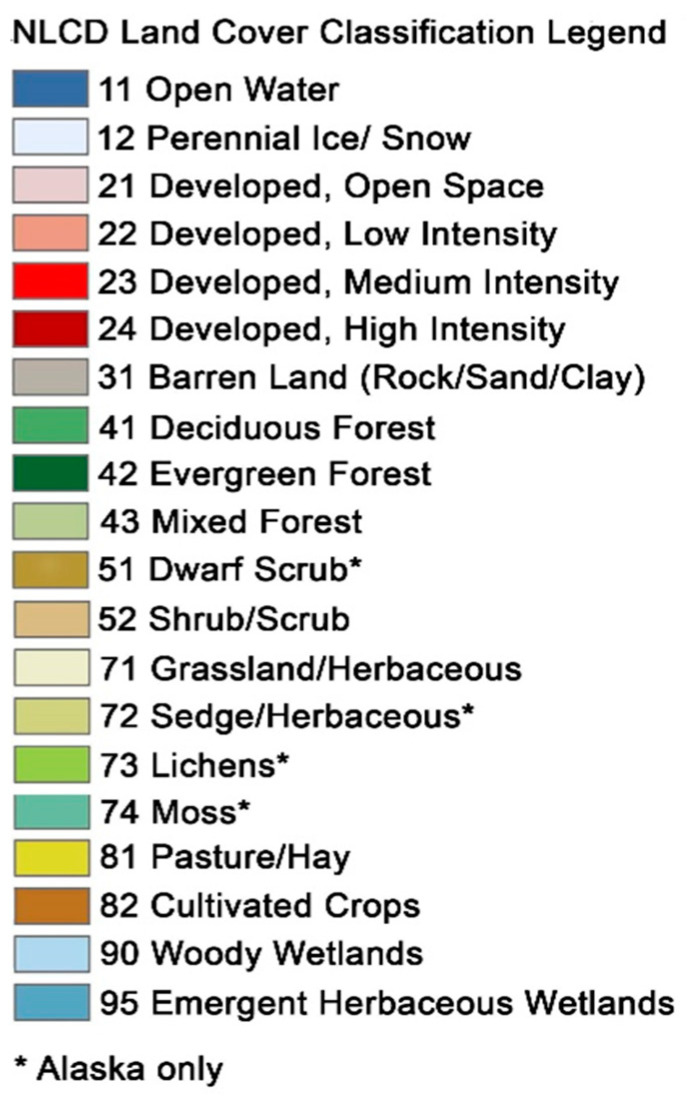 Figure 1
 Figure 2
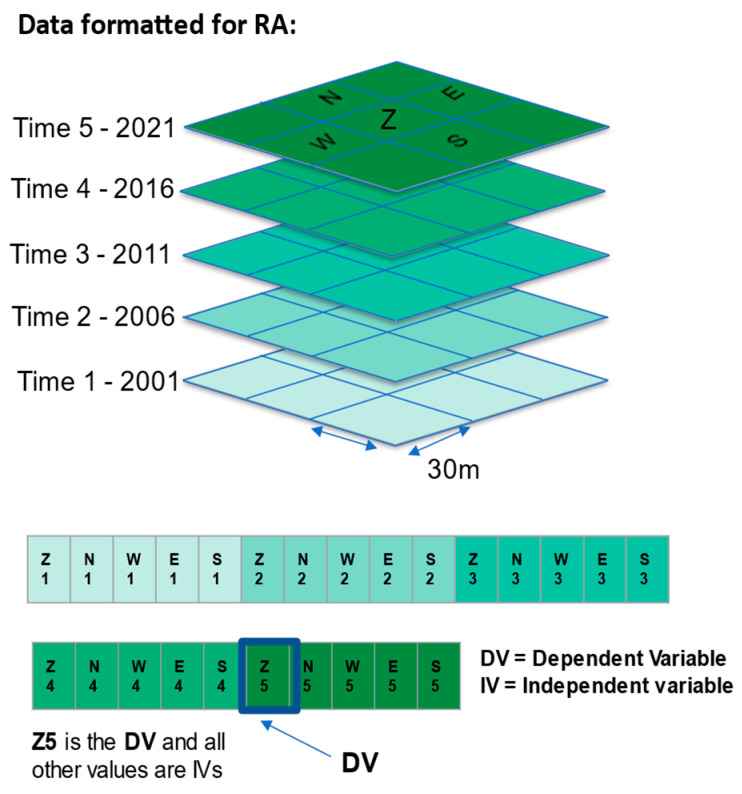 Figure 3
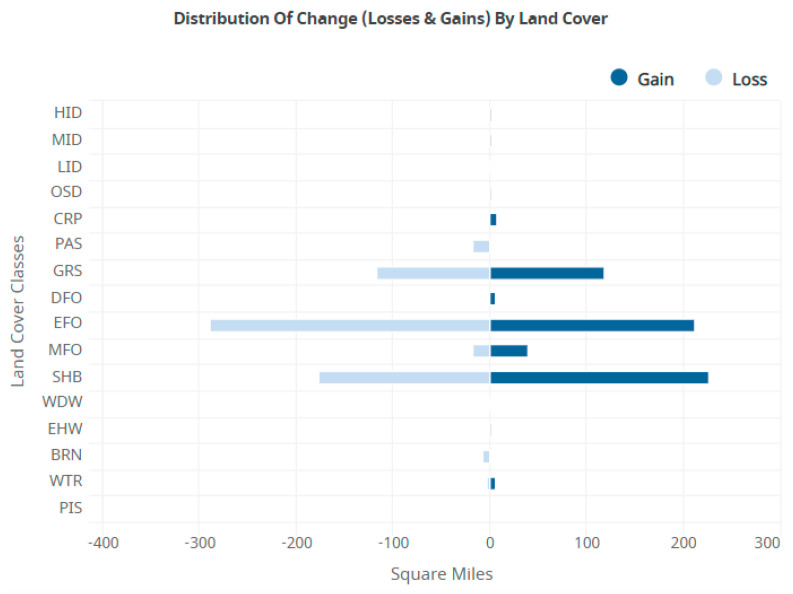 Figure 4
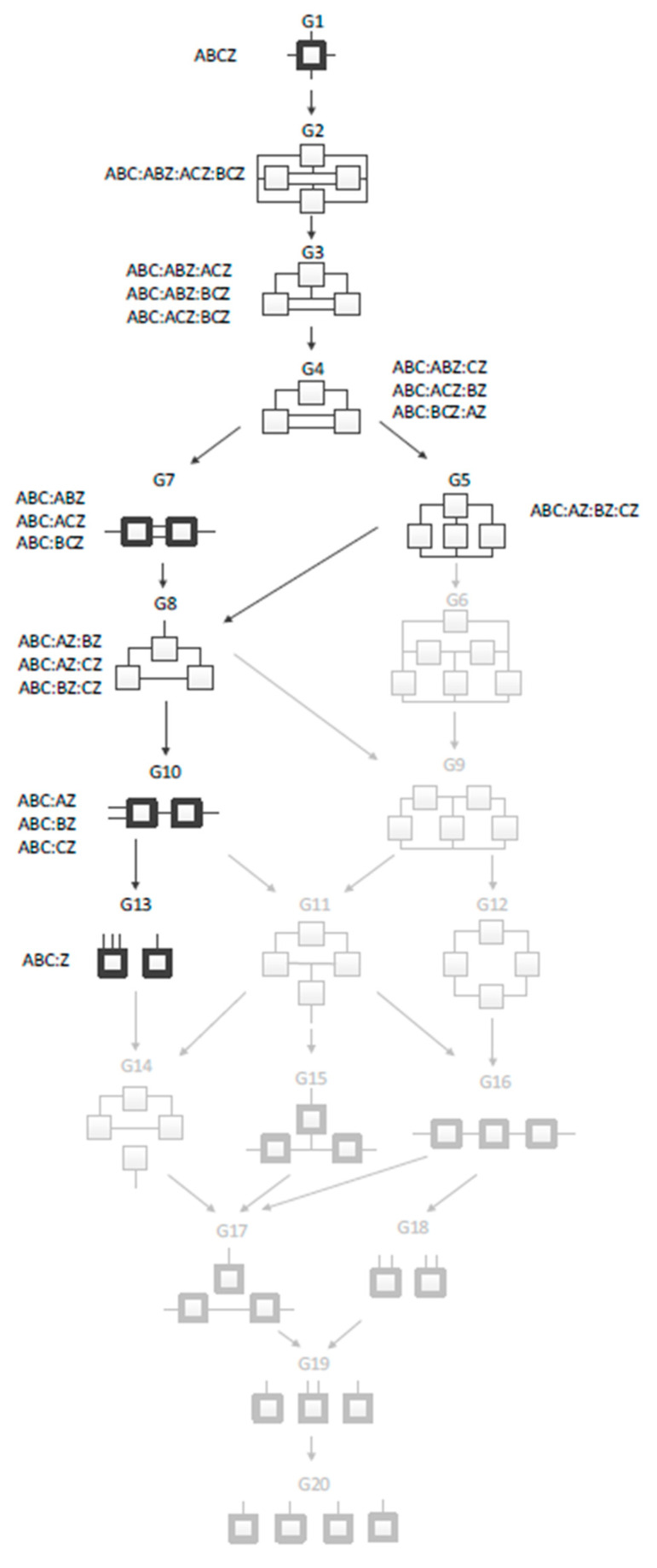 Figure 5
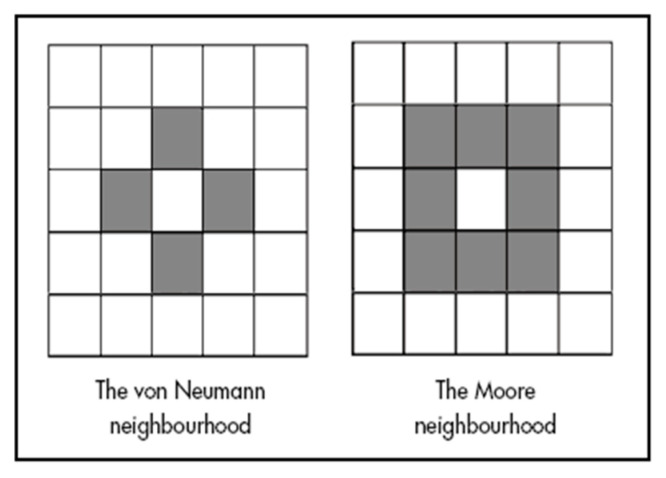 Figure 6
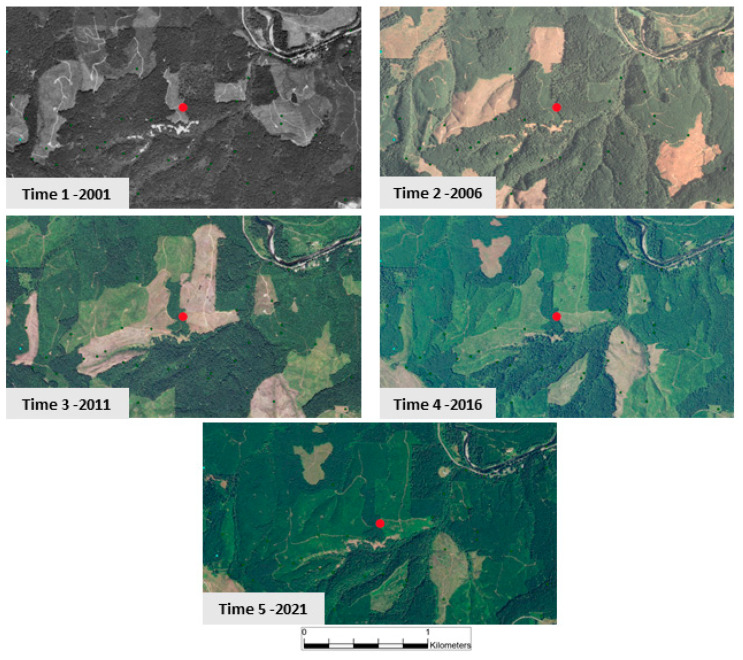 Figure 7
Peer Reviews
No public reviews on file for this paper yet. If you reviewed it on a platform where reviews are public (OpenReview, ICLR, NeurIPS, ICML), you can paste yours below so the community can read it here.
Videos
No videos yet. Explain this paper in a talk, walkthrough, or lecture? Add one.
Taxonomy
TopicsLand Use and Ecosystem Services · Remote Sensing in Agriculture · Ecology and Vegetation Dynamics Studies