The Complete Mitochondrial Genome and Phylogenetic Analysis of Rhagastis binoculata (Matsumura, 1909) (Lepidoptera: Sphingidae)
Yu-Yun Kuo, Ju-Chun Chang, Yi-Hsuan Li, Yu-Feng Huang, Tzong-Yuan Wu, Yu-Shin Nai

TL;DR
This paper reports the complete mitochondrial genome of the endemic moth Rhagastis binoculata from Taiwan and its phylogenetic placement within the Sphingidae family.
Contribution
The study provides the first complete mitogenome of R. binoculata and its phylogenetic analysis within Sphingidae.
Findings
The mitogenome of R. binoculata is 15,303 bp and includes standard mitochondrial genes.
The genome has a high AT content (80.6%) and unique start codon usage for COX1.
Phylogenetic analysis places R. binoculata closely related to Rhagastis mongoliana.
Abstract
The mitochondrial genome (mitogenome) Rhagastis binoculata (Matsumura, 1909), an endemic moth species in Taiwan, was sequenced and analyzed. The complete circular mitogenome of R. binoculata is 15,303 bp and contains 13 protein-coding genes, 22 transfer RNA genes, 2 ribosomal RNA genes, and an AT-rich control region. The mitogenome has an overall nucleotide composition of 41.2% A, 11.9% C, 7.5% G, and 39.4% T, with an AT content of 80.6%. Of the protein-coding genes (PCGs), 12 start with ATG, ATT, and ATC, and COX1 starts with a “CGA” codon. All of the stop codons are “TAA, TAG, or T”. Our phylogenetic analysis of 21 species of Sphingidae insects suggests that R. binoculata is clustered with Rhagastis mongoliana, which belongs to the subfamily Macroglossinae.
Genes, proteins, chemicals, diseases, species, mutations and cell lines named across the full text — each resolved to its canonical identifier and authoritative record.
Click any figure to enlarge with its caption.
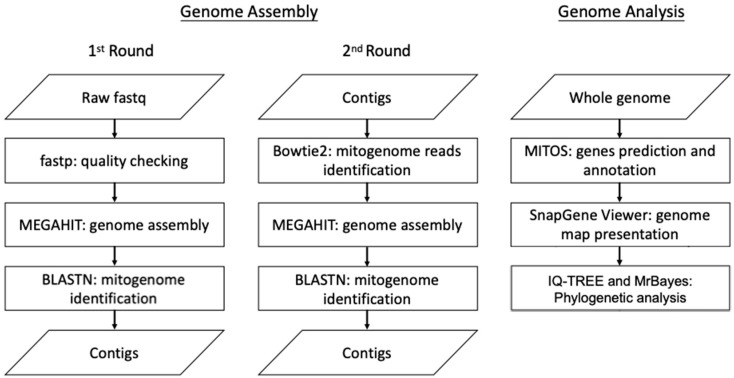 Figure 1
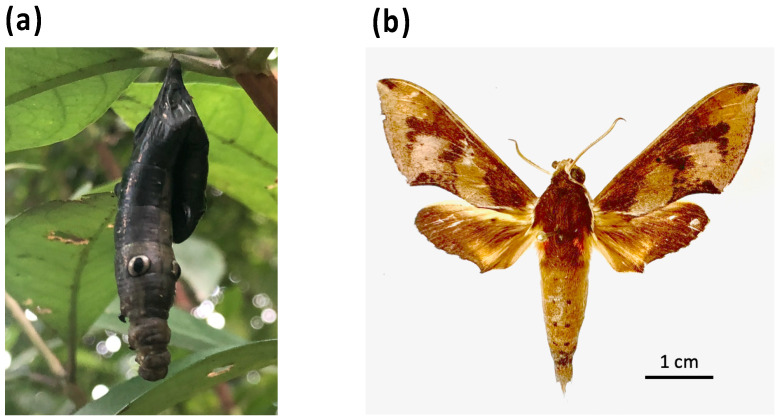 Figure 2
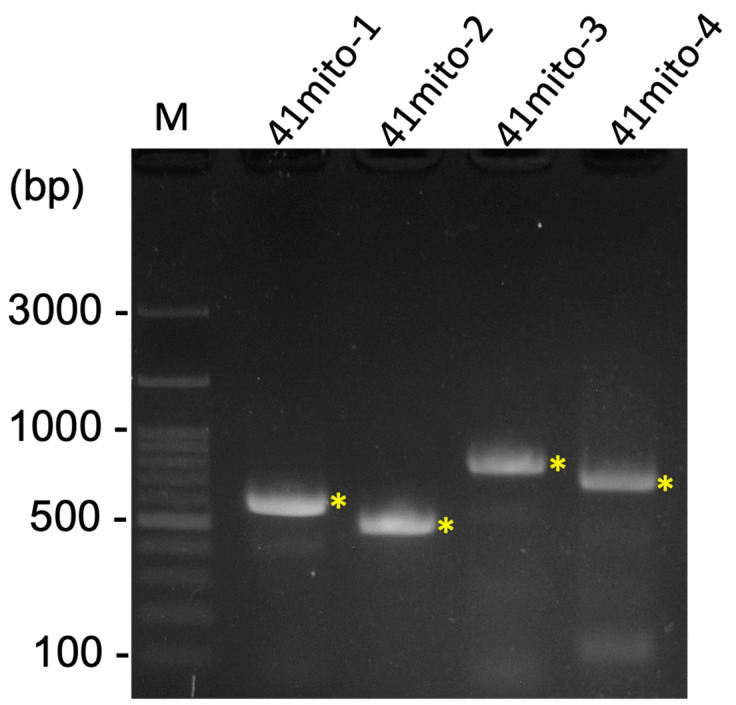 Figure 3
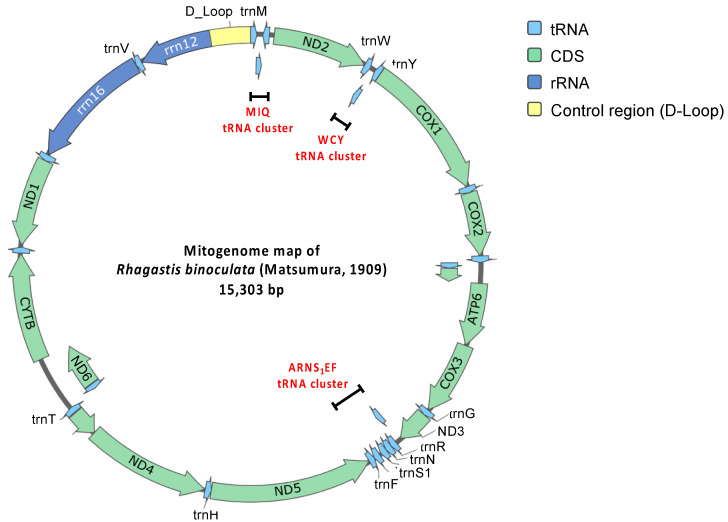 Figure 4
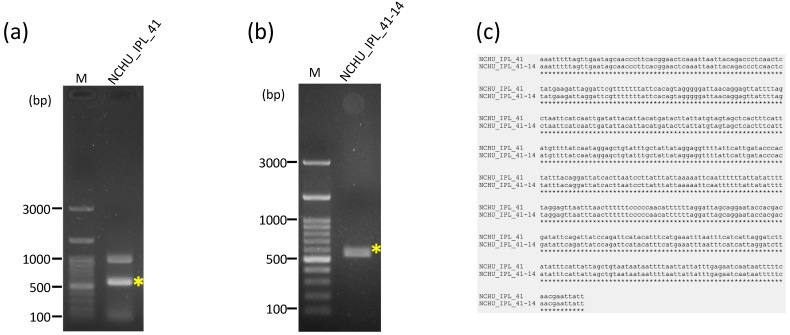 Figure 5
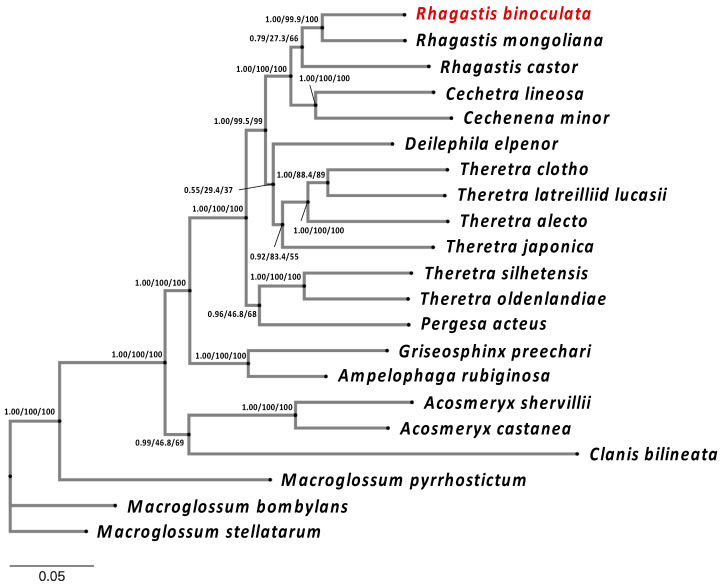 Figure 6
Peer Reviews
No public reviews on file for this paper yet. If you reviewed it on a platform where reviews are public (OpenReview, ICLR, NeurIPS, ICML), you can paste yours below so the community can read it here.
Videos
No videos yet. Explain this paper in a talk, walkthrough, or lecture? Add one.
Taxonomy
TopicsLepidoptera: Biology and Taxonomy · Insect and Arachnid Ecology and Behavior · Plant and animal studies