Utility of Extraction-Free SARS-CoV-2 Detection by RT–qPCR for COVID-19 Testing in a Resource-Limited Setting
Akua K. Yalley, Selasie Ahiatrogah, Iddrisu I. Moro, Peter Gmagna, Isaac K. Yankson, Anna A. Kafintu-Kwashie, Nicholas I. Nii-Trebi

TL;DR
This study shows a cost-effective way to test for SARS-CoV-2 using a simplified RT–qPCR method without sample extraction, suitable for resource-limited settings like Ghana.
Contribution
The study introduces an affordable, extraction-free RT–qPCR protocol using low-cost reagents and wooden swabs for SARS-CoV-2 detection.
Findings
Extraction-free RT–qPCR using 0.1× PBS or water after heat inactivation gave comparable Cq values to traditional methods.
Wooden shaft swabs can be used if sample incubation is limited to under 6 hours.
The proposed method reduces costs by eliminating the need for expensive extraction kits and equipment.
Abstract
The COVID-19 epidemic had a profound impact on global health and the economy and Ghana was no exception to its far-reaching consequences. Regarding detection of the causative agent—the severe acute respiratory syndrome coronavirus 2 (SARS-CoV-2), reverse-transcription–qPCR (RT–qPCR) is widely recognized as a very sensitive and reliable diagnostic technique used globally. There are, however, high operational costs in acquiring test kits, equipment, and accessories for RT–qPCR testing, which pose significant challenges in resource-limited settings. Hence, this proof-of-concept study set out to develop a more affordable COVID-19 protocol for use in low or lower-middle-income settings, such as Ghana, that would bypass the traditional extraction process using inexpensive reagents and evaluate the possibility of processing samples collected using wooden shaft swabs. Several less expensive…
Genes, proteins, chemicals, diseases, species, mutations and cell lines named across the full text — each resolved to its canonical identifier and authoritative record.
Click any figure to enlarge with its caption.
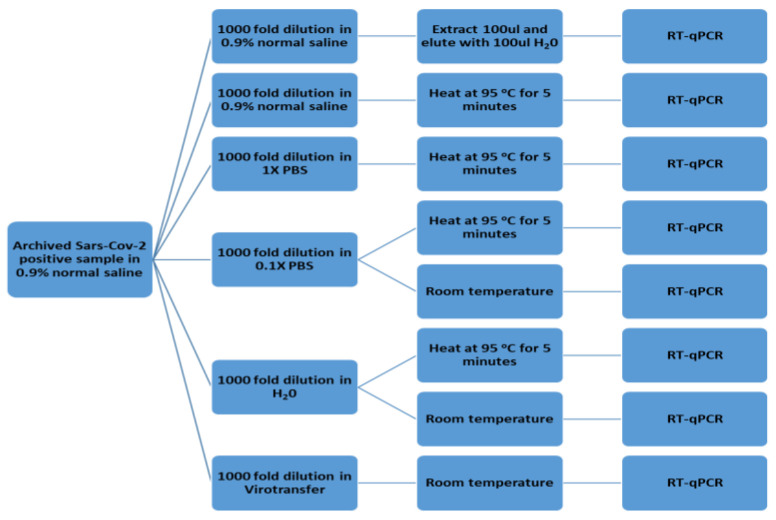 Figure 1
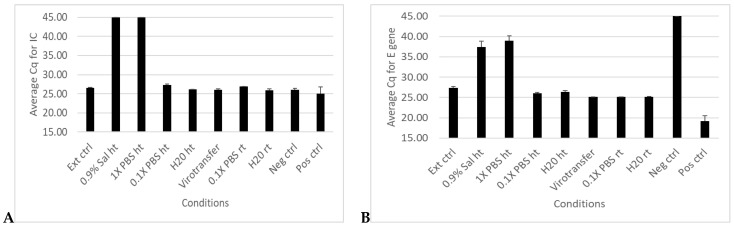 Figure 2
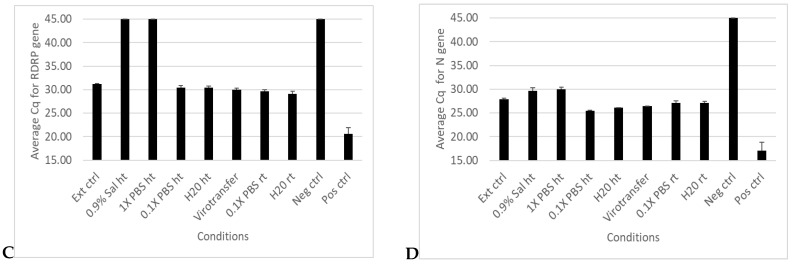 Figure 3
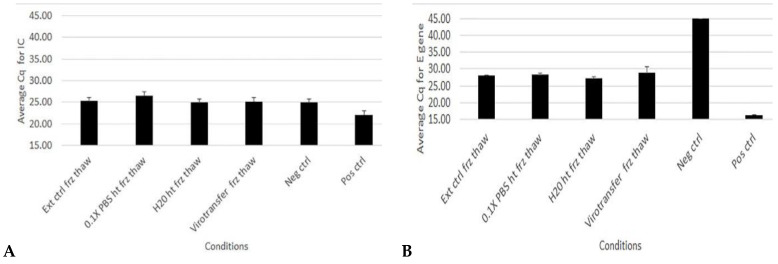 Figure 4
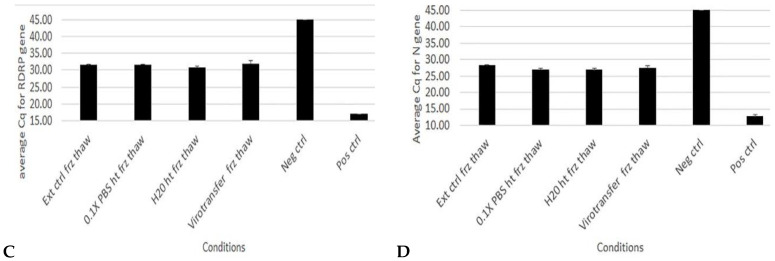 Figure 5
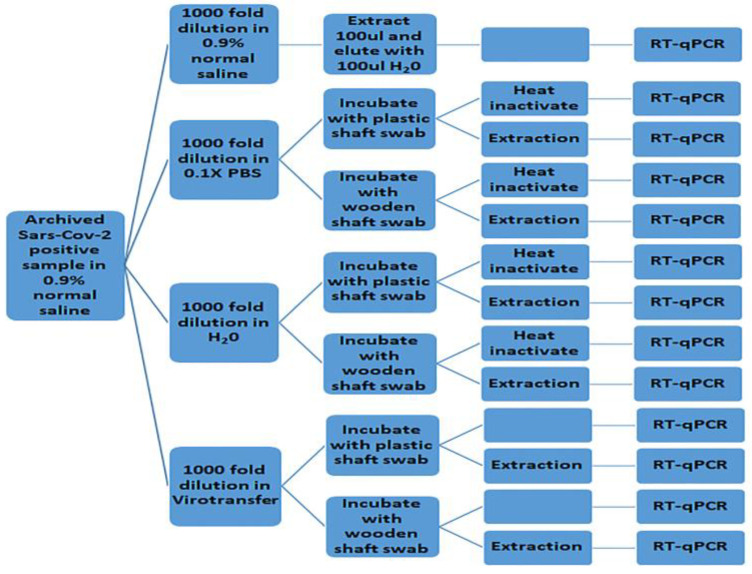 Figure 6
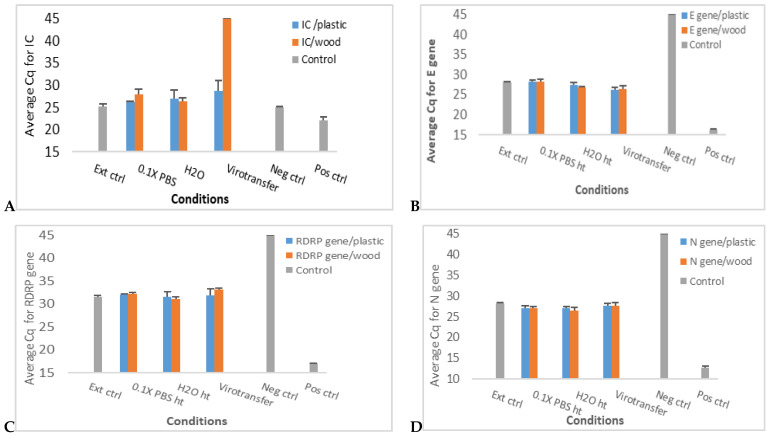 Figure 7
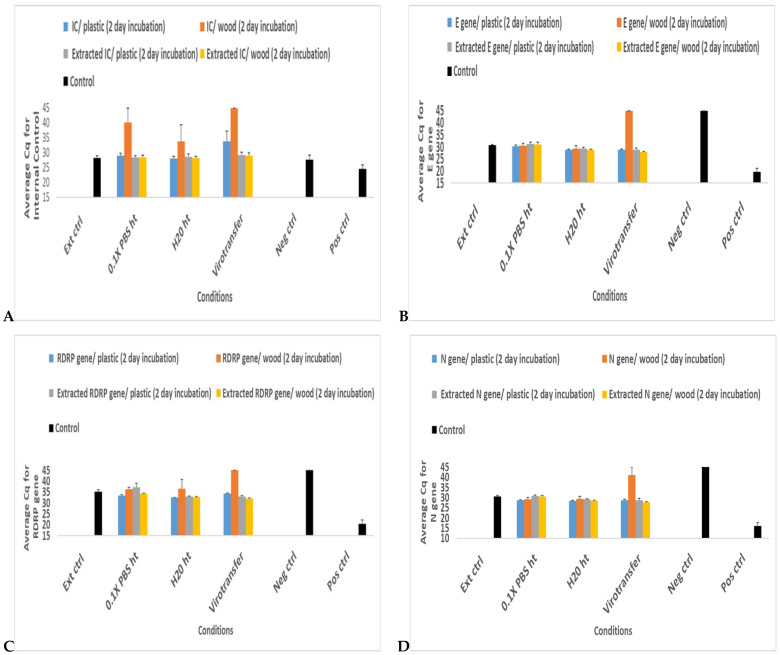 Figure 8
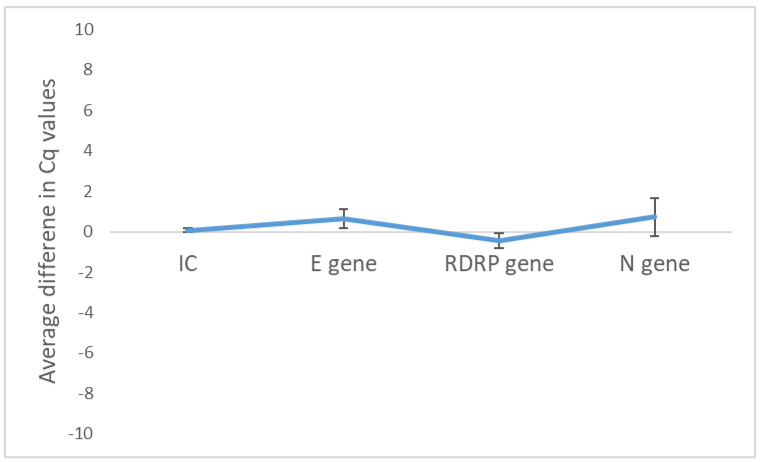 Figure 9
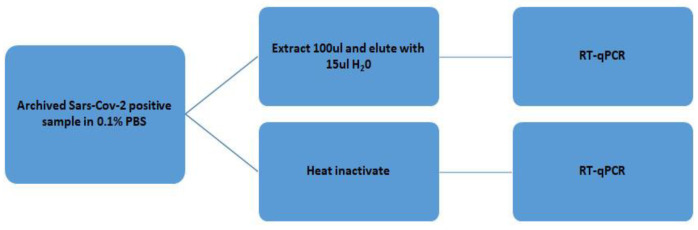 Figure 10
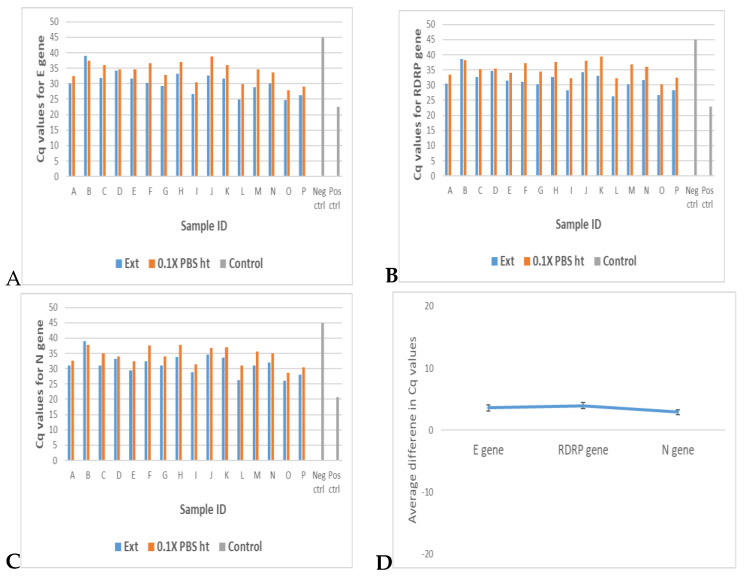 Figure 11
Peer Reviews
No public reviews on file for this paper yet. If you reviewed it on a platform where reviews are public (OpenReview, ICLR, NeurIPS, ICML), you can paste yours below so the community can read it here.
Videos
No videos yet. Explain this paper in a talk, walkthrough, or lecture? Add one.
Taxonomy
TopicsSARS-CoV-2 detection and testing · Biosensors and Analytical Detection · COVID-19 diagnosis using AI