Transcriptomic Differences by RNA Sequencing for Evaluation of New Method for Long-Time In Vitro Culture of Cryopreserved Testicular Tissue for Oncologic Patients
Cheng Pei, Plamen Todorov, Qingduo Kong, Mengyang Cao, Evgenia Isachenko, Gohar Rahimi, Frank Nawroth, Nina Mallmann-Gottschalk, Wensheng Liu, Volodimir Isachenko

TL;DR
The study evaluates a new method for long-term in vitro culture of cryopreserved testicular tissue using RNA sequencing to assess transcriptomic differences.
Contribution
A novel in vitro culture method using fibrin encapsulation and constant stirring is proposed to minimize thawing method impacts on testicular tissue.
Findings
Fewest differentially expressed genes were observed between testicular tissue cultured after quick and slow thawing.
Significantly up-regulated genes included C4B_2, LOC107987373, and GJA4, while SULT1A4, FBLN2, and CCN2 were down-regulated.
Differential genes were enriched in pathways related to actin cytoskeleton regulation, lysosome function, and spermatogenesis.
Abstract
Background: Earlier studies have established that culturing human ovarian tissue in a 3D system with a small amount of soluble Matrigel (a basement membrane protein) for 7 days in vitro increased gene fusion and alternative splicing events, cellular functions, and potentially impacted gene expression. However, this method was not suitable for in vitro culture of human testicular tissue. Objective: To test a new method for long-time in vitro culture of testicular fragments, thawed with two different regimes, with evaluation of transcriptomic differences by RNA sequencing. Methods: Testicular tissue samples were collected, cryopreserved (frozen and thawed), and evaluated immediately after thawing and following one week of in vitro culture. Before in vitro culture, tissue fragments were encapsulated in fibrin. Four experimental groups were formed. Group 1: tissue quickly thawed (in boiling…
Genes, proteins, chemicals, diseases, species, mutations and cell lines named across the full text — each resolved to its canonical identifier and authoritative record.
Click any figure to enlarge with its caption.
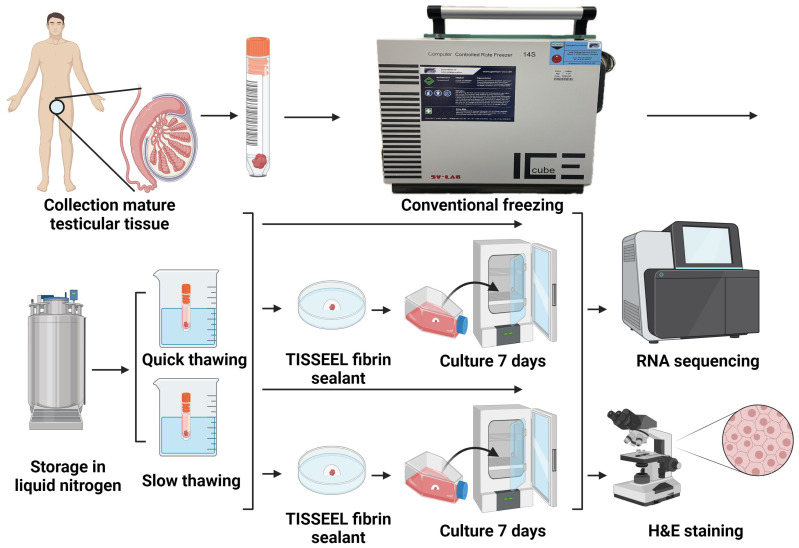 Figure 1
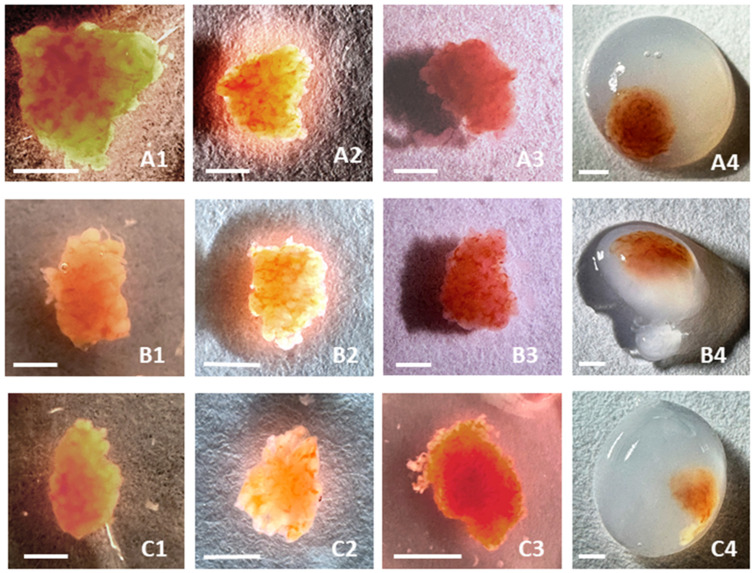 Figure 2
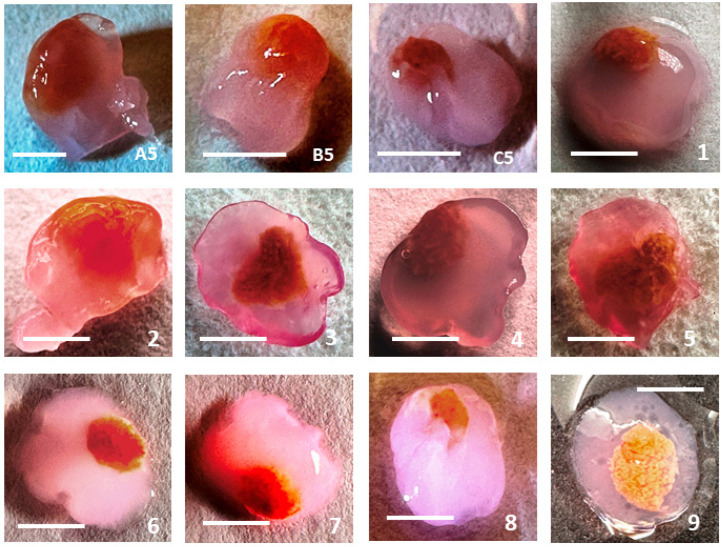 Figure 3
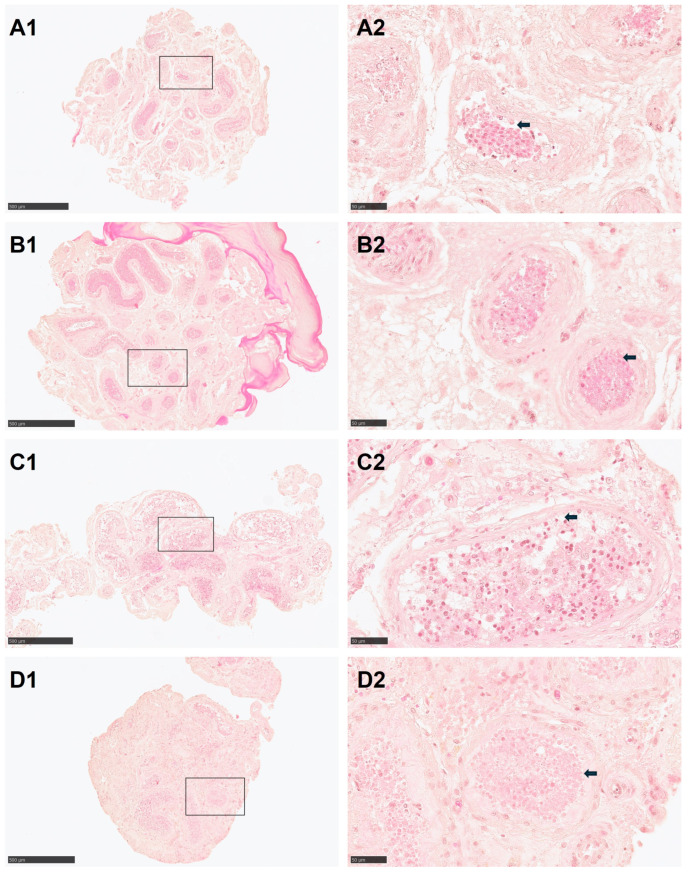 Figure 4
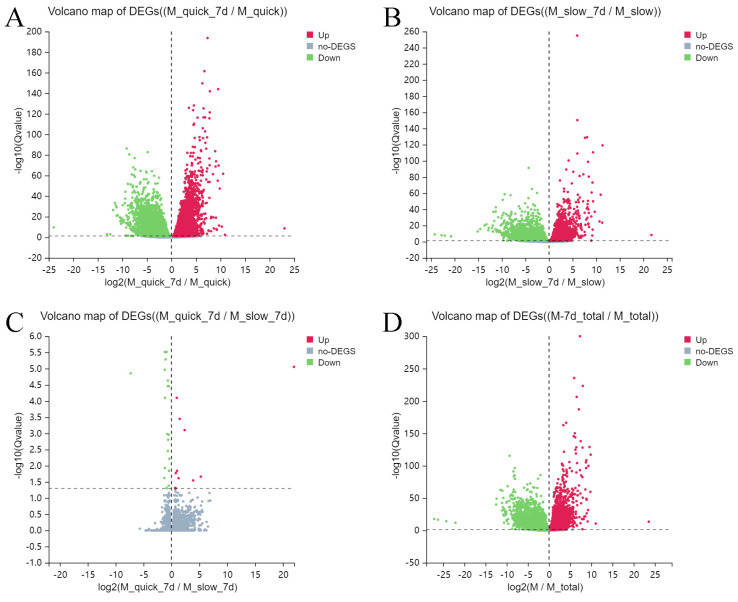 Figure 5
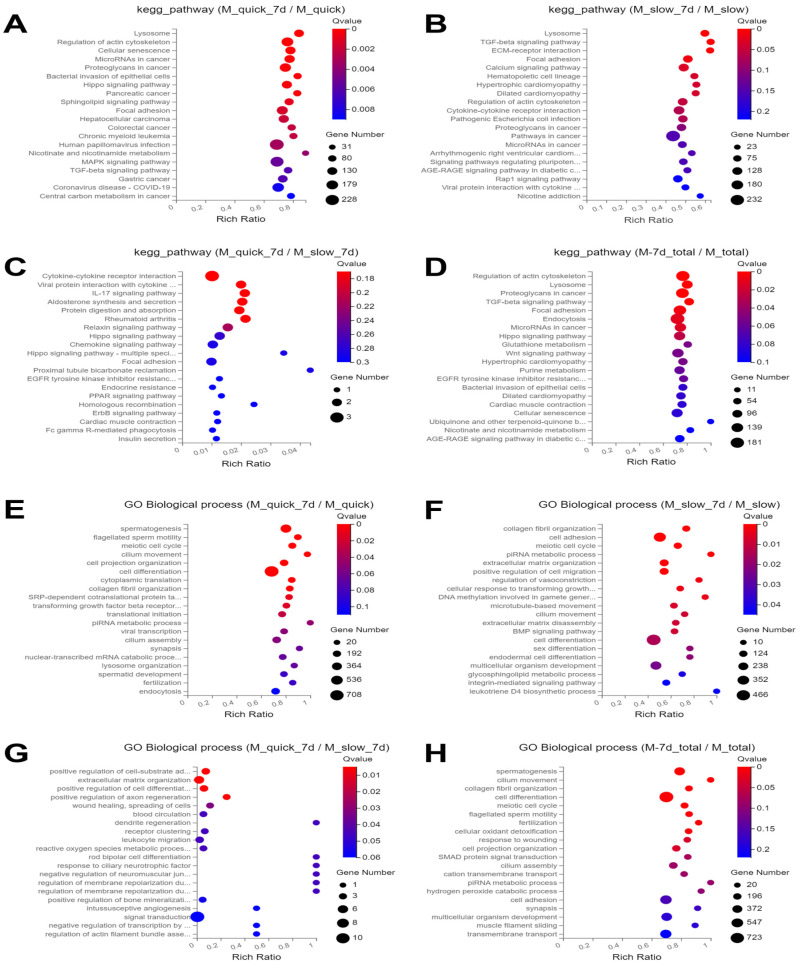 Figure 6
Peer Reviews
No public reviews on file for this paper yet. If you reviewed it on a platform where reviews are public (OpenReview, ICLR, NeurIPS, ICML), you can paste yours below so the community can read it here.
Videos
No videos yet. Explain this paper in a talk, walkthrough, or lecture? Add one.
Taxonomy
TopicsSperm and Testicular Function · Testicular diseases and treatments · Reproductive Biology and Fertility