Impacts of DROSHA (rs10719) and DICER (rs3742330) Variants on Breast Cancer Risk and Their Distribution in Blood and Tissue Samples of Egyptian Patients
Aly A. M. Shaalan, Essam Al Ageeli, Shahad W. Kattan, Amany I. Almars, Nouf A. Babteen, Abdulmajeed A. A. Sindi, Eman A. Toraih, Manal S. Fawzy, Marwa Hussein Mohamed

TL;DR
This study finds that specific genetic variants in DROSHA and DICER genes are linked to higher breast cancer risk in Egyptian patients and are more common in tumor tissue.
Contribution
The study is the first to explore the role of DROSHA rs10719 and DICER rs3742330 variants in Egyptian breast cancer patients.
Findings
The DROSHA rs10719 AA genotype increases breast cancer risk by 3.2-fold in Egyptian patients.
The DICER rs3742330 GG genotype increases breast cancer risk by 3.51-fold in the same population.
Risk alleles for both variants are significantly more prevalent in tumor tissue than in normal tissue.
Abstract
MicroRNAs (miRNAs) are small, noncoding RNAs that regulate gene expression and play critical roles in tumorigenesis. Genetic variants in miRNA processing genes, DROSHA and DICER, have been implicated in cancer susceptibility and progression in various populations. However, their role in Egyptian patients with breast cancer (BC) remains unexplored. This study aims to investigate the association of DROSHA rs10719 and DICER rs3742330 polymorphisms with BC risk and clinical outcomes. This case–control study included 209 BC patients and 106 healthy controls. Genotyping was performed using TaqMan assays in blood, tumor tissue, and adjacent non-cancerous tissue samples. Associations were analyzed using logistic regression and Fisher’s exact test. The DROSHA rs10719 AA genotype was associated with a 3.2-fold increased risk (95%CI = 1.23–9.36, p < 0.001), and the DICER rs3742330 GG genotype was…
Genes, proteins, chemicals, diseases, species, mutations and cell lines named across the full text — each resolved to its canonical identifier and authoritative record.
Click any figure to enlarge with its caption.
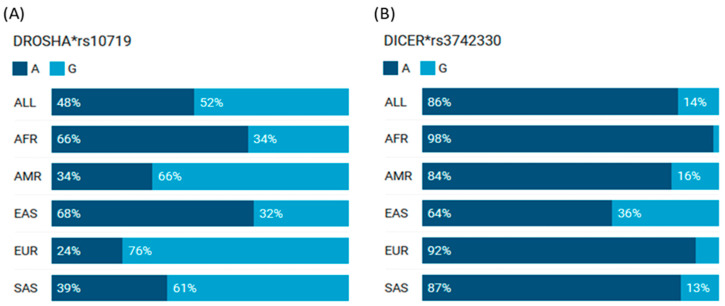 Figure 1
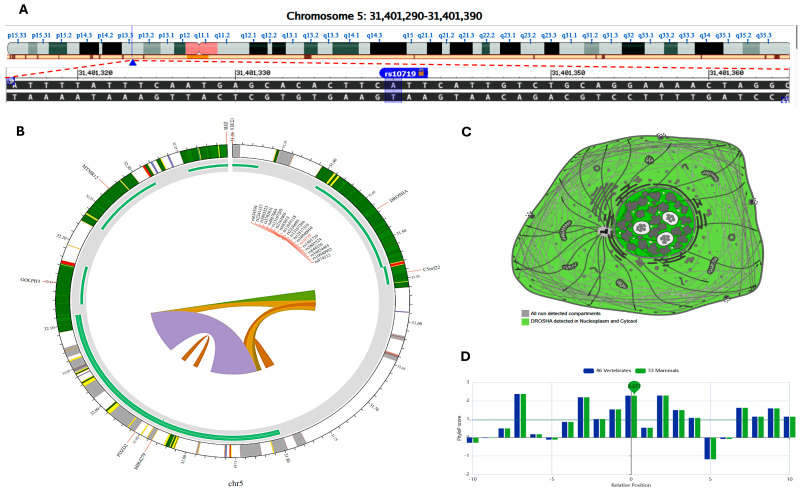 Figure 2
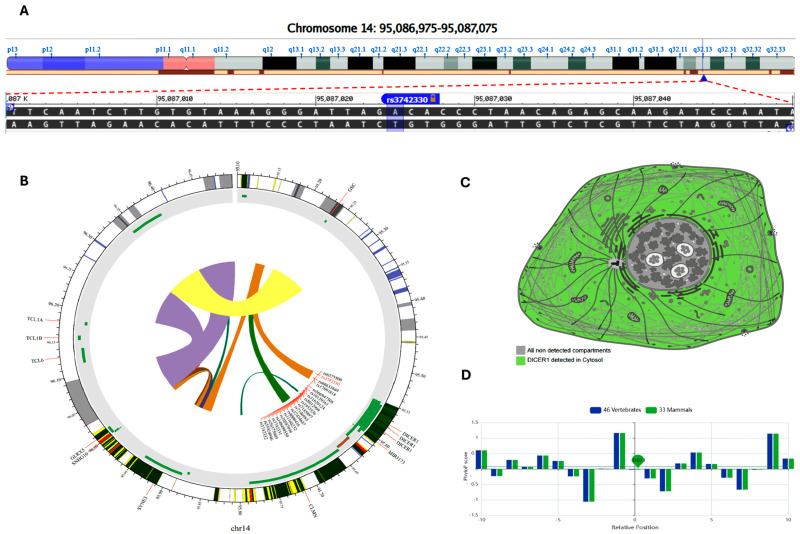 Figure 3
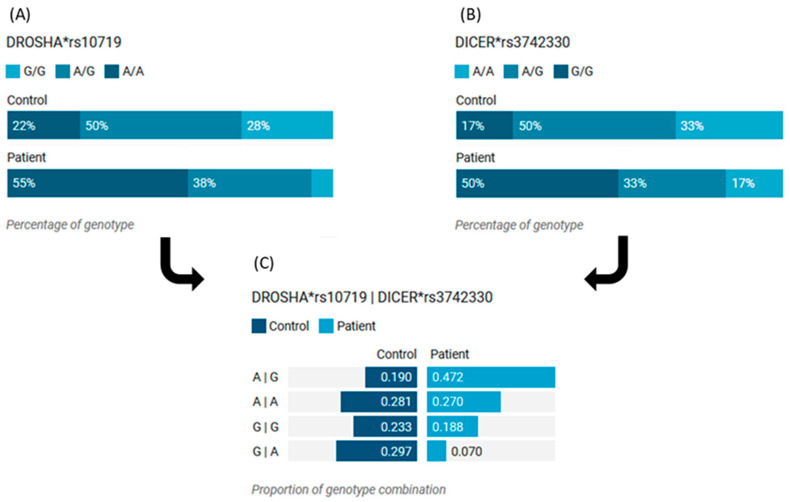 Figure 4
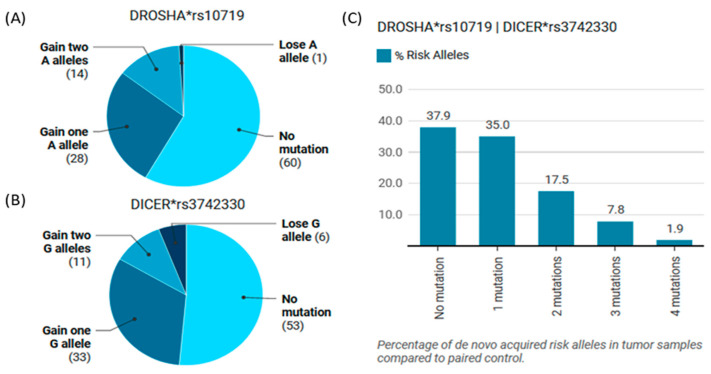 Figure 5
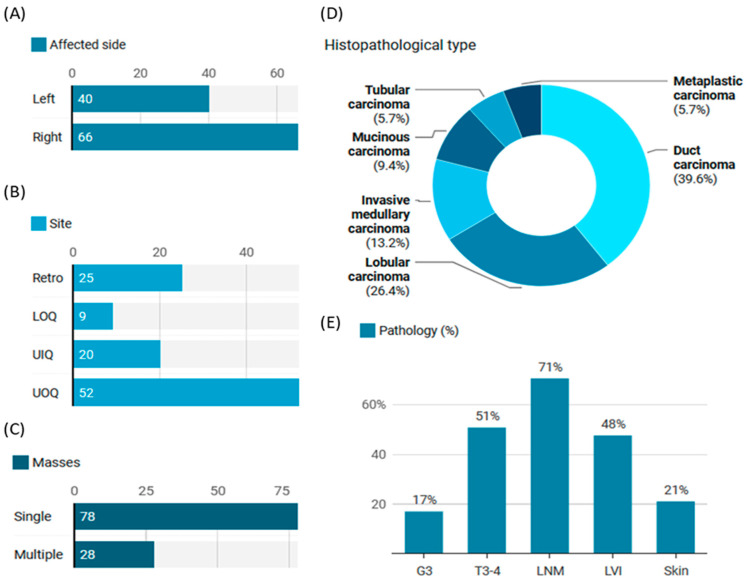 Figure 6
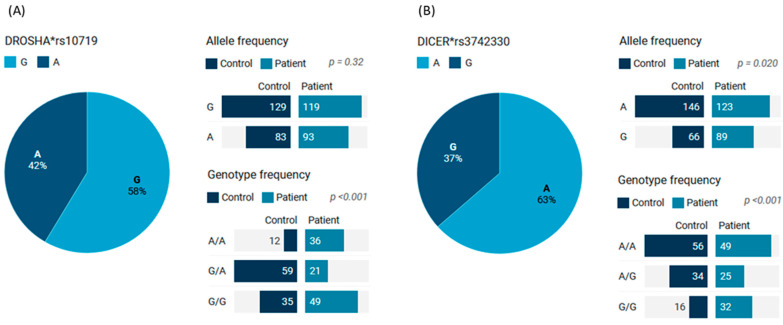 Figure 7
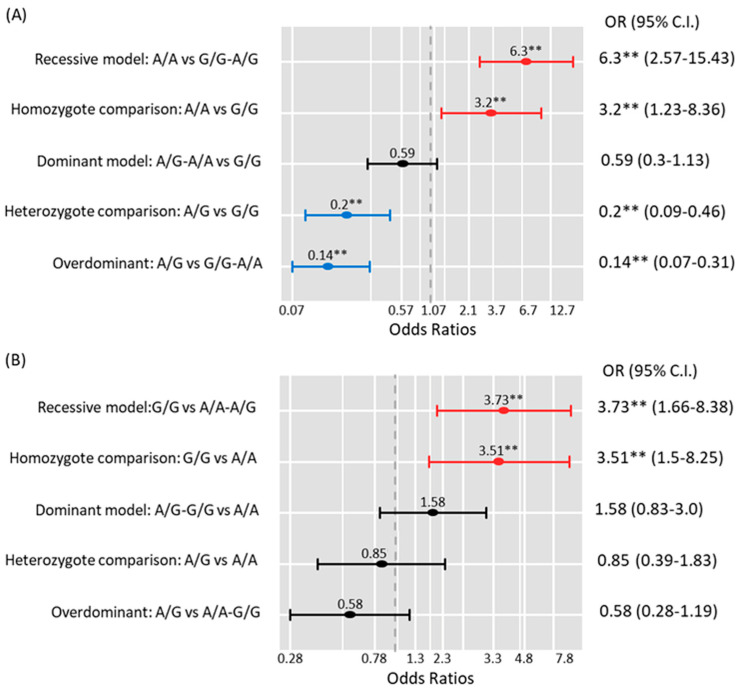 Figure 8
Peer Reviews
No public reviews on file for this paper yet. If you reviewed it on a platform where reviews are public (OpenReview, ICLR, NeurIPS, ICML), you can paste yours below so the community can read it here.
Videos
No videos yet. Explain this paper in a talk, walkthrough, or lecture? Add one.
Taxonomy
TopicsMicroRNA in disease regulation · Cancer-related molecular mechanisms research · Dietary Effects on Health