Genomic Exploration of a Chitinolytic Streptomyces albogriseolus PMB5 Strain from European mantis (Mantis religiosa)
Vesselin Baev, Ivan Iliev, Elena Apostolova, Mariyana Gozmanova, Yana Hristova, Yanitsa Ilieva, Galina Yahubyan, Velizar Gochev

TL;DR
This paper reports the genome of a chitin-degrading Streptomyces strain from a mantis, revealing antibiotic resistance genes and potential for new bioactive compounds.
Contribution
The study provides the first genomic analysis of a chitinolytic Streptomyces albogriseolus strain with detailed insights into its biosynthetic and resistance gene clusters.
Findings
The genome of Streptomyces albogriseolus PMB5 contains 19 biosynthetic gene clusters, including 10 with high similarity to known antimicrobial clusters.
PMB5 has over 50 chitin-related genes, including multiple LPMOs and chitinases, making it the first S. albogriseolus strain to utilize chitin as a carbon source.
Three biosynthetic gene clusters showed no similarity to known sequences, indicating potential for novel compound discovery.
Abstract
The genus Streptomyces is renowned not only for its natural antibiotic production but also for its abundant chitinolytic enzymes, which break down stubborn chitin into chitooligosaccharides. Despite this, there have been limited studies utilizing whole-genome sequencing to explore the repertoire of chitin degradation and utilization genes in Streptomyces. A particularly compelling source of novel antimicrobials and enzymes lies in the microbiota of insects, where bacterial symbionts produce antimicrobials to protect against opportunistic pathogens and enzymes to adapt to the environment. In this study, we present the chitinolytic strain Streptomyces albogriseolus PMB5, isolated from the insectivorous Mantis religiosa (European mantis). Whole-genome sequencing revealed that PMB5 harbors a linear chromosome of 7,211,961 bp and a linear plasmid of 327,989 bp. The genome comprises 6683…
Genes, proteins, chemicals, diseases, species, mutations and cell lines named across the full text — each resolved to its canonical identifier and authoritative record.
Click any figure to enlarge with its caption.
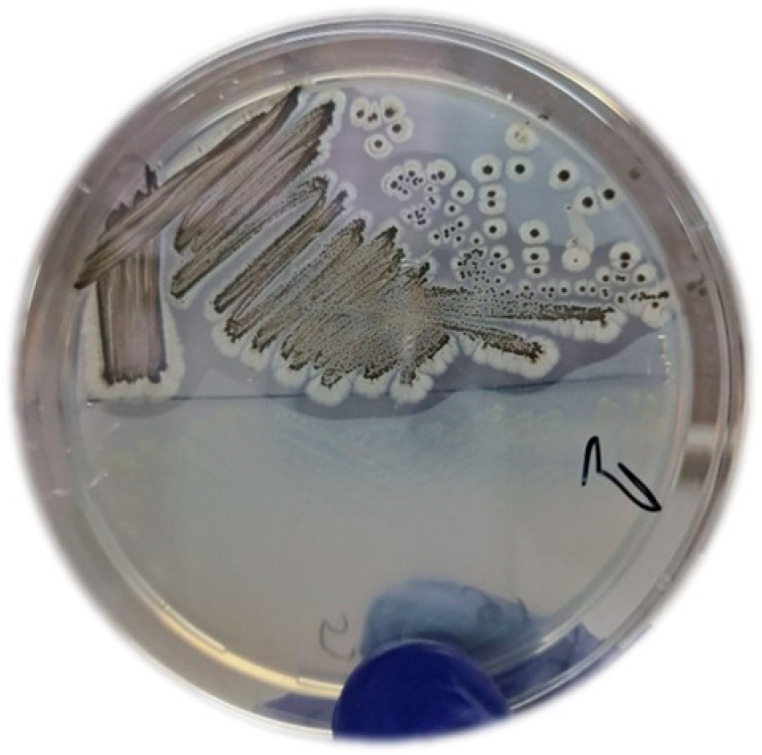 Figure 1
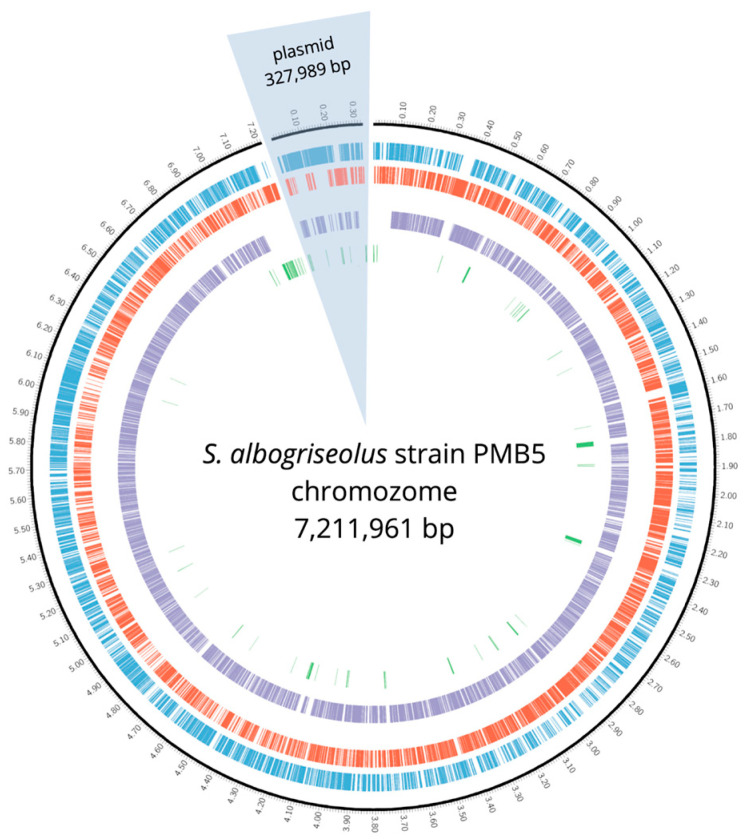 Figure 2
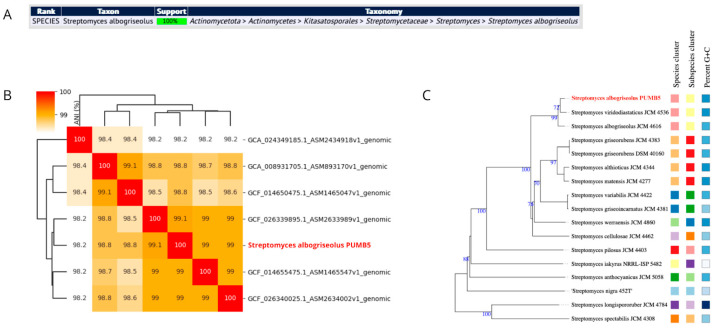 Figure 3
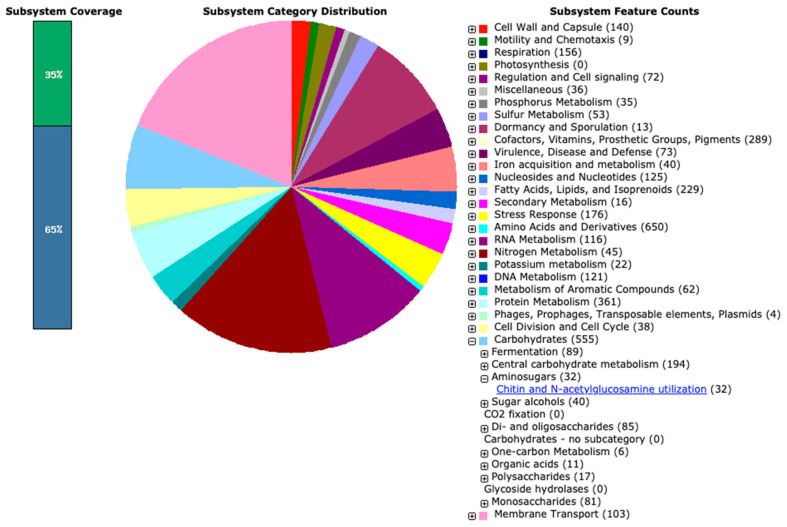 Figure 4
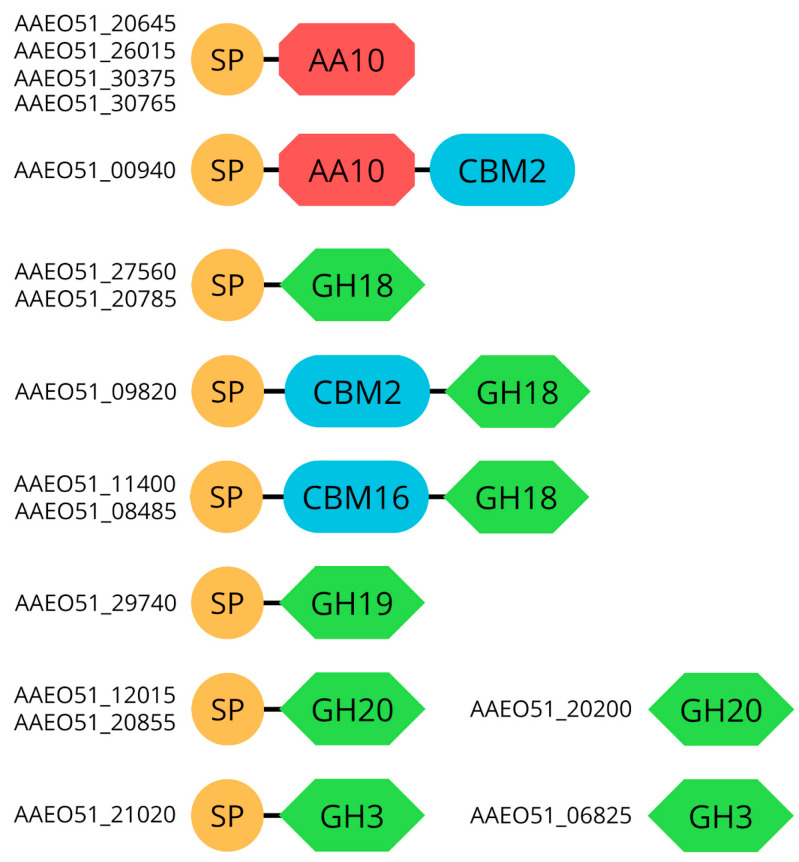 Figure 5
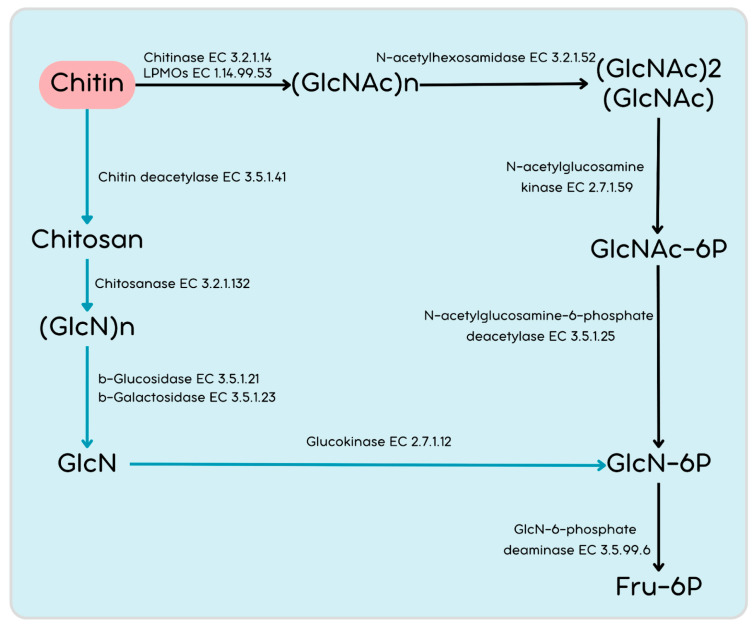 Figure 6
Peer Reviews
No public reviews on file for this paper yet. If you reviewed it on a platform where reviews are public (OpenReview, ICLR, NeurIPS, ICML), you can paste yours below so the community can read it here.
Videos
No videos yet. Explain this paper in a talk, walkthrough, or lecture? Add one.
Taxonomy
TopicsStudies on Chitinases and Chitosanases · Genomics and Phylogenetic Studies · Microbial Natural Products and Biosynthesis