Advanced Imaging Methodology in Bacterial Biofilms with a Fluorescent Enzymatic Sensor for pepN Activity
Javier Valverde-Pozo, Jose M. Paredes, María Eugenia García-Rubiño, María Dolores Girón, Rafael Salto, Jose M. Alvarez-Pez, Eva M. Talavera

TL;DR
A fluorescent sensor is used to study bacterial biofilms, showing how pepN activity can indicate biofilm maturity and help manage biofilm-related processes.
Contribution
A novel fluorescent sensor and imaging method for visualizing pepN activity in biofilms is introduced.
Findings
Overexpression of pepN enhances E. coli biofilm formation.
Fluorescent emission from the sensor reliably indicates biofilm maturity.
PepN activity varies during different stages of biofilm development.
Abstract
This research explores the use of the pepN activity fluorescent sensor DCM-Ala in bacterial biofilms, emphasizing its significance due to the critical role of biofilms in various biological processes. Advanced imaging techniques were employed to visualize pepN activity, introducing a novel approach to examining biofilm maturity. We found that the overexpression of pepN increases the ability of E. coli to form biofilm. The findings demonstrate varying levels of pepN activity throughout biofilm development, suggesting potential applications in biofilm research and management. The results indicate that the fluorescent emission from this sensor could serve as a reliable indicator of biofilm maturity, and the imaging techniques developed could enhance our understanding and control of biofilm-related processes. This work highlights the importance of innovative methods in biofilm study and…
Genes, proteins, chemicals, diseases, species, mutations and cell lines named across the full text — each resolved to its canonical identifier and authoritative record.
Click any figure to enlarge with its caption.
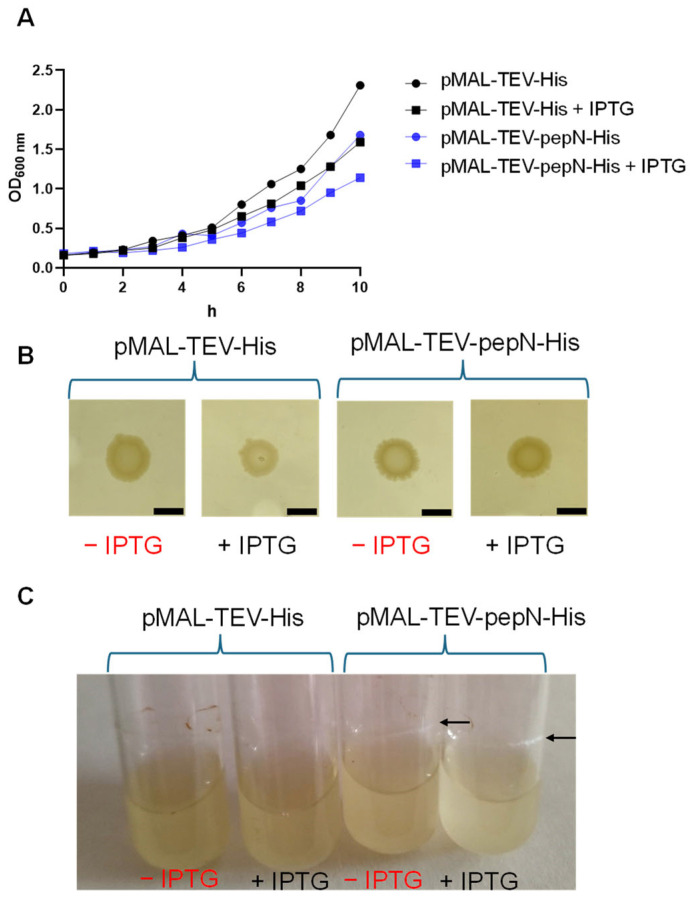 Figure 1
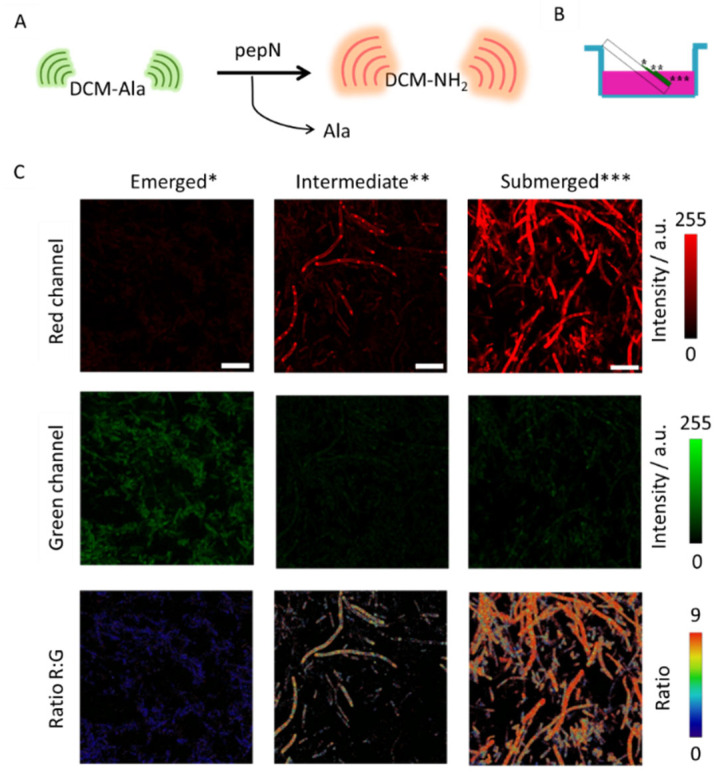 Figure 2
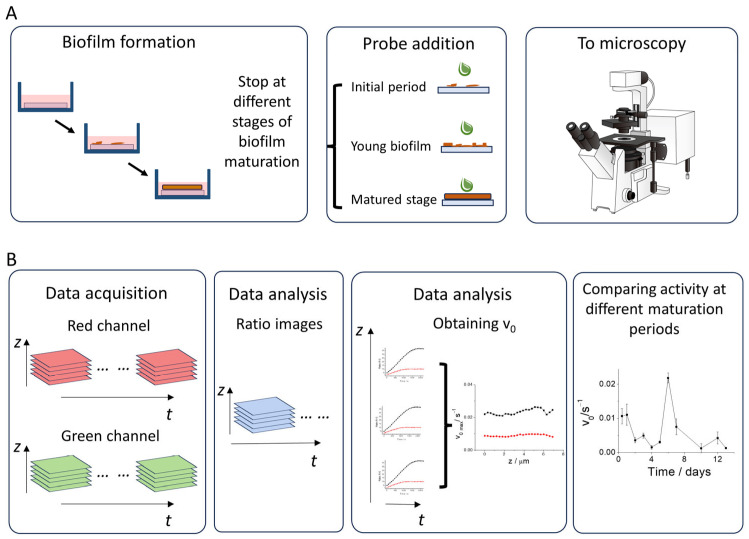 Figure 3
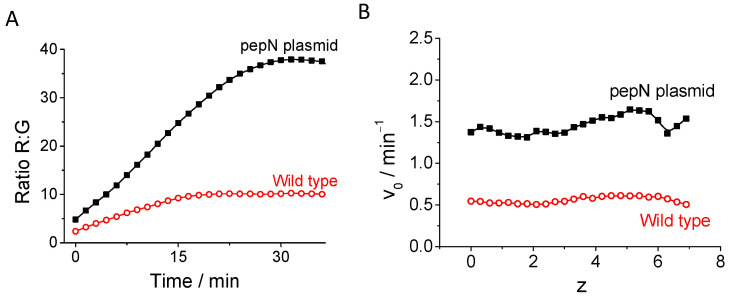 Figure 4
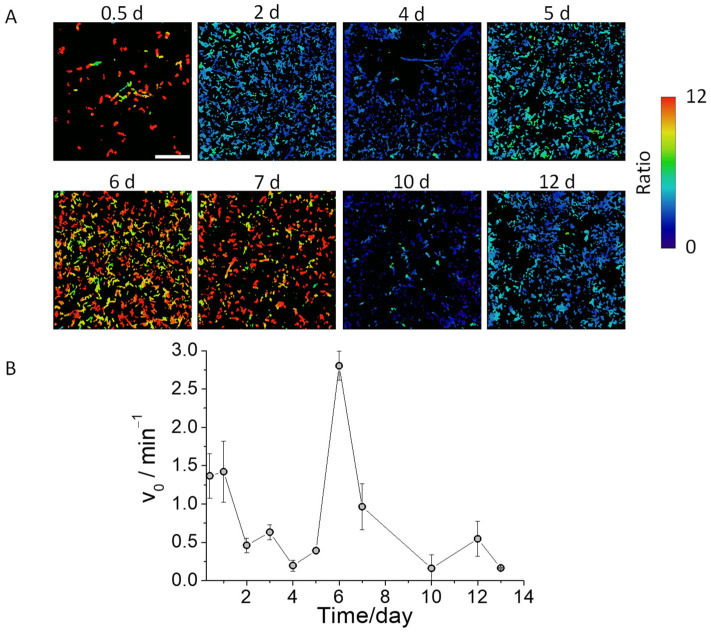 Figure 5
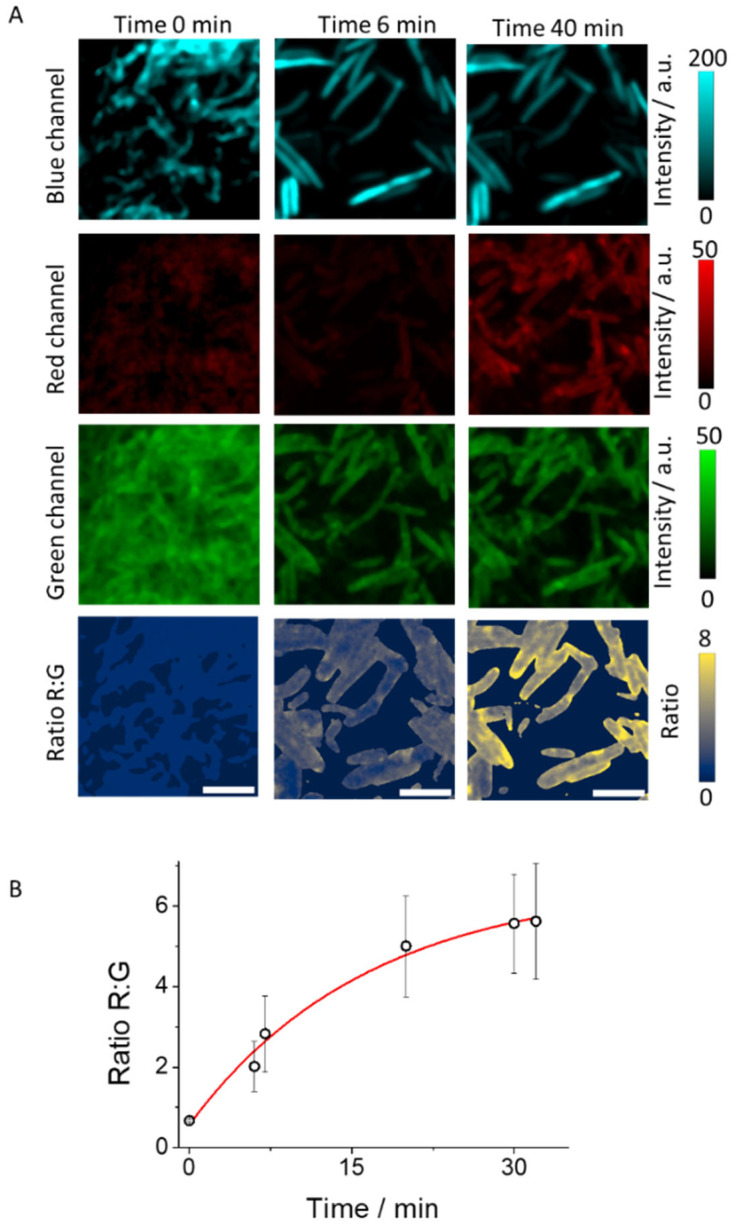 Figure 6
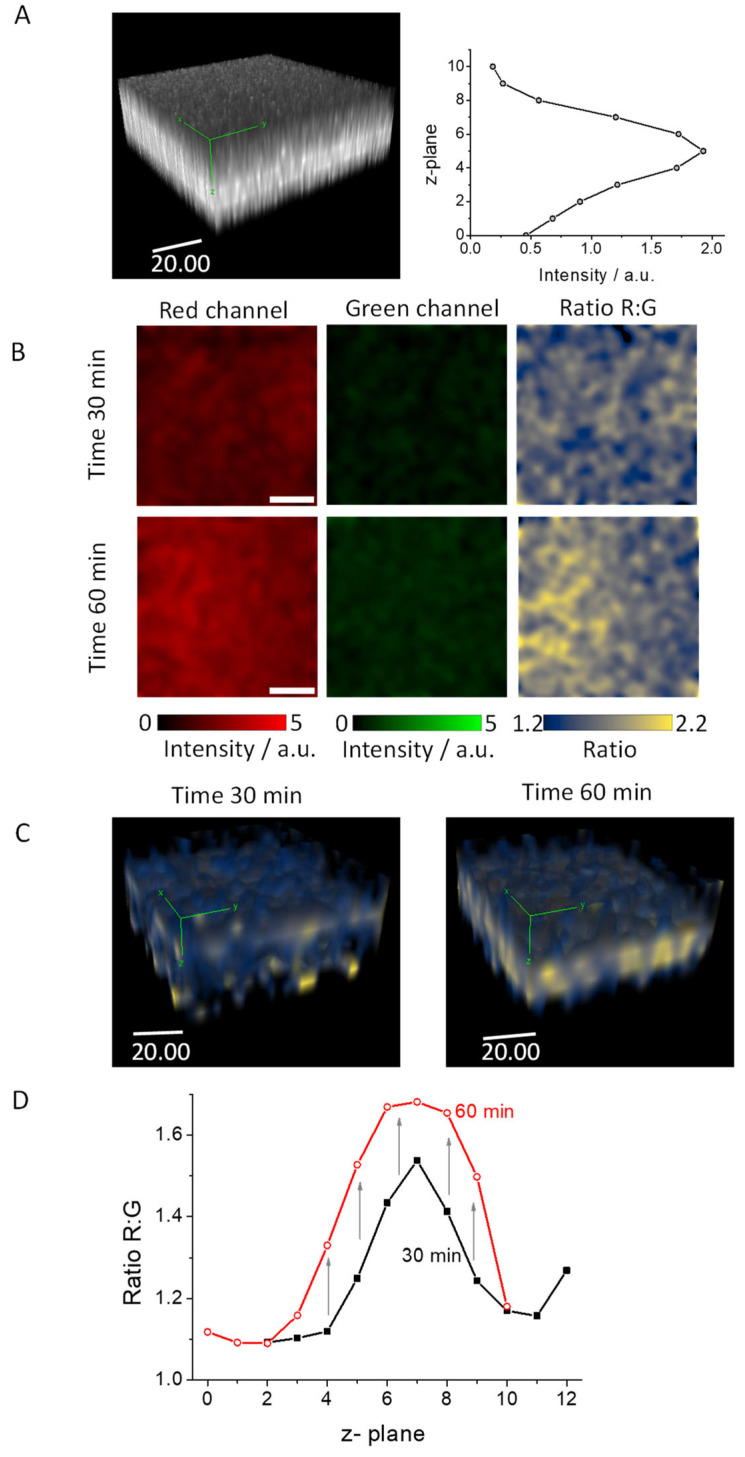 Figure 7
Peer Reviews
No public reviews on file for this paper yet. If you reviewed it on a platform where reviews are public (OpenReview, ICLR, NeurIPS, ICML), you can paste yours below so the community can read it here.
Videos
No videos yet. Explain this paper in a talk, walkthrough, or lecture? Add one.
Taxonomy
TopicsBacterial biofilms and quorum sensing · Biosensors and Analytical Detection · Bacteriophages and microbial interactions