FGF23 and Cell Stress in SaOS-2 Cells—A Model Reflecting X-Linked Hypophosphatemia Dynamics
Lisanne Brueck, Sascha Roocke, Veronika Matschke, Annette Richter-Unruh, Katrin Marcus-Alic, Carsten Theiss, Sarah Stahlke

TL;DR
This study explores how overexpression of FGF23 in SaOS-2 cells causes cellular stress and changes in cell structure, offering insights into skeletal diseases like X-linked hypophosphatemia.
Contribution
The study reveals new mechanistic links between FGF23 signaling, endoplasmic reticulum stress, and apoptosis in skeletal disease models.
Findings
FGF23 overexpression leads to enlarged and elongated rough endoplasmic reticulum and mitochondria with increased contact zones.
Cells showed higher apoptosis rates and upregulated ER stress proteins like CHOP, XBP1, GRP94, eIF2α, and BAX.
The findings suggest robust activation of the unfolded protein response and apoptotic pathways due to FGF23 overexpression.
Abstract
Our study investigates the impact of FGF23 overexpression on SaOS-2 cells to elucidate its role in cellular stress and morphology, contributing to the understanding of skeletal pathologies like X-linked hypophosphatemia (XLH). Using transmission electron microscopy and protein analysis (Western blot), we analyzed the rough endoplasmic reticulum (rER) and mitochondria in SaOS-2 cells with FGF23 overexpression compared to controls. We found significant morphological changes, including enlarged and elongated rER and mitochondria, with increased contact zones, suggesting enhanced interaction and adaptation to elevated protein synthesis and secretion demands. Additionally, we observed higher apoptosis rates of the cells after 24–72 h in vitro and upregulated proteins associated with ER stress and apoptosis, such as CHOP, XBP1 (spliced and unspliced), GRP94, eIF2α, and BAX. These findings…
Genes, proteins, chemicals, diseases, species, mutations and cell lines named across the full text — each resolved to its canonical identifier and authoritative record.
Click any figure to enlarge with its caption.
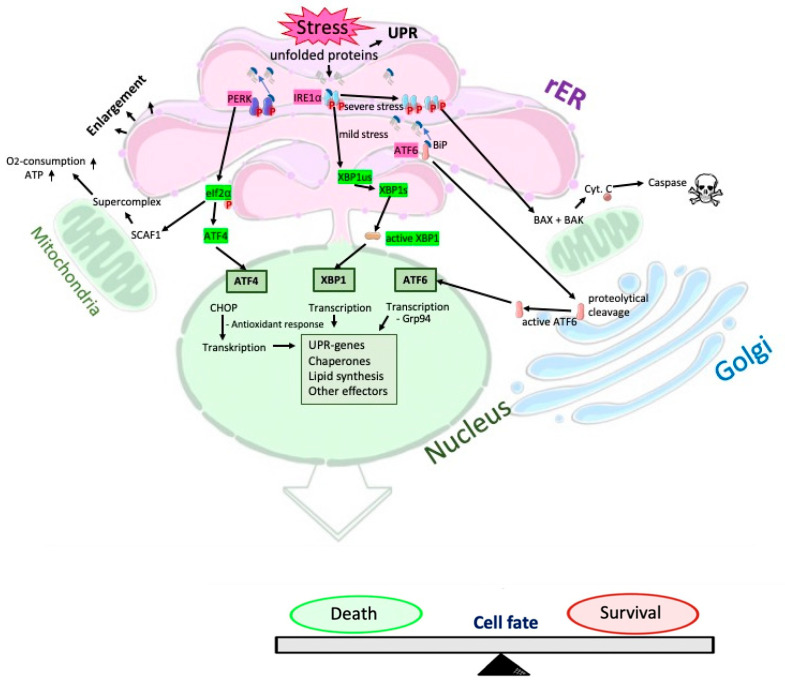 Figure 1
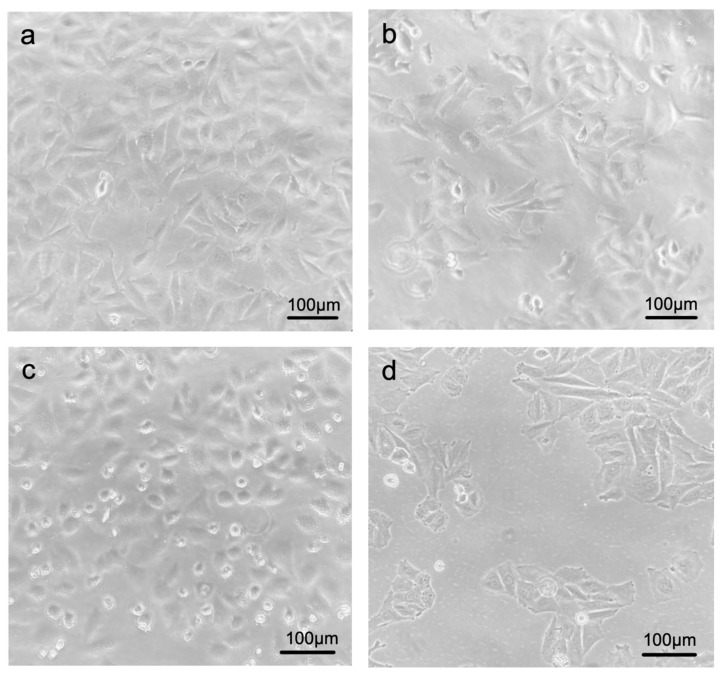 Figure 2
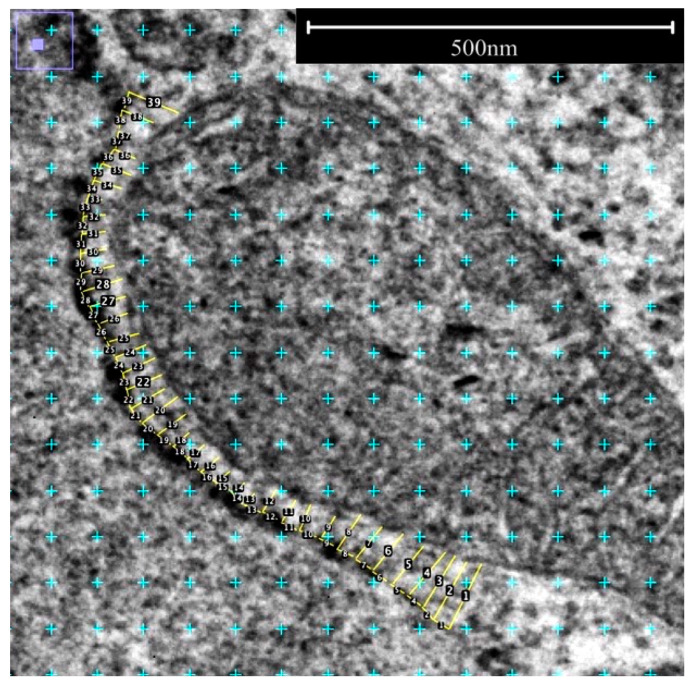 Figure 3
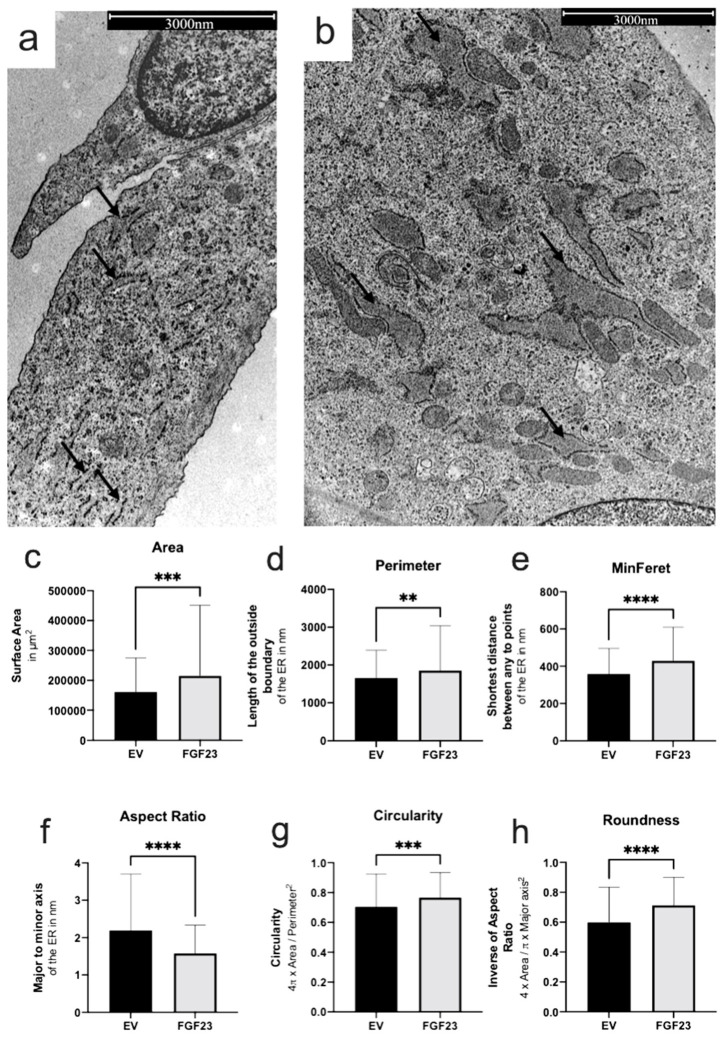 Figure 4
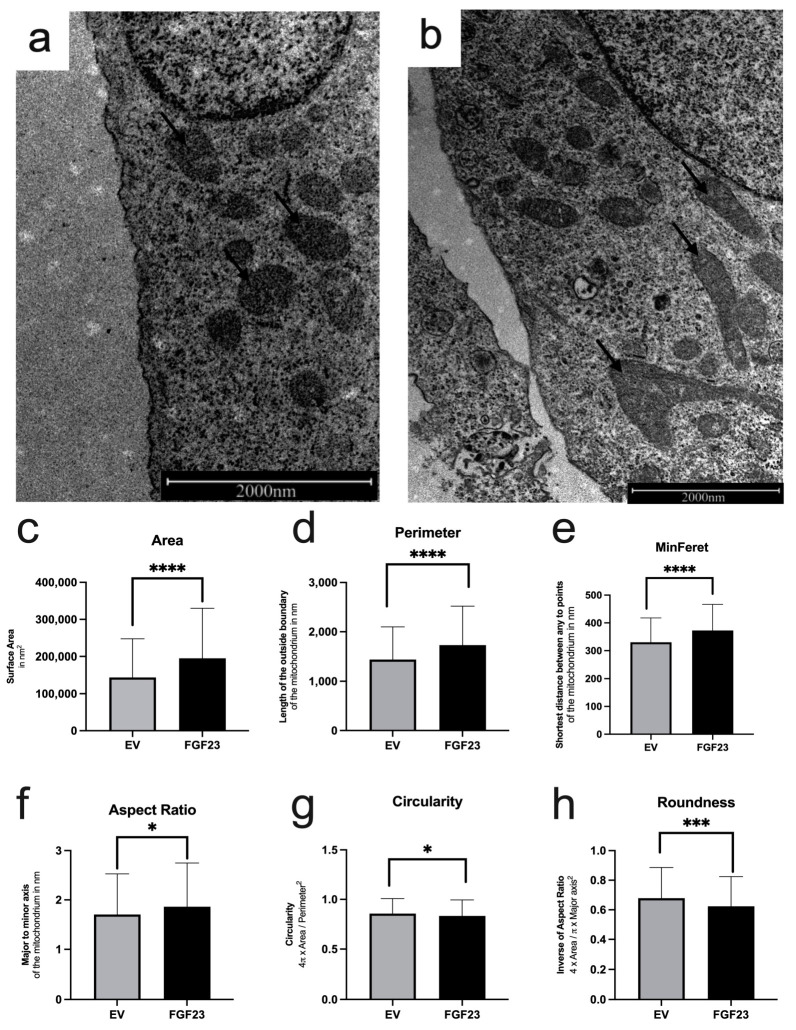 Figure 5
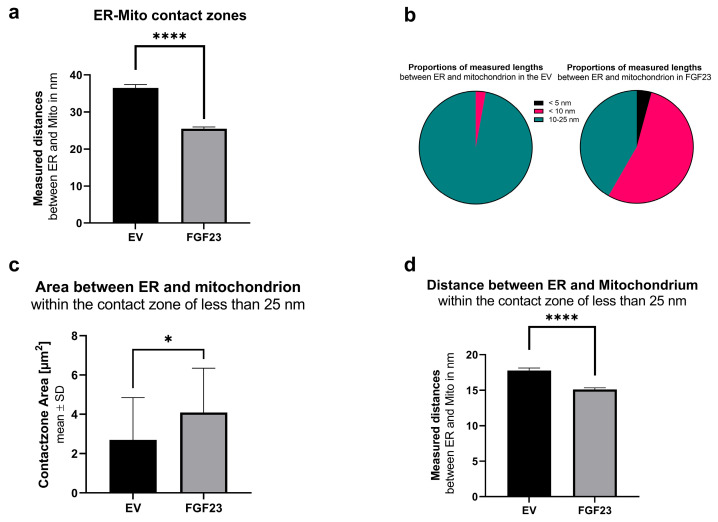 Figure 6
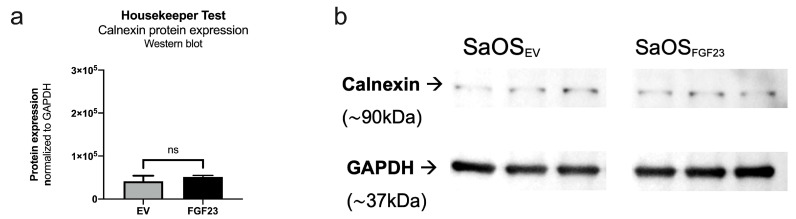 Figure 7
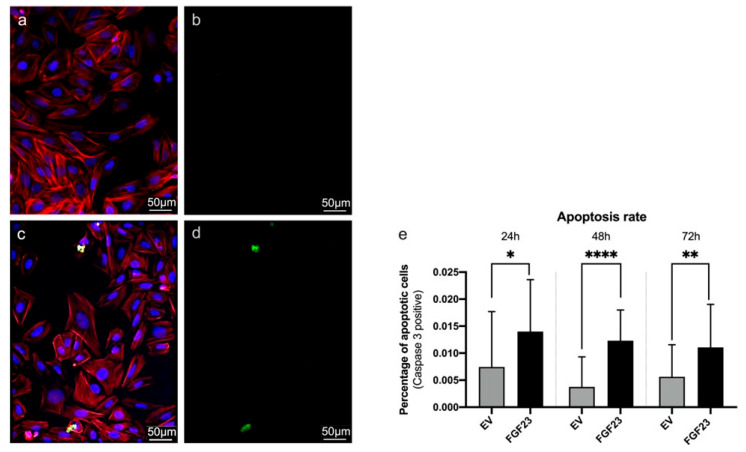 Figure 8
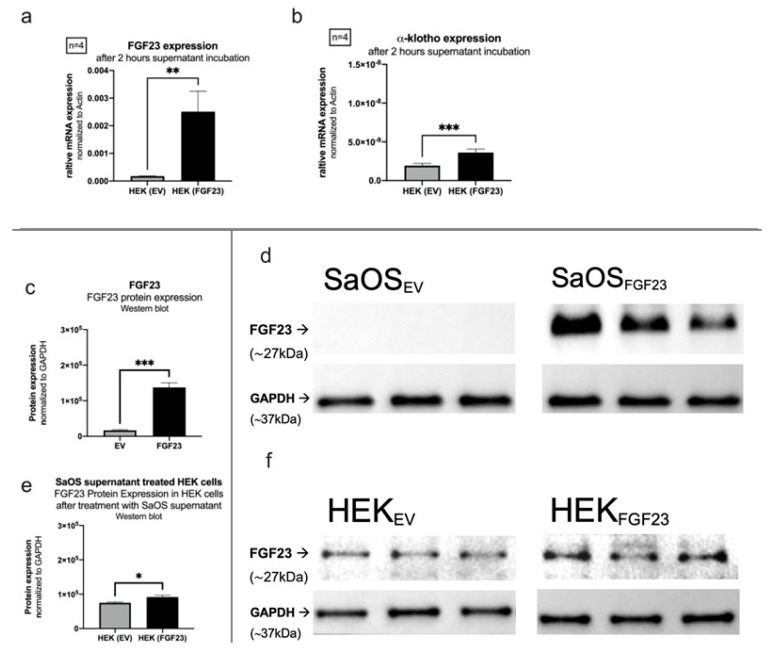 Figure 9
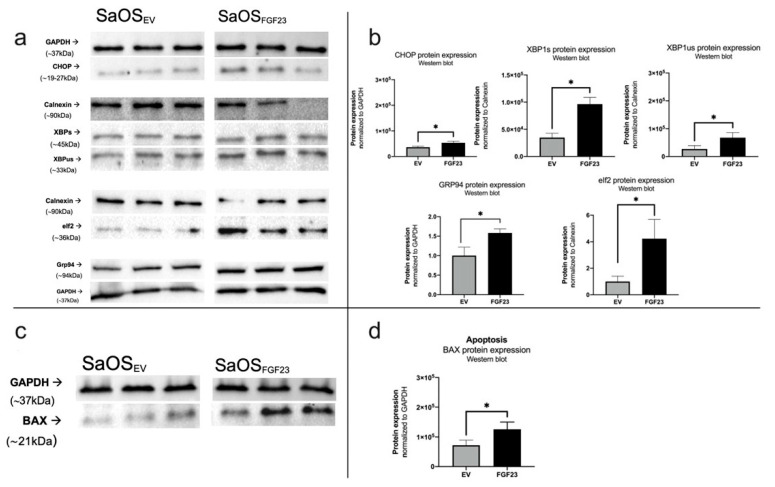 Figure 10
Peer Reviews
No public reviews on file for this paper yet. If you reviewed it on a platform where reviews are public (OpenReview, ICLR, NeurIPS, ICML), you can paste yours below so the community can read it here.
Videos
No videos yet. Explain this paper in a talk, walkthrough, or lecture? Add one.
Taxonomy
TopicsParathyroid Disorders and Treatments · Fibroblast Growth Factor Research · Biomedical Research and Pathophysiology