Multi-Omics Exploration of the Mechanism of Curcumol to Reduce Invasion and Metastasis of Nasopharyngeal Carcinoma by Inhibiting NCL/EBNA1-Mediated UBE2C Upregulation
Haiping Liu, Juan Wang, Lin Wang, Wei Tang, Xinyue Hou, Yi Zhun Zhu, Xu Chen

TL;DR
This study explores how curcumol, a compound from a traditional Chinese herb, reduces the spread of nasopharyngeal carcinoma by targeting specific proteins linked to EBV infection.
Contribution
The paper introduces a multi-omics approach to uncover how curcumol inhibits NCL/EBNA1-mediated UBE2C upregulation in EBV-positive NPC.
Findings
Curcumol treatment significantly affects ubiquitin-mediated proteolysis and cell cycle pathways in NPC cells.
UBE2C is highly associated with GABA and plays a key role in curcumol resistance in EBV-positive NPC.
NCL and EBNA1 are critical in mediating curcumol resistance to NPC invasion and metastasis.
Abstract
Nasopharyngeal carcinoma (NPC) is closely linked to Epstein–Barr virus (EBV) infection. Curcumae Rhizoma, a traditional Chinese herb, has shown antitumor effects, primarily through its component curcumol (Cur), which has been shown to reduce NPC cell invasion and migration by targeting nucleolin (NCL) and Epstein–Barr Virus Nuclear Antigen 1 (EBNA1). We constructed an EBV-positive NPC cell model using C666-1 cells and performed transcriptomics studies after treatment with curcumol, which revealed a significant enrichment of ubiquitin-mediated proteolysis, the PI3K-AKT and mTOR signaling pathways, cell cycle and apoptosis involved in tumor invasion and migration. To investigate the importance of NCL and EBNA1 in curcumol-resistant EBV-positive NPC, we performed a multi-omics study using short hairpin NCL (shNCL) and shEBNA1 EBV-positive NPC cells, and the proteomics results showed…
Genes, proteins, chemicals, diseases, species, mutations and cell lines named across the full text — each resolved to its canonical identifier and authoritative record.
Click any figure to enlarge with its caption.
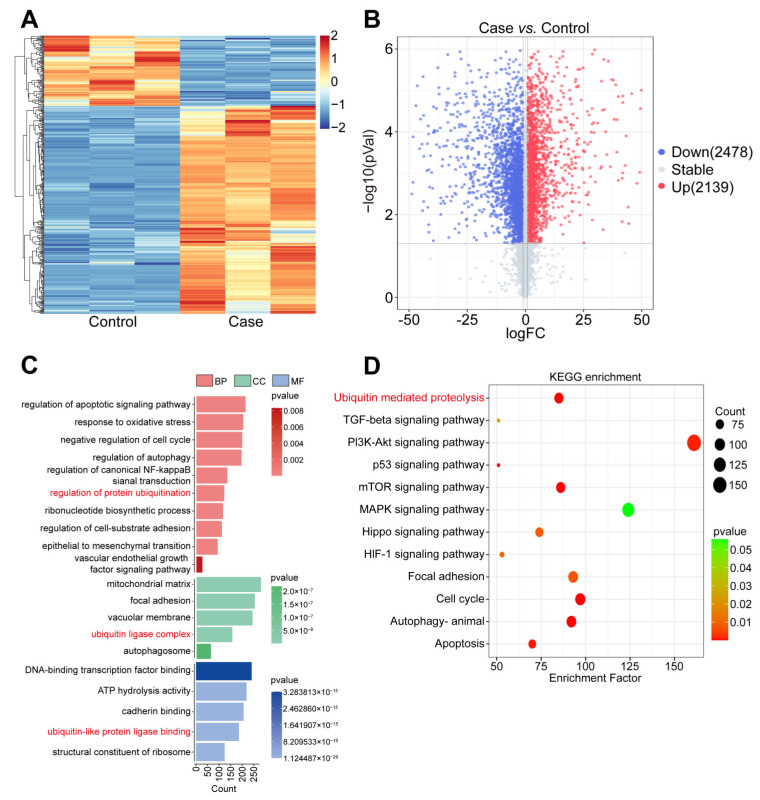 Figure 1
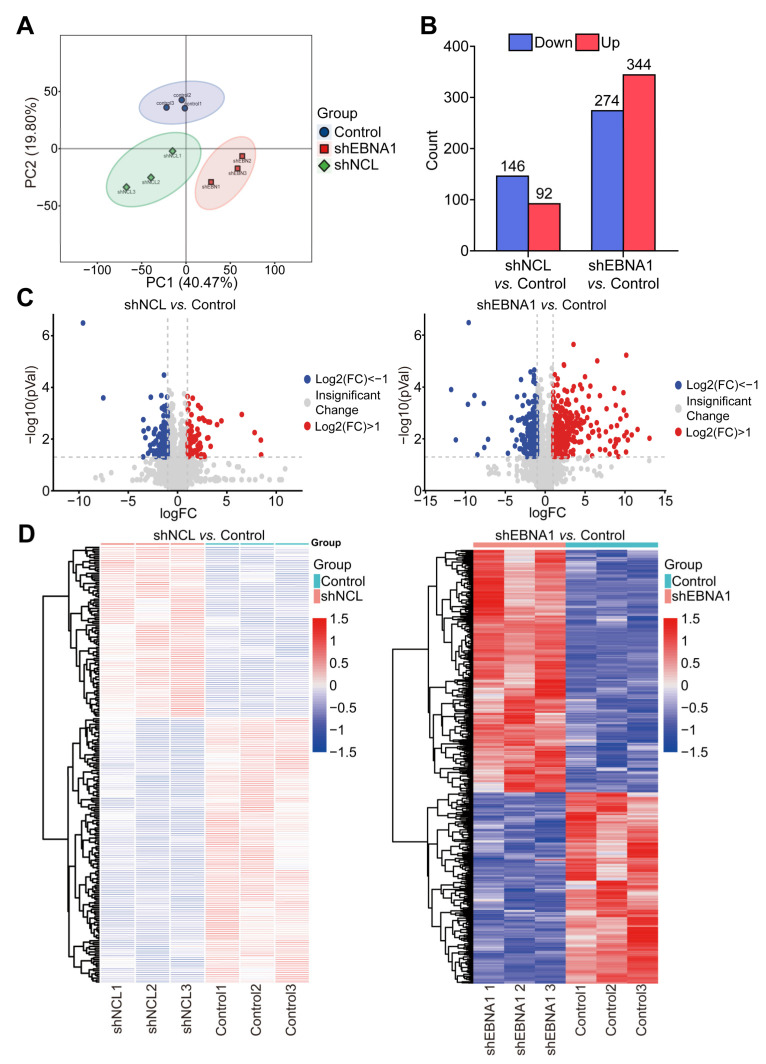 Figure 2
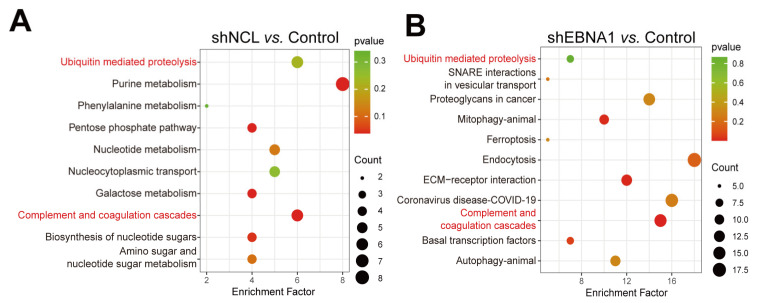 Figure 3
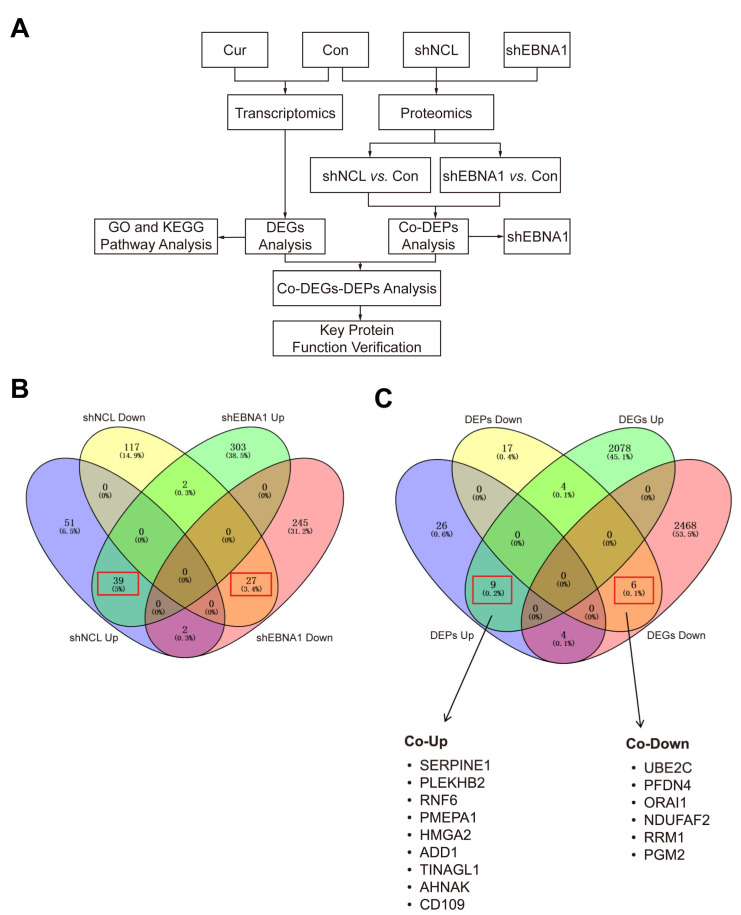 Figure 4
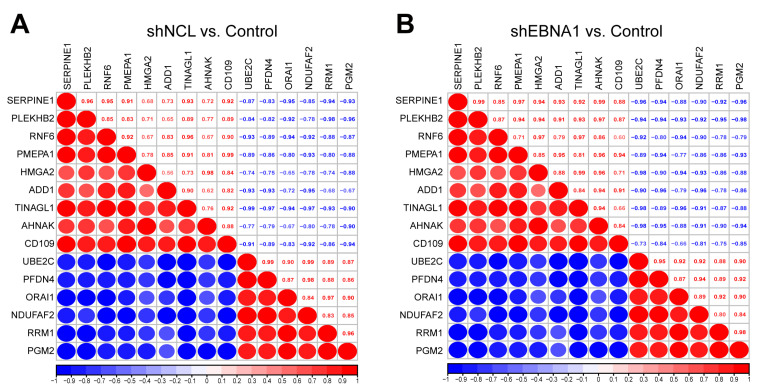 Figure 5
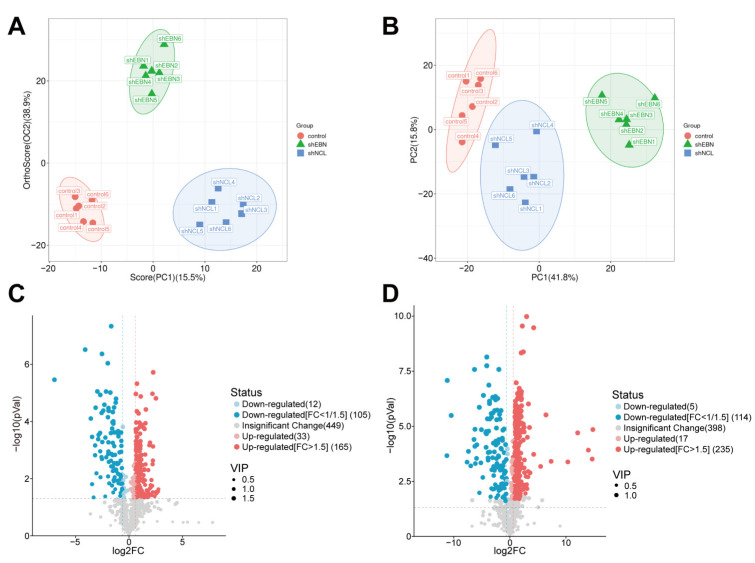 Figure 6
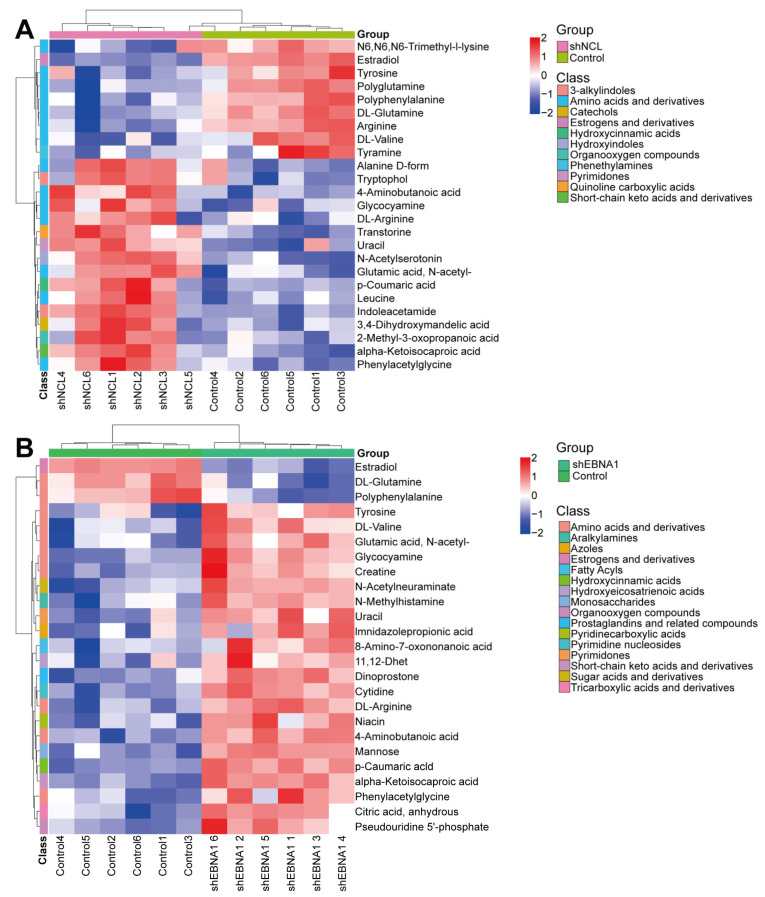 Figure 7
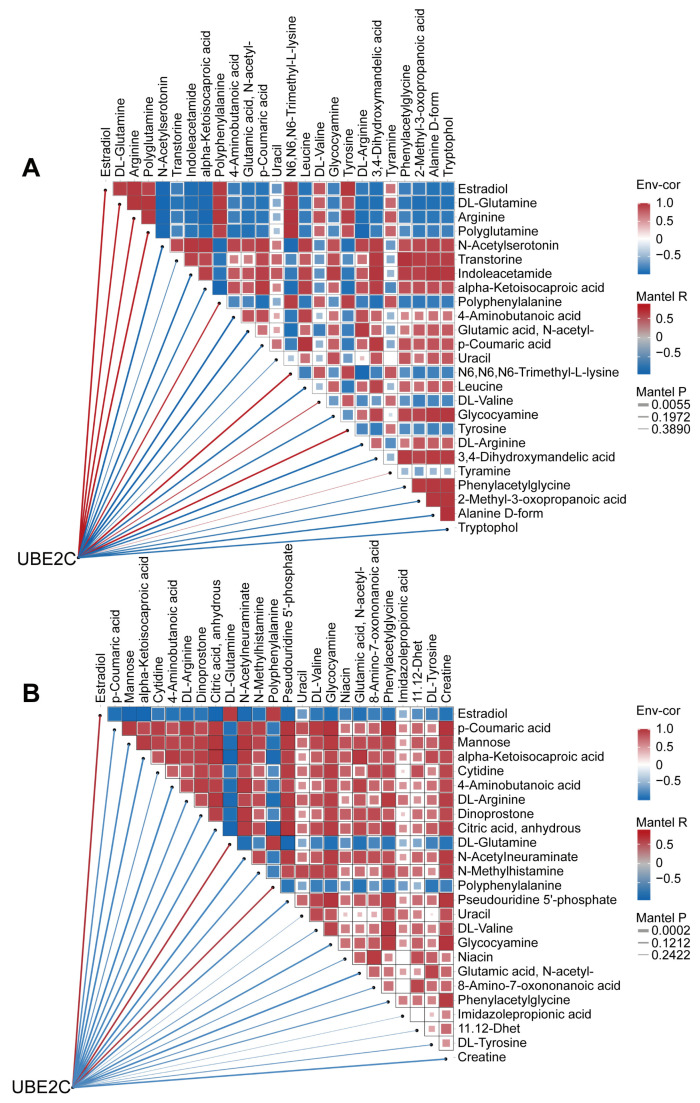 Figure 8
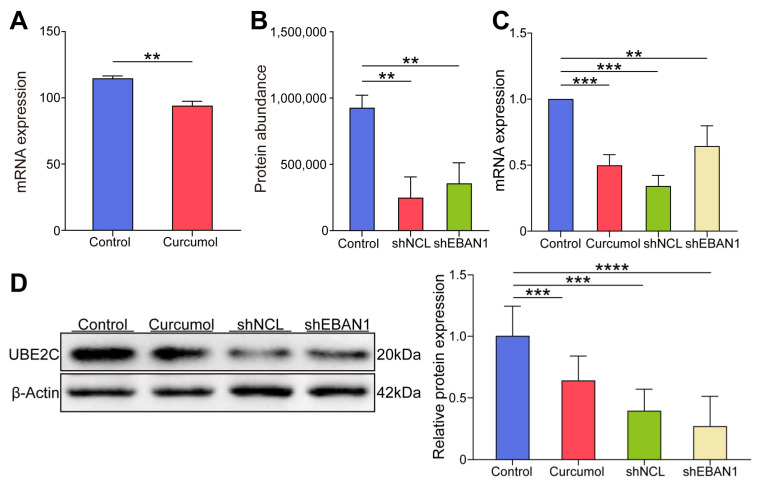 Figure 9
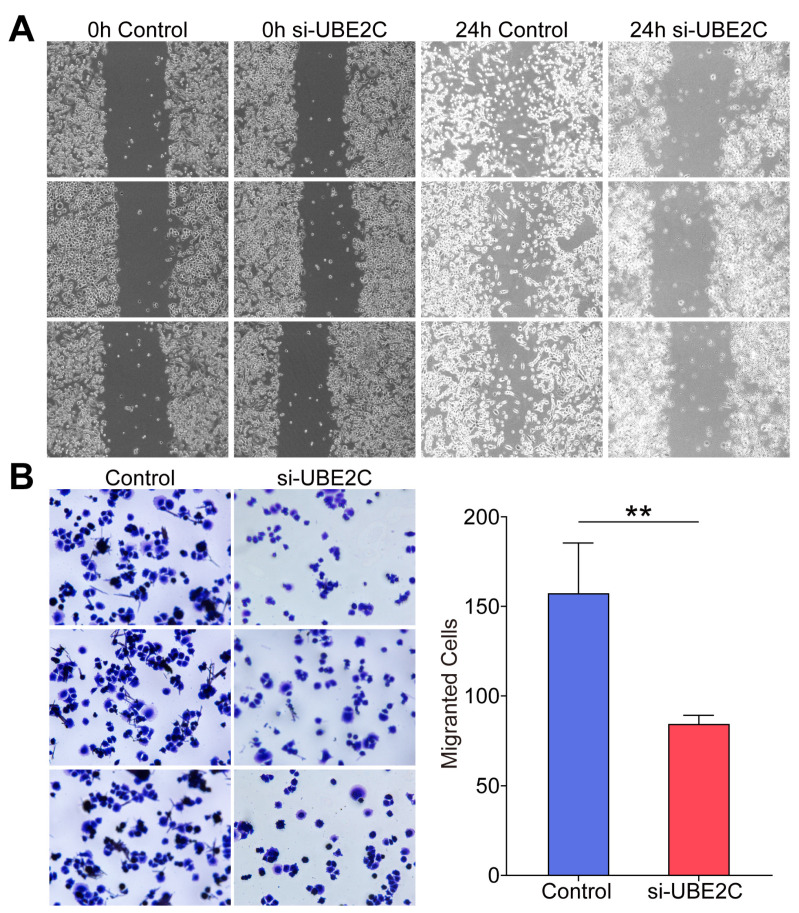 Figure 10
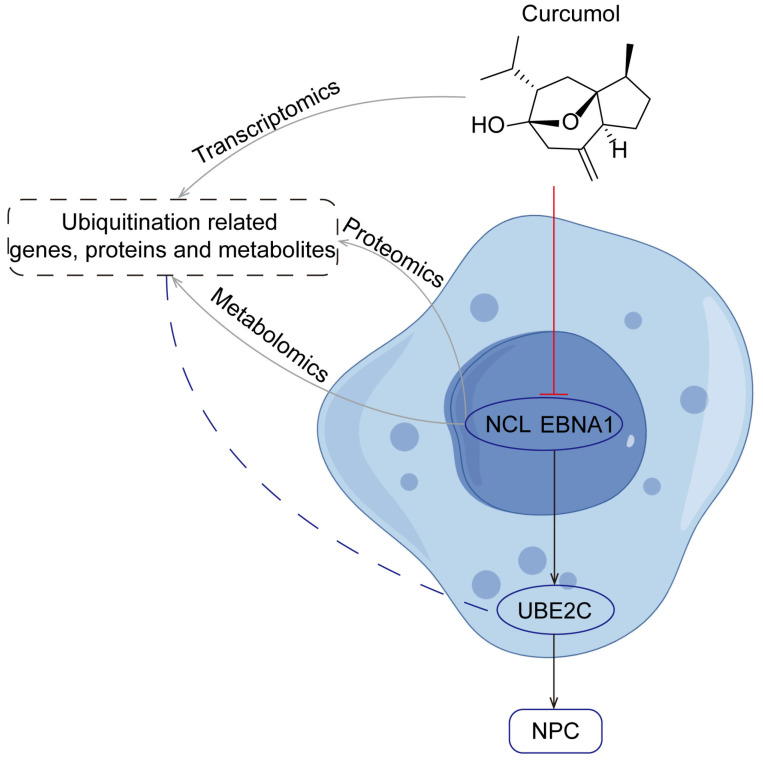 Figure 11
Peer Reviews
No public reviews on file for this paper yet. If you reviewed it on a platform where reviews are public (OpenReview, ICLR, NeurIPS, ICML), you can paste yours below so the community can read it here.
Videos
No videos yet. Explain this paper in a talk, walkthrough, or lecture? Add one.
Taxonomy
TopicsViral-associated cancers and disorders · RNA modifications and cancer · T-cell and Retrovirus Studies