Deciphering the Pathophysiological Mechanisms Underpinning Myoclonus Dystonia Using Pluripotent Stem Cell-Derived Cellular Models
Zongze Li, Laura Abram, Kathryn J. Peall

TL;DR
This review explores how stem cell-derived models can help understand the causes and mechanisms of Myoclonus Dystonia, a type of movement disorder.
Contribution
The paper highlights the use of pluripotent stem cells to model Myoclonus Dystonia and study its underlying mechanisms.
Findings
Pluripotent stem cells can generate various neuronal types for modeling dystonia.
SGCE mutations affecting ε-sarcoglycan are linked to Myoclonus Dystonia.
Stem cell models offer a platform to study dystonia's molecular and cellular mechanisms.
Abstract
Dystonia is a movement disorder with an estimated prevalence of 1.2% and is characterised by involuntary muscle contractions leading to abnormal postures and pain. Only symptomatic treatments are available with no disease-modifying or curative therapy, in large part due to the limited understanding of the underlying pathophysiology. However, the inherited monogenic forms of dystonia provide an opportunity for the development of disease models to examine these mechanisms. Myoclonus Dystonia, caused by SGCE mutations encoding the ε-sarcoglycan protein, represents one of now >50 monogenic forms. Previous research has implicated the involvement of the basal ganglia–cerebello-thalamo-cortical circuit in dystonia pathogenesis, but further work is needed to understand the specific molecular and cellular mechanisms. Pluripotent stem cell technology enables a patient-derived disease modelling…
Genes, proteins, chemicals, diseases, species, mutations and cell lines named across the full text — each resolved to its canonical identifier and authoritative record.
Click any figure to enlarge with its caption.
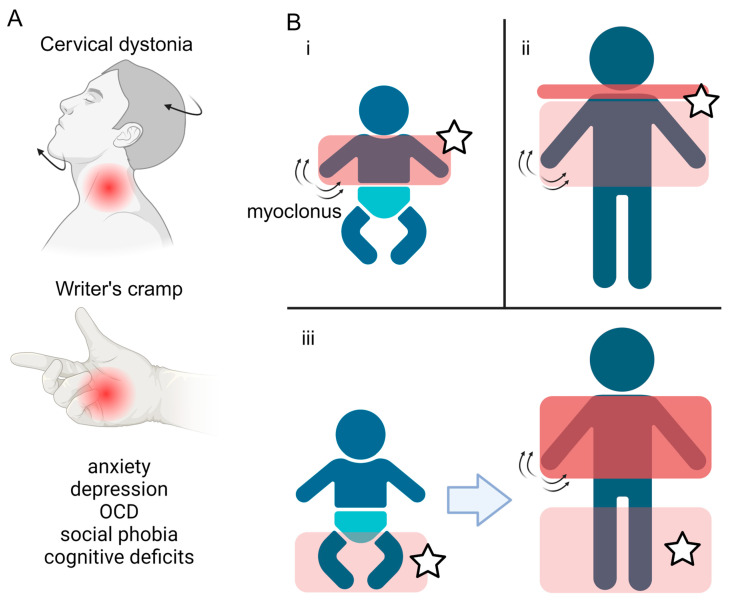 Figure 1
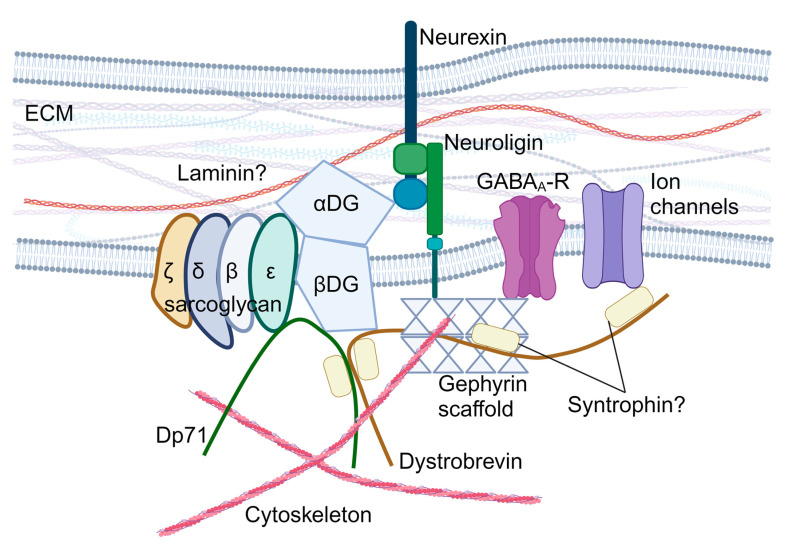 Figure 2
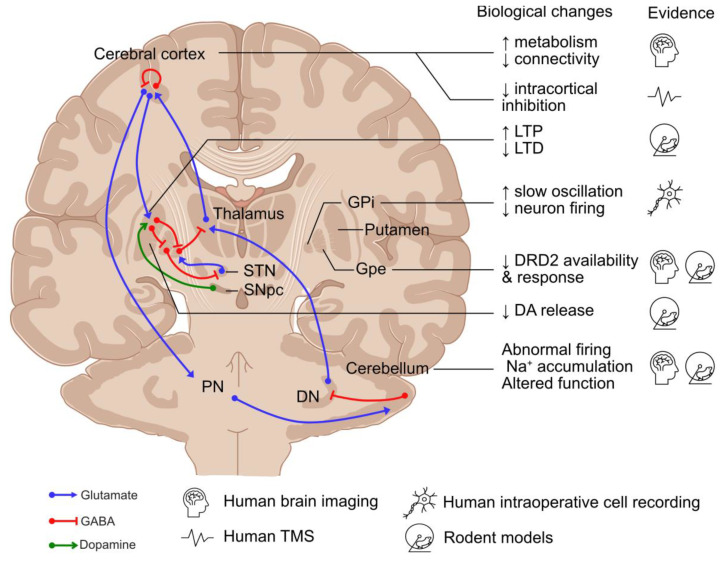 Figure 3
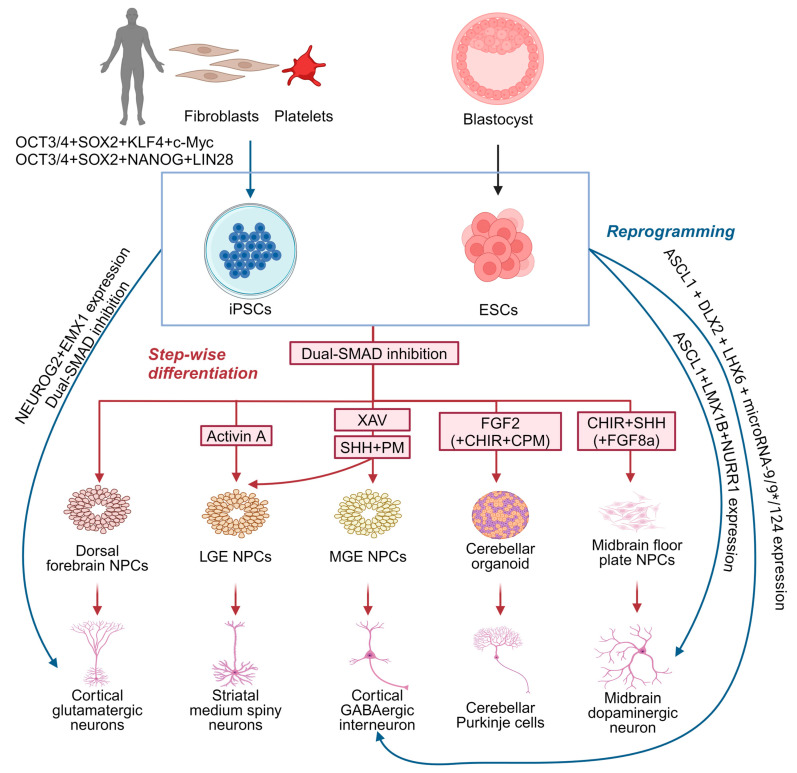 Figure 4
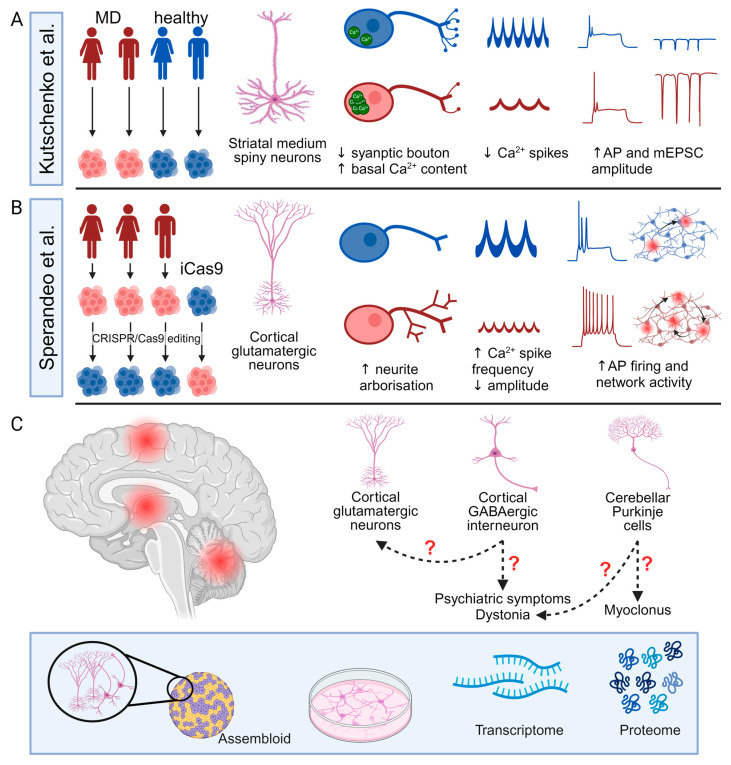 Figure 5
Peer Reviews
No public reviews on file for this paper yet. If you reviewed it on a platform where reviews are public (OpenReview, ICLR, NeurIPS, ICML), you can paste yours below so the community can read it here.
Videos
No videos yet. Explain this paper in a talk, walkthrough, or lecture? Add one.
Taxonomy
TopicsNeurological disorders and treatments · Pluripotent Stem Cells Research · Genetic Neurodegenerative Diseases