Ultrasound-Induced Release Profile of Nimodipine from Drug-Loaded Block Copolymers after Singular vs. Repeated Sonication: In Vitro Analysis in Artificial Cerebrospinal Fluid
Katja Döring, Swetlana Sperling, Milena Ninkovic, Heinrich Lanfermann, Frank Streit, Andreas Fischer, Veit Rohde, Vesna Malinova

TL;DR
This study shows that repeated ultrasound application speeds up the release of nimodipine from drug-loaded polymers in a lab setting, suggesting a potential method for on-demand drug delivery.
Contribution
The study demonstrates that repeated sonication accelerates nimodipine release from nanocarriers in artificial cerebrospinal fluid.
Findings
Repeated sonication significantly increased nimodipine concentrations after two hours compared to a single sonication.
A trend toward higher concentrations was observed after four hours with repeated sonication.
No overall difference in drug concentration was found between groups after 72 hours.
Abstract
Objective: Nimodipine still represents a unique selling point in the prevention of delayed cerebral ischemia (DCI) following aneurysmal subarachnoid hemorrhage (aSAH). Its intrathecal effect is limited by a low oral bioavailability, leading to the development of nanocarrier systems to overcome this limitation. This study investigated the ultrasound-induced release profile of nimodipine from drug-loaded copolymers in artificial cerebrospinal fluid (CSF) within 72 h after a singular versus repeated sonication. Methods: Pluronic® F127 copolymers (Sigma-Aldrich, Taufkirchen, Germany)were loaded with nimodipine by direct dissolution. Spontaneous and on-demand drug release by ultrasound (1 MHz at 1.7 W/cm2) was determined in artificial cerebrospinal fluid using the dialysis bag method. Nimodipine concentrations were measured at predefined time points within 72 h of sonication. Results:…
Genes, proteins, chemicals, diseases, species, mutations and cell lines named across the full text — each resolved to its canonical identifier and authoritative record.
Click any figure to enlarge with its caption.
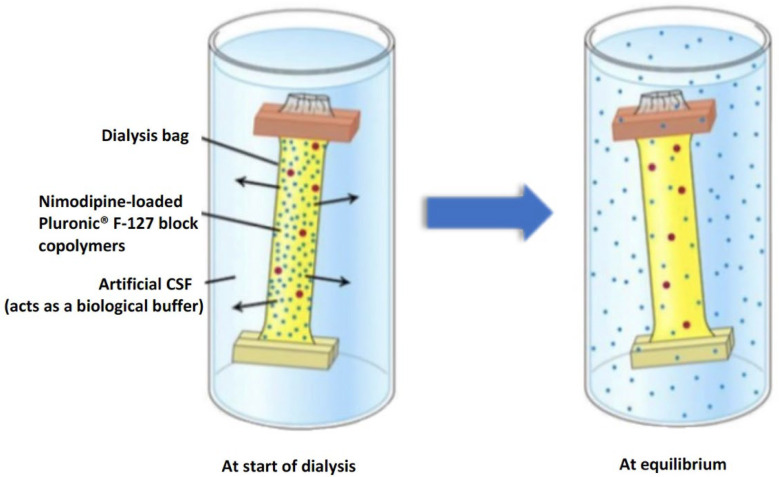 Figure 1
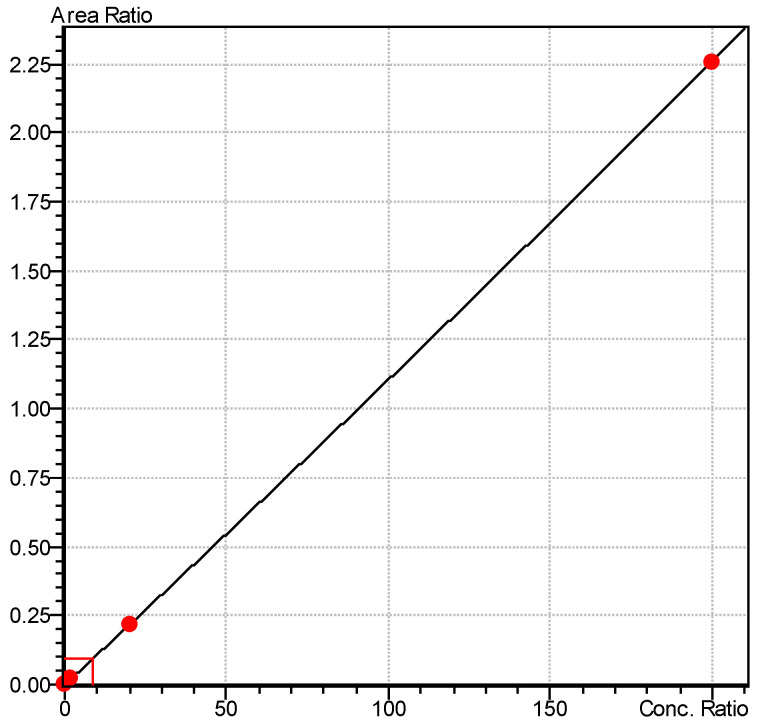 Figure 2
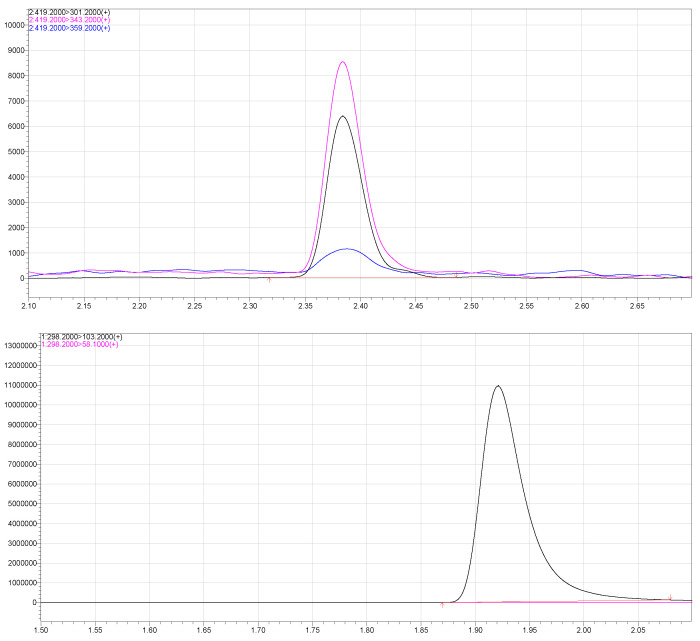 Figure 3
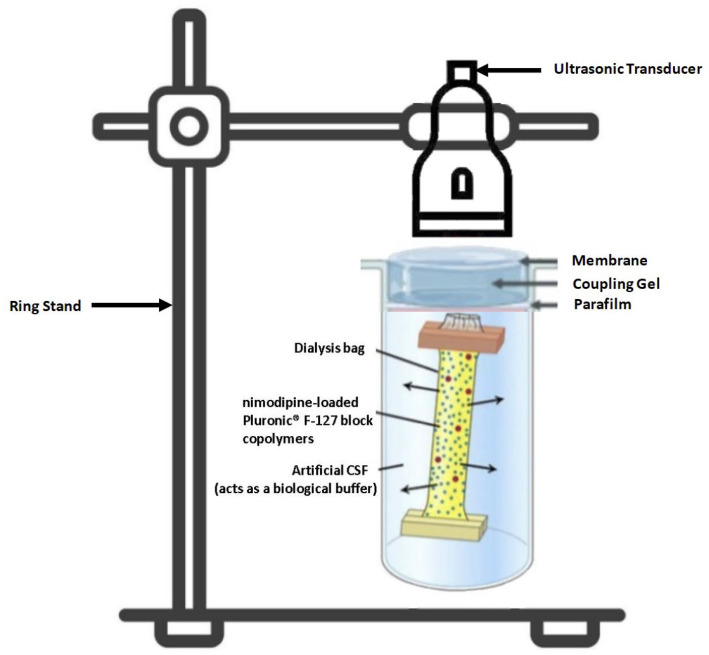 Figure 4
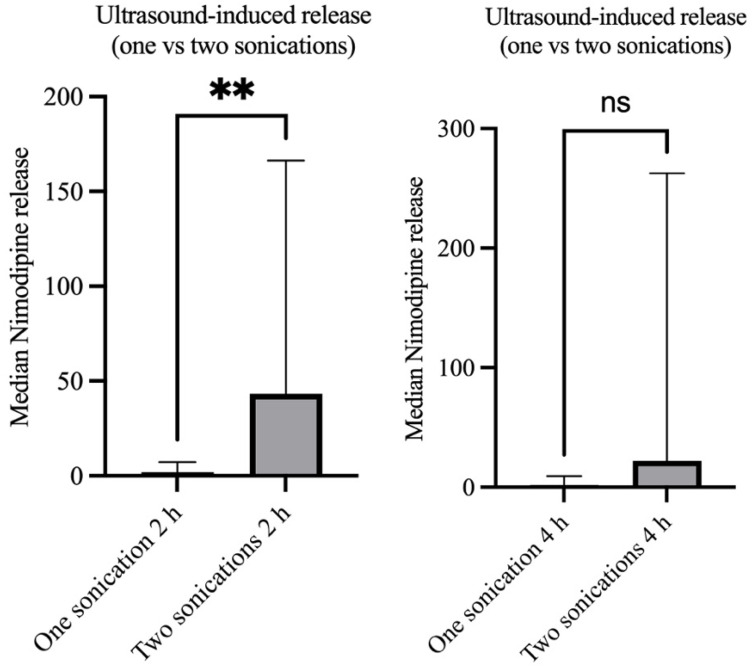 Figure 5
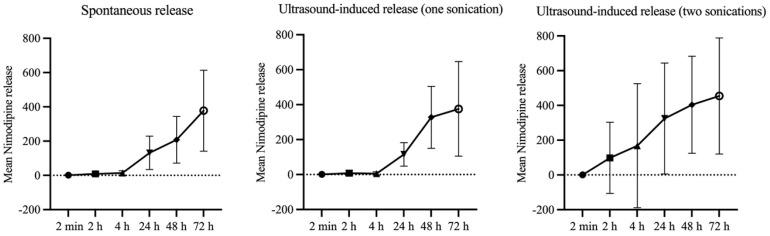 Figure 6
Peer Reviews
No public reviews on file for this paper yet. If you reviewed it on a platform where reviews are public (OpenReview, ICLR, NeurIPS, ICML), you can paste yours below so the community can read it here.
Videos
No videos yet. Explain this paper in a talk, walkthrough, or lecture? Add one.
Taxonomy
TopicsIntracranial Aneurysms: Treatment and Complications · Traumatic Brain Injury and Neurovascular Disturbances · Cerebrospinal fluid and hydrocephalus