The Oncoprotein Fra-2 Drives the Activation of Human Endogenous Retrovirus Env Expression in Adult T-Cell Leukemia/Lymphoma (ATLL) Patients
Julie Tram, Laetitia Marty, Célima Mourouvin, Magali Abrantes, Ilham Jaafari, Raymond Césaire, Philippe Hélias, Benoit Barbeau, Jean-Michel Mesnard, Véronique Baccini, Laurent Chaloin, Jean-Marie Jr. Peloponese

TL;DR
A cancer-related protein called Fra-2 activates ancient viral genes in a rare and aggressive leukemia, which may explain its resistance to treatment and offer new treatment ideas.
Contribution
The study identifies Fra-2 as a driver of HERV activation in ATLL, linking it to disease progression and chemoresistance.
Findings
HERV genes are highly upregulated in acute ATLL compared to asymptomatic HTLV-1 carriers.
Fra-2 binds to the LTR region of HERV families like HERV-H and HERV-K, activating their transcription.
Aberrant HERV expression may contribute to ATLL development and chemoresistance.
Abstract
Human endogenous retroviruses (HERVs) are retroviral sequences integrated into 8% of the human genome resulting from ancient exogenous retroviral infections. Unlike endogenous retroviruses of other mammalian species, HERVs are mostly replication and retro-transposition defective, and their transcription is strictly regulated by epigenetic mechanisms in normal cells. A significant addition to the growing body of research reveals that HERVs’ aberrant activation is often associated with offsetting diseases like autoimmunity, neurodegenerative diseases, cancers, and chemoresistance. Adult T-cell leukemia/lymphoma (ATLL) is a very aggressive and chemoresistant leukemia caused by the human T-cell leukemia virus type 1 (HTLV-1). The prognosis of ATLL remains poor despite several new agents being approved in the last few years. In the present study, we compare the expression of HERV genes in…
Genes, proteins, chemicals, diseases, species, mutations and cell lines named across the full text — each resolved to its canonical identifier and authoritative record.
Click any figure to enlarge with its caption.
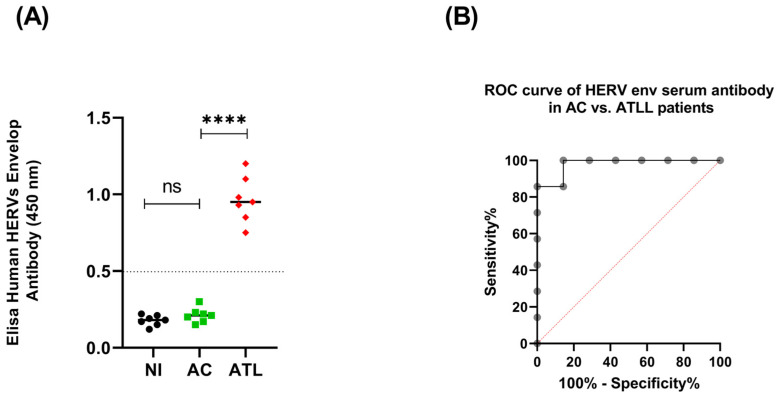 Figure 1
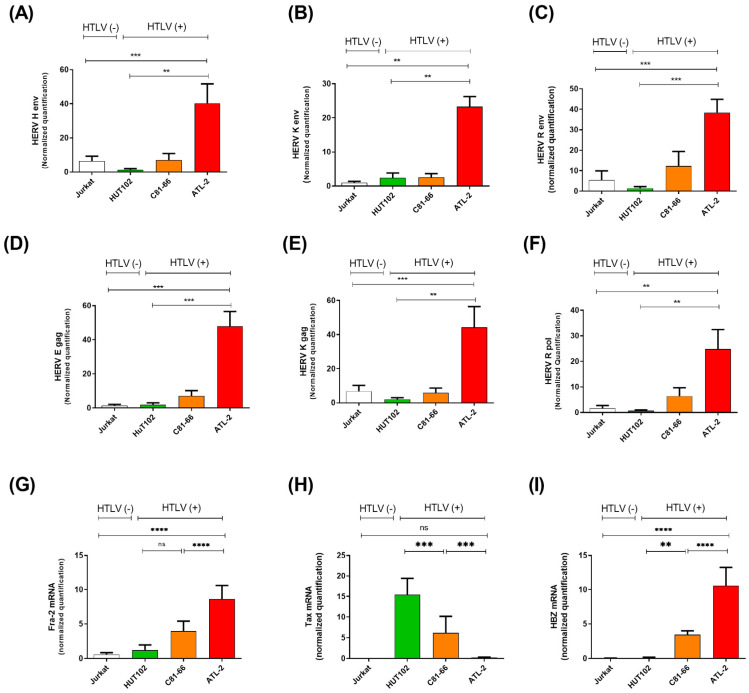 Figure 2
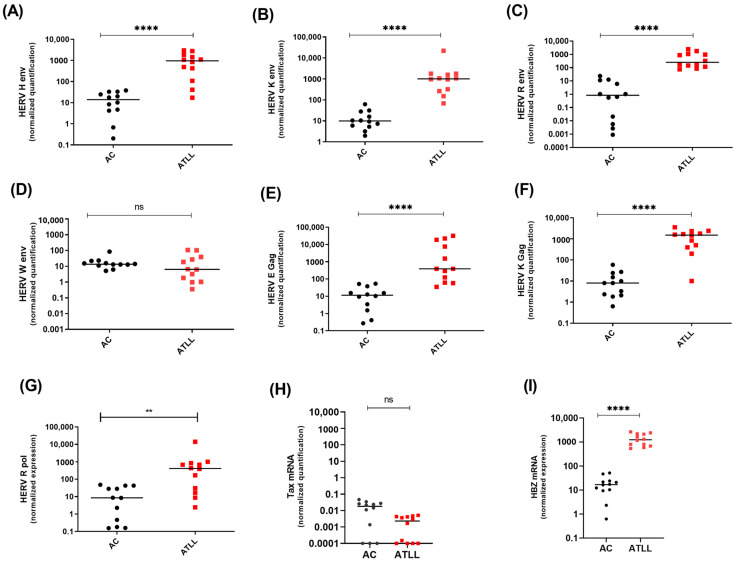 Figure 3
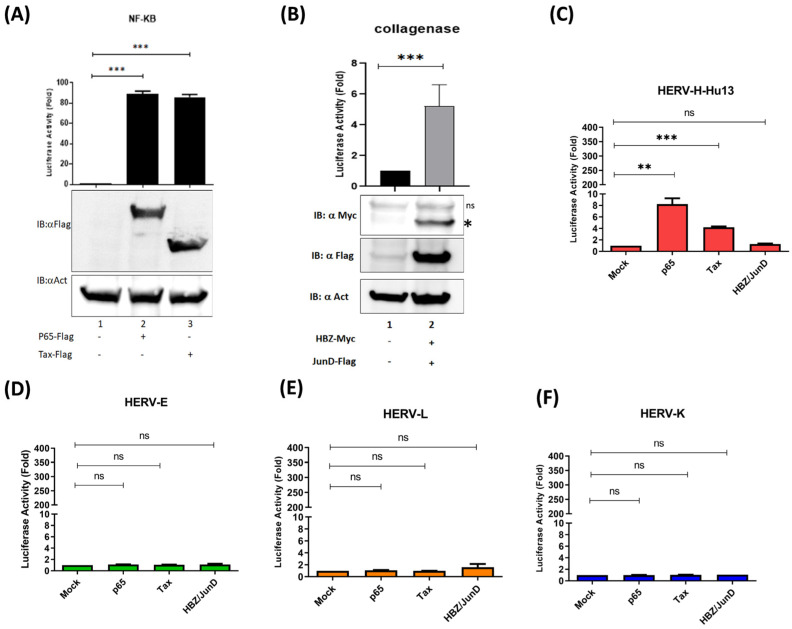 Figure 4
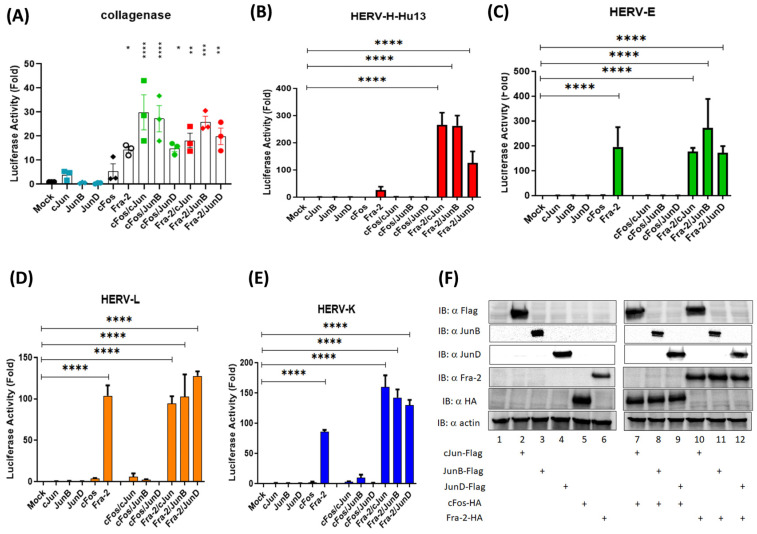 Figure 5
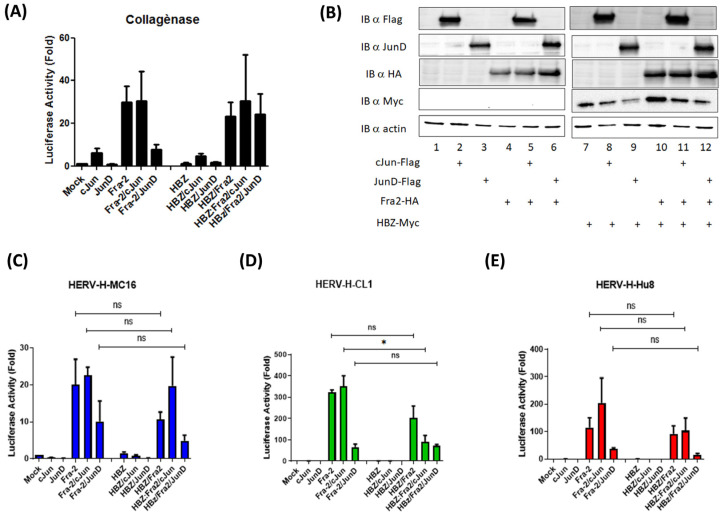 Figure 6
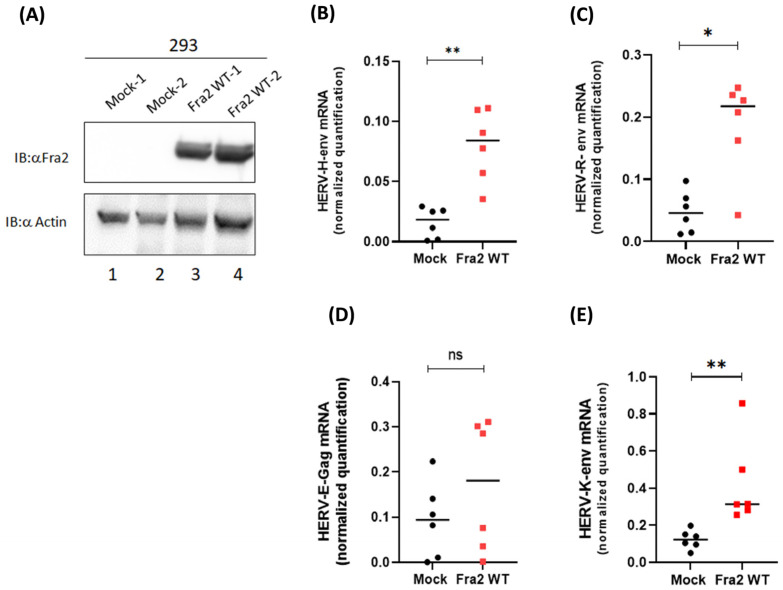 Figure 7
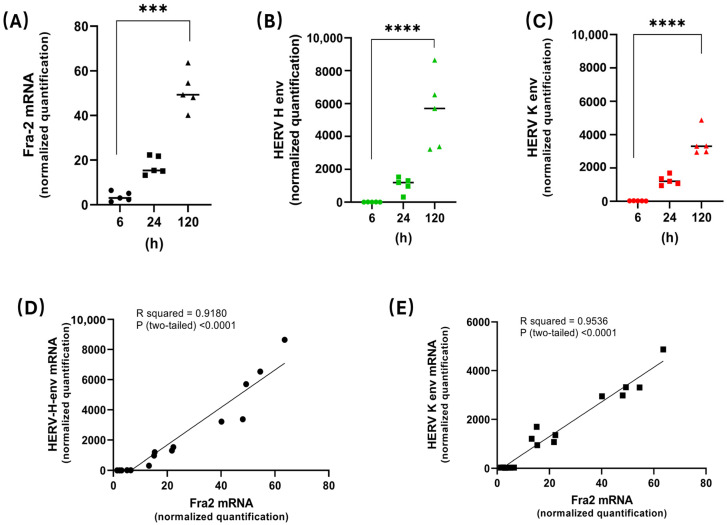 Figure 8
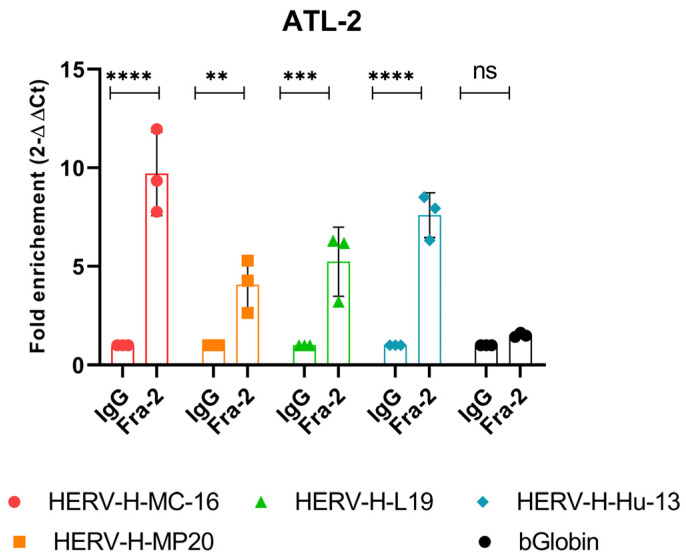 Figure 9
Peer Reviews
No public reviews on file for this paper yet. If you reviewed it on a platform where reviews are public (OpenReview, ICLR, NeurIPS, ICML), you can paste yours below so the community can read it here.
Videos
No videos yet. Explain this paper in a talk, walkthrough, or lecture? Add one.
Taxonomy
TopicsT-cell and Retrovirus Studies · Vector-Borne Animal Diseases · Animal Disease Management and Epidemiology