Harmonizing Nature, Education, Engineering and Creativity: An Interdisciplinary Educational Exploration of Engineered Living Materials, Artistry and Sustainability Using Collaborative Mycelium Brick Construction
Richard W. van Nieuwenhoven, Matthias Gabl, Ruth Mateus-Berr, Ille C. Gebeshuber

TL;DR
Middle-schoolers learn about biology, engineering, and art by creating sustainable mycelium bricks, combining hands-on creativity with sustainability concepts.
Contribution
A novel interdisciplinary curriculum integrating mycelium-based materials, art, and sustainability for middle-school education.
Findings
Students gained practical knowledge in mycelium growth and sustainable material fabrication.
Collaborative tasks enhanced teamwork, problem-solving, and creative expression.
The approach fosters a holistic understanding of science, engineering, and art through living materials.
Abstract
This study presents an innovative approach to interdisciplinary education by integrating biology, engineering and art principles to foster holistic learning experiences for middle-schoolers aged 11–12. The focus lies on assembling mycelium bricks as engineered living materials, with promising applications in sustainable construction. Through a collaborative group task, children engage in the hands-on creation of these bricks, gaining insights into mycology, biomaterials engineering and artistic expression. The curriculum introduces fundamental concepts of mycelial growth and its potential in sustainable material development. Children actively participate in fabricating 3D forms (negative and positive) using mycelium bricks, thereby gaining practical knowledge in shaping and moulding living materials. This hands-on experience enhances their understanding of biological processes and…
Genes, proteins, chemicals, diseases, species, mutations and cell lines named across the full text — each resolved to its canonical identifier and authoritative record.
Click any figure to enlarge with its caption.
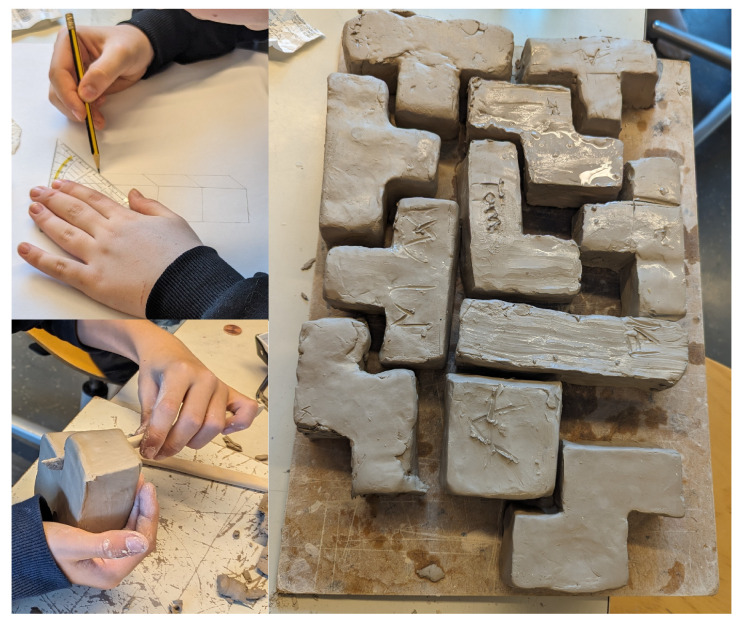 Figure 1
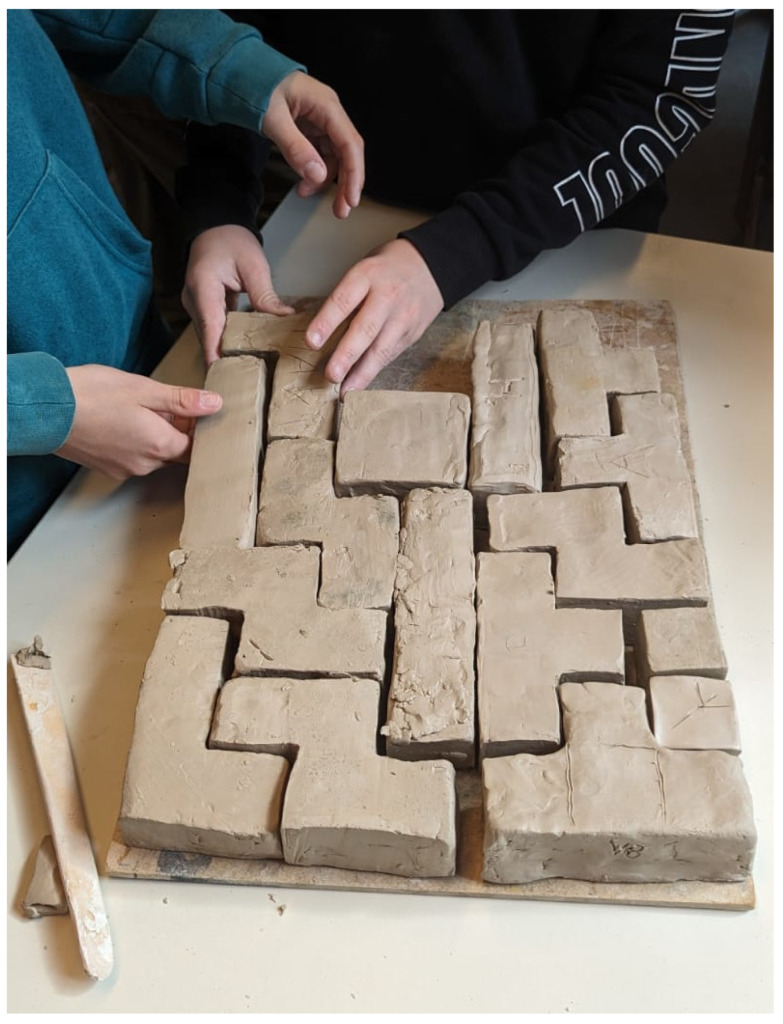 Figure 2
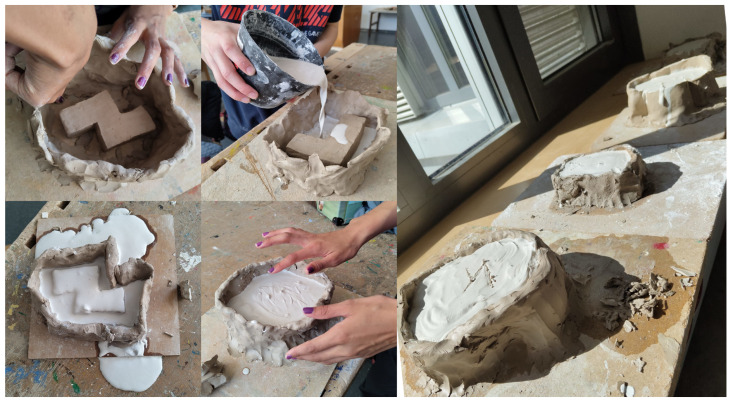 Figure 3
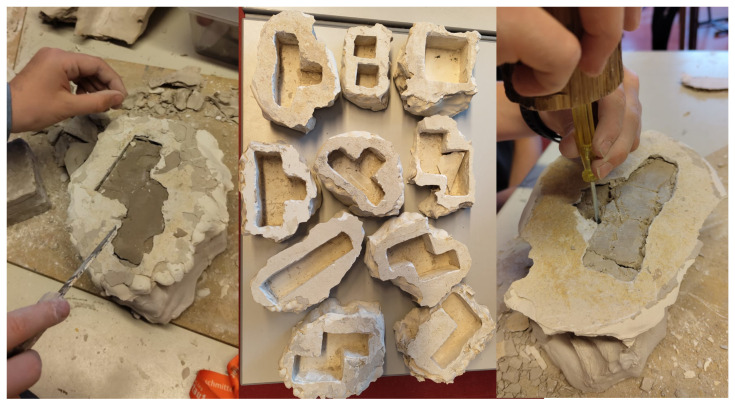 Figure 4
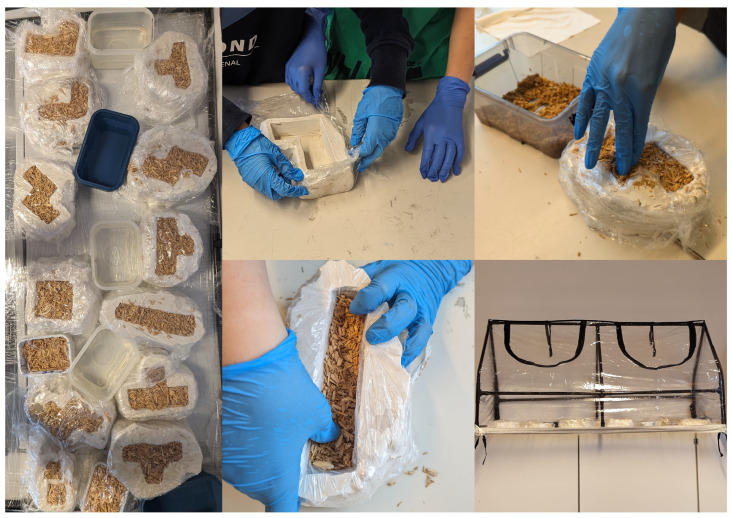 Figure 5
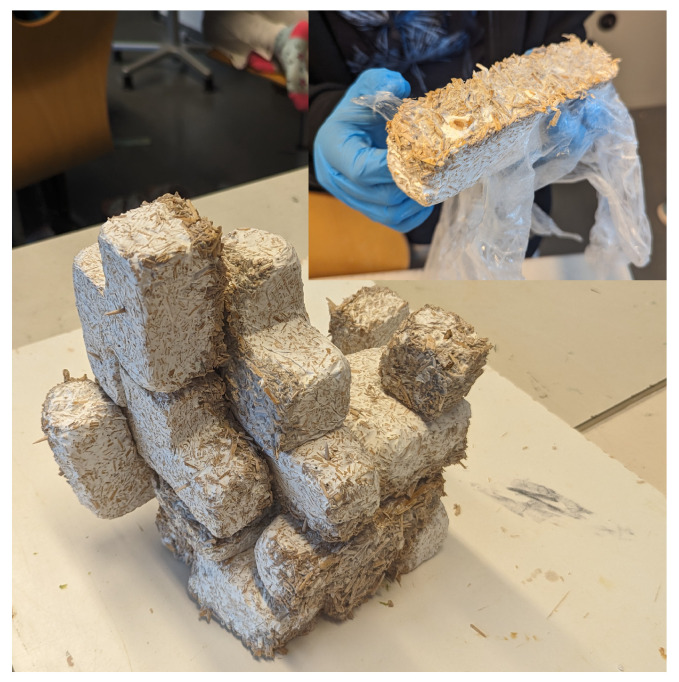 Figure 6
Peer Reviews
No public reviews on file for this paper yet. If you reviewed it on a platform where reviews are public (OpenReview, ICLR, NeurIPS, ICML), you can paste yours below so the community can read it here.
Videos
No videos yet. Explain this paper in a talk, walkthrough, or lecture? Add one.
Taxonomy
TopicsPlant and Biological Electrophysiology Studies · Light effects on plants