Computational Modeling of Ganglion Cell Bicolor Opponent Receptive Fields and FPGA Adaptation for Parallel Arrays
Hui Wei, Wenbo Yao

TL;DR
This paper models visual signal processing in the retina and implements it on FPGAs to achieve low power and high parallelism for vision systems.
Contribution
A novel FPGA-based parallel computing model for retinal visual pathways with low energy consumption.
Findings
The FPGA model achieves high parallelism (600) and a maximum frequency of 200 MHz.
Each receptive field model consumes only 0.142 W of power.
The design supports efficient information transmission for vision systems in small devices.
Abstract
The biological system is not a perfect system, but it is a relatively complete system. It is difficult to realize the lower power consumption and high parallelism that characterize biological systems if lower-level information pathways are ignored. In this paper, we focus on the K, M and P pathways of visual signal processing from the retina to the lateral geniculate nucleus (LGN). We model the visual system at a fine-grained level to ensure efficient information transmission while minimizing energy use. We also implement a circuit-level distributed parallel computing model on FPGAs. The results show that we are able to transfer information with low energy consumption and high parallelism. The Artix-7 family of xc7a200tsbv484-1 FPGAs can reach a maximum frequency of 200 MHz and a maximum parallelism of 600, and a single receptive field model consumes only 0.142 W of power. This can be…
Genes, proteins, chemicals, diseases, species, mutations and cell lines named across the full text — each resolved to its canonical identifier and authoritative record.
Click any figure to enlarge with its caption.
 Figure 1
 Figure 2
 Figure 3
 Figure 4
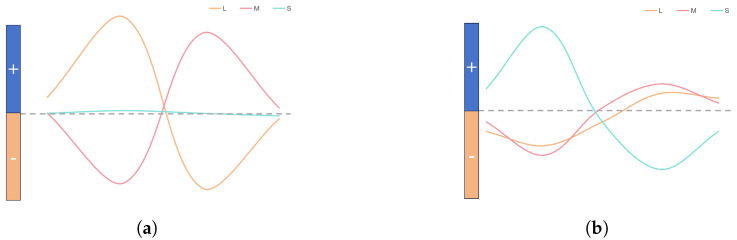 Figure 5
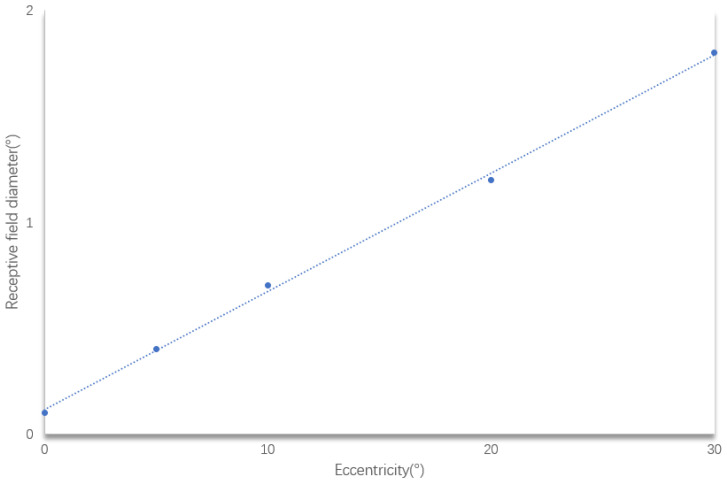 Figure 6
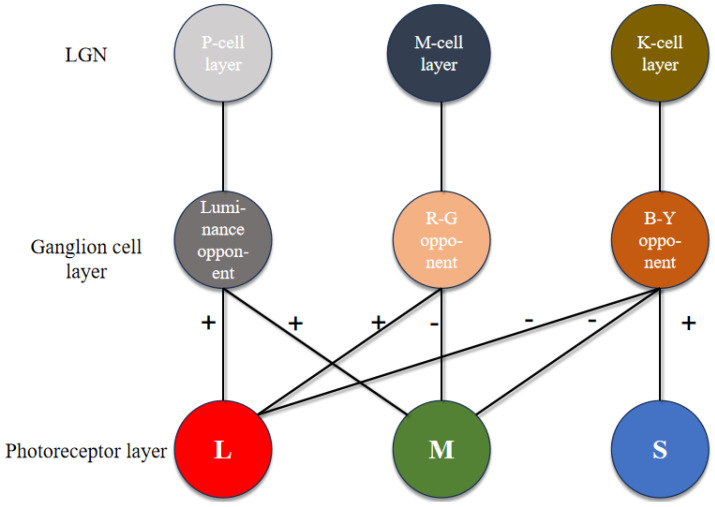 Figure 7
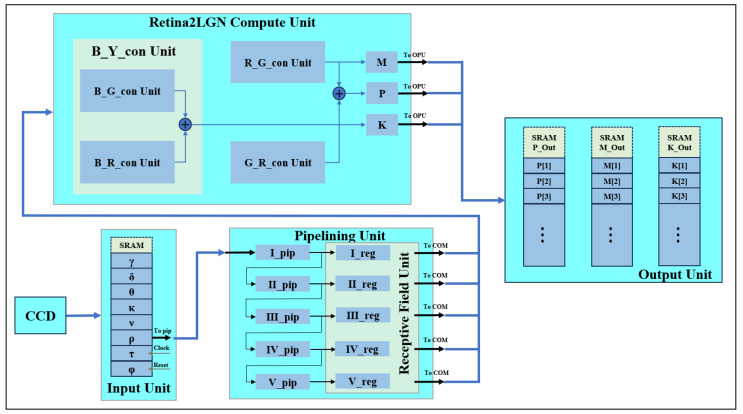 Figure 8
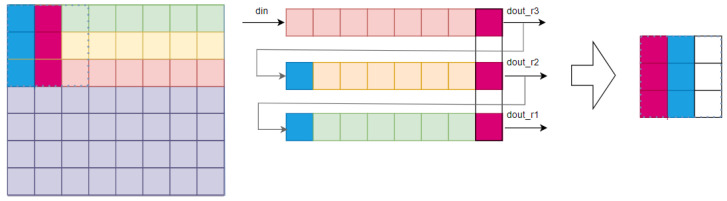 Figure 9
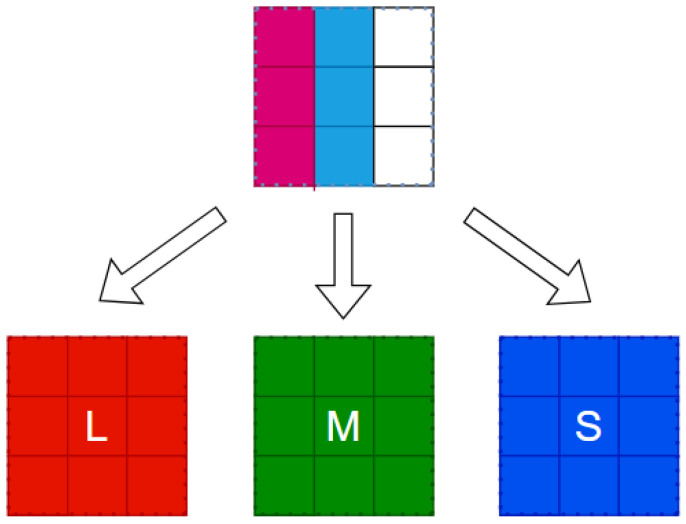 Figure 10
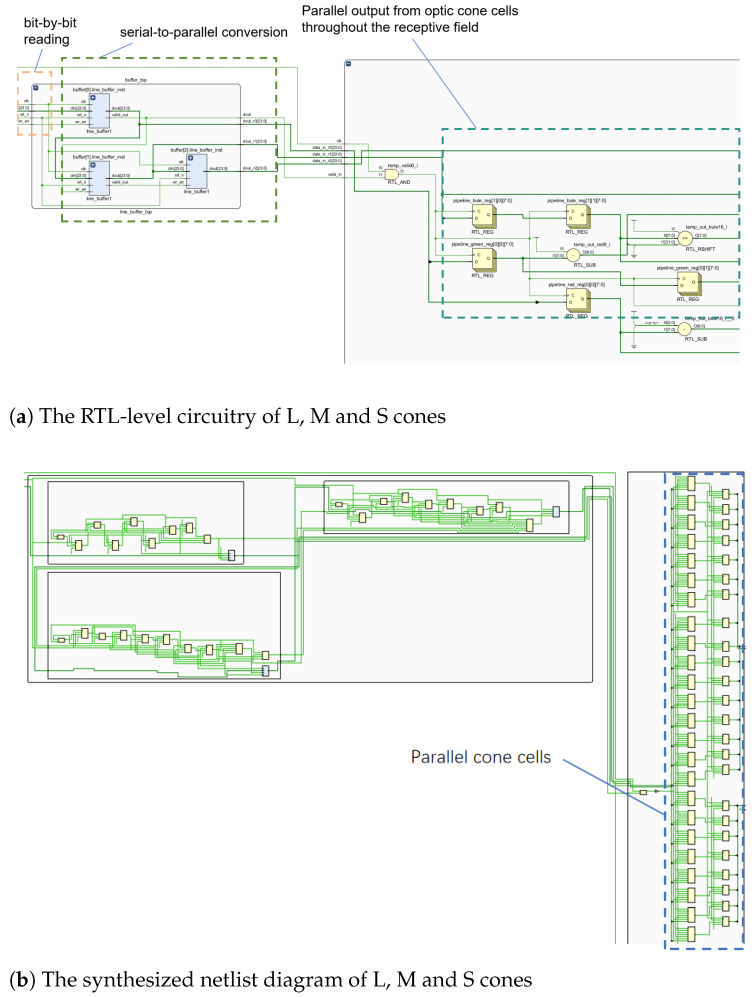 Figure 11
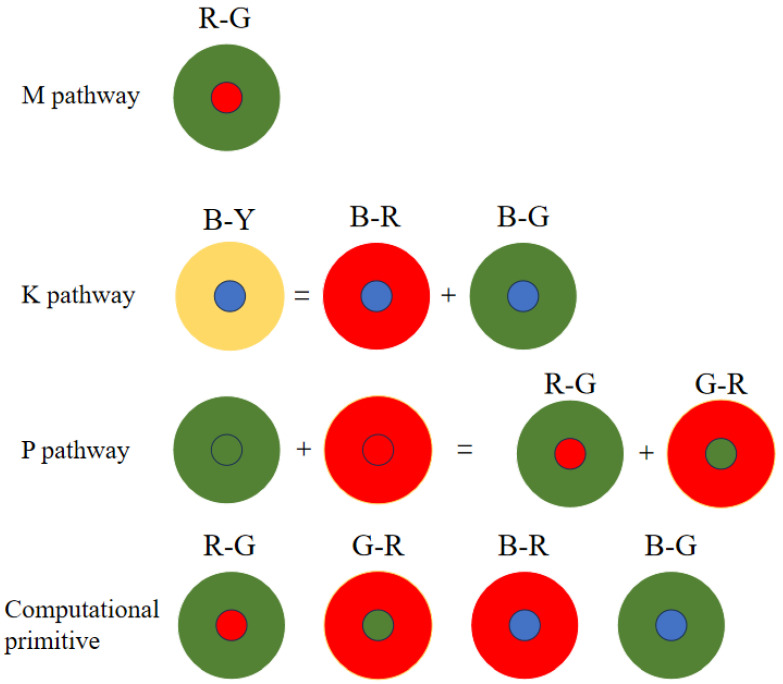 Figure 12
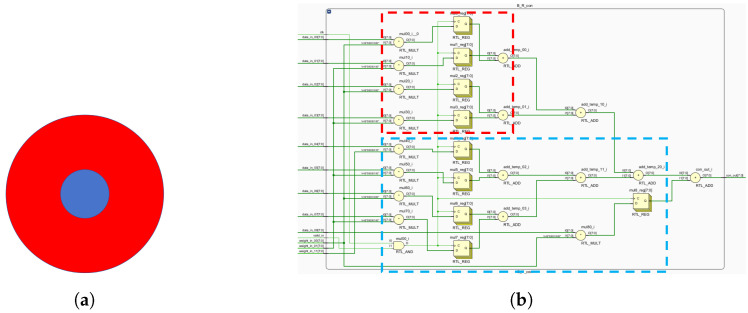 Figure 13
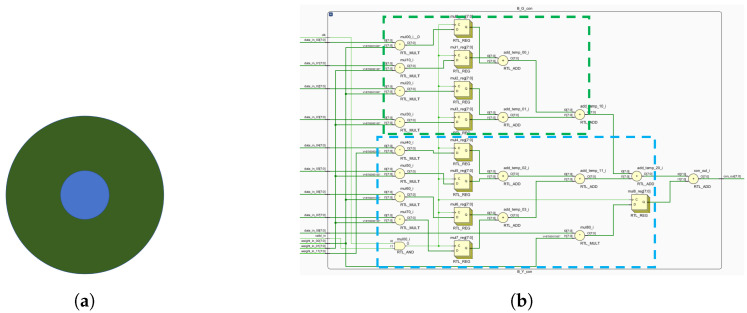 Figure 14
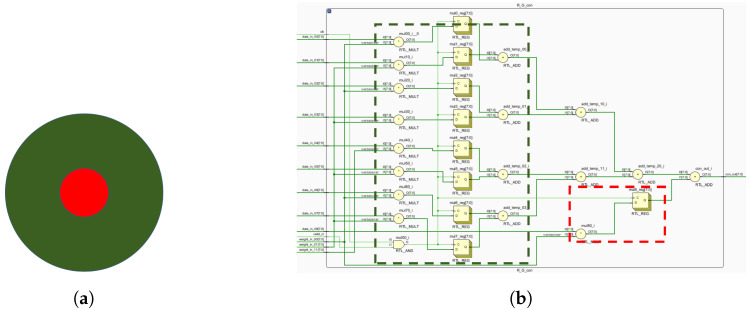 Figure 15
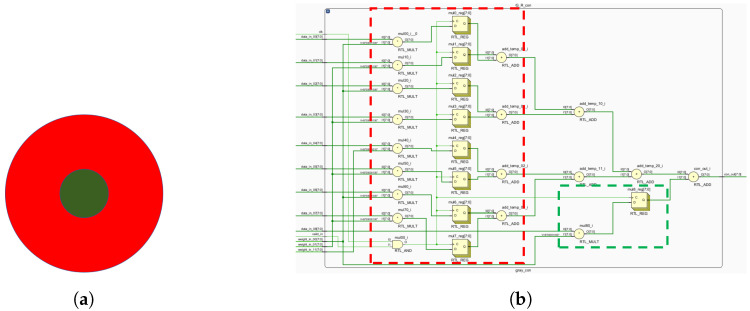 Figure 16
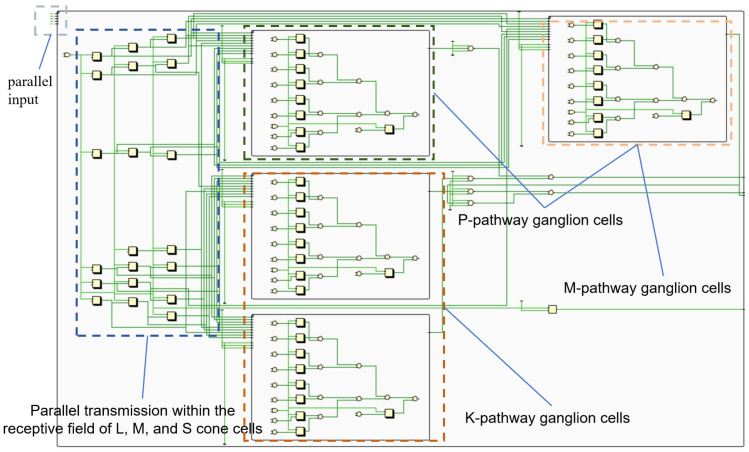 Figure 17
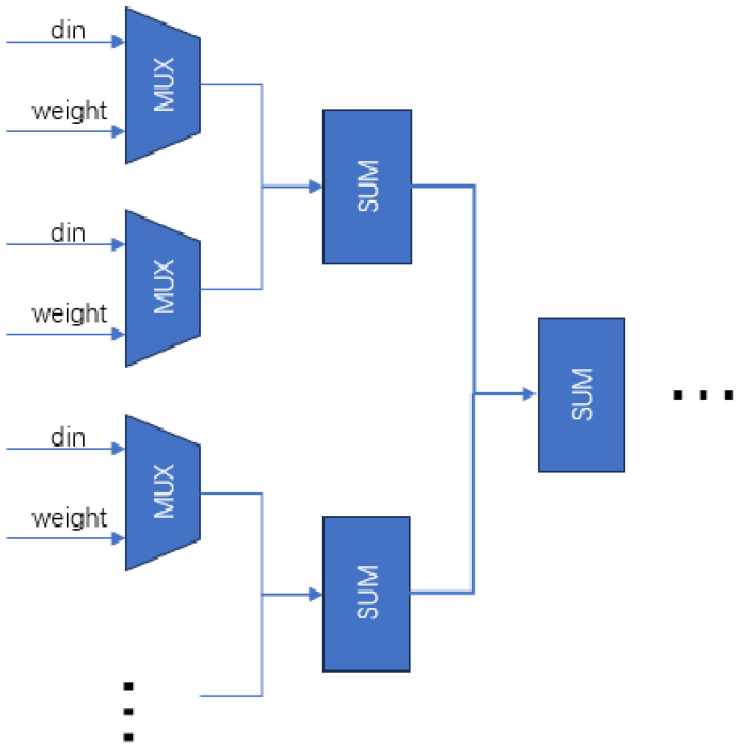 Figure 18
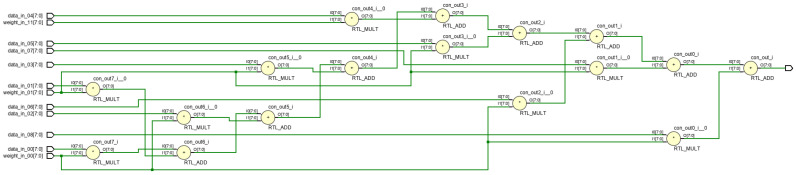 Figure 19
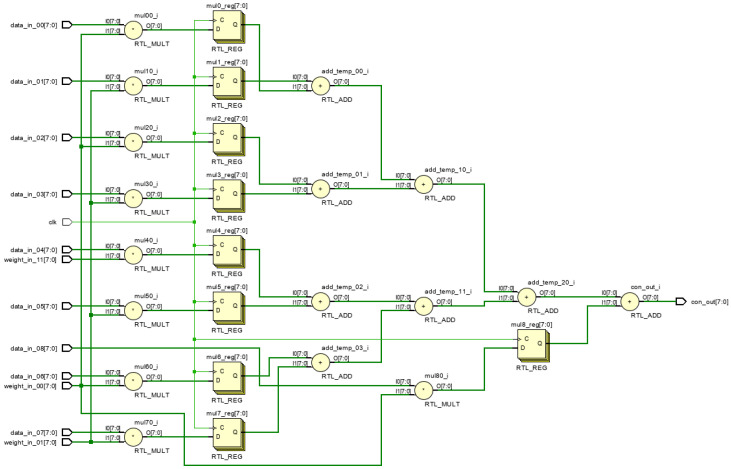 Figure 20
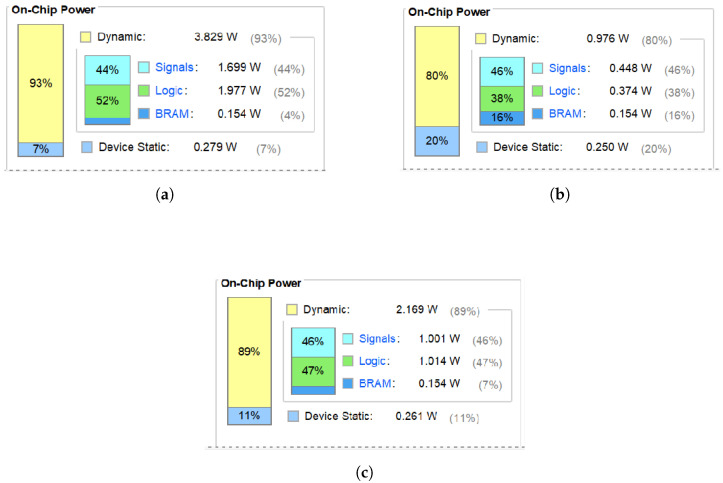 Figure 21
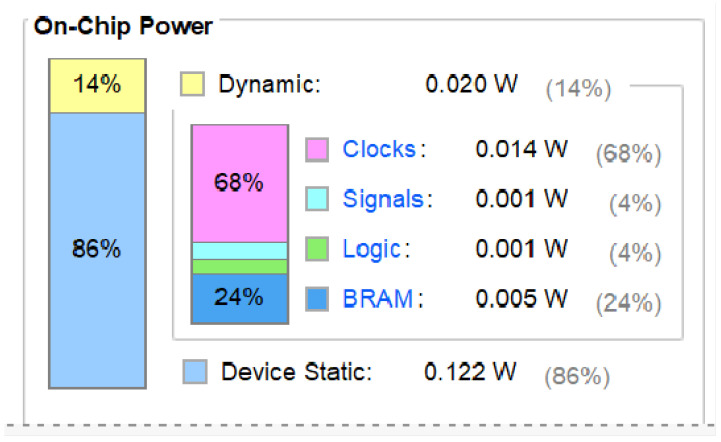 Figure 22
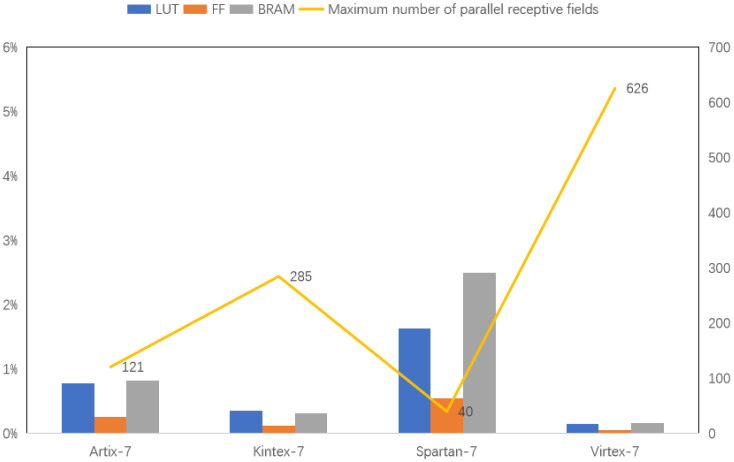 Figure 23
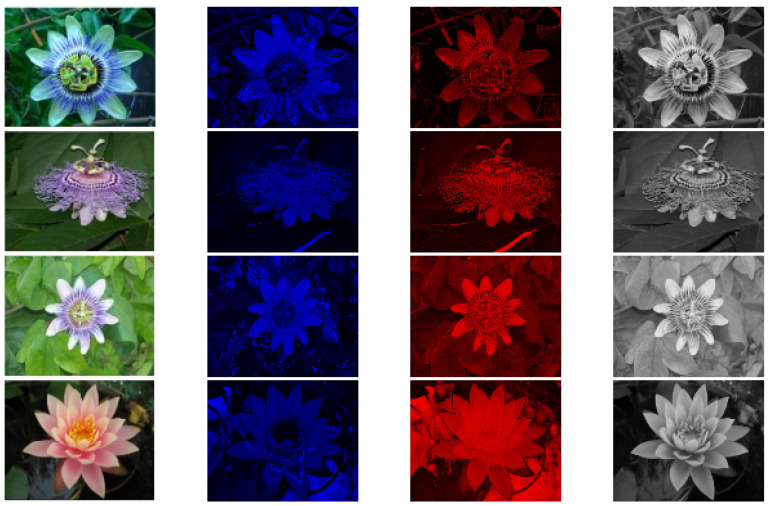 Figure 24
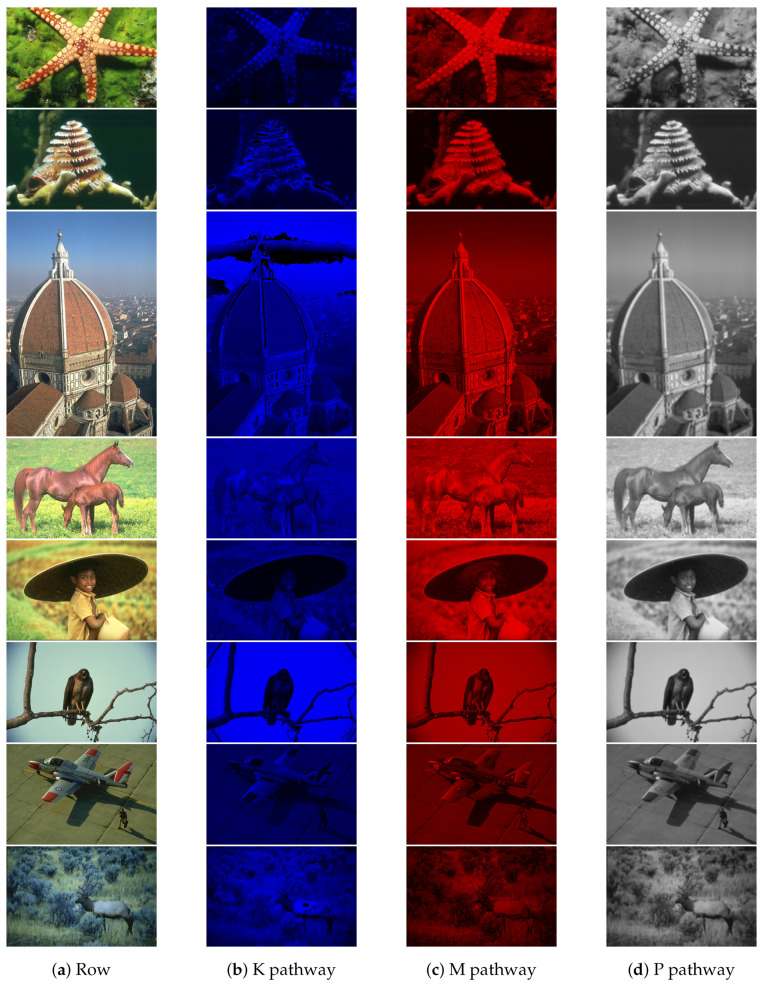 Figure 25
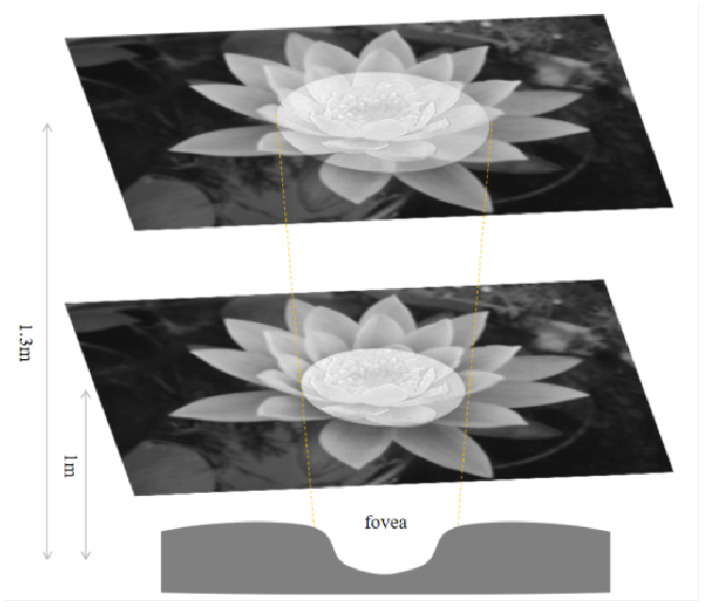 Figure 26
Peer Reviews
No public reviews on file for this paper yet. If you reviewed it on a platform where reviews are public (OpenReview, ICLR, NeurIPS, ICML), you can paste yours below so the community can read it here.
Videos
No videos yet. Explain this paper in a talk, walkthrough, or lecture? Add one.
Taxonomy
TopicsRetinal Development and Disorders · Photoreceptor and optogenetics research · Neuroscience and Neural Engineering