Induction of Invasive Basal Phenotype in Triple-Negative Breast Cancers by Long Noncoding RNA BORG
Farshad Niazi, Kimberly A. Parker, Sara J. Mason, Salendra Singh, William P. Schiemann, Saba Valadkhan

TL;DR
This paper shows that high levels of a gene called BORG are linked to more aggressive triple-negative breast cancers and could lead to new treatments.
Contribution
The study identifies BORG as a novel long noncoding RNA driver of invasive basal phenotype in triple-negative breast cancers.
Findings
High BORG expression is associated with invasive tumor behavior and poor therapy response in triple-negative breast cancers.
BORG induces pathways linked to basal tumor and epithelial-mesenchymal transition features in human and mouse models.
BORG expression varies widely across breast cancer subtypes and correlates with aggressive tumor traits.
Abstract
Breast cancer remains a major health issue in the United States and around the world. While progress has been made in curing most types of breast cancer, there are currently no effective cures for a subtype called ‘triple-negative’ breast cancer. We have identified a gene named BORG that, based on experiments in cultured human cells and mice, plays an important role in triple-negative breast cancer. Here, we study the function of this gene in a large group of human triple-negative breast cancers and show that when the level of expression of this gene is high, tumors become more invasive and develop ‘triple-negative’-like properties. Even in non-triple-negative tumors, high levels of expression of this gene are associated with more aggressive tumor behavior and poor response to therapy. Based on these validation studies in human tumors, we hope to leverage mechanistic vulnerabilities in…
Genes, proteins, chemicals, diseases, species, mutations and cell lines named across the full text — each resolved to its canonical identifier and authoritative record.
Click any figure to enlarge with its caption.
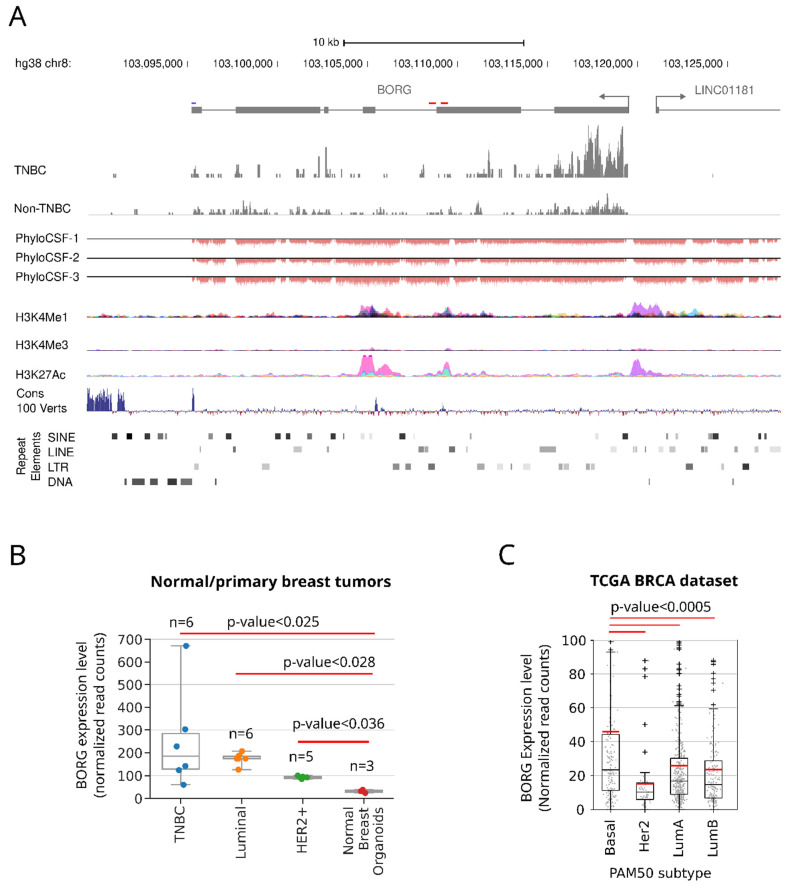 Figure 1
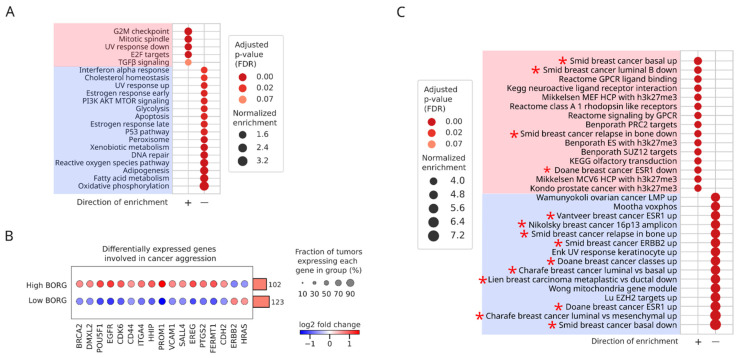 Figure 2
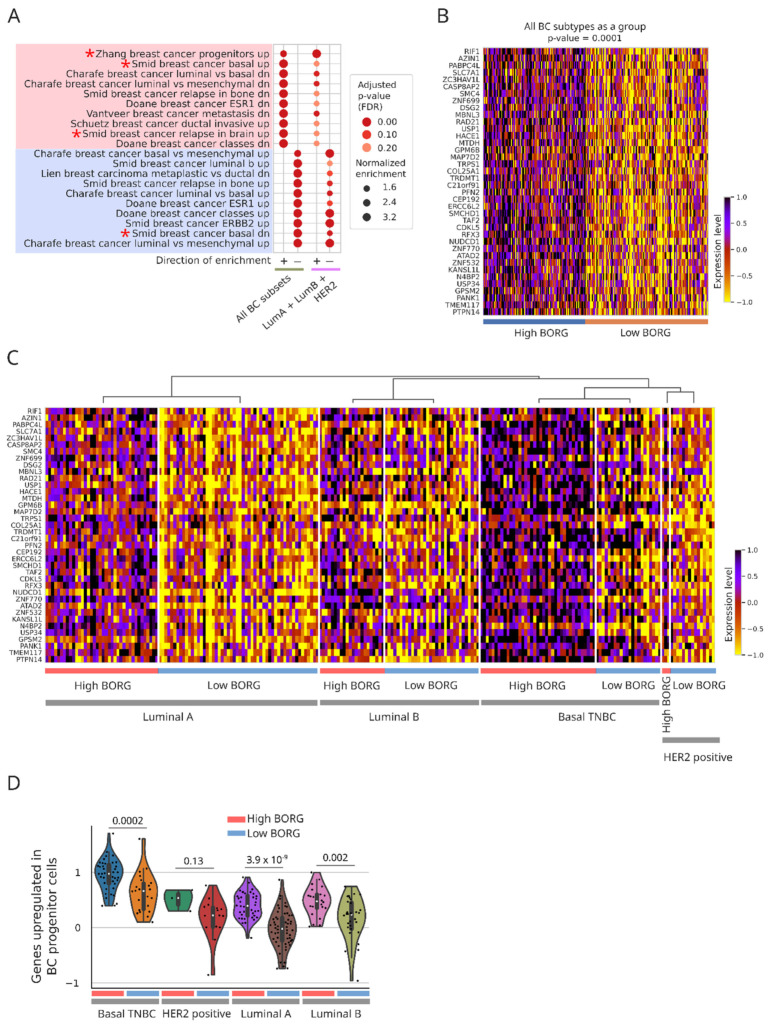 Figure 3
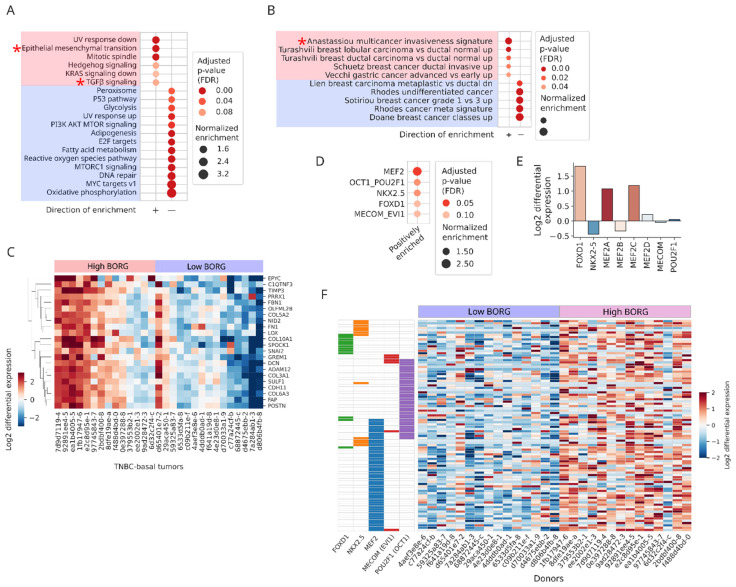 Figure 4
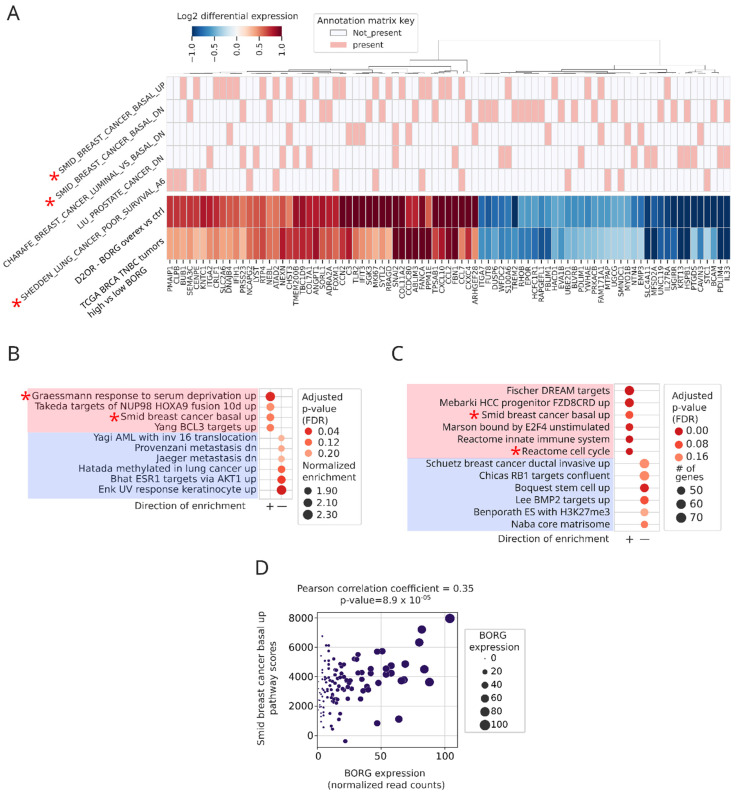 Figure 5
Peer Reviews
No public reviews on file for this paper yet. If you reviewed it on a platform where reviews are public (OpenReview, ICLR, NeurIPS, ICML), you can paste yours below so the community can read it here.
Videos
No videos yet. Explain this paper in a talk, walkthrough, or lecture? Add one.
Taxonomy
TopicsCancer-related molecular mechanisms research · RNA modifications and cancer · Molecular Biology Techniques and Applications