Application of CoLD-CoP to Detecting Competitively and Cooperatively Binding Ligands
Shiva V. Patnala, Roberto Robles, David A. Snyder

TL;DR
This paper introduces an extended version of the CoLD-CoP method to detect ligands that bind to proteins either competitively or cooperatively, improving drug discovery efficiency.
Contribution
The novel extension of CoLD-CoP enables the detection of both competitive and cooperative ligand binding using diffusion coefficient pairs.
Findings
The extended CoLD-CoP method successfully identifies ligands that bind competitively or cooperatively to macromolecules.
This approach streamlines the identification process by integrating computational and spectroscopic techniques.
Abstract
NMR utilization in fragment-based drug discovery requires techniques to detect weakly binding fragments and to subsequently identify cooperatively binding fragments. Such cooperatively binding fragments can then be optimized or linked in order to develop viable drug candidates. Similarly, ligands or substrates that bind macromolecules (including enzymes) in competition with the endogenous ligand or substrate are valuable probes of macromolecular chemistry and function. The lengthy and costly process of identifying competitive or cooperative binding can be streamlined by coupling computational biochemistry and spectroscopy tools. The Clustering of Ligand Diffusion Coefficient Pairs (CoLD-CoP) method, previously developed by Snyder and co-workers, detects weakly binding ligands by analyzing pairs of diffusion spectra, obtained in the absence and the presence of a protein. We extended the…
Click any figure to enlarge with its caption.
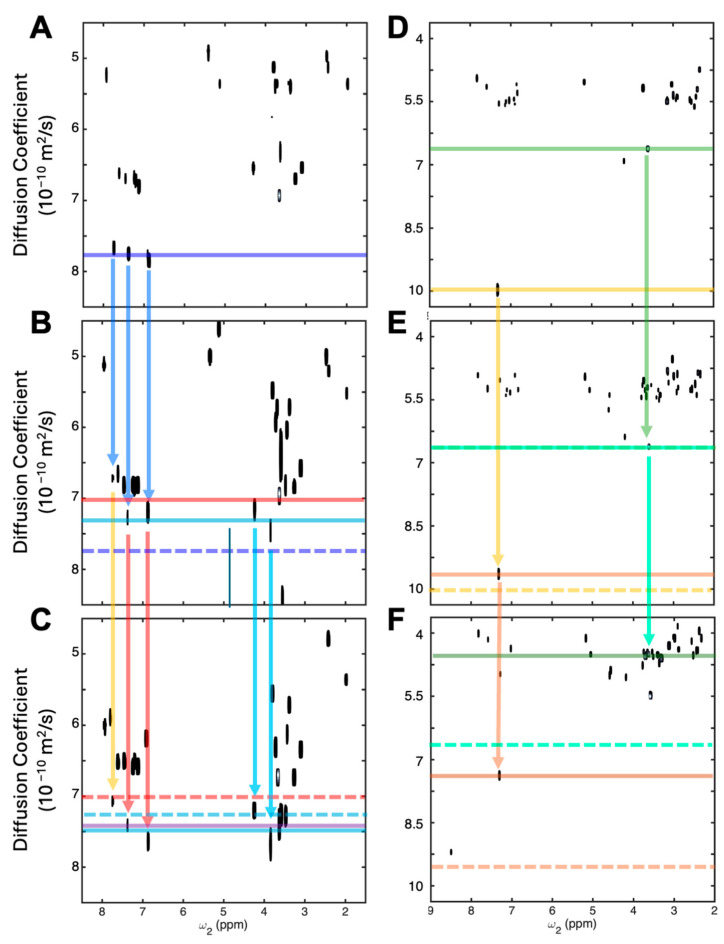 Figure 1
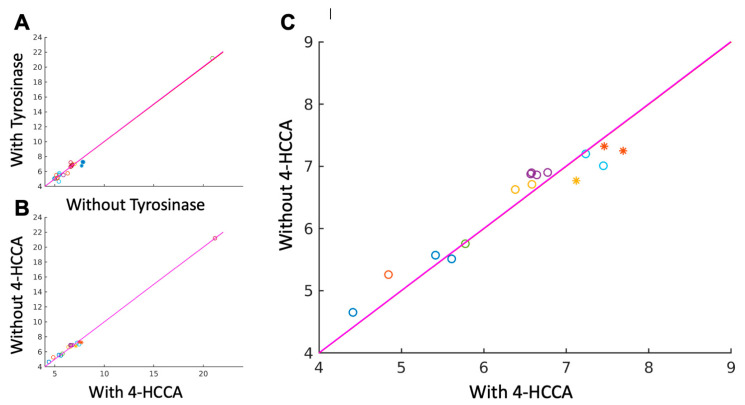 Figure 2
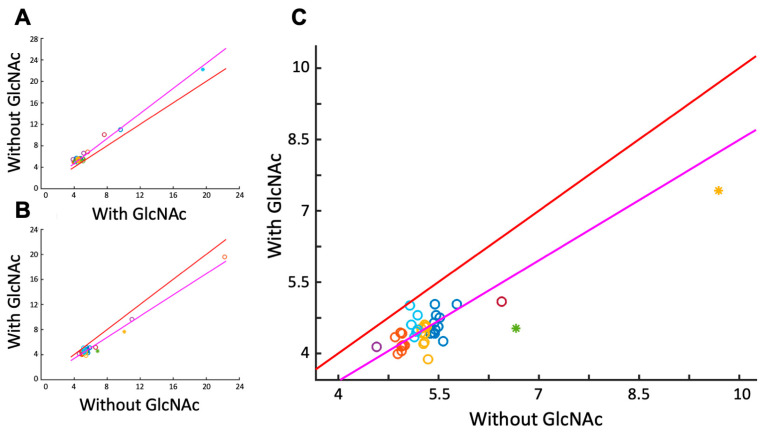 Figure 3
 Figure 4
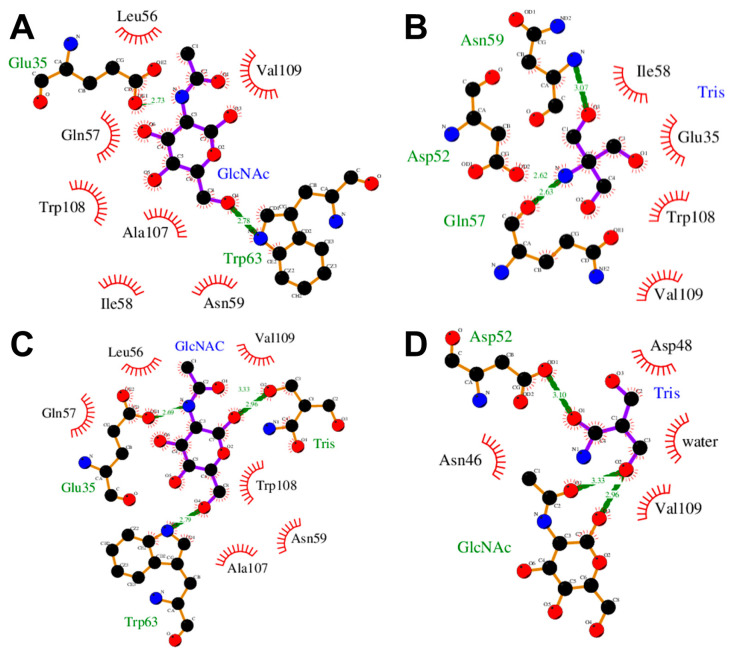 Figure 5
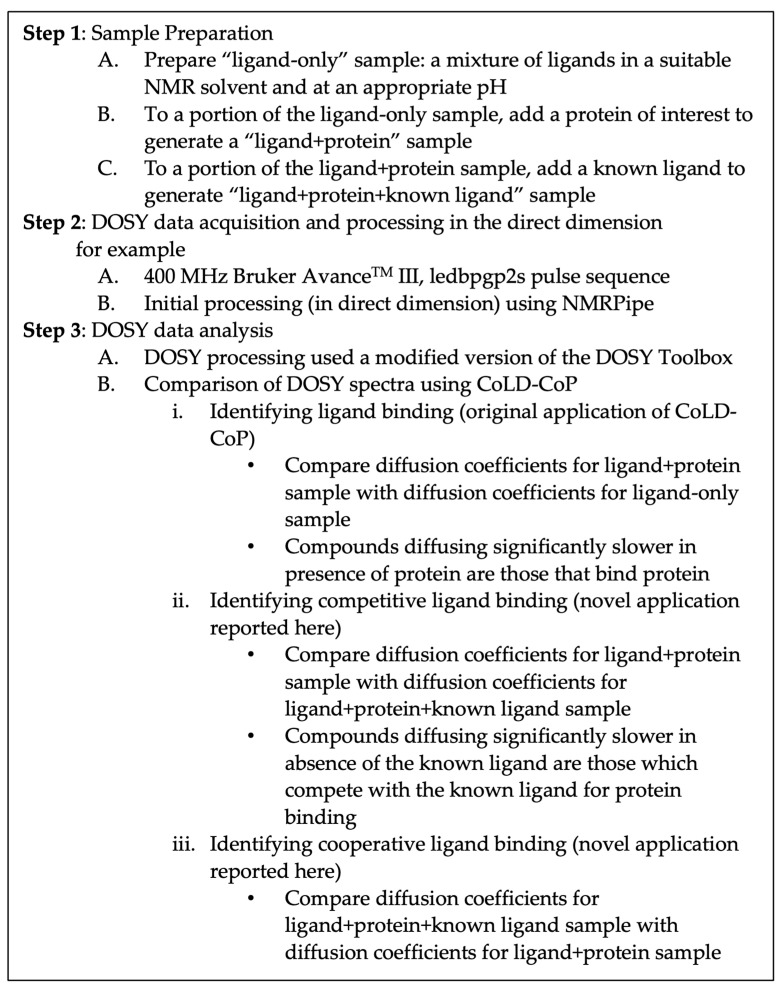 Figure 6
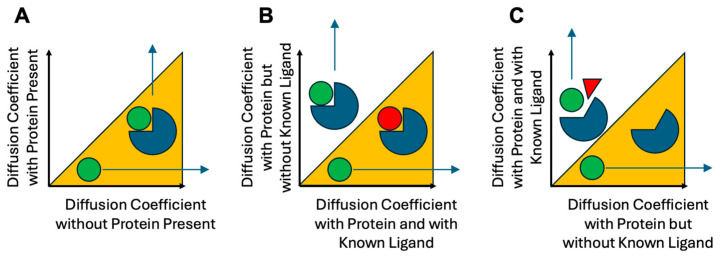 Figure 7
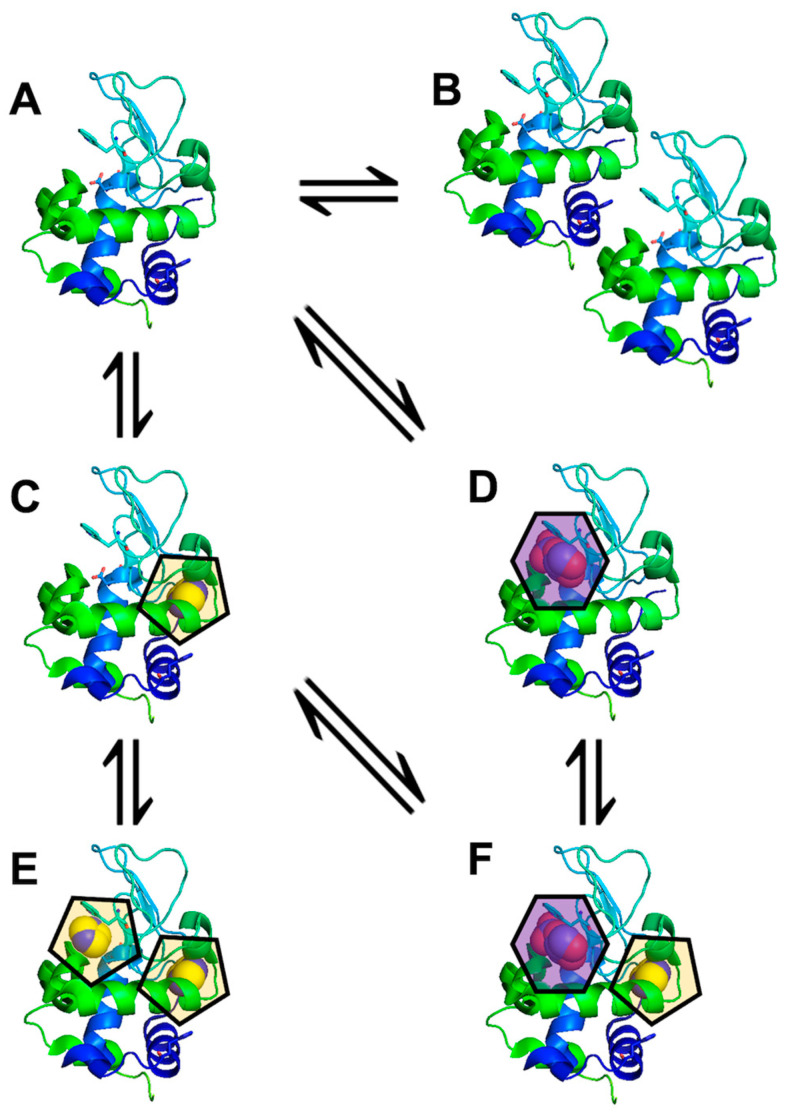 Figure 8
Peer Reviews
No public reviews on file for this paper yet. If you reviewed it on a platform where reviews are public (OpenReview, ICLR, NeurIPS, ICML), you can paste yours below so the community can read it here.
Videos
No videos yet. Explain this paper in a talk, walkthrough, or lecture? Add one.
Taxonomy
TopicsComputational Drug Discovery Methods · Molecular spectroscopy and chirality · Analytical Chemistry and Chromatography