Investigation of a Camera-Based Contactless Pulse Oximeter with Time-Division Multiplex Illumination Applied on Piglets for Neonatological Applications
René Thull, Sybelle Goedicke-Fritz, Daniel Schmiech, Aly Marnach, Simon Müller, Christina Körbel, Matthias W. Laschke, Erol Tutdibi, Nasenien Nourkami-Tutdibi, Elisabeth Kaiser, Regine Weber, Michael Zemlin, Andreas R. Diewald

TL;DR
Researchers developed a camera-based system to monitor vital signs of piglets without physical contact, aiming to improve neonatal care for premature babies.
Contribution
The study introduces a novel contactless pulse oximeter using time-division multiplex illumination and a new algorithm for neonatological applications.
Findings
The camera system achieved a mean difference of 0.7% between noncontact and contact saturation measurements.
Heartbeat and respiration were clearly separated in motionless piglets with minimal intervention.
The system shows promise for future noncontact monitoring in neonatal intensive care units.
Abstract
(1) Objective: This study aims to lay a foundation for noncontact intensive care monitoring of premature babies. (2) Methods: Arterial oxygen saturation and heart rate were measured using a monochrome camera and time-division multiplex controlled lighting at three different wavelengths (660 nm, 810 nm and 940 nm) on a piglet model. (3) Results: Using this camera system and our newly designed algorithm for further analysis, the detection of a heartbeat and the calculation of oxygen saturation were evaluated. In motionless individuals, heartbeat and respiration were separated clearly during light breathing and with only minor intervention. In this case, the mean difference between noncontact and contact saturation measurements was 0.7% (RMSE = 3.8%, MAE = 2.93%). (4) Conclusions: The new sensor was proven effective under ideal animal experimental conditions. The results allow a systematic…
Click any figure to enlarge with its caption.
 Figure 1
 Figure 2
 Figure 3
 Figure 4
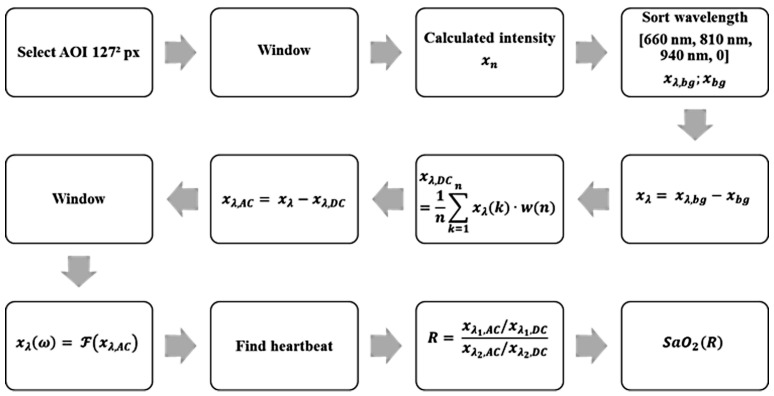 Figure 5
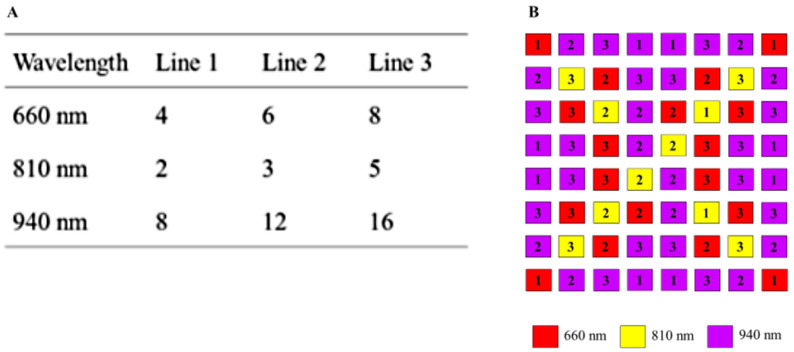 Figure 6
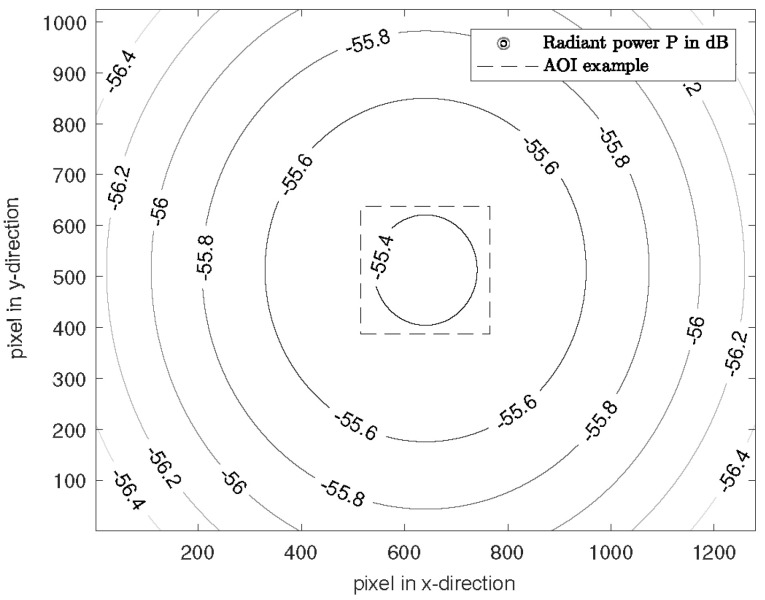 Figure 7
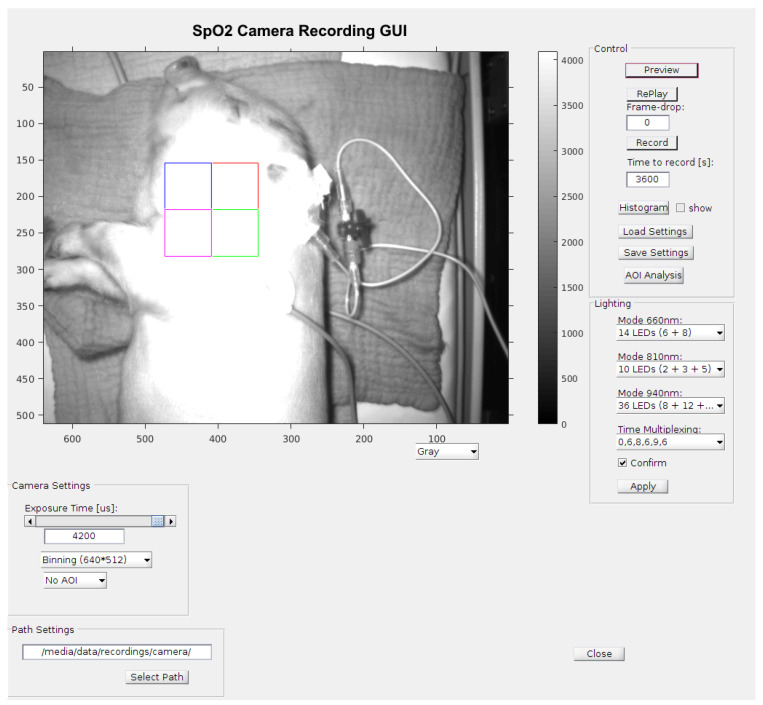 Figure 8
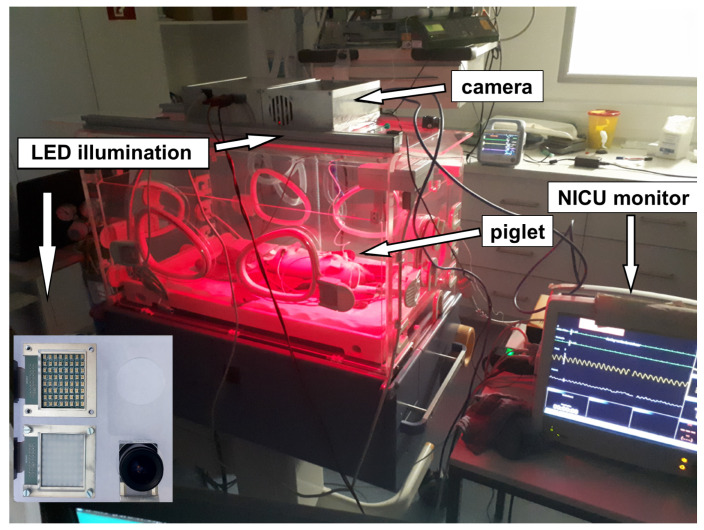 Figure 9
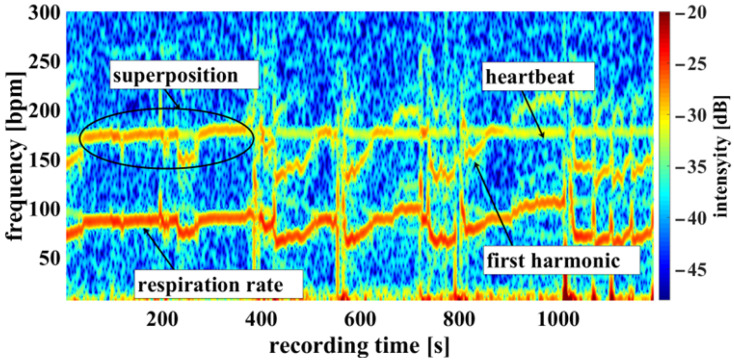 Figure 10
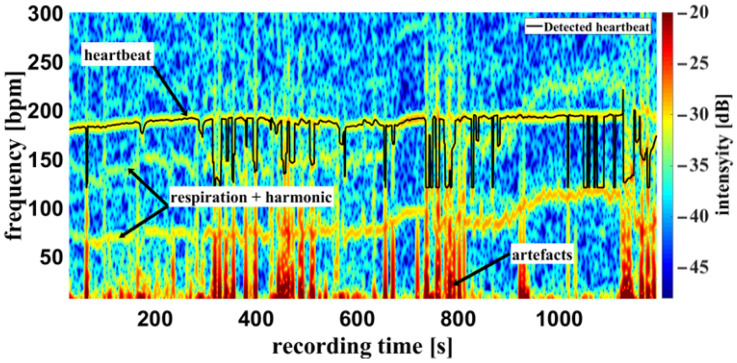 Figure 11
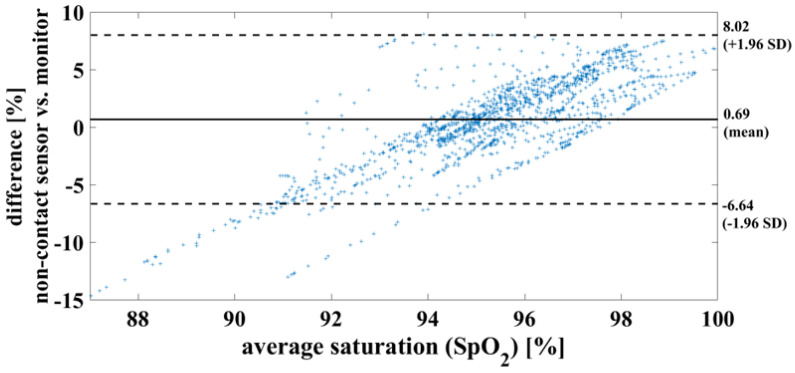 Figure 12
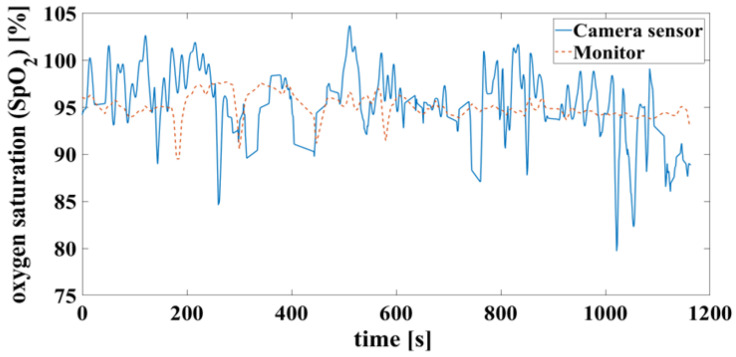 Figure 13
Peer Reviews
No public reviews on file for this paper yet. If you reviewed it on a platform where reviews are public (OpenReview, ICLR, NeurIPS, ICML), you can paste yours below so the community can read it here.
Videos
No videos yet. Explain this paper in a talk, walkthrough, or lecture? Add one.
Taxonomy
TopicsCentral European Literary Studies · Polish-Jewish Holocaust Memory Studies