Mucinous Carcinoma of the Breast With Neuroendocrine Differentiation: A Case Report of Cyto-Histopathology Findings
Anita B Sajjanar, Suhit Naseri, Pratibha Dawande, Sunita Vagha

TL;DR
This case report describes a rare instance of mucinous breast carcinoma with neuroendocrine features in a 63-year-old postmenopausal woman.
Contribution
The paper presents a rare case of mucinous breast carcinoma with neuroendocrine differentiation diagnosed via FNAC and confirmed by histopathology.
Findings
FNAC suggested mucinous breast carcinoma with neuroendocrine differentiation.
Histopathology and immunohistochemistry confirmed the diagnosis.
The tumor exhibited characteristics of a rare and poorly differentiated subtype of breast cancer.
Abstract
Mucinous breast carcinoma is a rare neoplasm. A minority of breast neoplasms exhibit a mucinous component, with purely mucinous cases being less frequent. It is more typically found in postmenopausal women. The etiology is multifactorial and involves dietary factors, reproductive factors, and hormonal factors. Mucinous carcinoma can grow to a large size at the time of diagnosis, although it typically grows slowly and palpable. Transcriptomic genetic studies have explained that mucinous tumors are of luminal A molecular subtype. Mucinous A tumors have different transcriptome characteristics than mucinous B tumors, which have a gene expression pattern resembling neuroendocrine (NE) carcinomas. Diagnosis of mucinous carcinoma with NE differentiation by fine needle aspiration cytology (FNAC) is reported infrequently. Histopathology is mandatory in the evaluation of mucinous breast…
Genes, proteins, chemicals, diseases, species, mutations and cell lines named across the full text — each resolved to its canonical identifier and authoritative record.
Click any figure to enlarge with its caption.
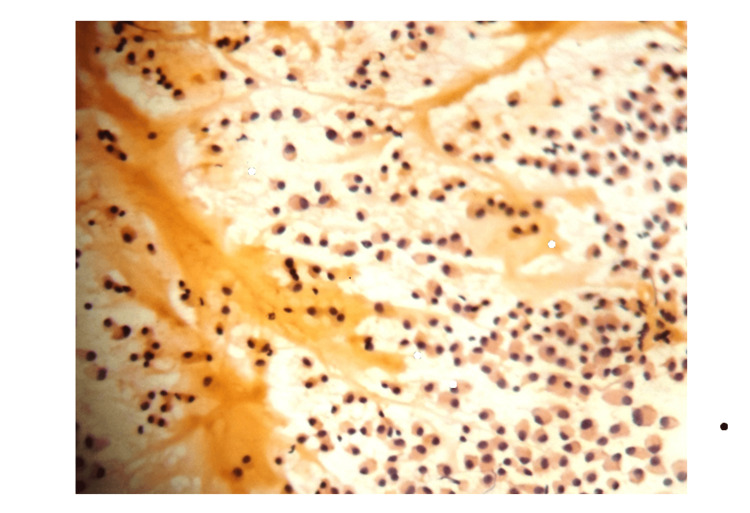 Figure 1
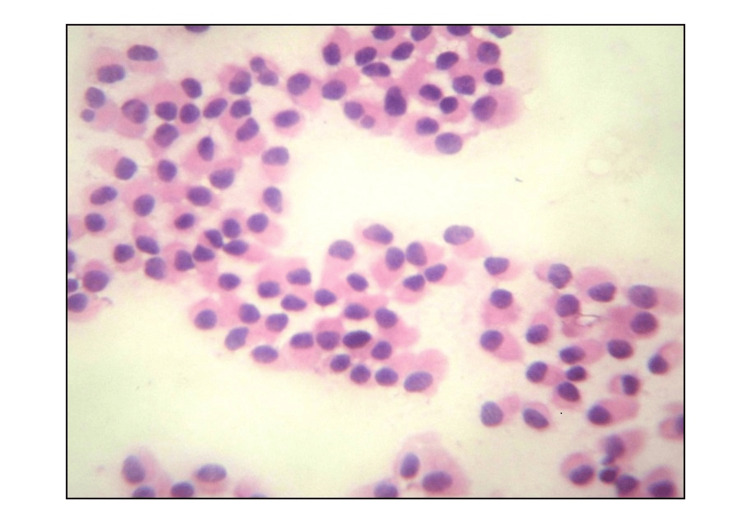 Figure 2
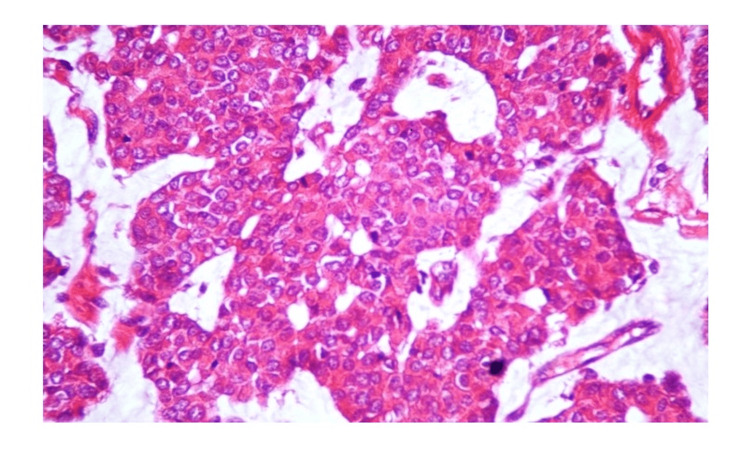 Figure 3
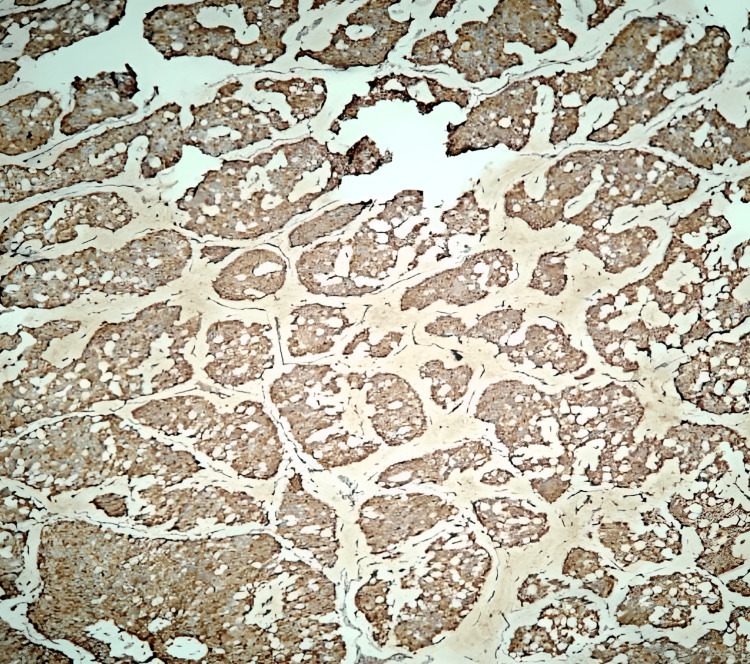 Figure 4
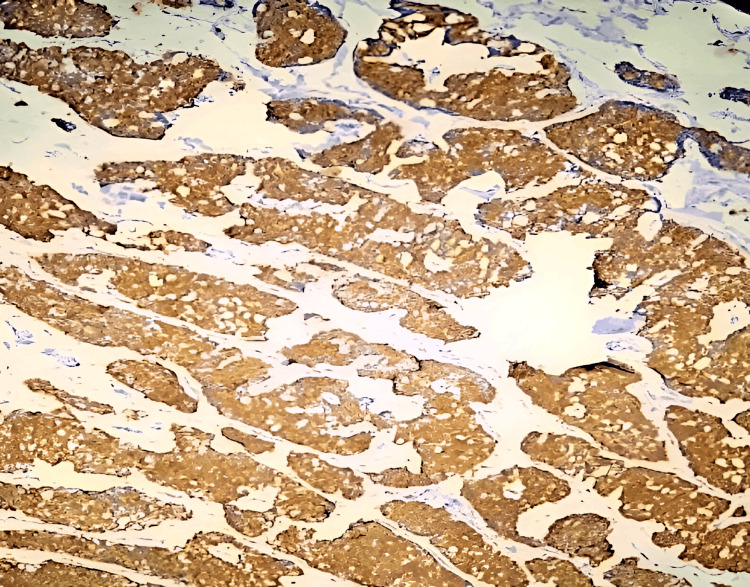 Figure 5
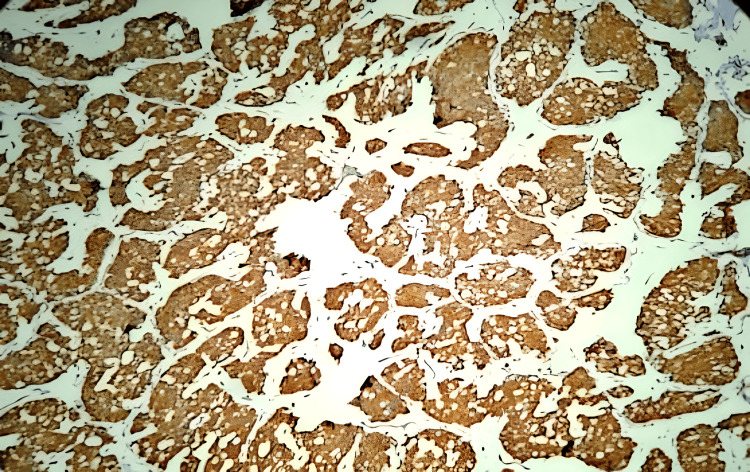 Figure 6
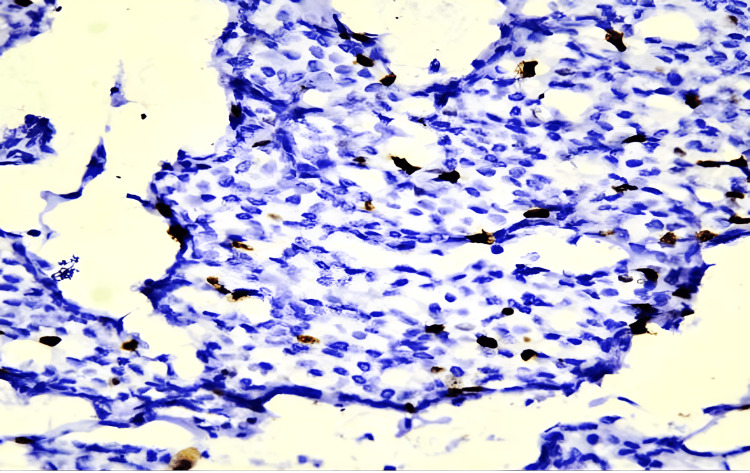 Figure 7
Peer Reviews
No public reviews on file for this paper yet. If you reviewed it on a platform where reviews are public (OpenReview, ICLR, NeurIPS, ICML), you can paste yours below so the community can read it here.
Videos
No videos yet. Explain this paper in a talk, walkthrough, or lecture? Add one.
Taxonomy
TopicsBreast Lesions and Carcinomas · Cancer and Skin Lesions · Breast Cancer Treatment Studies