The Role of TGF-β1 and Mutant SMAD4 on Epithelial-Mesenchymal Transition Features in Head and Neck Squamous Cell Carcinoma Cell Lines
Michael Bette, Laura Reinhardt, Uyanga Gansukh, Li Xiang-Tischhauser, Haifa Meskeh, Pietro Di Fazio, Malte Buchholz, Boris A. Stuck, Robert Mandic

TL;DR
This study explores how TGF-β1 and mutant SMAD4 influence epithelial-mesenchymal transition in head and neck cancer cells, linking these factors to metastasis potential.
Contribution
The study reveals that epithelial HNSCC cells respond more strongly to TGF-β1 and identifies mutant SMAD4 as a driver of mesenchymal features in HNSCC.
Findings
Epithelial HNSCC cells and HaCaT cells showed stronger responses to TGF-β1 than mesenchymal HNSCC cells.
Mutant SMAD4 was detected in the most mesenchymal HNSCC cell line and contributes to mesenchymal features.
Overexpression of mutant SMAD4 in HaCaT cells increased TGF-β1 and vimentin expression.
Abstract
Head and neck squamous cell carcinomas (HNSCCs) represent more than 90% of all malignancies in the upper aero-digestive tract. Their ability to metastasize is tightly associated with the patient’s survival. The process of epithelial–mesenchymal transition (EMT) is thought to be a central mechanism for invasion and metastasis. Here, we investigated the responsiveness of HNSCC cell lines and the HaCaT control cell line to the EMT master regulator TGF-β1 and observed major differences in the level of sensitivity to this cytokine. The more epithelial HNSCC cells and HaCaT control cells responded more extensively to TGF-β1 than the less epithelial HNSCC cells. Mutant SMAD4 was detected in the most mesenchymal HNSCC cell line and appears to contribute to mesenchymal features in HNSCC cells. These observations could help to explain the different histomorphological phenotypes of HNSCC tumors,…
Genes, proteins, chemicals, diseases, species, mutations and cell lines named across the full text — each resolved to its canonical identifier and authoritative record.
Click any figure to enlarge with its caption.
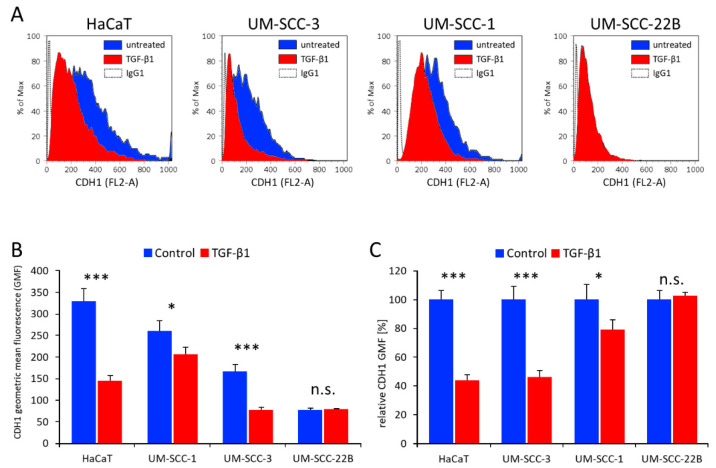 Figure 1
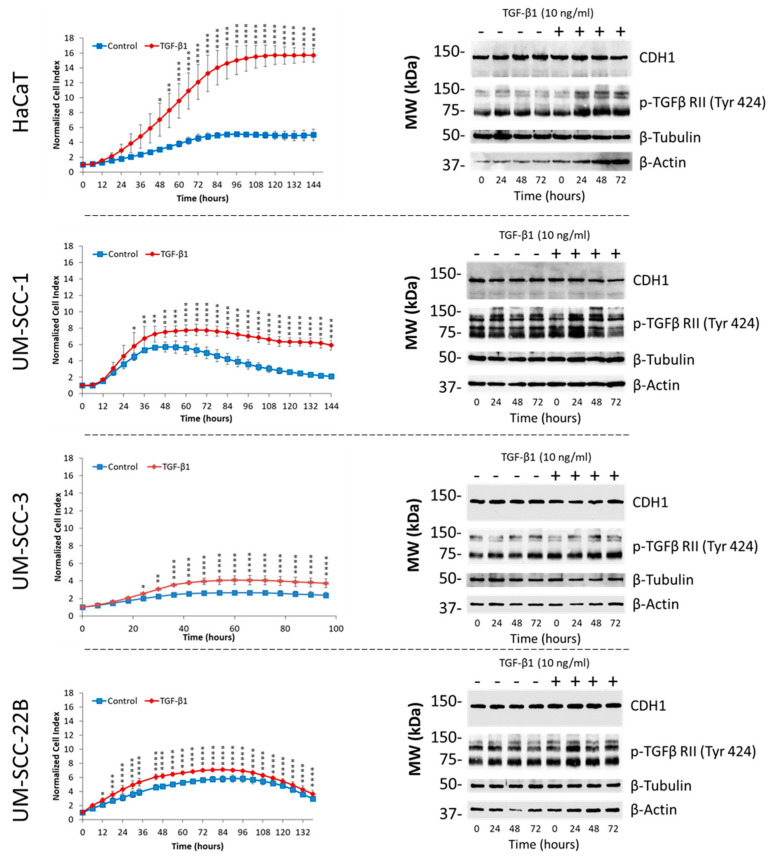 Figure 2
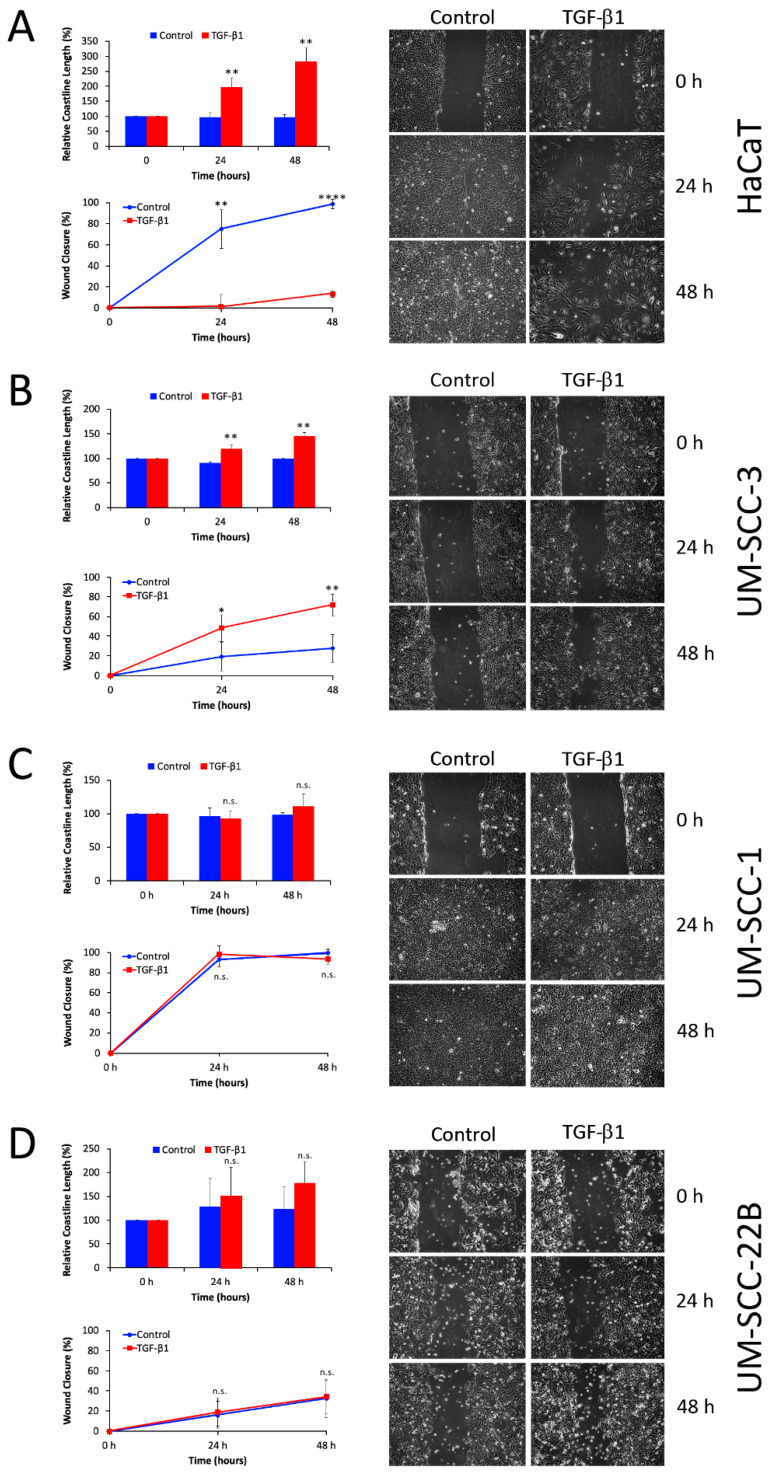 Figure 3
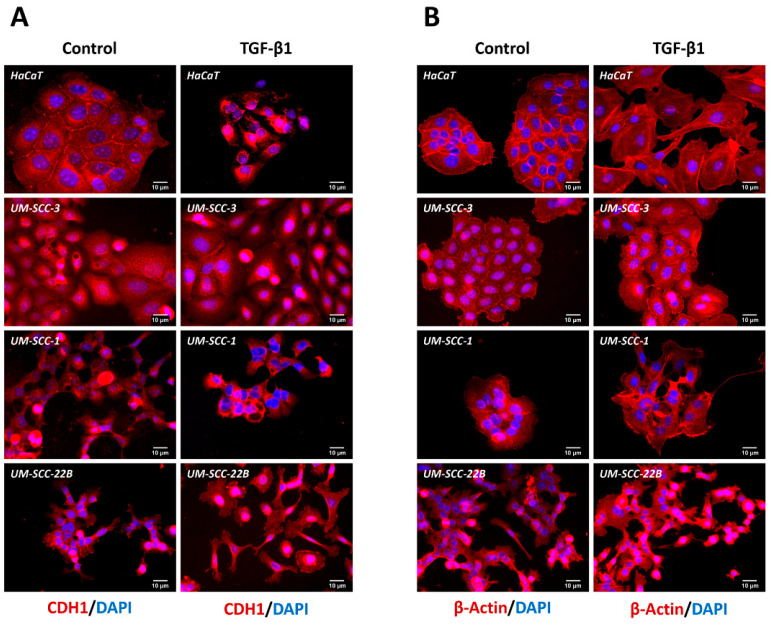 Figure 4
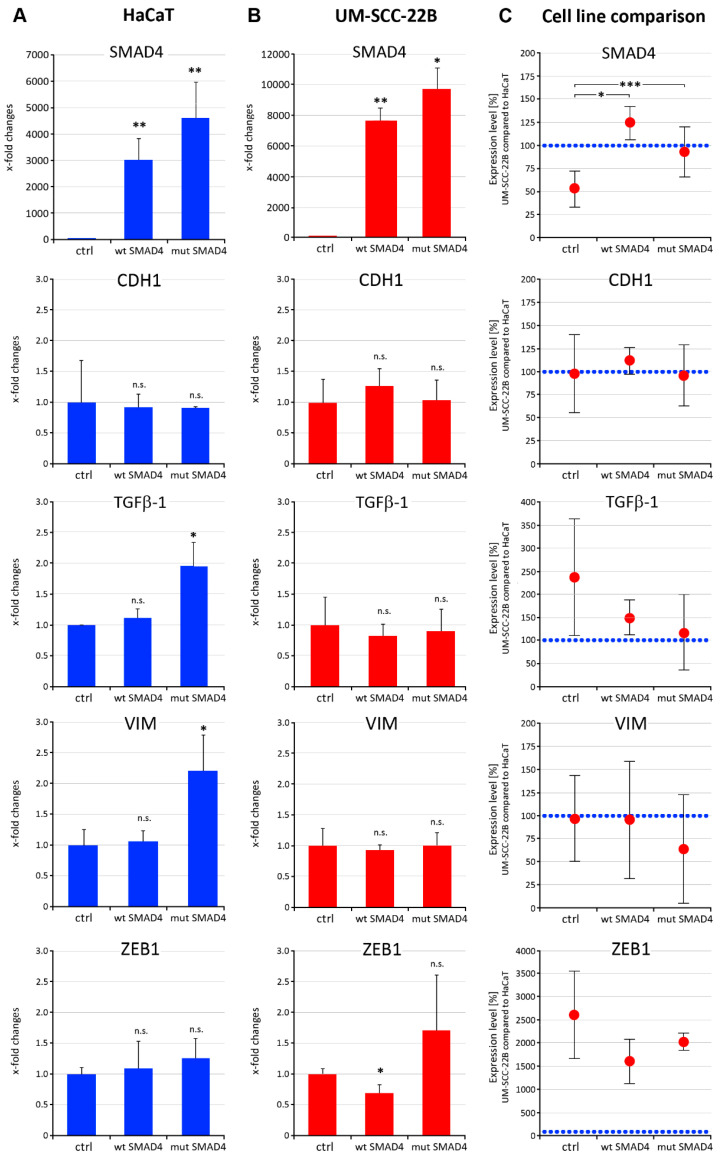 Figure 5
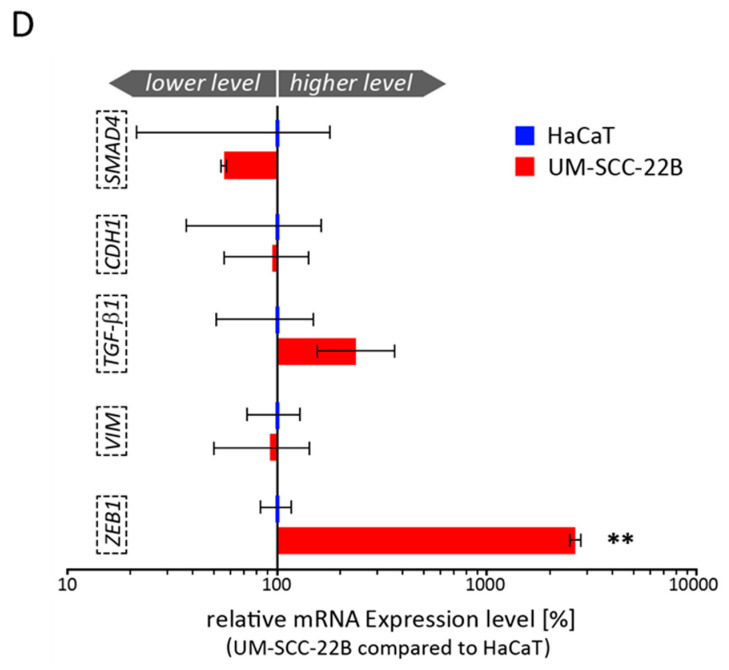 Figure 6
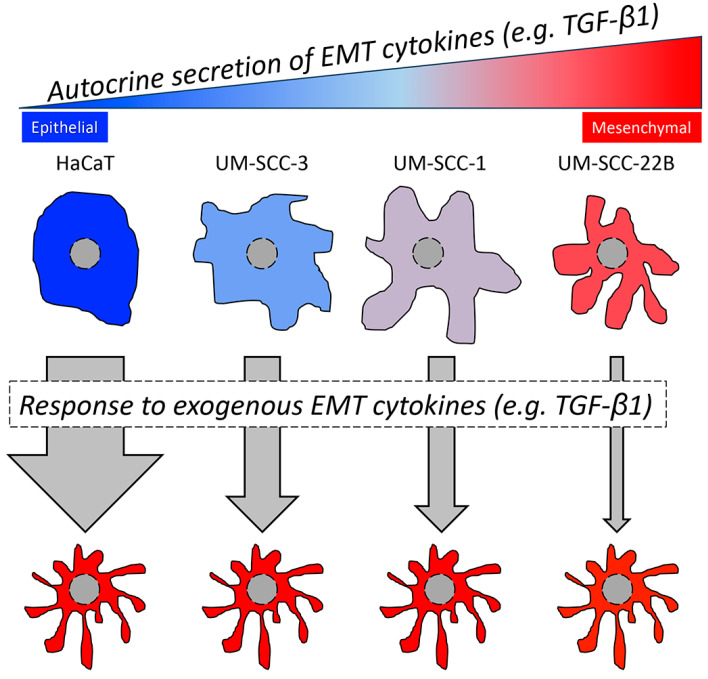 Figure 7
Peer Reviews
No public reviews on file for this paper yet. If you reviewed it on a platform where reviews are public (OpenReview, ICLR, NeurIPS, ICML), you can paste yours below so the community can read it here.
Videos
No videos yet. Explain this paper in a talk, walkthrough, or lecture? Add one.
Taxonomy
TopicsTGF-β signaling in diseases · Hedgehog Signaling Pathway Studies · Cancer-related gene regulation