2PP-Hydrogel Covered Electrodes to Compensate for Media Effects in the Determination of Biomass in a Capillary Wave Micro Bioreactor
Sven Meinen, Steffen Brinkmann, Kevin Viebrock, Bassant Elbardisy, Henning Menzel, Rainer Krull, Andreas Dietzel

TL;DR
This paper introduces a new electrode design for microbioreactors that improves biomass measurement accuracy by compensating for changes in the culture medium.
Contribution
A novel hydrogel-covered electrode setup is developed to isolate biomass signals from medium effects in microbioreactors.
Findings
The sensor measured yeast biomass from 1 to 20 g L−1.
It compensated for conductivity changes between 5 to 15 mS cm−1.
The hydrogel method is suitable for broader biosensing applications.
Abstract
Microbioreactors increase information output in biopharmaceutical screening applications because they can be operated in parallel without consuming large quantities of the pharmaceutical formulations being tested. A capillary wave microbioreactor (cwMBR) has recently been reported, allowing cost-efficient parallelization in an array that can be activated for mixing as a whole. Although impedance spectroscopy can directly distinguish between dead and viable cells, the monitoring of cells in suspension within bioreactors is challenging because the signal is influenced by the potentially varying properties of the culture medium. In order to address this challenge, an impedance sensor consisting of two sets of microelectrodes in a cwMBR is presented. Only one set of electrodes was covered by a two-photon cross-linked hydrogel to become insensitive to the influence of cells while remaining…
Genes, proteins, chemicals, diseases, species, mutations and cell lines named across the full text — each resolved to its canonical identifier and authoritative record.
Click any figure to enlarge with its caption.
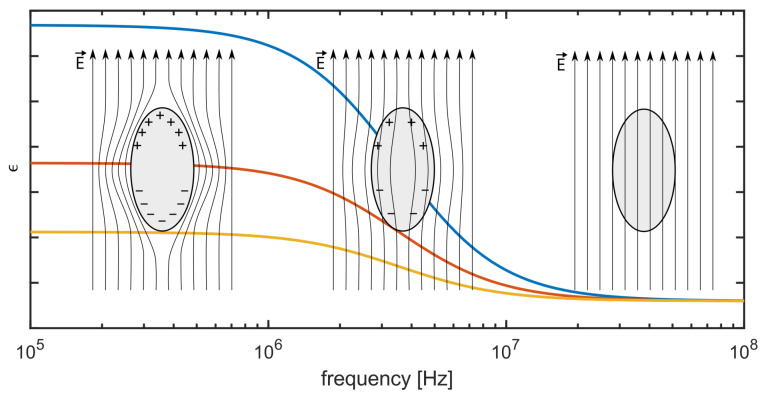 Figure 1
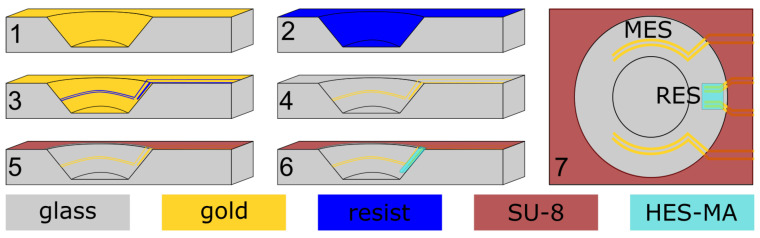 Figure 2
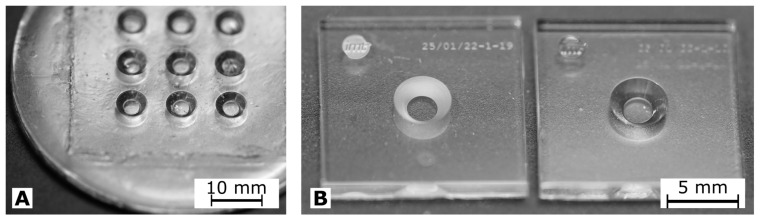 Figure 3
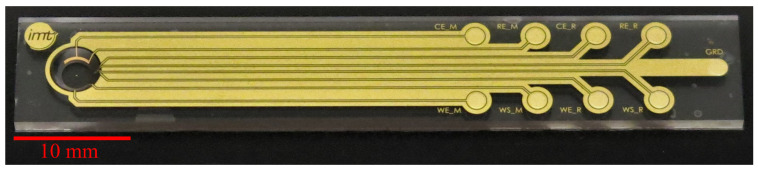 Figure 4
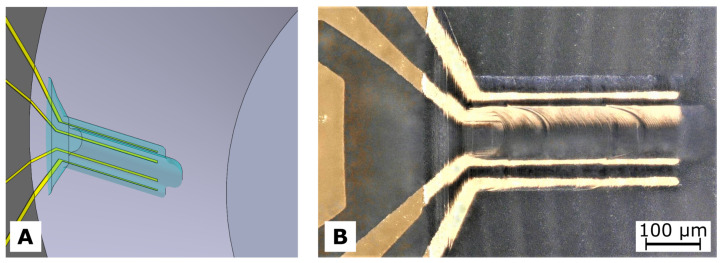 Figure 5
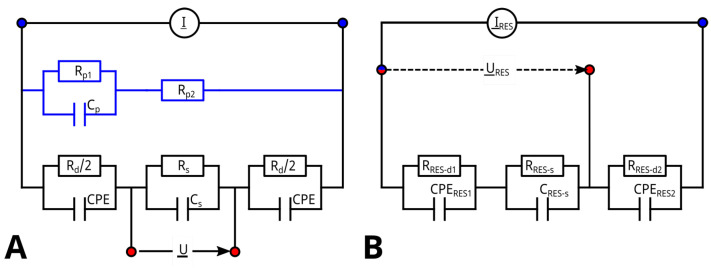 Figure 6
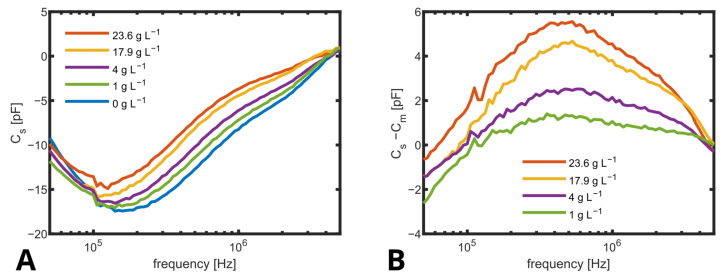 Figure 7
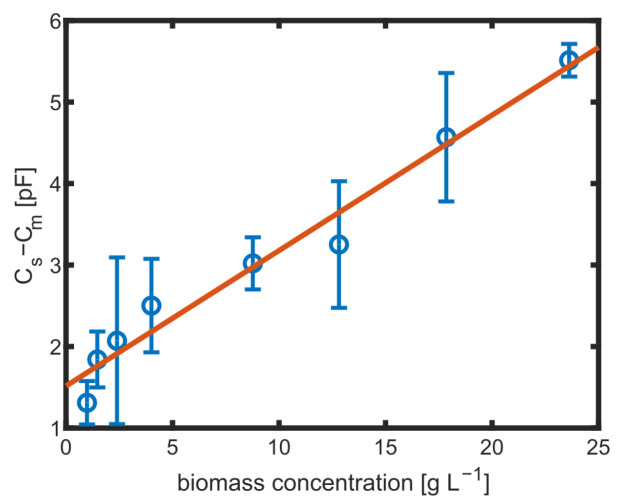 Figure 8
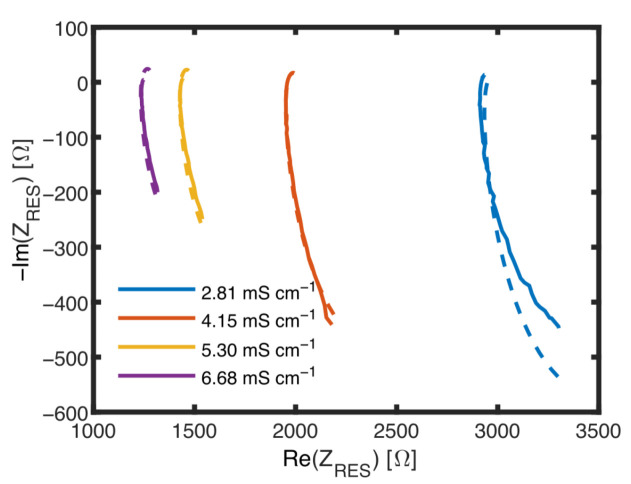 Figure 9
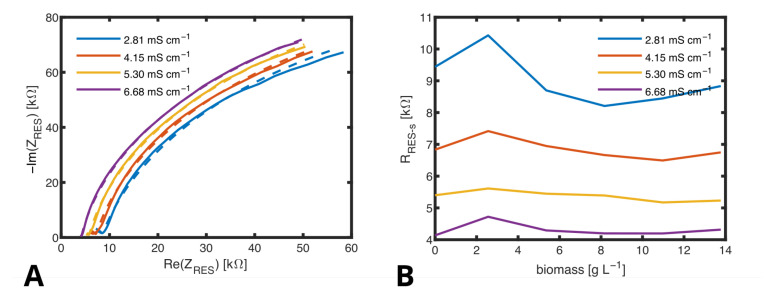 Figure 10
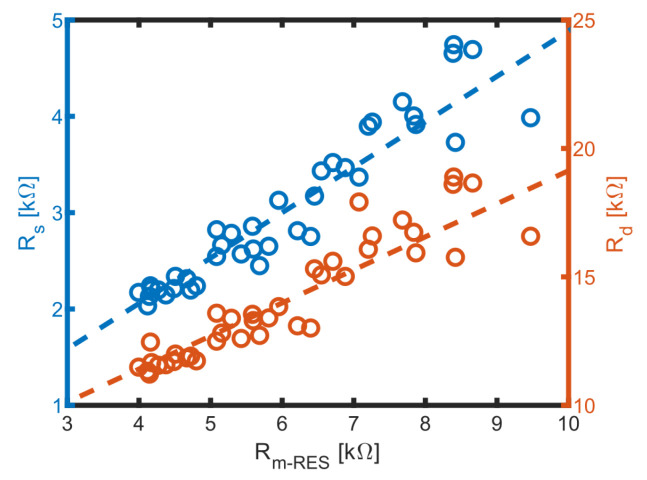 Figure 11
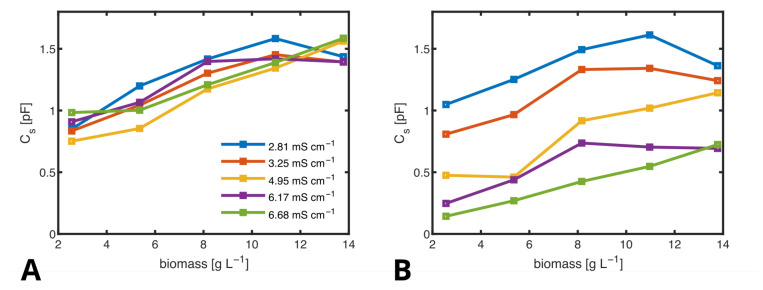 Figure 12
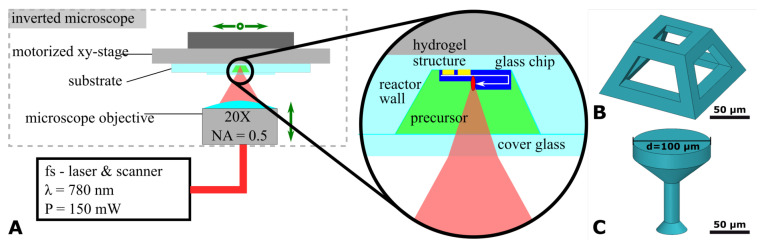 Figure 13
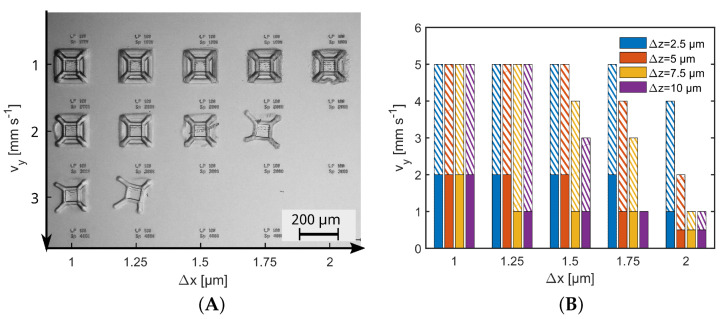 Figure 14
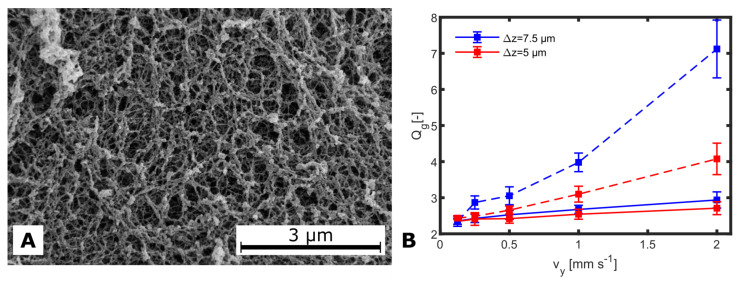 Figure 15
Peer Reviews
No public reviews on file for this paper yet. If you reviewed it on a platform where reviews are public (OpenReview, ICLR, NeurIPS, ICML), you can paste yours below so the community can read it here.
Videos
No videos yet. Explain this paper in a talk, walkthrough, or lecture? Add one.
Taxonomy
TopicsMicrofluidic and Bio-sensing Technologies · Electrowetting and Microfluidic Technologies · Innovative Microfluidic and Catalytic Techniques Innovation