Ginkgo Biloba Bioactive Phytochemicals against Age-Related Diseases: Evidence from a Stepwise, High-Throughput Research Platform
Yuming Yuan, Xiaoyan Xiang, Xuejun Jiang, Yingju Liu, Ming Zhang, Luyang Lu, Xinping Zhang, Xinyi Liu, Qunyou Tan, Jingqing Zhang

TL;DR
This study shows that ginkgo biloba seed powder can help with aging, atherosclerosis, and fatigue by affecting multiple biological pathways.
Contribution
A novel high-throughput platform reveals ginkgo biloba seed powder's multi-target effects against age-related diseases.
Findings
WGP reduced brain monoamine oxidase and serum malondialdehyde levels in senescent mice.
WGP improved lipid profiles and reduced atherosclerosis index in experimental models.
Network pharmacology identified 270 potential targets and 10 hub genes involved in anti-aging and anti-inflammatory pathways.
Abstract
The seeds of ginkgo biloba L (GB) have been widely used worldwide. This study investigated the bioefficacies of whole GB seed powder (WGP) retaining the full nutrients of ginkgo against aging, atherosclerosis, and fatigue. The experimental results indicated that WGP lowered brain monoamine oxidase and serum malondialdehyde levels, enhanced thymus/spleen indexes, and improved learning ability, and delayed aging in senescent mice. WGP regulated lipid levels and prevented atherosclerosis by reducing triglycerides, lowering low-density lipoprotein cholesterol, increasing high-density lipoprotein cholesterol, and decreasing the atherosclerosis index. WGP improved exercise performance by reducing blood lactate accumulation and extending exhaustive swimming and climbing times, improved energy storage by increasing muscle/liver glycogen levels, and relieved physical fatigue. Network…
Genes, proteins, chemicals, diseases, species, mutations and cell lines named across the full text — each resolved to its canonical identifier and authoritative record.
Click any figure to enlarge with its caption.
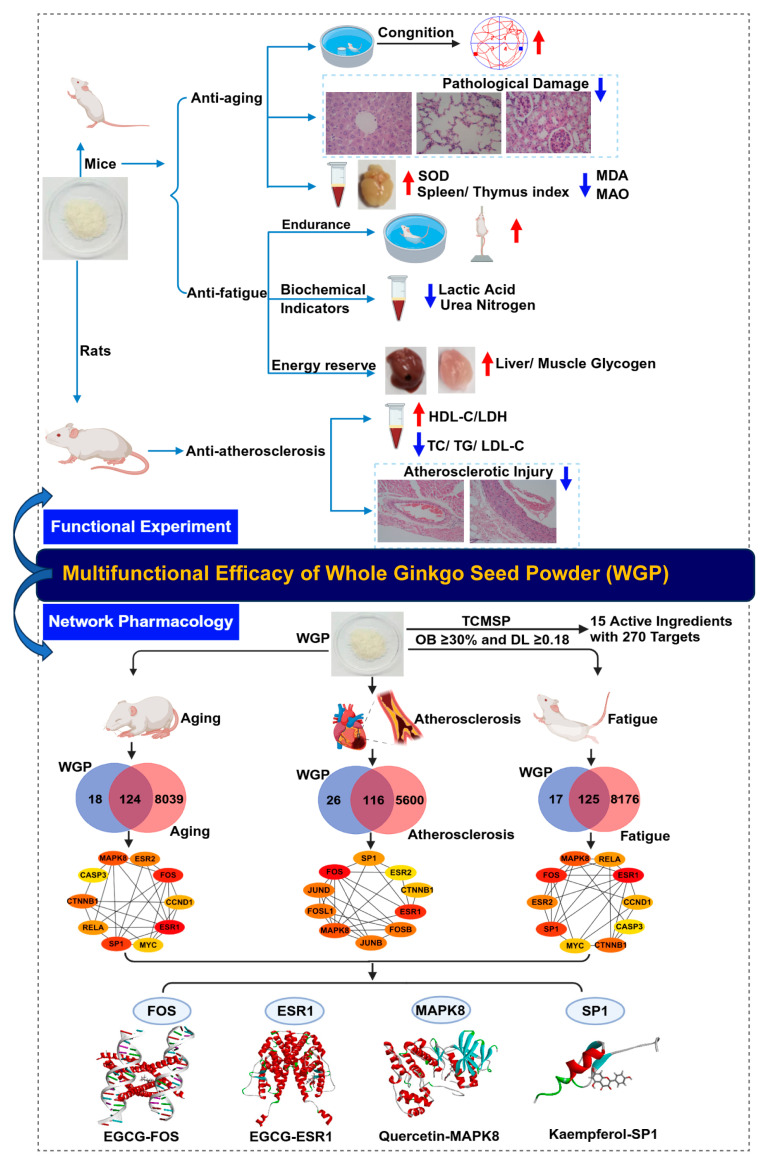 Figure 1
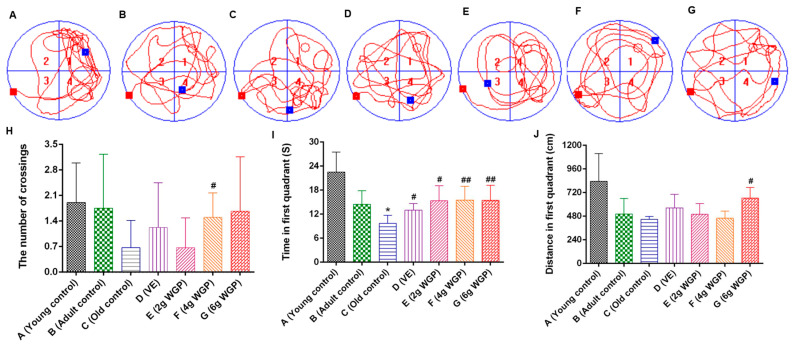 Figure 2
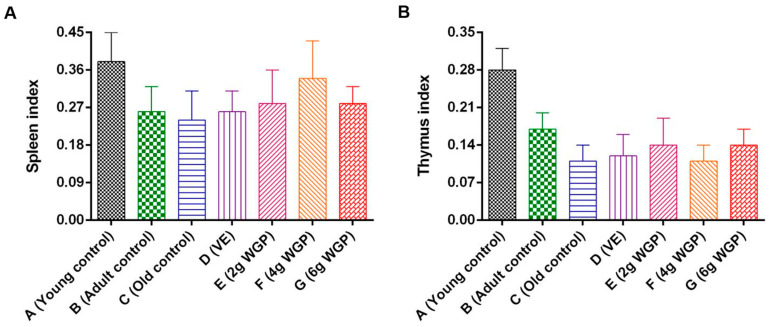 Figure 3
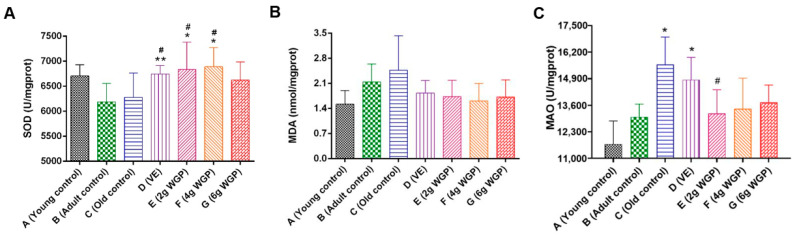 Figure 4
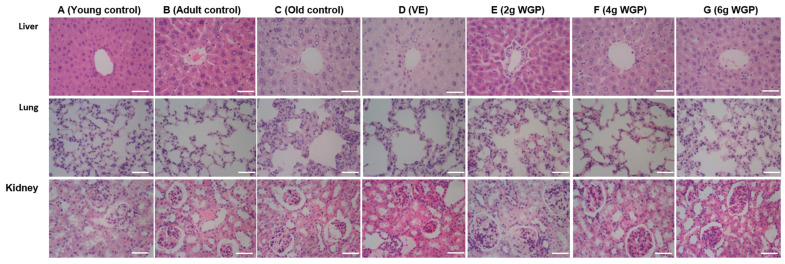 Figure 5
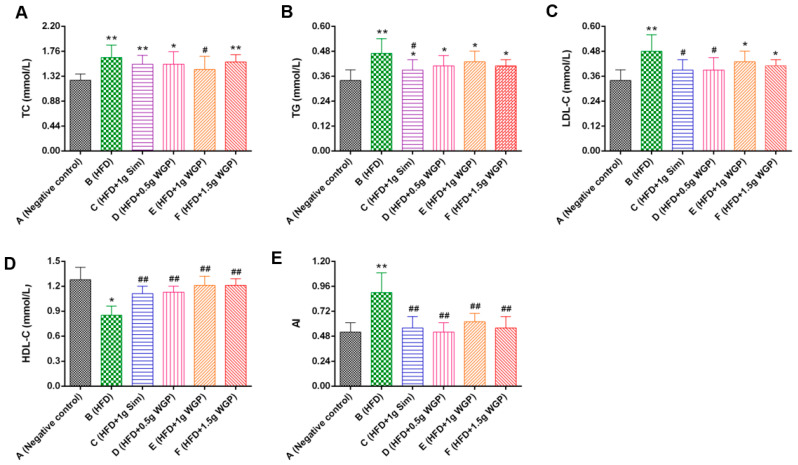 Figure 6
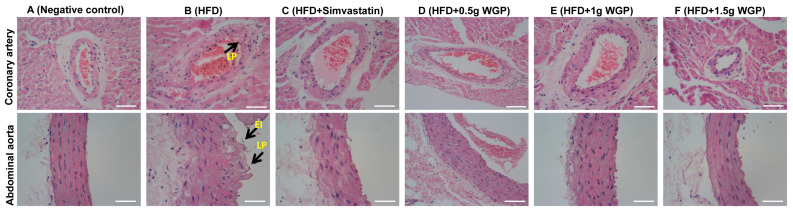 Figure 7
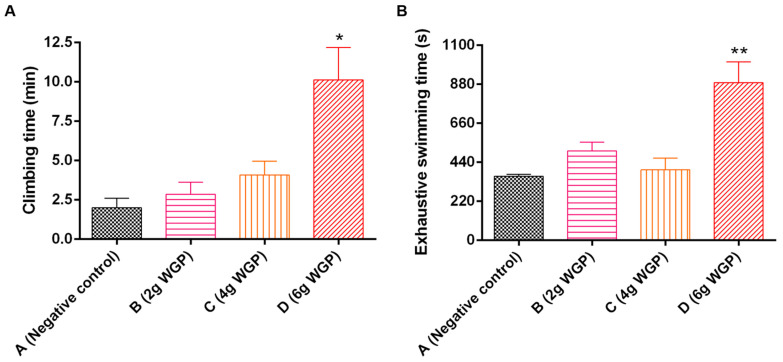 Figure 8
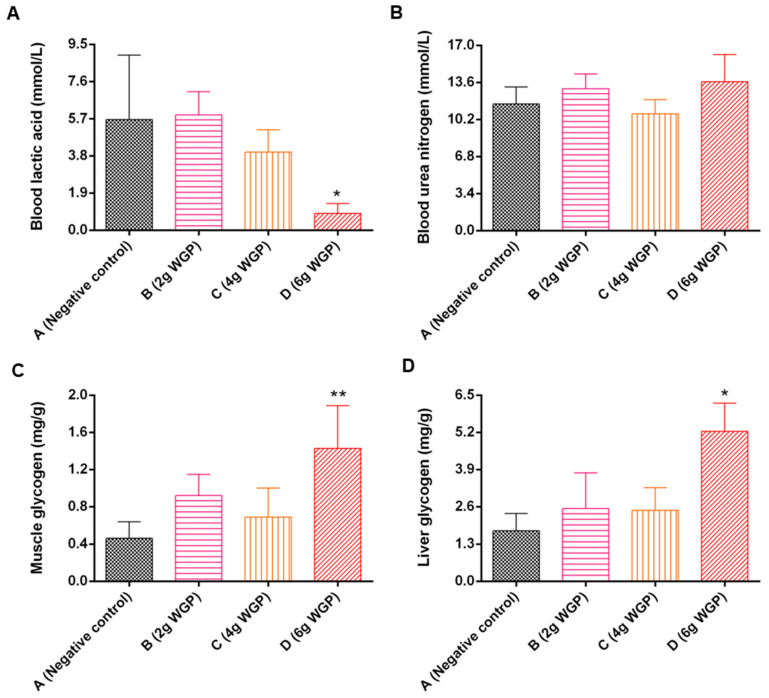 Figure 9
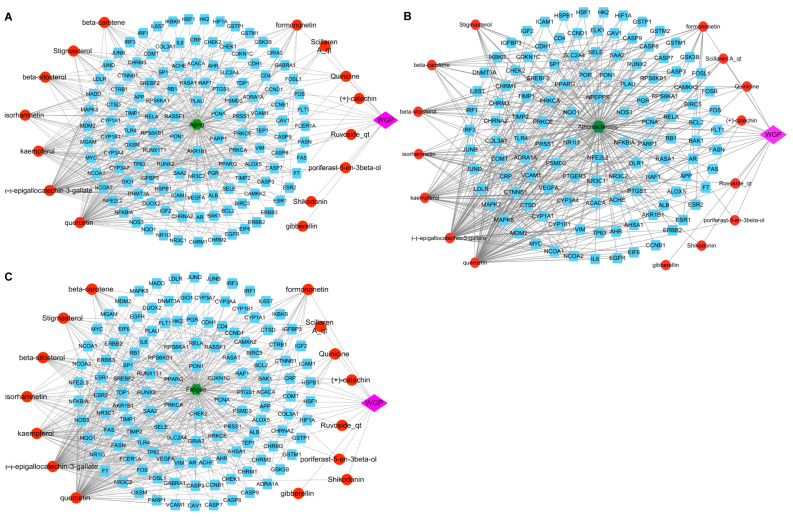 Figure 10
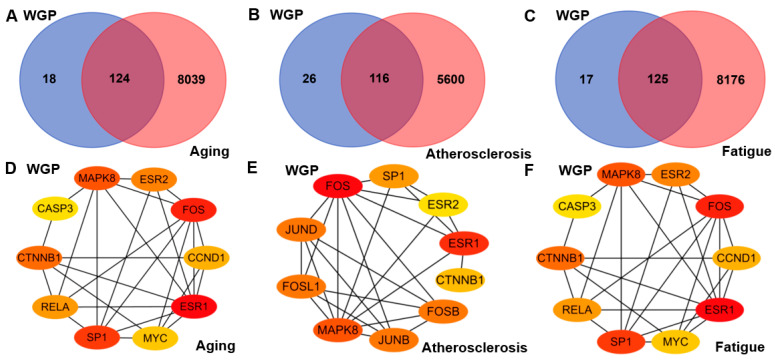 Figure 11
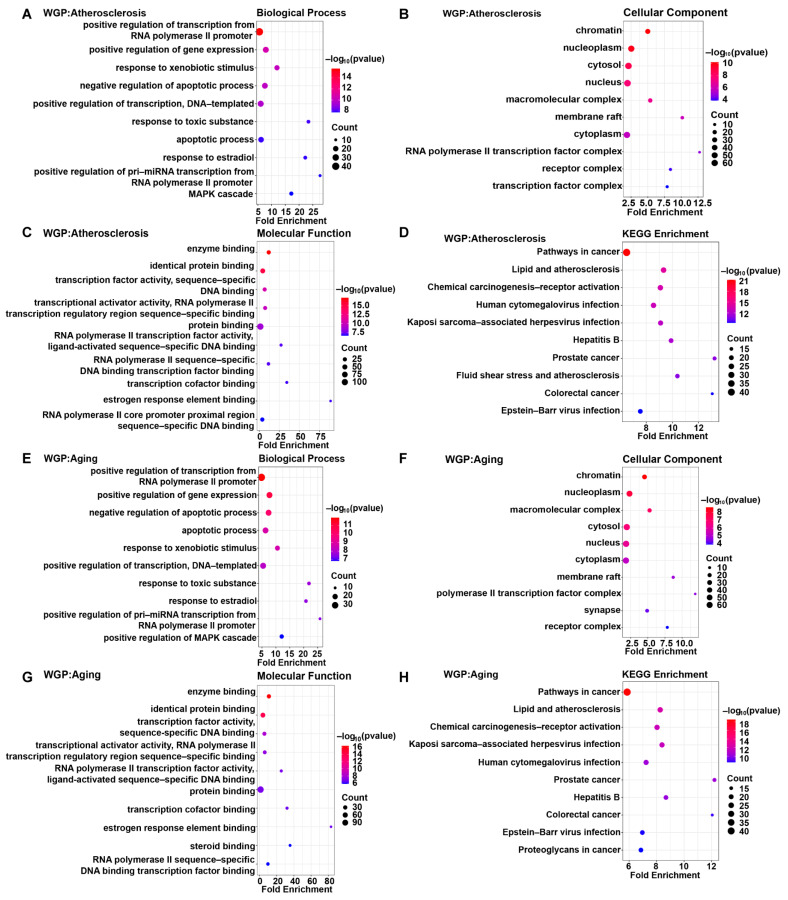 Figure 12
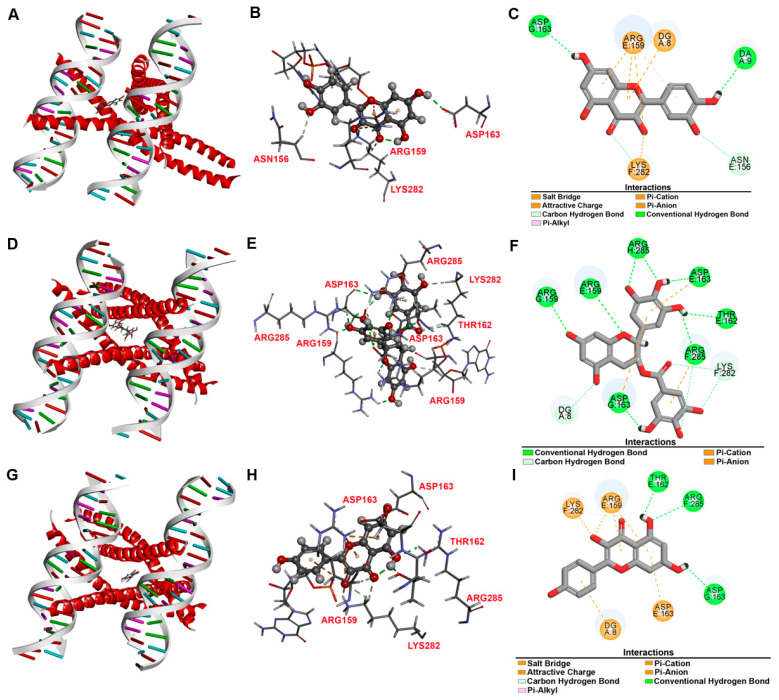 Figure 13
Peer Reviews
No public reviews on file for this paper yet. If you reviewed it on a platform where reviews are public (OpenReview, ICLR, NeurIPS, ICML), you can paste yours below so the community can read it here.
Videos
No videos yet. Explain this paper in a talk, walkthrough, or lecture? Add one.
Taxonomy
TopicsGinkgo biloba and Cashew Applications · Neurological Disease Mechanisms and Treatments · Coenzyme Q10 studies and effects