The Putative Virulence Plasmid pYR4 of the Fish Pathogen Yersinia ruckeri Is Conjugative and Stabilized by a HigBA Toxin–Antitoxin System
Fisentzos Floras, Chantell Mawere, Manvir Singh, Victoria Wootton, Luke Hamstead, Gareth McVicker, Jack C. Leo

TL;DR
A plasmid in the fish pathogen Yersinia ruckeri is shown to transfer between bacteria and stay stable using a toxin-antitoxin system, though its role in disease remains unclear.
Contribution
The first characterization of a HigBA toxin–antitoxin system in Yersinia ruckeri and demonstration of pYR4 conjugation.
Findings
The pYR4 plasmid is conjugative and stabilized by a functional HigBA toxin–antitoxin system.
Loss of pYR4 does not affect bacterial growth, twitching motility, or virulence in an insect larva model.
pYR4 does not encode a growth burden for Y. ruckeri and may be important for its evolutionary trajectory.
Abstract
The bacterium Yersinia ruckeri causes enteric redmouth disease, which affects salmonid fish, including farmed fish such as Atlantic salmon and rainbow trout, leading to significant commercial losses. In this study, we investigated a plasmid (an independently replicating DNA molecule) called pYR4 that is suspected of aiding Y. ruckeri in causing disease by producing adhesive structures known as type 4 pili. We identified a toxin–antitoxin locus on the plasmid, higBA, which we hypothesized might prevent loss of the plasmid from the bacterial cell through “addiction” to the antitoxin HigA. HigA is quickly degraded if the plasmid is lost, whereas the toxin HigB is stable and leads to cell death in the absence of HigA. We were able to demonstrate that HigBA is a functional toxin–antitoxin system and that stabilizes pYR4. We further showed that pYR4 can transfer between bacteria by a process…
Genes, proteins, chemicals, diseases, species, mutations and cell lines named across the full text — each resolved to its canonical identifier and authoritative record.
Click any figure to enlarge with its caption.
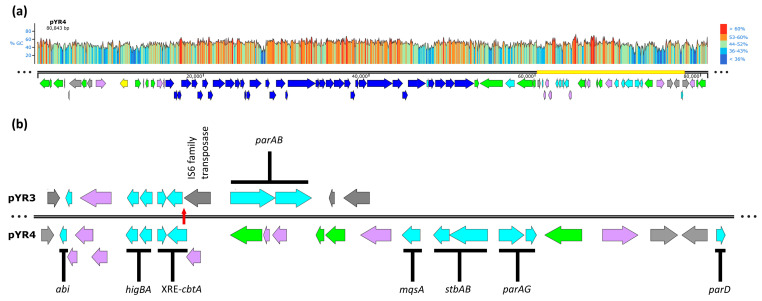 Figure 1
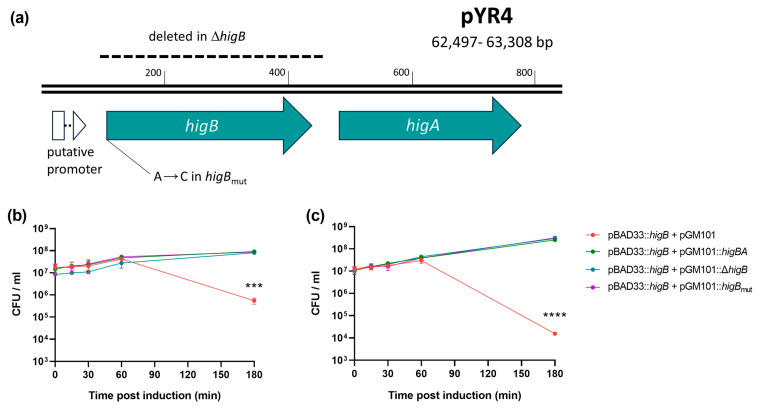 Figure 2
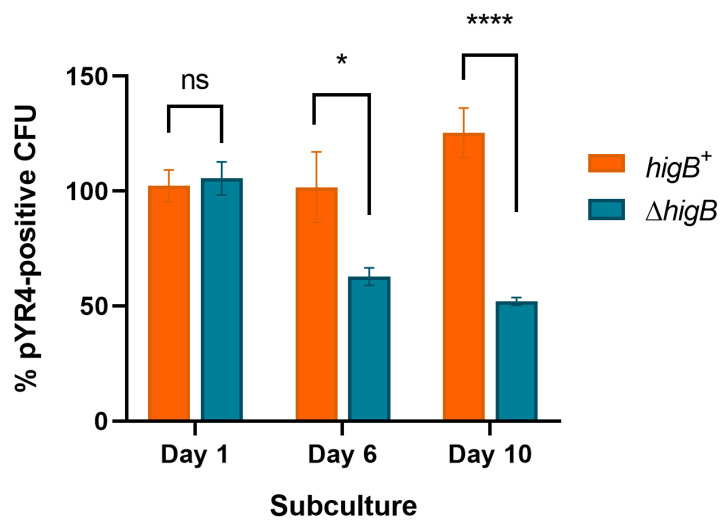 Figure 3
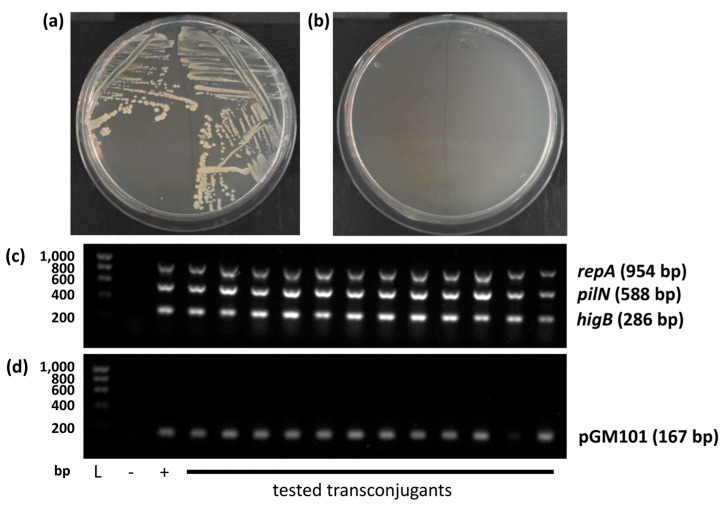 Figure 4
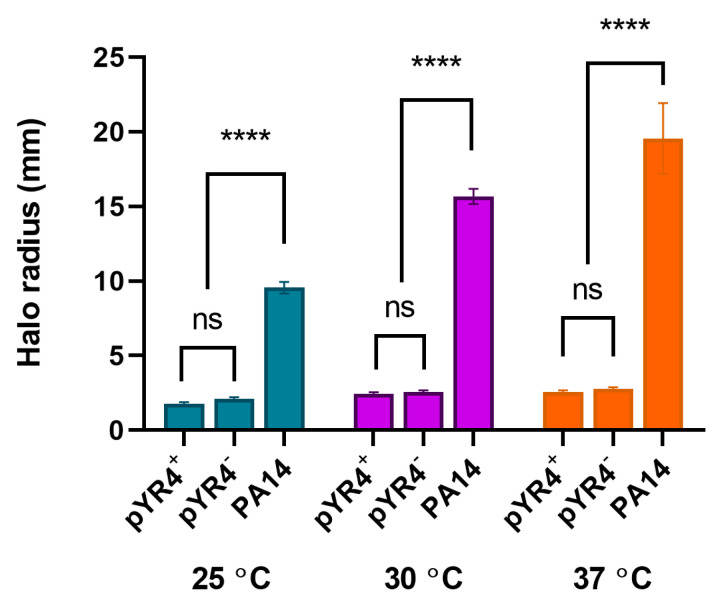 Figure 5
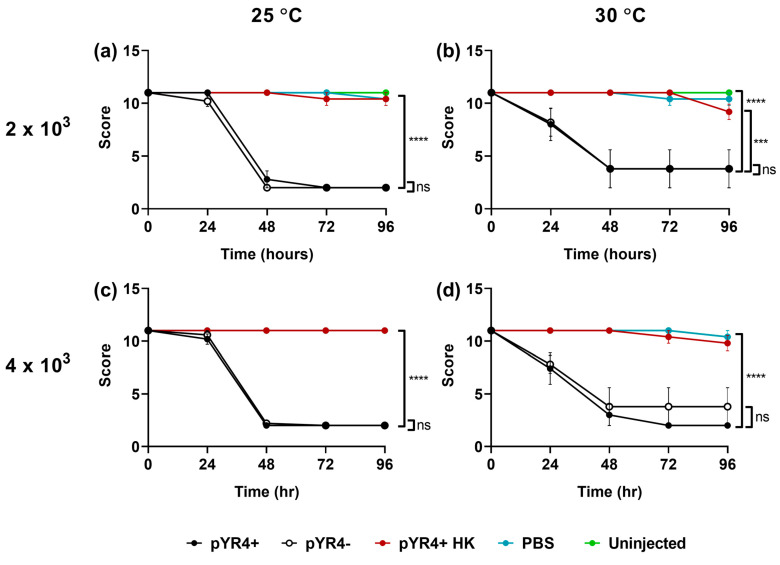 Figure 6
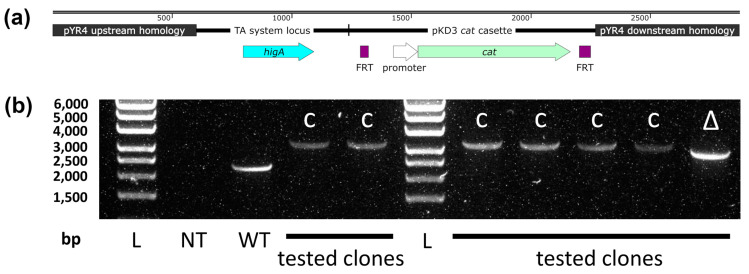 Figure 7
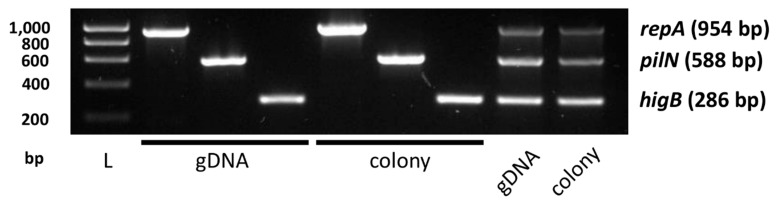 Figure 8
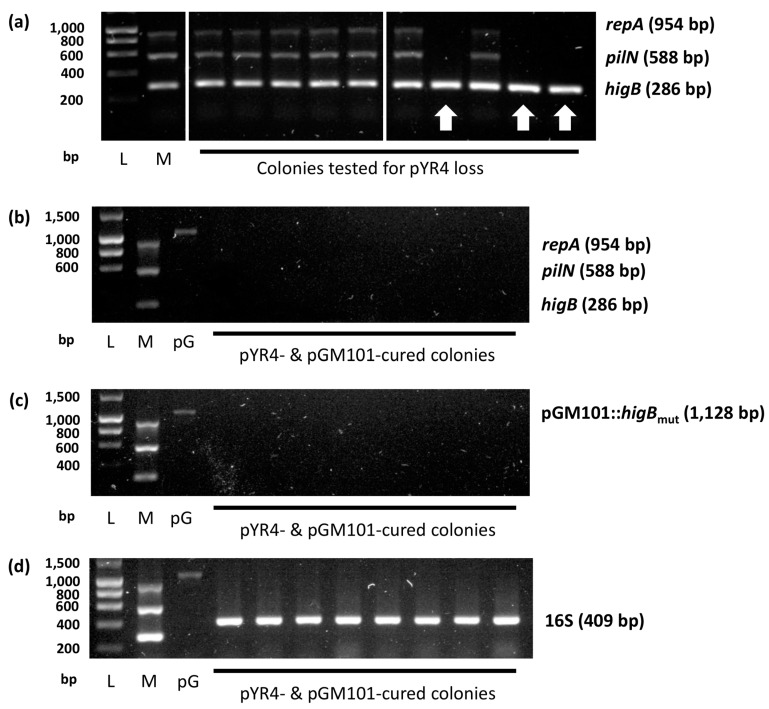 Figure 9
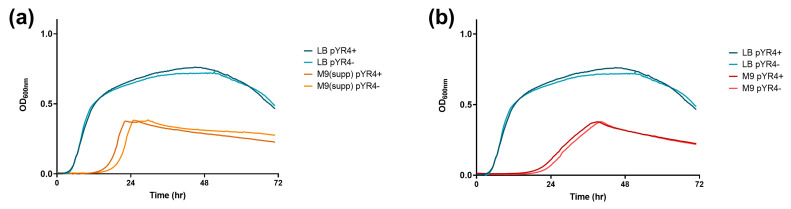 Figure 10
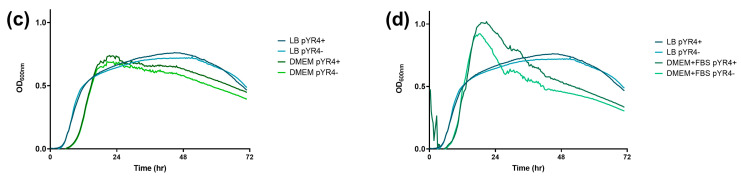 Figure 11
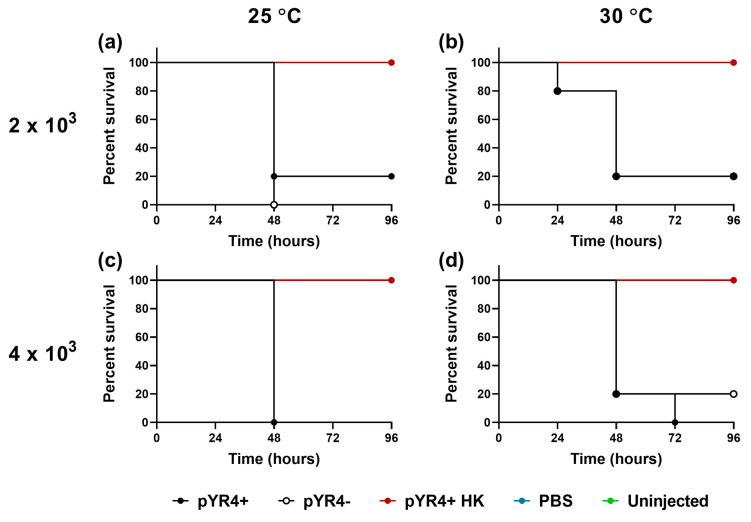 Figure 12
Peer Reviews
No public reviews on file for this paper yet. If you reviewed it on a platform where reviews are public (OpenReview, ICLR, NeurIPS, ICML), you can paste yours below so the community can read it here.
Videos
No videos yet. Explain this paper in a talk, walkthrough, or lecture? Add one.
Taxonomy
TopicsYersinia bacterium, plague, ectoparasites research · Vibrio bacteria research studies · Aquaculture disease management and microbiota