Nutritive Value and Degradation Kinetic Parameters of Three Plants for Feeding Bradypus variegatus Schinz, In Vitro Evaluation
Igor Luiz Carvalho Máximo, Júlio Cézar dos Santos Nascimento, Gilcifran Prestes de Andrade, José Lypson Pinto Simões Izidro, Priscilla Virgínio de Albuquerque, Daniel Bezerra do Nascimento, Janerson José Coêlho, Marleyne José Afonso Accioly Lins Amorim

TL;DR
This study evaluates the nutritional value of three plants for feeding sloths in captivity, finding that Pterodon sp. and Inga sp. are better options than Cecropia sp.
Contribution
The study provides in vitro evidence on the digestibility and nutritional suitability of specific plant species for captive sloths.
Findings
Pterodon sp. showed the best results for protein digestibility and fiber digestion rates.
Inga sp. had the highest in vitro digestibility of crude protein.
Cecropia sp. has high fiber content that may negatively affect dry matter intake.
Abstract
Feeding sloths (Bradypus sp.) in captivity can be extremely challenging due to their individually selective folivorous diet and preferences for specific plant species. This selectivity complicates nutritional management and can lead to diseases associated with an unbalanced diet. By using an in vitro fermentation technique, we evaluated the nutritional characteristics of three feeds for captive sloths by incubating samples of these feeds with the stomach contents of sloths. Our findings indicate that the leaves of plants from the genera Pterodon sp. and Inga sp. show potential for feeding Bradypus variegatus sloths in captivity, with particular emphasis on the former, which demonstrated the best results for protein digestibility, fiber digestion rates, and total fermentation gas volume. We recommend careful attention to the fiber content of Cecropia sp. plants due to possible negative…
Genes, proteins, chemicals, diseases, species, mutations and cell lines named across the full text — each resolved to its canonical identifier and authoritative record.
Click any figure to enlarge with its caption.
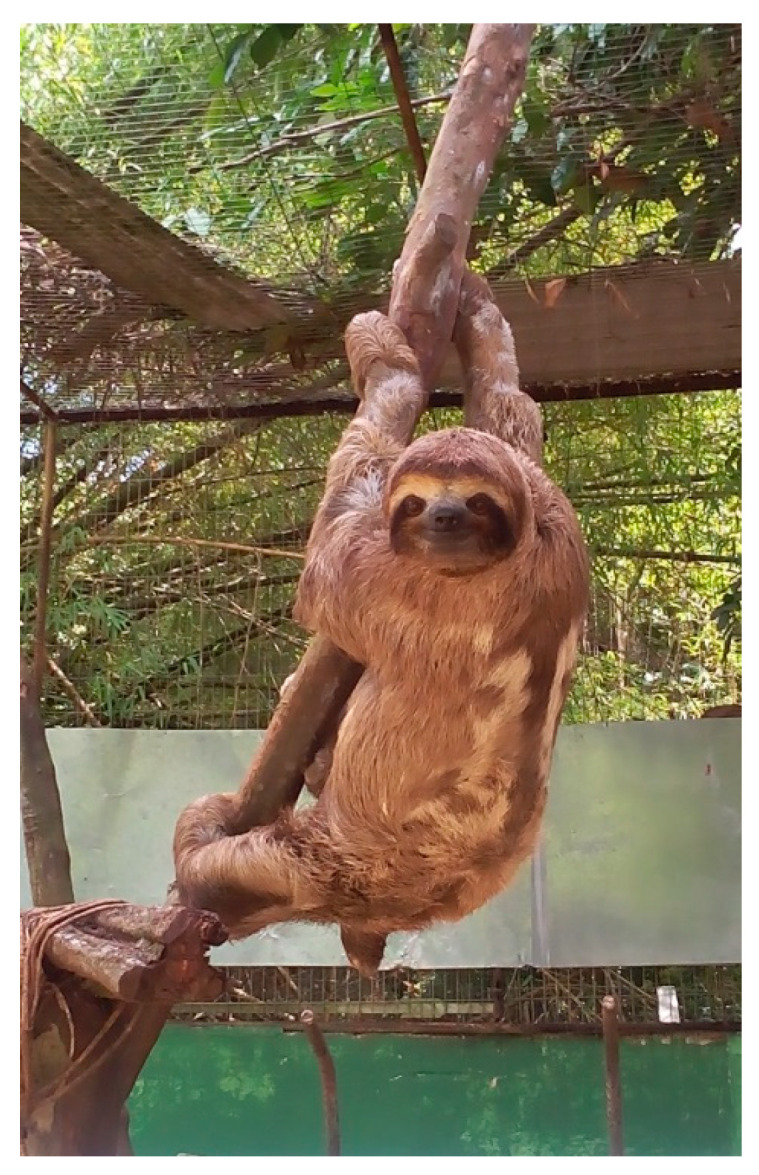 Figure 1
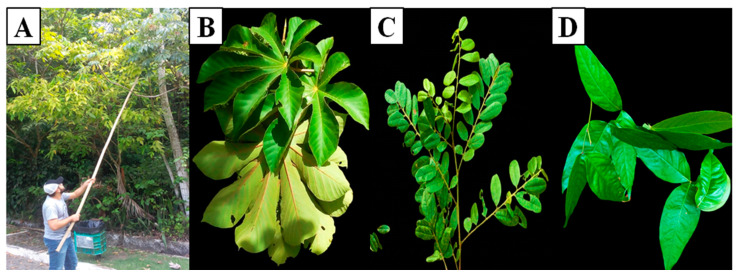 Figure 2
Peer Reviews
No public reviews on file for this paper yet. If you reviewed it on a platform where reviews are public (OpenReview, ICLR, NeurIPS, ICML), you can paste yours below so the community can read it here.
Videos
No videos yet. Explain this paper in a talk, walkthrough, or lecture? Add one.
Taxonomy
TopicsRabbits: Nutrition, Reproduction, Health · Ruminant Nutrition and Digestive Physiology · Moringa oleifera research and applications