The Constellation of Risk Factors and Paraneoplastic Syndromes in Cholangiocarcinoma: Integrating the Endocrine Panel Amid Tumour-Related Biology (A Narrative Review)
Mihai-Lucian Ciobica, Bianca-Andreea Sandulescu, Liana-Maria Chicea, Mihaela Iordache, Maria-Laura Groseanu, Mara Carsote, Claudiu Nistor, Ana-Maria Radu

TL;DR
This review explores risk factors and endocrine-related paraneoplastic syndromes in cholangiocarcinoma, emphasizing the role of hormonal systems and their clinical implications.
Contribution
The paper provides a narrative review integrating endocrine features into the broader context of cholangiocarcinoma biology and paraneoplastic syndromes.
Findings
Cholangiocarcinoma incidence is rising globally, with multiple risk factors including chronic biliary disease and environmental exposures.
Humoral hypercalcaemia of malignancy, caused by parathyroid hormone-related protein, is a notable paraneoplastic syndrome in cholangiocarcinoma.
Endocrine-related biomarkers and hormonal systems like vitamin D and galanin are increasingly recognized in cholangiocarcinoma pathogenesis.
Abstract
Cholangiocarcinomas, malignant tumours originating from the biliary epithelium, have had an increasing incidence during recent decades; thus, awareness represents the key operating factor nowadays. Our purpose was to overview the tumour field following the constellation of the risk factors and the paraneoplastic syndromes, emphasizing the endocrine features amid the entire multidisciplinary panel. The hormonal burden is reflected by complex interplays such as the galanin system, exposure to sex hormone therapy, interferences with vitamin D system, etc., while humoral hypercalcaemia of malignancy, although rare, has been reported due to parathyroid hormone-related protein over-production in addition to other elements such a fibroblast growth factor receptor-positive or even procalcitonin-positive tumour. The level of endocrine evidence across clinical trials remains far from generous.…
Genes, proteins, chemicals, diseases, species, mutations and cell lines named across the full text — each resolved to its canonical identifier and authoritative record.
Click any figure to enlarge with its caption.
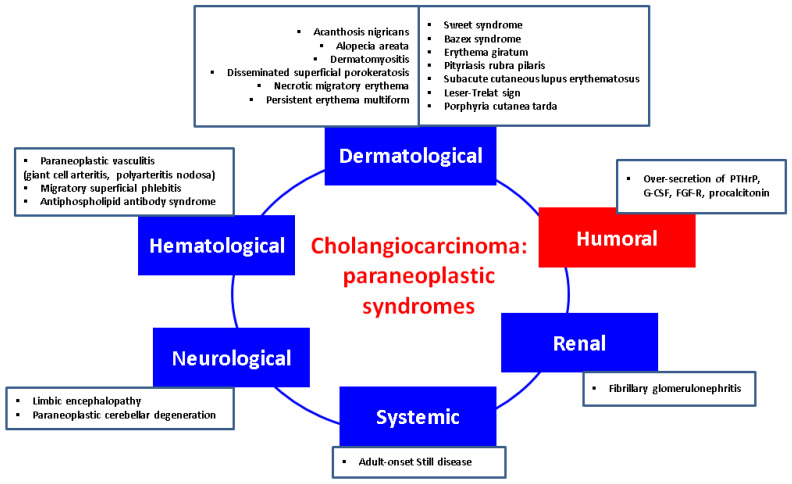 Figure 1
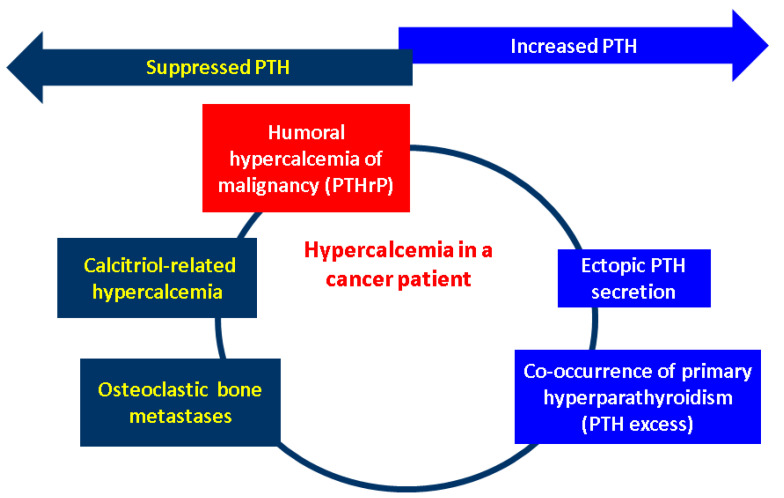 Figure 2
Peer Reviews
No public reviews on file for this paper yet. If you reviewed it on a platform where reviews are public (OpenReview, ICLR, NeurIPS, ICML), you can paste yours below so the community can read it here.
Videos
No videos yet. Explain this paper in a talk, walkthrough, or lecture? Add one.
Taxonomy
TopicsCholangiocarcinoma and Gallbladder Cancer Studies · Pancreatic and Hepatic Oncology Research · Cancer Diagnosis and Treatment