Polygonum hydropiper Compound Extract Inhibits Clostridium perfringens-Induced Intestinal Inflammatory Response and Injury in Broiler Chickens by Modulating NLRP3 Inflammasome Signaling
Jinwu Zhang, Chunzi Peng, Maojie Lv, Shisen Yang, Liji Xie, Jiaxun Feng, Yingyi Wei, Tingjun Hu, Jiakang He, Zhixun Xie, Meiling Yu

TL;DR
A compound extract from Polygonum hydropiper reduces intestinal inflammation in chickens caused by Clostridium perfringens by affecting a key immune signaling pathway.
Contribution
The study reveals PHCE's mechanism of action against necrotic enteritis via the NLRP3 inflammasome pathway in broiler chickens.
Findings
PHCE reduced intestinal damage and inflammation in C. perfringens-infected chickens.
PHCE modulated NLRP3 inflammasome signaling and improved antioxidant capacity in the intestines.
Flavonoids like quercetin and kaempferol were identified as key active components in PHCE.
Abstract
Necrotic enteritis (NE) is a critical disease affecting broiler health, with Clostridium perfringens as its primary pathogen. Polygonum hydropiper compound extract (PHCE), formulated based on traditional Chinese veterinary principles, contains primarily flavonoids with antibacterial, anti-inflammatory, and antioxidant properties. However, PHCE’s efficacy against Clostridium perfringens-induced NE and its underlying mechanism remain unclear. This study employed network pharmacology and molecular docking to predict PHCE’s potential mechanisms in treating NE, followed by determining its minimum inhibitory concentration (MIC) and minimum bactericidal concentration (MBC) against Clostridium perfringens (C. perf). Subsequently, the effects of various PHCE doses on intestinal damage, antioxidant capacity, and inflammatory factors in C. perf-infected broilers were assessed. Network pharmacology…
Genes, proteins, chemicals, diseases, species, mutations and cell lines named across the full text — each resolved to its canonical identifier and authoritative record.
Click any figure to enlarge with its caption.
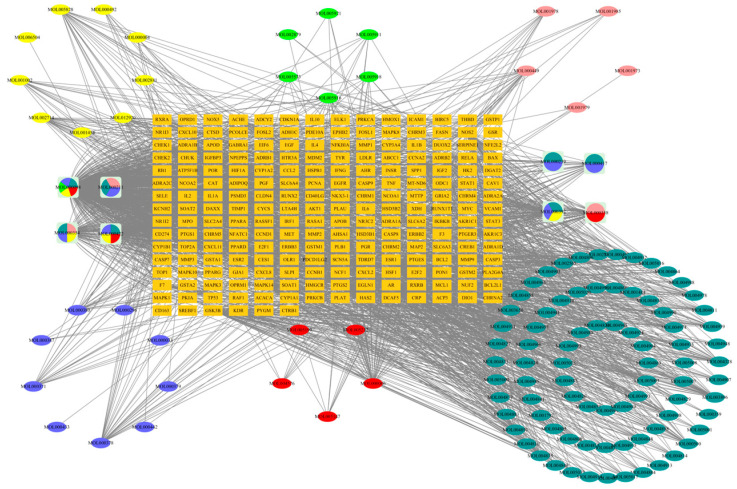 Figure 1
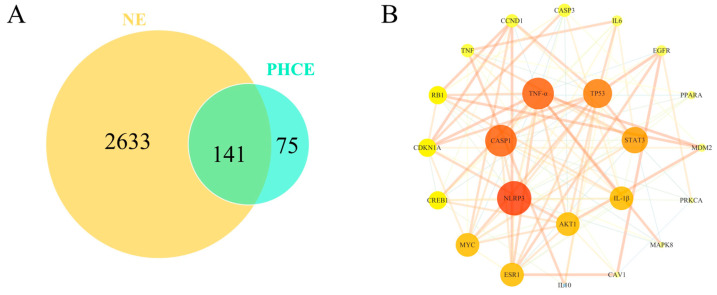 Figure 2
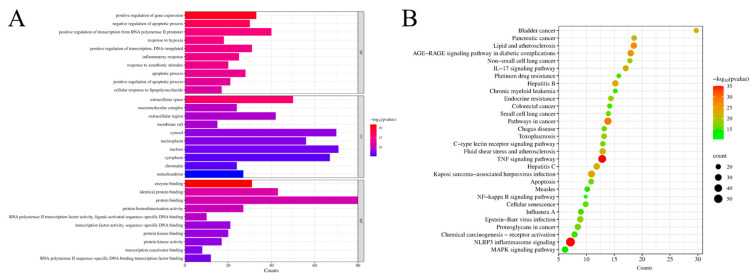 Figure 3
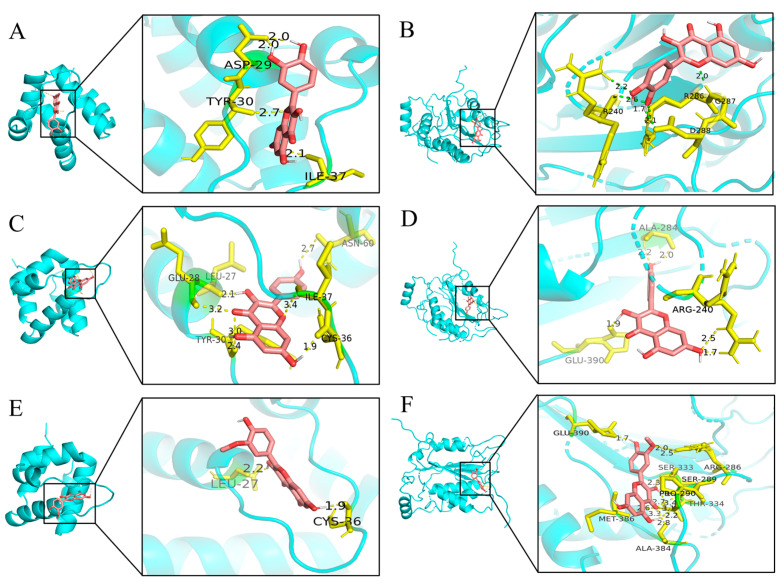 Figure 4
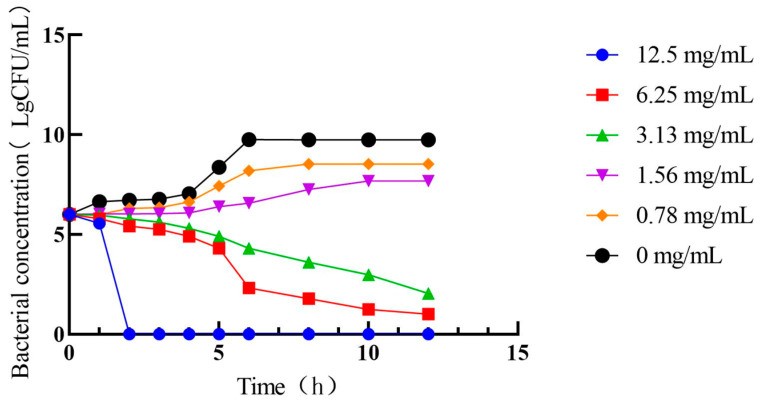 Figure 5
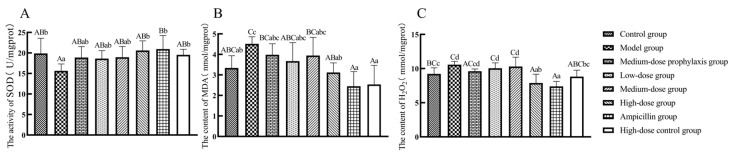 Figure 6
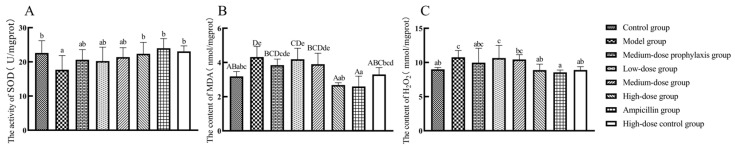 Figure 7
 Figure 8
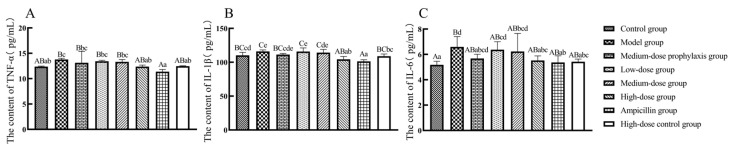 Figure 9
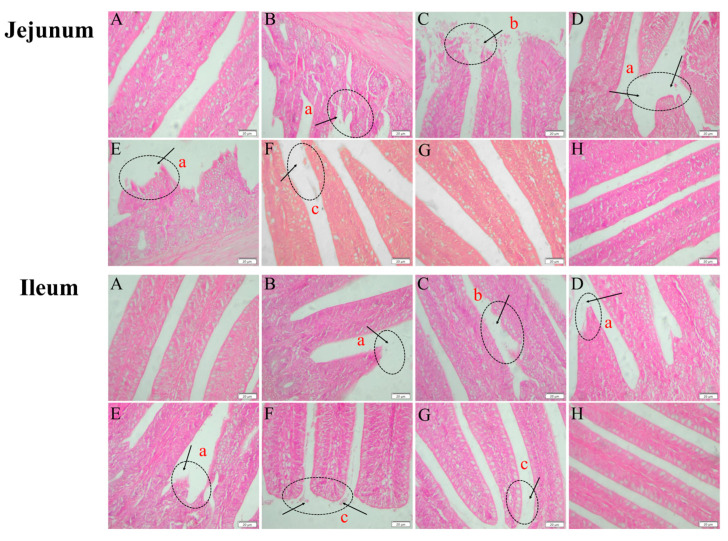 Figure 10
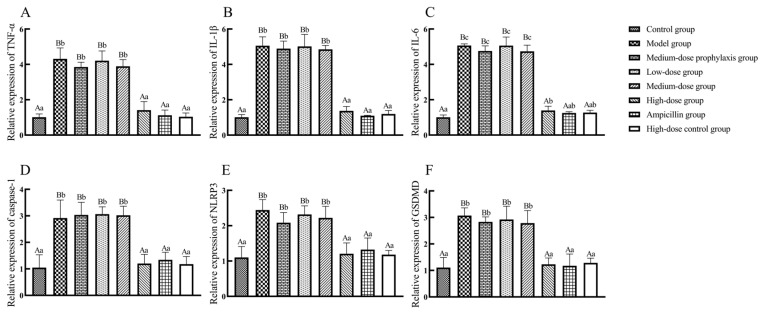 Figure 11
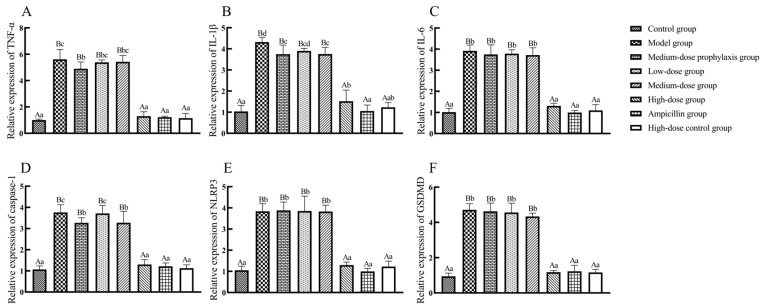 Figure 12
Peer Reviews
No public reviews on file for this paper yet. If you reviewed it on a platform where reviews are public (OpenReview, ICLR, NeurIPS, ICML), you can paste yours below so the community can read it here.
Videos
No videos yet. Explain this paper in a talk, walkthrough, or lecture? Add one.
Taxonomy
TopicsPharmacological Effects of Natural Compounds · Medicinal Plants and Bioactive Compounds · Ginseng Biological Effects and Applications