Meta-Analysis of Collaborative Inhibition Moderation by Gender, Membership, Culture, and Memory Monitoring
Xiaochun Luo, Boyao Zhao, Weihai Tang, Qian Xiao, Xiping Liu

TL;DR
This study explores how social and cognitive factors like gender, culture, and memory monitoring influence collaborative inhibition, a phenomenon where group work reduces individual recall.
Contribution
The study provides a meta-analysis revealing how social and cognitive factors moderate collaborative inhibition.
Findings
Collaborative inhibition is a robust effect influenced by social and cognitive factors.
Memory monitoring can moderate collaborative inhibition, though the mechanism is unclear.
Pairing, gender, membership, and culture significantly moderate collaborative inhibition.
Abstract
Collaborative inhibition is a counterintuitive phenomenon. While the specific mechanisms through which social factors influence collaborative inhibition remain unclear, this study aims to shed light on the impact of gender, relationships, and culture in order to better understand the factors shaping collaborative inhibition. A meta-analysis was conducted to analyze subgroups of social factors, including collaborative pairing, gender, membership, and culture, as well as cognitive factors like memory monitoring. Collaborative inhibition was found to be a robust effect (p < 0.01), with moderating effects of pairing on gender (p < 0.01), membership (p < 0.01), culture (p < 0.01), and memory monitoring (p < 0.01). The findings indicate that collaborative inhibition is a consistent phenomenon influenced by both social and cognitive factors. Moreover, the study discovered that memory…
Genes, proteins, chemicals, diseases, species, mutations and cell lines named across the full text — each resolved to its canonical identifier and authoritative record.
Click any figure to enlarge with its caption.
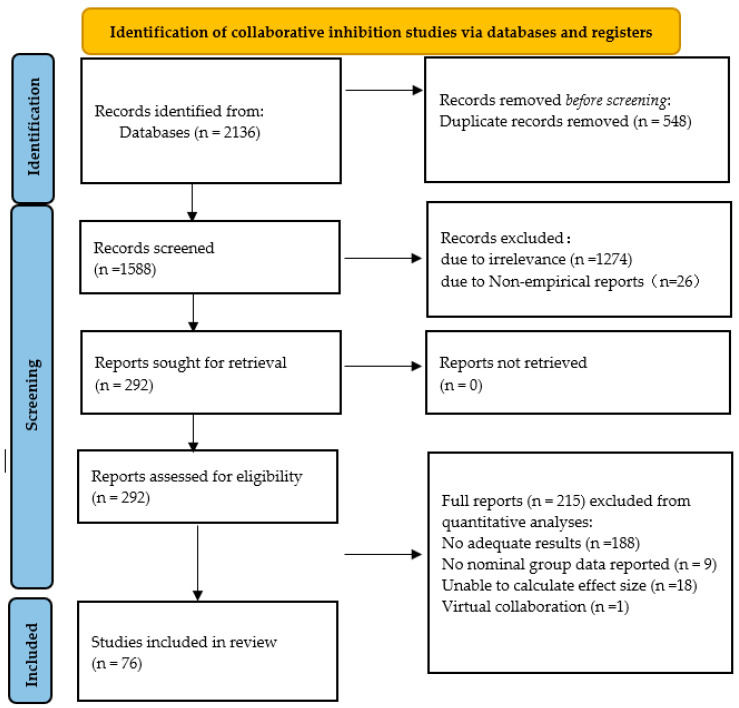 Figure 1
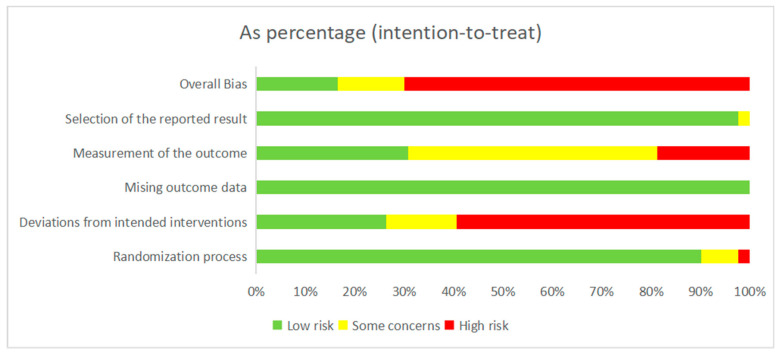 Figure 2
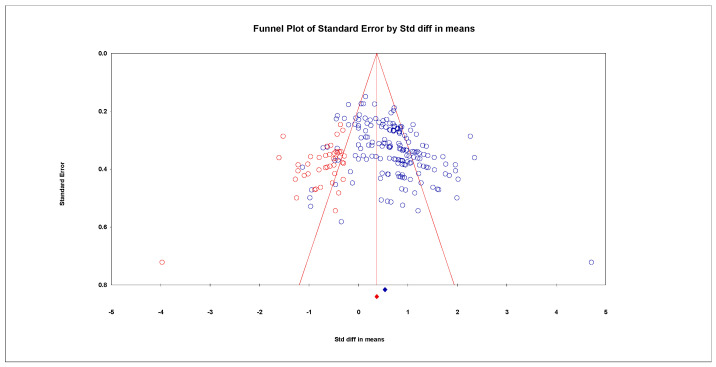 Figure 3
Peer Reviews
No public reviews on file for this paper yet. If you reviewed it on a platform where reviews are public (OpenReview, ICLR, NeurIPS, ICML), you can paste yours below so the community can read it here.
Videos
No videos yet. Explain this paper in a talk, walkthrough, or lecture? Add one.
Taxonomy
TopicsChild and Adolescent Psychosocial and Emotional Development · Attachment and Relationship Dynamics