Aerobic Exercise Protects against Cardiotoxin-Induced Skeletal Muscle Injury in a DDAH1-Dependent Manner
Fei Feng, Kai Luo, Xinyi Yuan, Ting Lan, Siyu Wang, Xin Xu, Zhongbing Lu

TL;DR
Aerobic exercise helps protect skeletal muscle from injury caused by cardiotoxin, and this protection depends on the DDAH1 enzyme.
Contribution
This study demonstrates that DDAH1 is essential for the protective effects of aerobic exercise on skeletal muscle injury.
Findings
Aerobic exercise in wild-type mice reduced inflammation, oxidative stress, and apoptosis after cardiotoxin injury.
Ddah1MKO mice did not benefit from aerobic exercise in terms of muscle injury or regeneration.
Aerobic exercise increased DDAH1 expression and decreased ADMA levels in wild-type mice.
Abstract
Dimethylarginine dimethylaminohydrolase 1 (DDAH1) is a critical enzyme that regulates nitric oxide (NO) signaling through the degradation of asymmetric dimethylarginine (ADMA). Previous studies have revealed a link between the beneficial effects of aerobic exercise and the upregulation of DDAH1 in bones and hearts. We previously reported that skeletal muscle DDAH1 plays a protective role in cardiotoxin (CTX)-induced skeletal muscle injury and regeneration. To determine the effects of aerobic exercise on CTX-induced skeletal muscle injury and the role of DDAH1 in this process, wild-type (WT) mice and skeletal muscle-specific Ddah1-knockout (Ddah1MKO) mice were subjected to swimming training for 8 weeks and then injected with CTX. In WT mice, swimming training for 8 weeks significantly promoted skeletal muscle regeneration and attenuated inflammation, oxidative stress, and apoptosis in…
Genes, proteins, chemicals, diseases, species, mutations and cell lines named across the full text — each resolved to its canonical identifier and authoritative record.
Click any figure to enlarge with its caption.
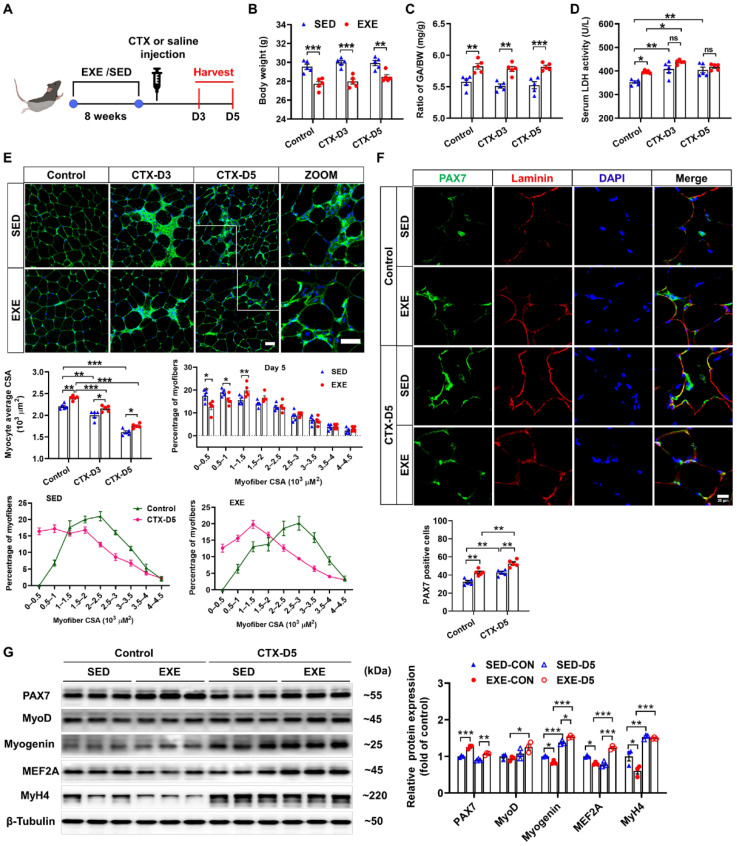 Figure 1
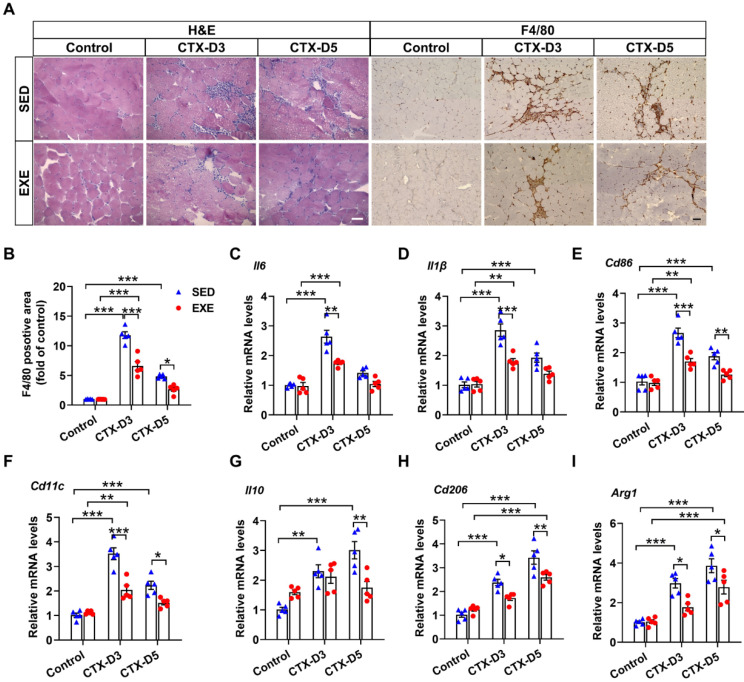 Figure 2
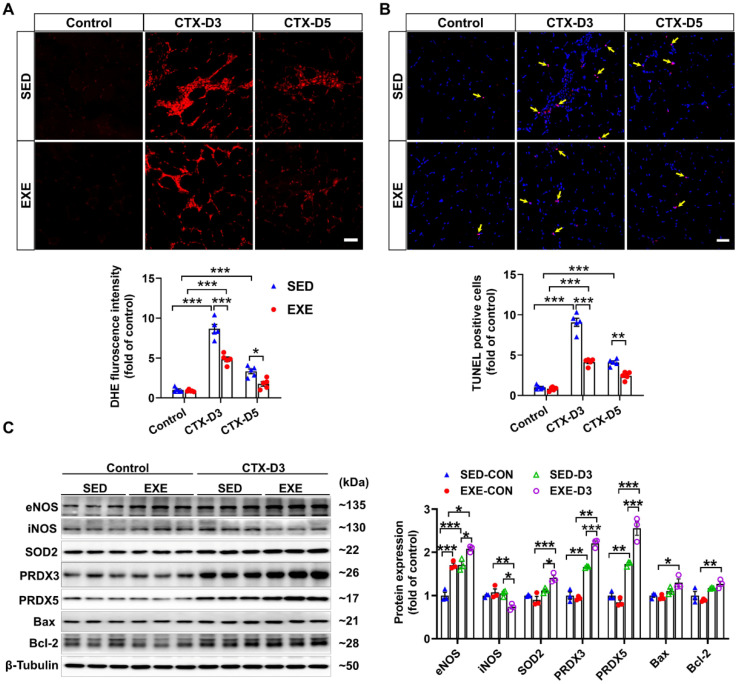 Figure 3
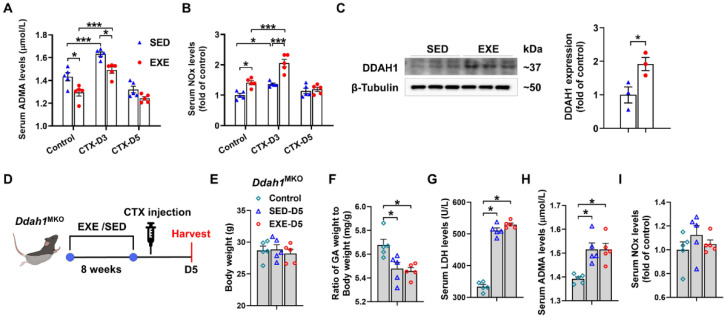 Figure 4
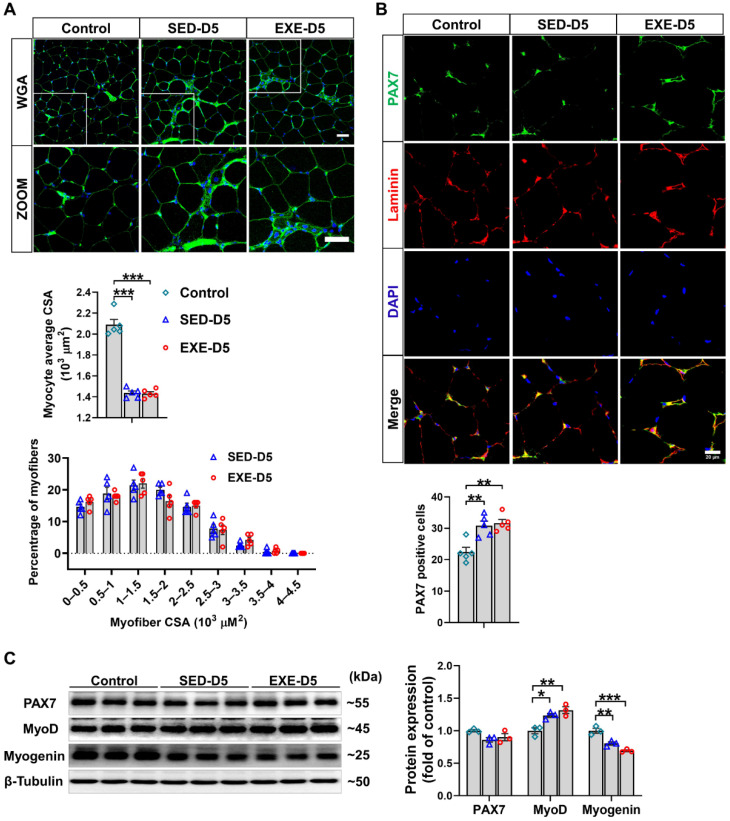 Figure 5
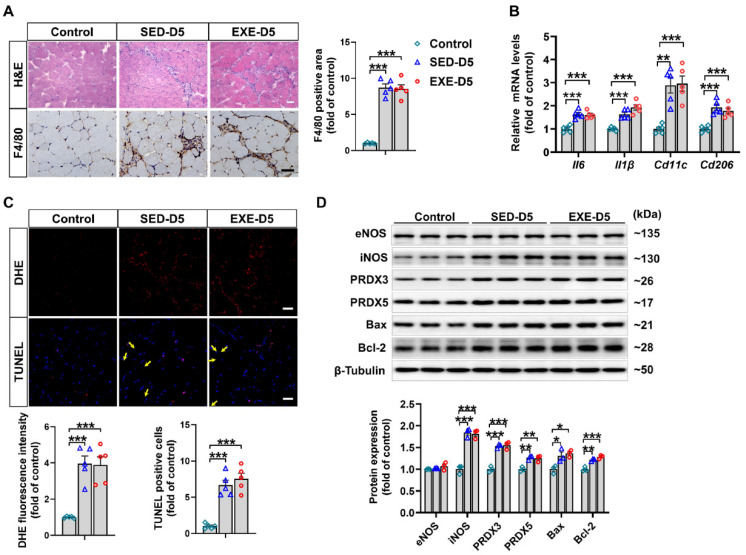 Figure 6
Peer Reviews
No public reviews on file for this paper yet. If you reviewed it on a platform where reviews are public (OpenReview, ICLR, NeurIPS, ICML), you can paste yours below so the community can read it here.
Videos
No videos yet. Explain this paper in a talk, walkthrough, or lecture? Add one.
Taxonomy
TopicsCardiac Ischemia and Reperfusion · Nitric Oxide and Endothelin Effects · Cardiovascular and exercise physiology