Proteomics and Microbiota Conjoint Analysis in the Nasal Mucus: Revelation of Differences in Immunological Function in Manis javanica and Manis pentadactyla
Qing Han, Yepin Yu, Hongbin Sun, Xiujuan Zhang, Ping Liu, Jianfeng Deng, Xinyuan Hu, Jinping Chen

TL;DR
This study compares the immune systems of two pangolin species using proteomics and microbiota analysis, revealing differences in their immunological functions.
Contribution
The study reveals distinct immune mechanisms and microbiome profiles in two pangolin species, providing insights for immunotherapy.
Findings
Manis pentadactyla has more pathogenic bacteria and uses a strong transferrin system to neutralize them.
Manis javanica shows stronger anti-inflammatory ability, possibly due to a structural deficiency in C5a.
The microbiome and immune factors differ significantly between the two pangolin species.
Abstract
Pangolins, the only mammals covered in scales, play a crucial role in forest ecosystems as they specialize in myrmecophagy. Unfortunately, all eight pangolin species are critically endangered and susceptible to various pathogenic microorganisms, causing mass mortality, especially in captive Manis pentadactyla. However, information regarding the function of the immune system is lacking, which limits the development of effective rescue methods and subsequently hinders population rejuvenation. This study aimed to investigate the differences in the immunity of Manis javanica and Manis pentadactyla through proteomics and microbiotas conjoint analysis. Our findings revealed that Manis pentadactyla owned more pathogenic bacteria and neutralized through a powerful transferrin system. Manis javanica possessed stronger anti-inflammatory ability, which might be due to the structural deficiency of…
Genes, proteins, chemicals, diseases, species, mutations and cell lines named across the full text — each resolved to its canonical identifier and authoritative record.
Click any figure to enlarge with its caption.
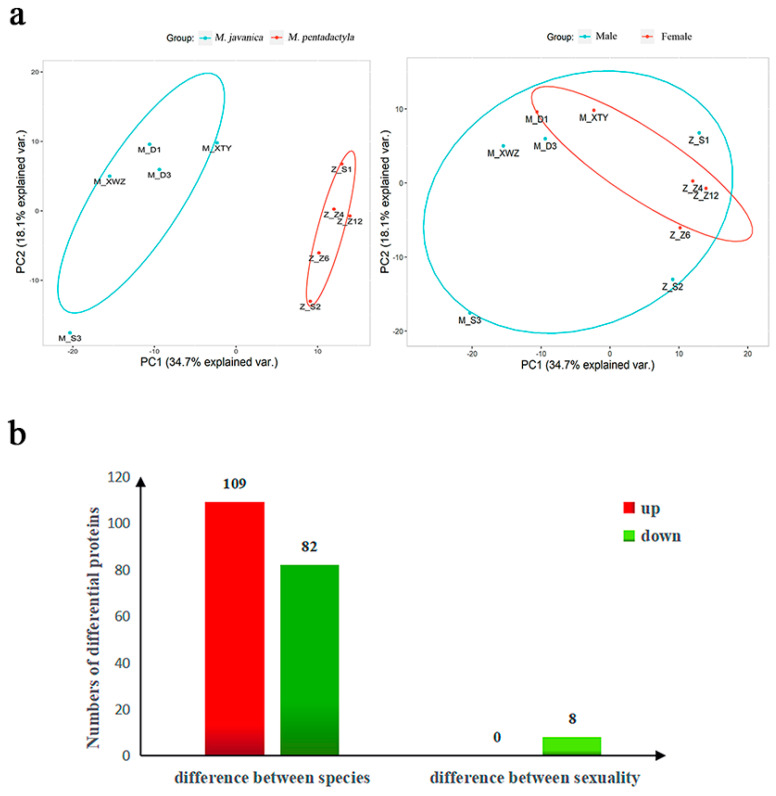 Figure 1
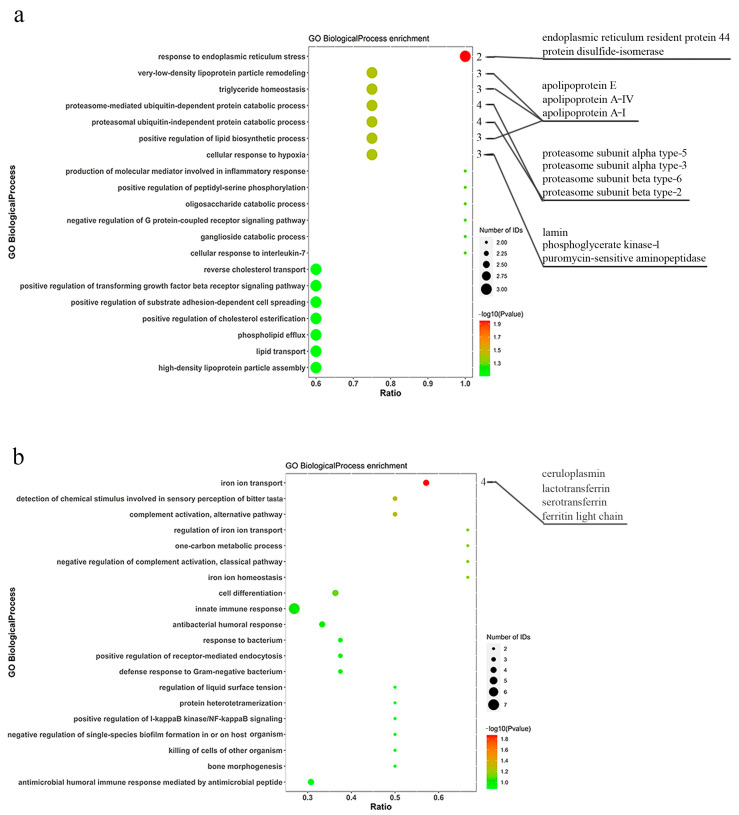 Figure 2
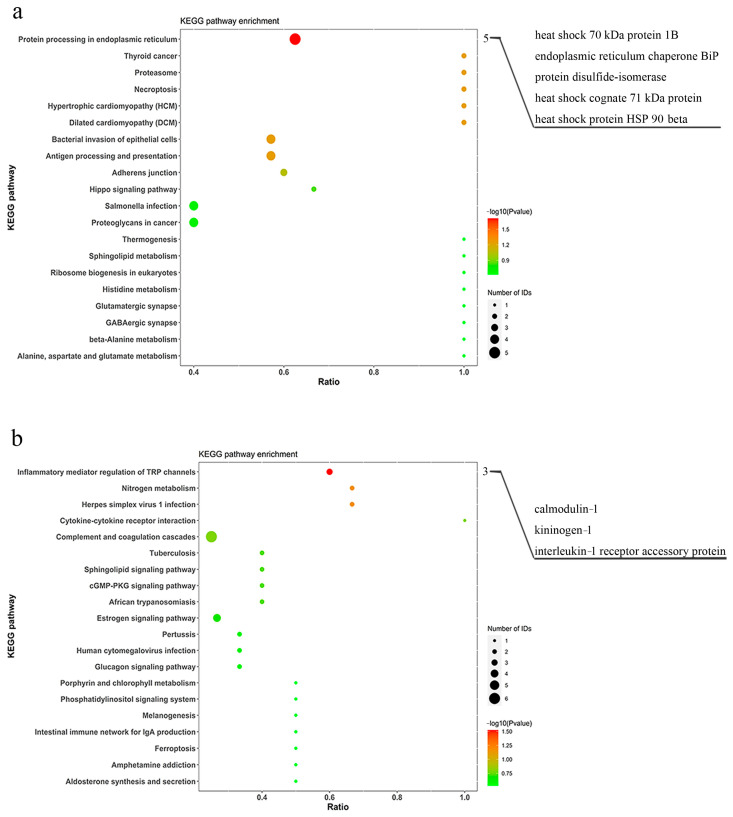 Figure 3
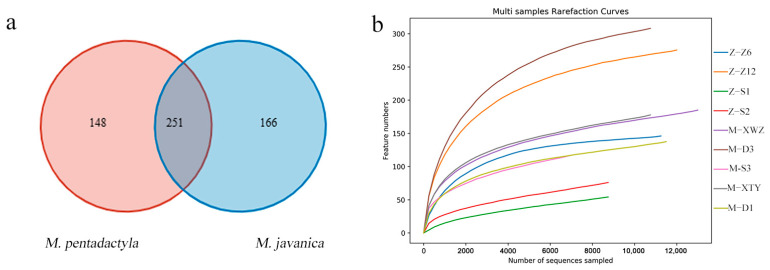 Figure 4
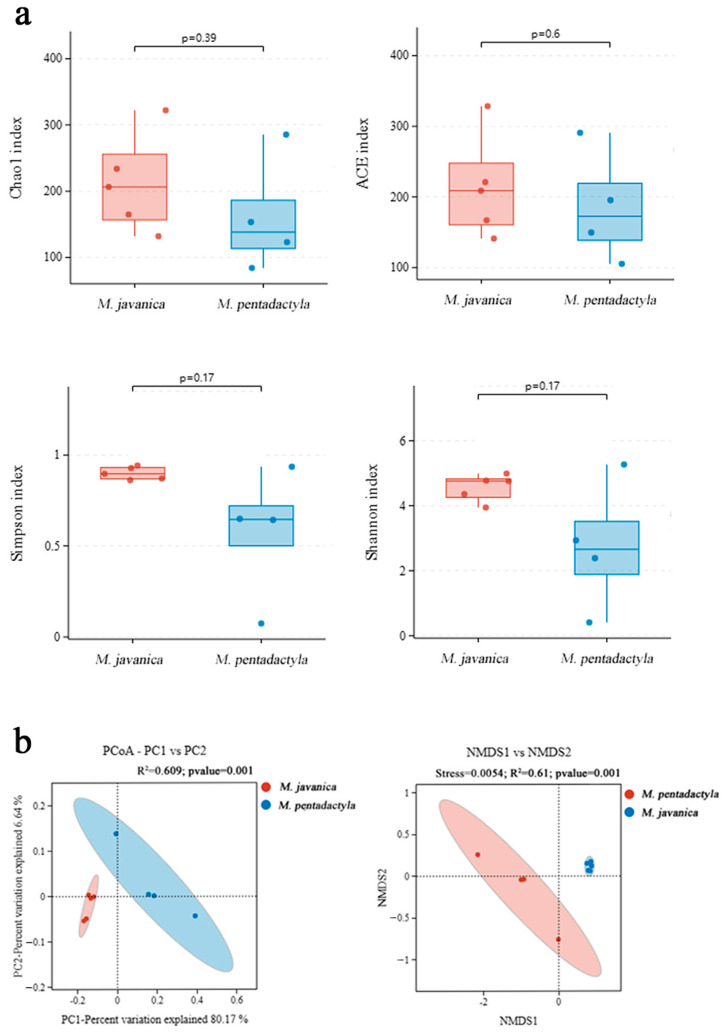 Figure 5
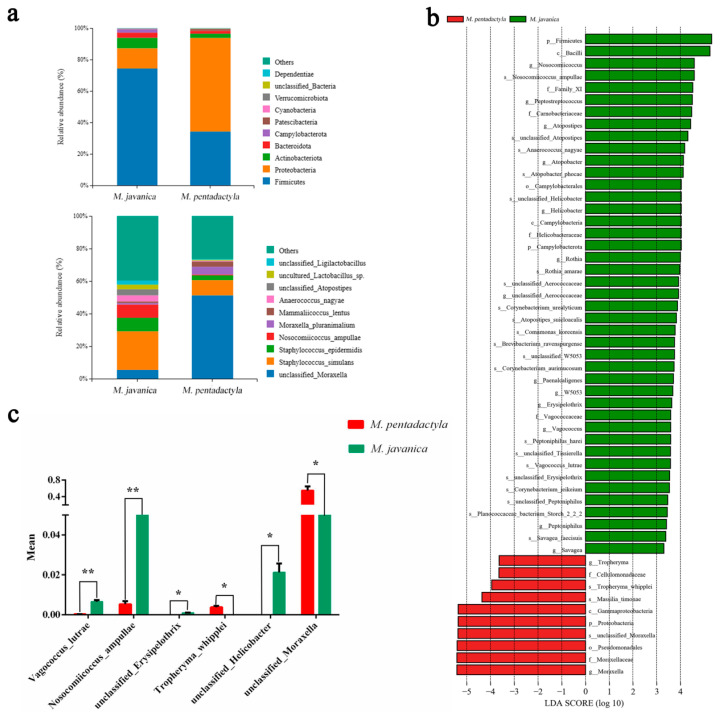 Figure 6
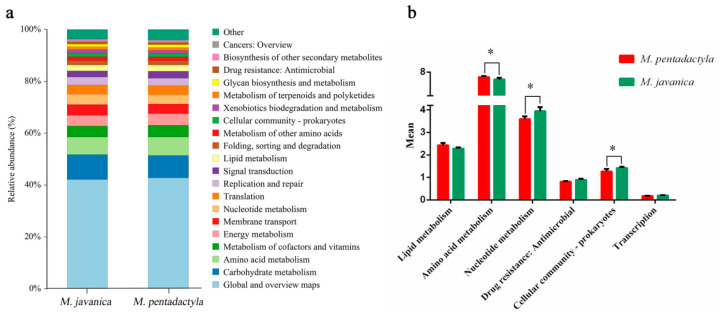 Figure 7
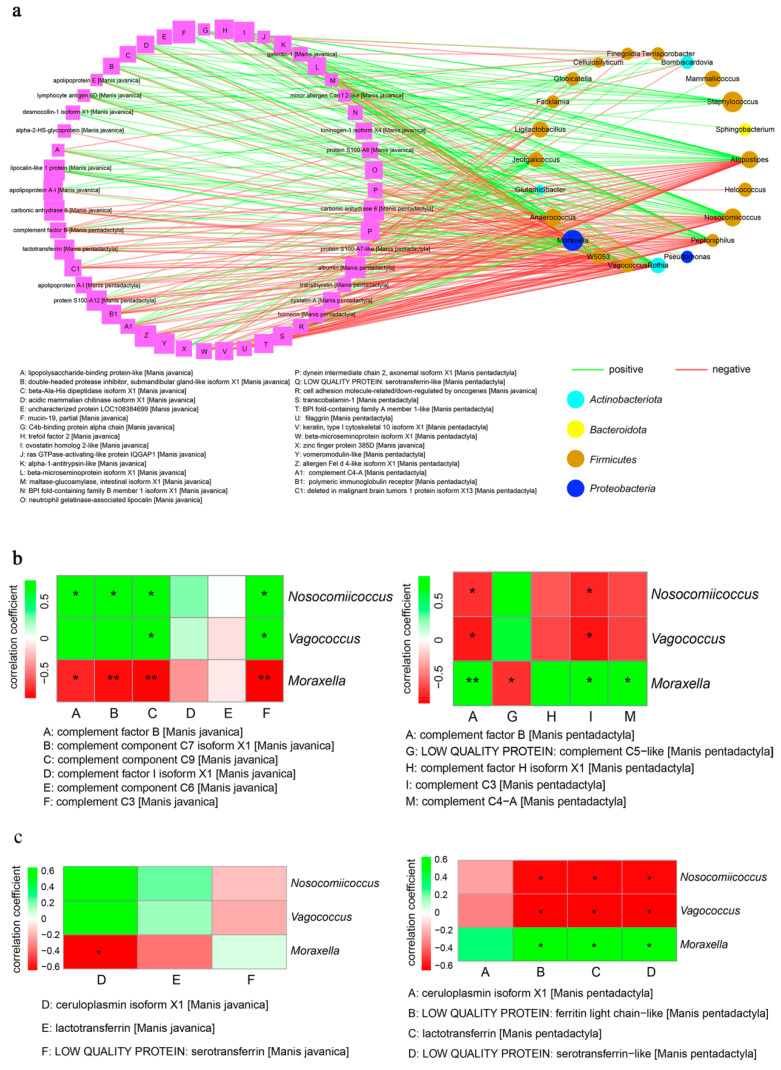 Figure 8
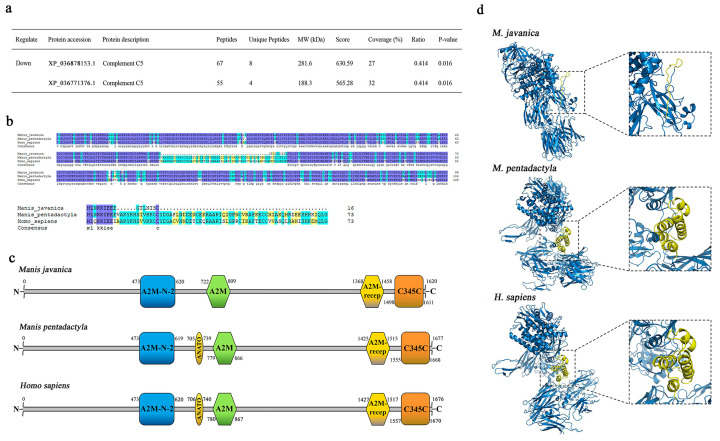 Figure 9
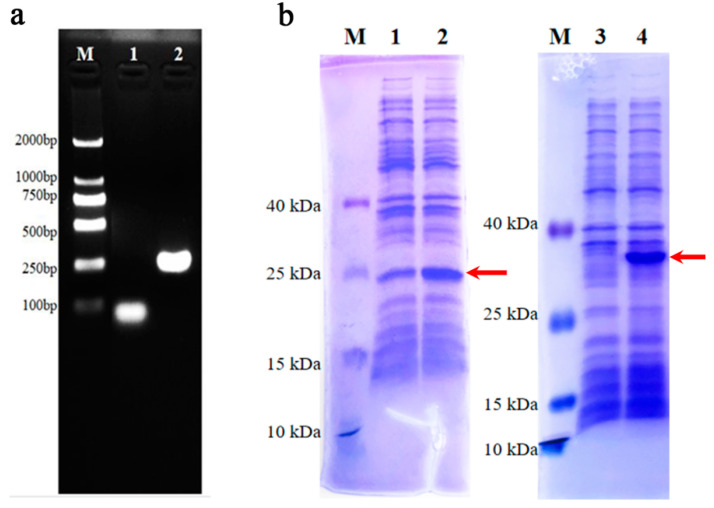 Figure 10
Peer Reviews
No public reviews on file for this paper yet. If you reviewed it on a platform where reviews are public (OpenReview, ICLR, NeurIPS, ICML), you can paste yours below so the community can read it here.
Videos
No videos yet. Explain this paper in a talk, walkthrough, or lecture? Add one.
Taxonomy
TopicsComplement system in diseases · Microbial infections and disease research · HIV Research and Treatment