Clinopodium gracile Alleviates Metabolic Dysfunction-Associated Steatotic Liver Disease by Upregulating Peroxisome Proliferator-Activated Receptor α and Inhibiting Mitochondrial Oxidative Damage
Mingshi Ren, Jiayue Ren, Jianmei Zheng, Xiaotong Sha, Yining Lin, Feihua Wu

TL;DR
Clinopodium gracile extract may help treat liver disease by boosting fat breakdown and reducing oxidative damage.
Contribution
CGE shows potential as a new treatment for MASLD by targeting PPARα and mitochondrial health.
Findings
CGE promotes fatty acid oxidation and reduces lipid accumulation in hepatocytes.
CGE inhibits oxidative stress and maintains mitochondrial function in PA-induced cells.
In mice, CGE reduces lipid metabolism disorders and upregulates PPARα in the liver.
Abstract
The most prevalent chronic liver disease, known as metabolic dysfunction-associated steatotic liver disease (MASLD), is characterized by an excessive accumulation of lipids and oxidative damage. Clinopodium gracile, a natural herbal medicine widely used by Chinese folk, has antioxidative, anti-inflammatory, and lipid metabolism-regulating effects. Here, we explored the effect of C. gracile extract (CGE) on MASLD using palmitic acid (PA)-induced hepatocytes and high-fat diet (HFD)-fed mice. In vitro, CGE could promote fatty acid oxidation and inhibit fatty acid synthesis and uptake to reduce lipid accumulation by regulating PPARα activation. Moreover, CGE could inhibit reactive oxygen species production and maintain mitochondrial homeostasis in PA-induced HepG2 cells. In vivo, animal study results indicated that CGE could effectively reduce lipid metabolism disorder, inhibit oxidative…
Genes, proteins, chemicals, diseases, species, mutations and cell lines named across the full text — each resolved to its canonical identifier and authoritative record.
Click any figure to enlarge with its caption.
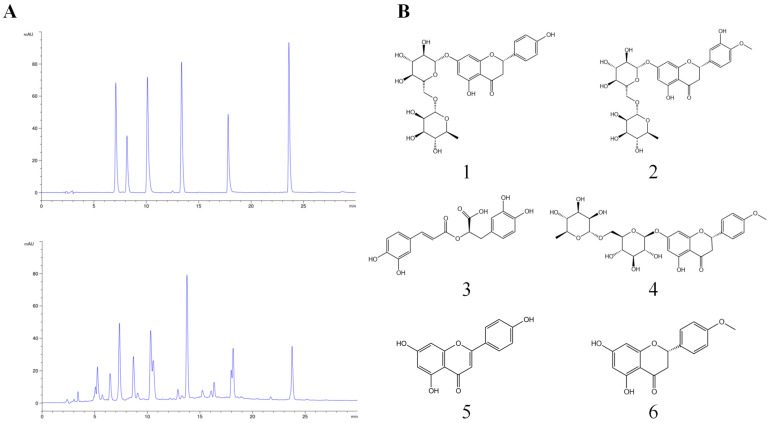 Figure 1
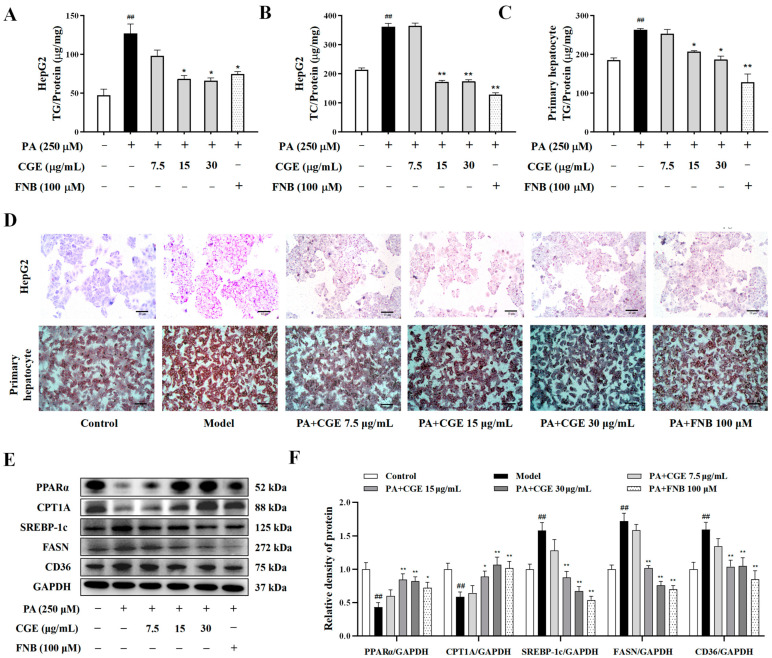 Figure 2
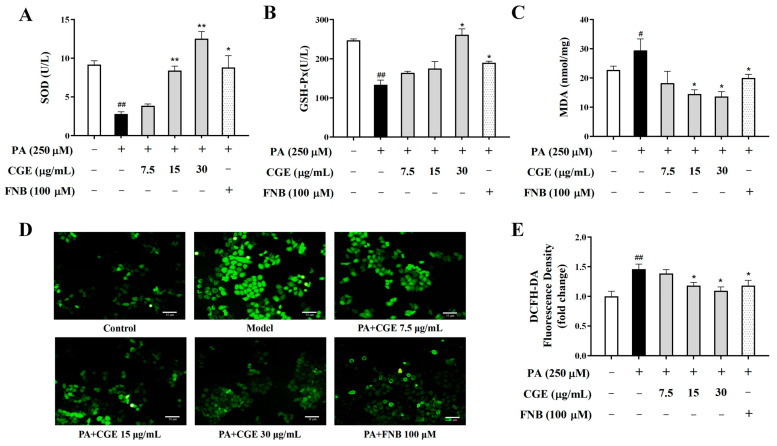 Figure 3
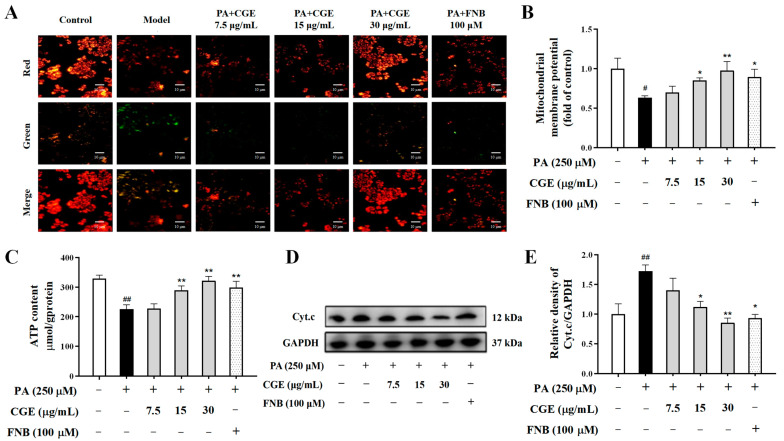 Figure 4
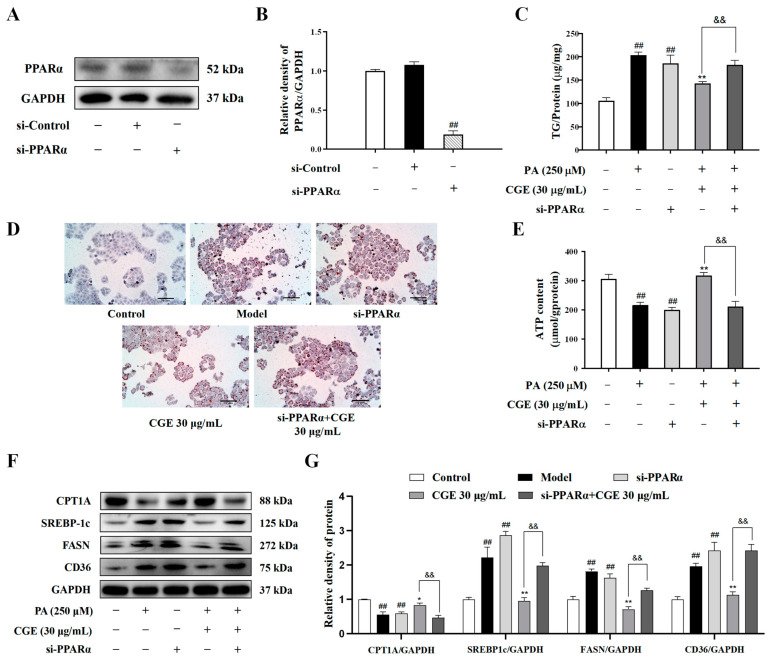 Figure 5
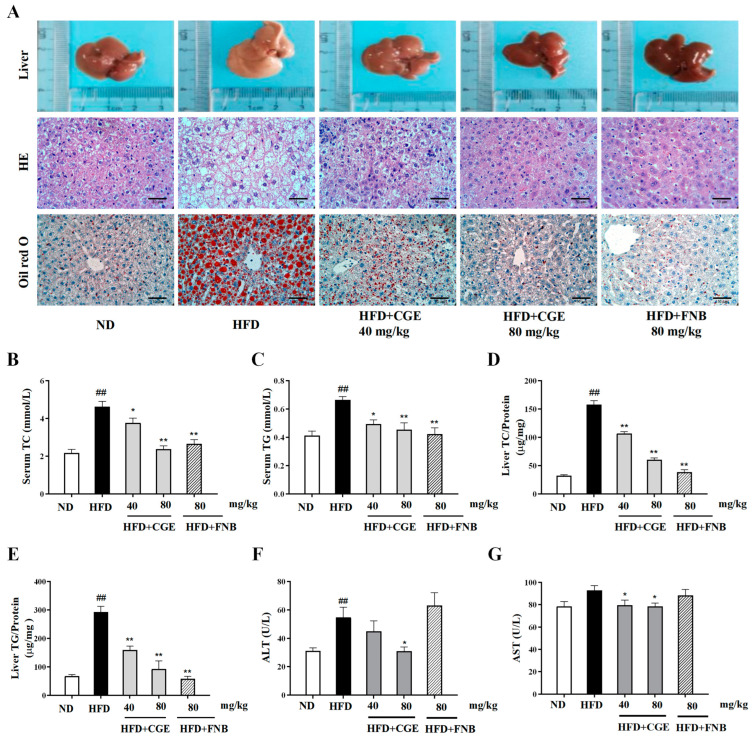 Figure 6
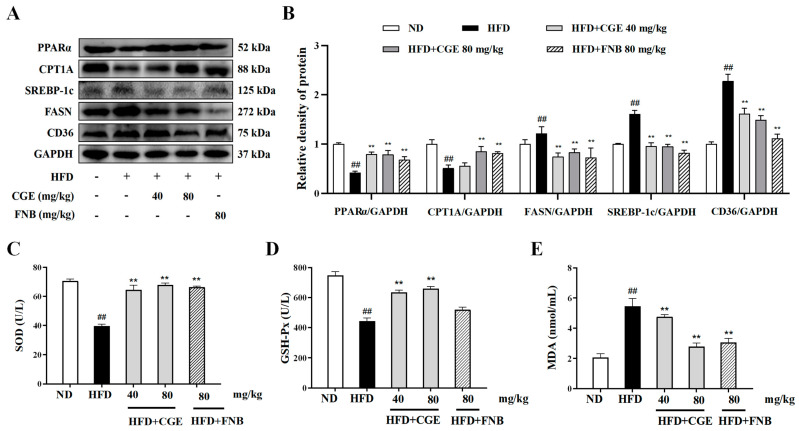 Figure 7
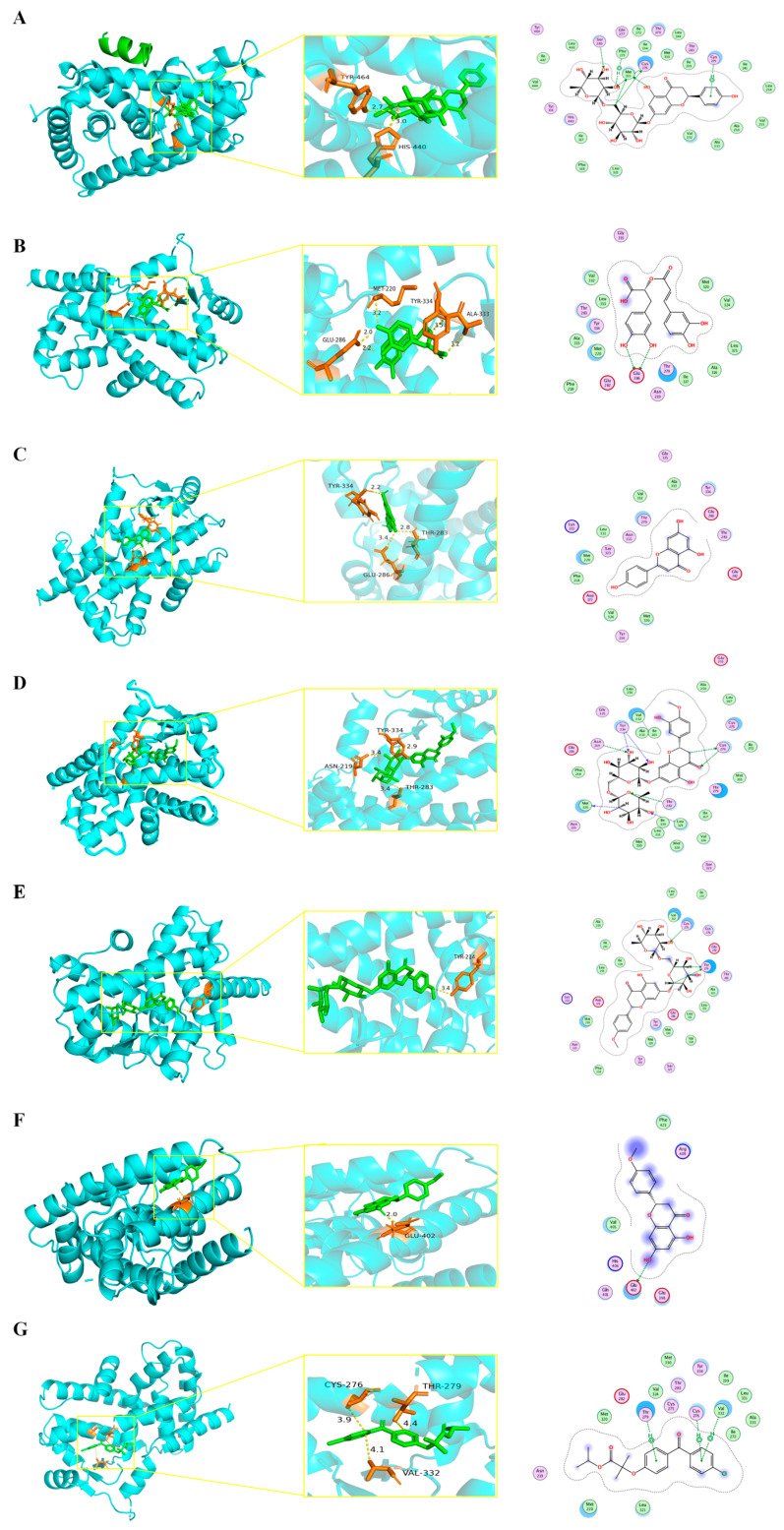 Figure 8
Peer Reviews
No public reviews on file for this paper yet. If you reviewed it on a platform where reviews are public (OpenReview, ICLR, NeurIPS, ICML), you can paste yours below so the community can read it here.
Videos
No videos yet. Explain this paper in a talk, walkthrough, or lecture? Add one.
Taxonomy
TopicsLiver Disease Diagnosis and Treatment · Peroxisome Proliferator-Activated Receptors · Drug-Induced Hepatotoxicity and Protection